Artwork
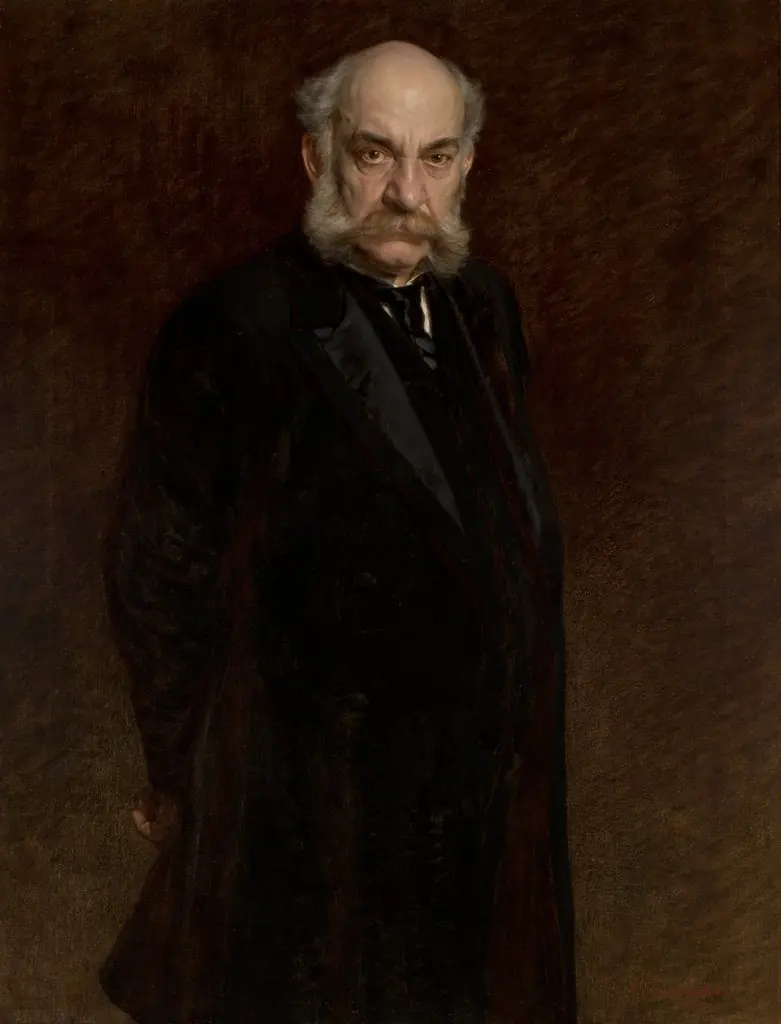
Portrait of Jean Léglise, Merchant, Mayor of Saint-Martin-de-Seignanx
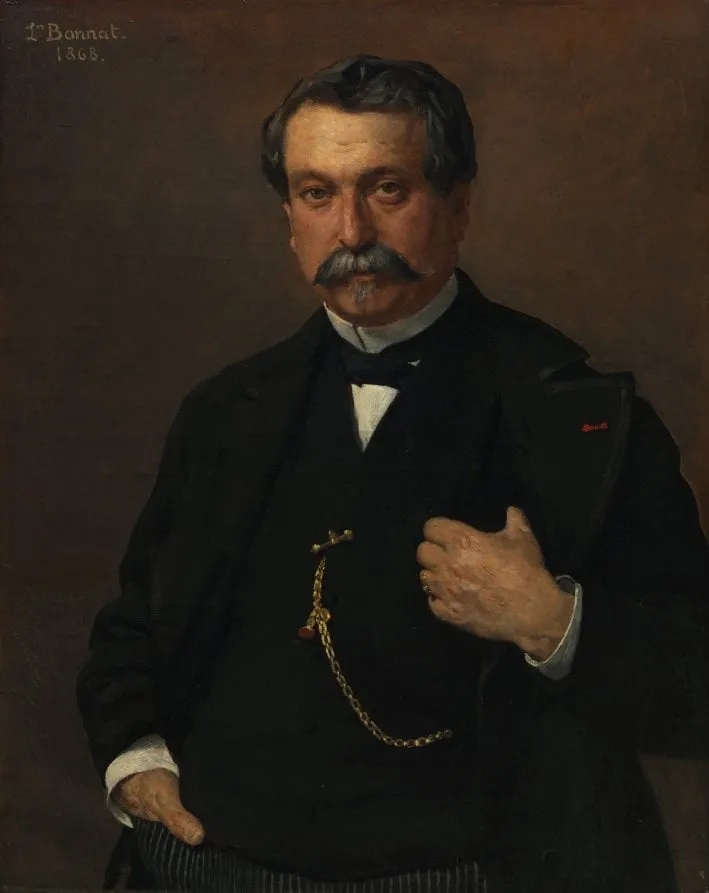
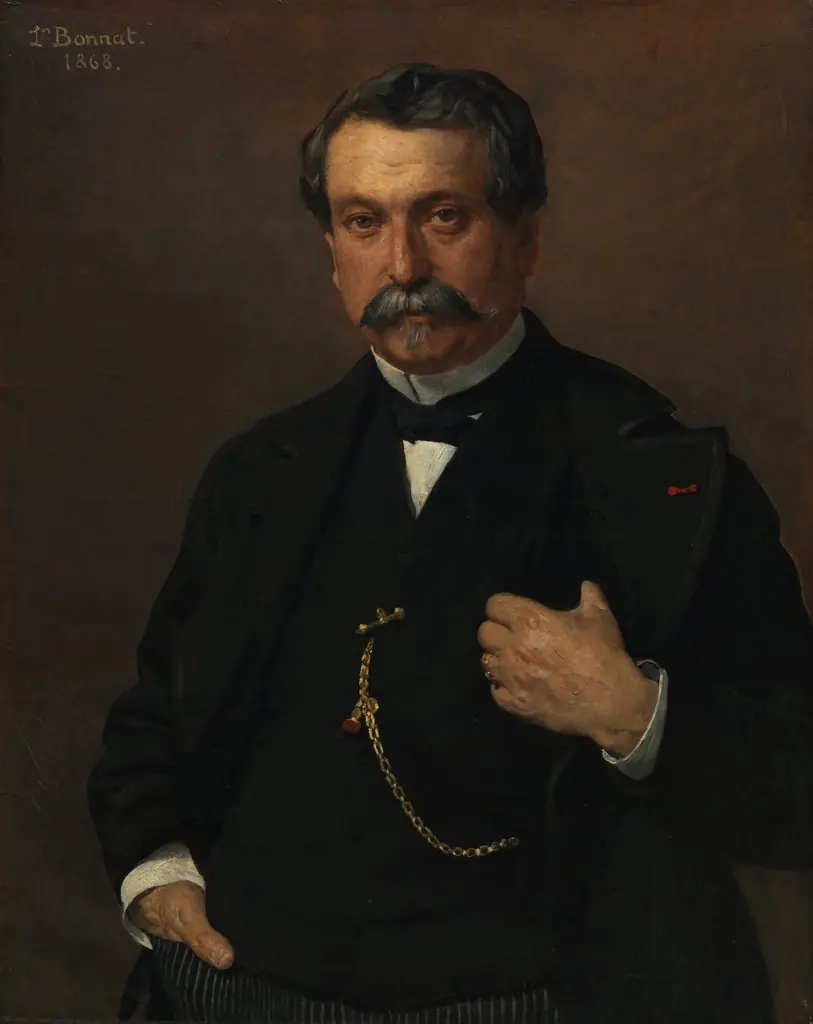
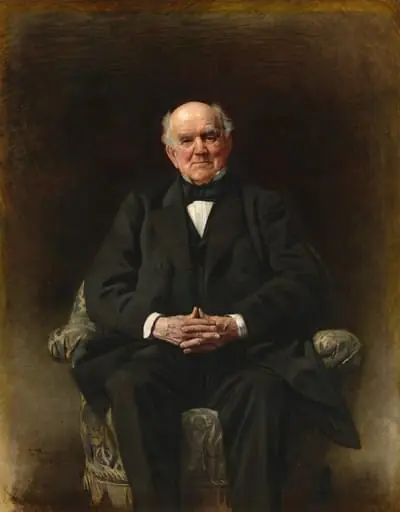
Portrait of Jean Léglise, Merchant, Mayor of Saint-Martin-de-Seignanx is an unspecified painting by the Impressionist artist Léon Bonnat. It dates from 1868 and is held in the collection of the Cleveland Museum of Art. Painted in 1868, this portrait depicts Jean Léglise, a prominent local figure in Saint-Martin-de-Seignanx, a town near Bayonne.
About this work
Overview
A successful wood merchant whose business thrived with the expansion of the Bayonne–Bordeaux railway, Léglise also served as mayor.
Painted in 1868, this portrait depicts Jean Léglise, a prominent local figure in Saint-Martin-de-Seignanx, a town near Bayonne. A successful wood merchant whose business thrived with the expansion of the Bayonne–Bordeaux railway, Léglise also served as mayor. The painting is one of a pair commissioned by the family, the other being his wife’s portrait, both executed by Léon Bonnat with equal precision and formal gravity.
Subject & Meaning
Jean Léglise is portrayed with quiet authority, seated in a red armchair, dressed in a dark suit that signals his status as a self-made businessman and civic leader. His direct gaze and composed posture convey steadiness and responsibility, reflecting both his role in local governance and the dignity associated with industrial-era prosperity. The absence of symbolic props emphasizes his identity as a man of practical influence rather than aristocratic lineage.
Technique & Style
Léon Bonnat rendered the portrait with meticulous attention to fabric texture and spatial depth. The folds of Léglise’s suit are carefully modeled, and the red chair’s upholstery is rendered with subtle variations in tone. Light falls from the left, defining the contours of the face and hands through controlled chiaroscuro, a hallmark of Bonnat’s academic training. The background remains muted, focusing attention entirely on the sitter’s presence.
History & Provenance
The portrait remained in the Léglise family until its acquisition by the Musée d’Orsay in 2001. Its companion piece, depicting Jean’s wife Maire-Augusta-Julie, was donated to the Musée Carnavalet the same year. Both works were painted in 1868, likely as a matched pair to commemorate the family’s social standing. Their preservation and eventual public donation reflect their significance as documents of regional bourgeois identity in post-revolutionary France.
Context
The painting emerges from a period of rapid infrastructure development in southwestern France, where merchants like Léglise capitalized on the railway boom. His wealth and civic role exemplify the rise of a new urban elite distinct from traditional nobility. Bonnat’s approach—realistic, restrained, and psychologically grounded—aligns with mid-century French portraiture that valued individual character over ornamentation.
Legacy
Though not widely exhibited outside France, the portrait stands as a representative example of Bonnat’s skill in capturing the quiet dignity of the provincial bourgeoisie. Its pairing with his wife’s likeness offers a rare, contemporaneous view of a merchant family’s self-image during industrialization. The works contribute to broader studies of 19th-century French social mobility and the evolving role of portraiture in documenting non-aristocratic identity.
Artist & collection
Artist
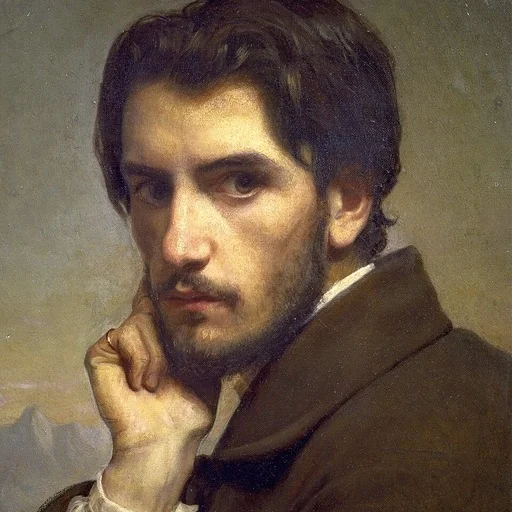
Léon Joseph Florentin Bonnat (French pronunciation: ; 20 June 1833 – 8 September 1922) was a French painter, Grand Officer of the Légion d'honneur, art collector and professor at the Ecole des Beaux Arts.

 Self Portrait
 Self Portrait
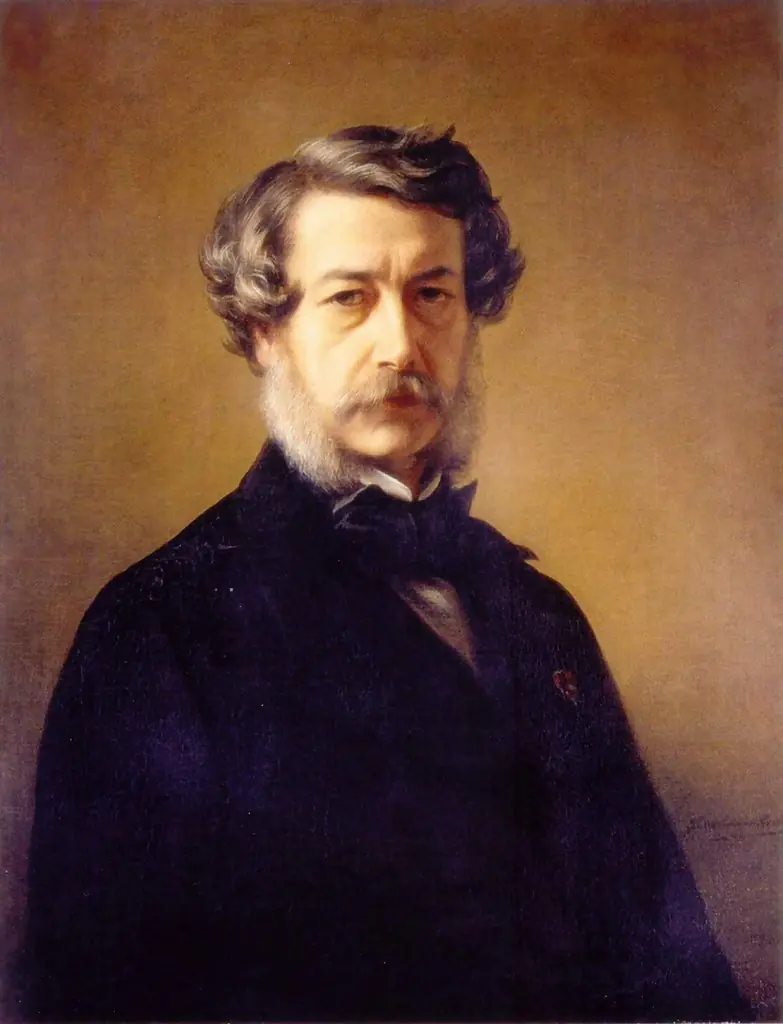 Self-portrait of Franz Xaver Winterhalter
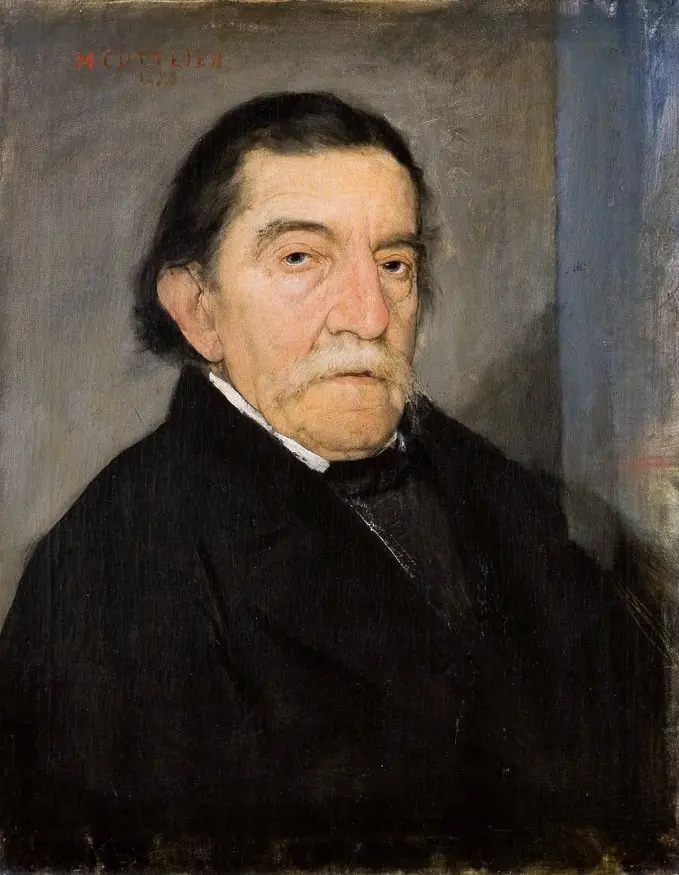 Portret Ignacego Kurandy
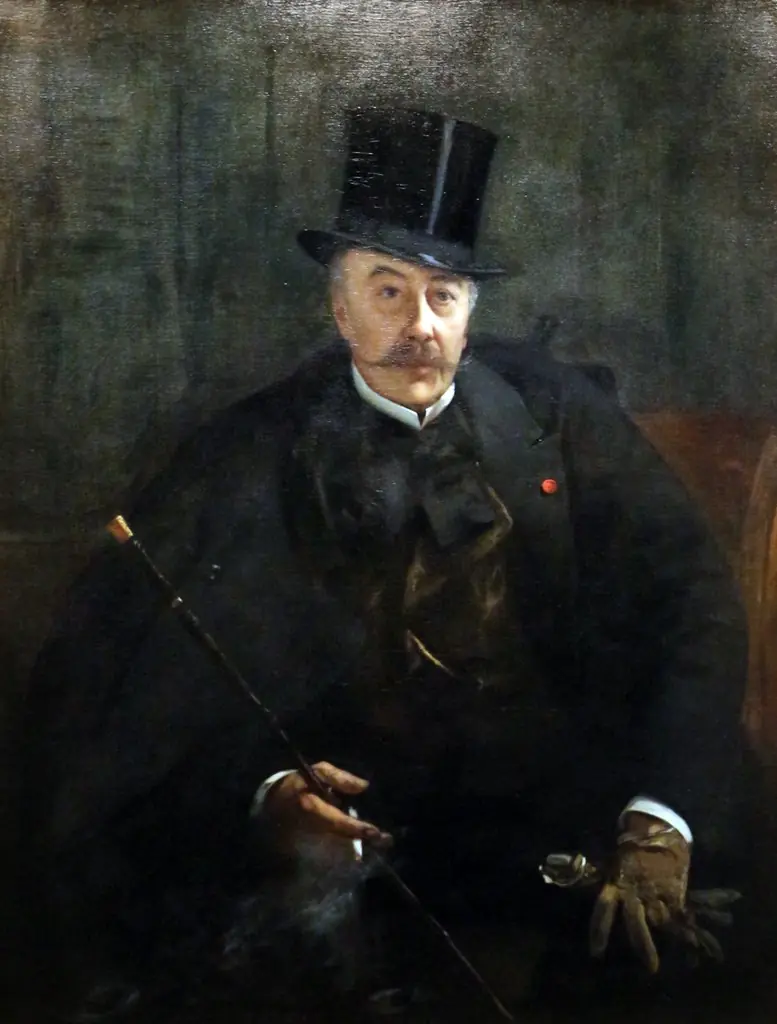 Portrait of Alfred Stevens
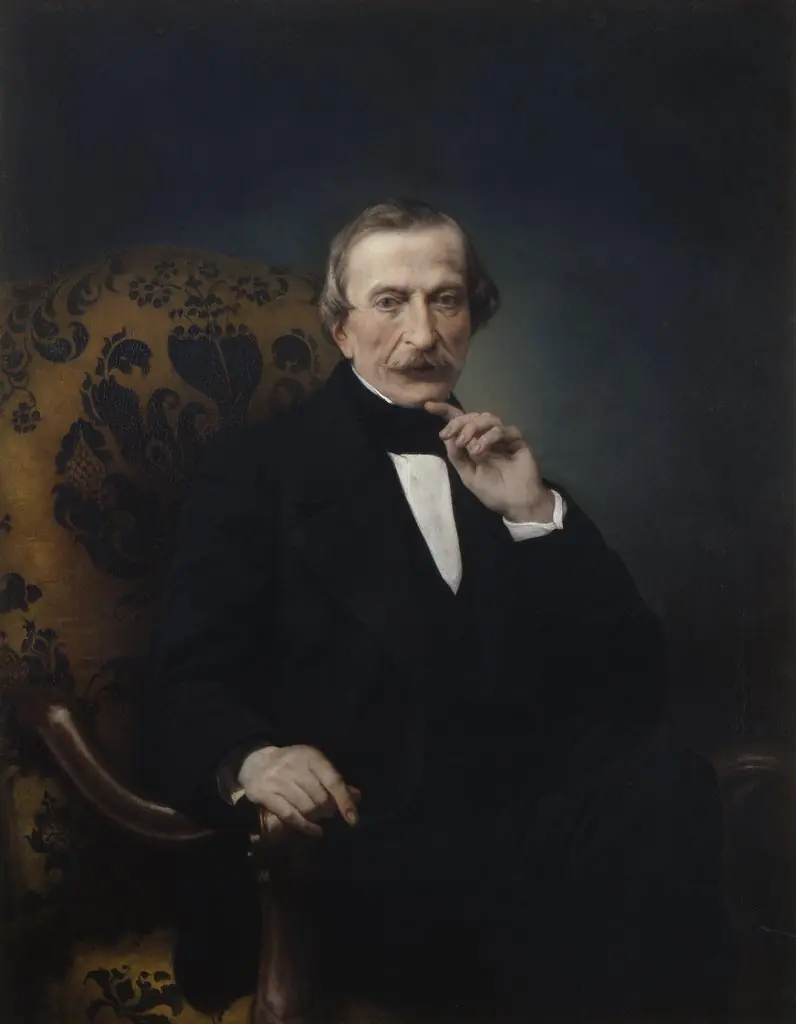 Portrait of Massimo d’Azeglio
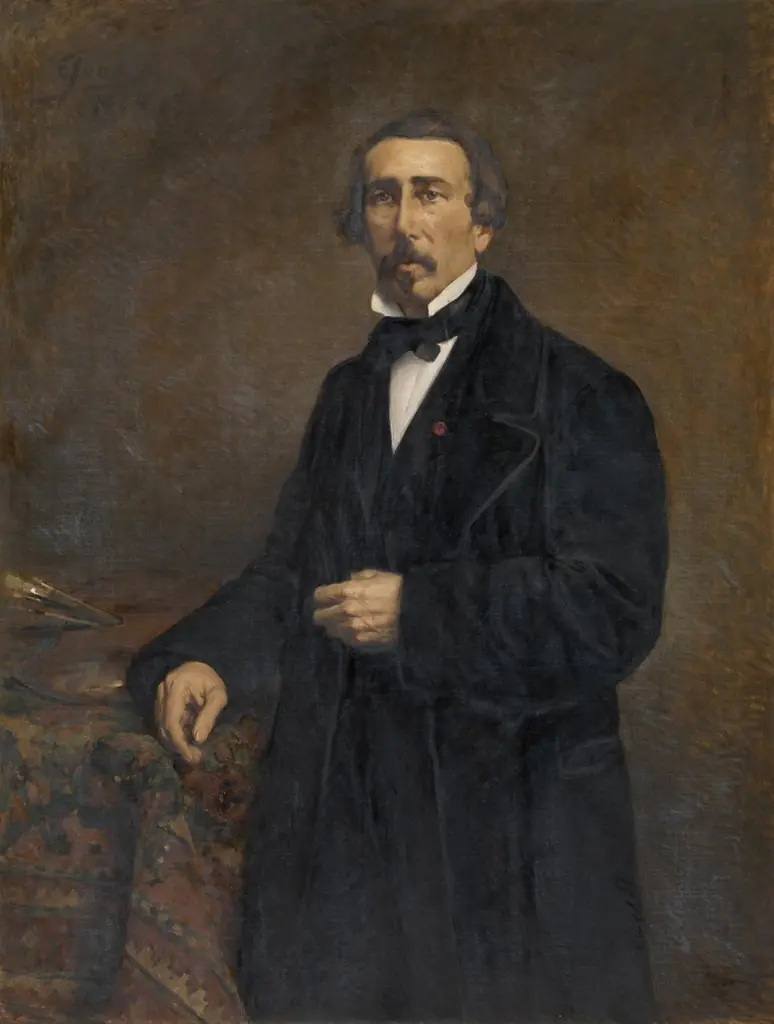 The Painter Jacob Jacobs
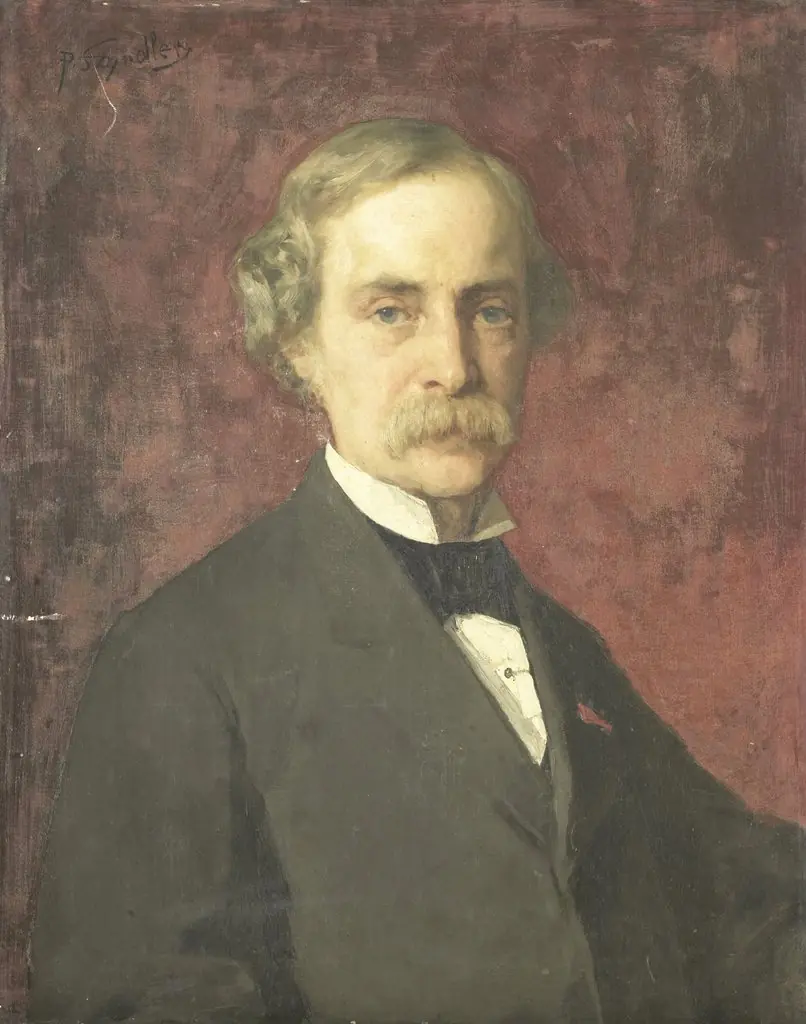 Johann Wilhelm Kaiser (1813-1900). Graficus, directeur van de Graveerschool en van het Rijksmuseum
 Untitled
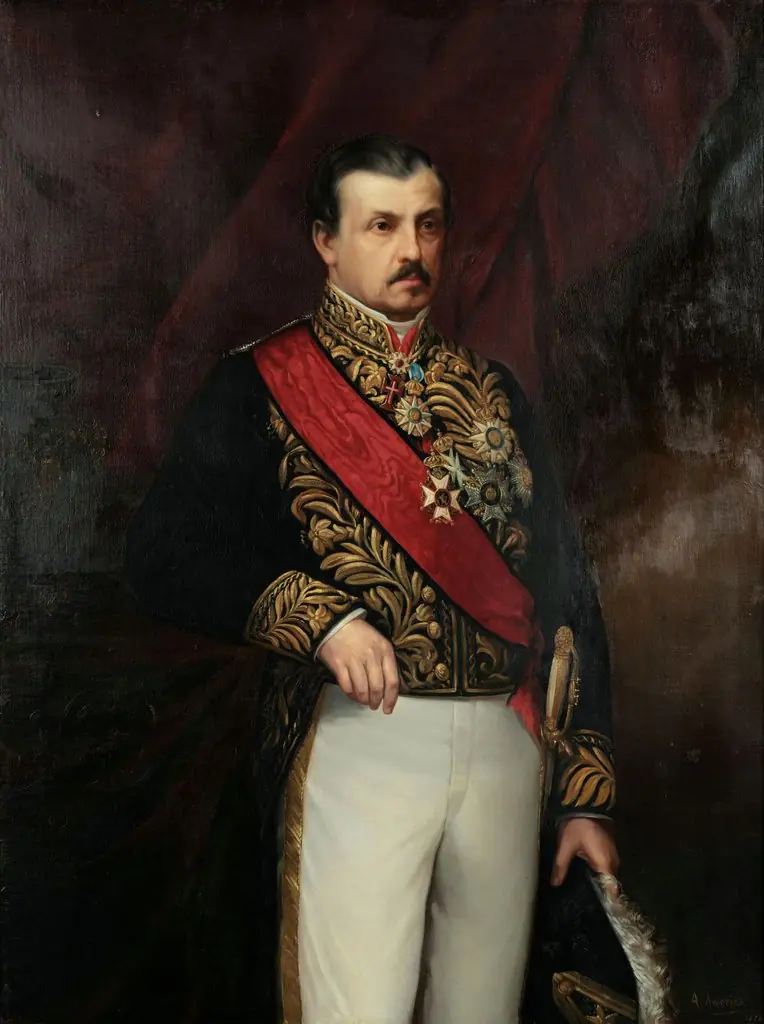 Portrait of the Viscount of Santo Amaro
 Portrait of Filip Zaleski