Artwork
Untitled
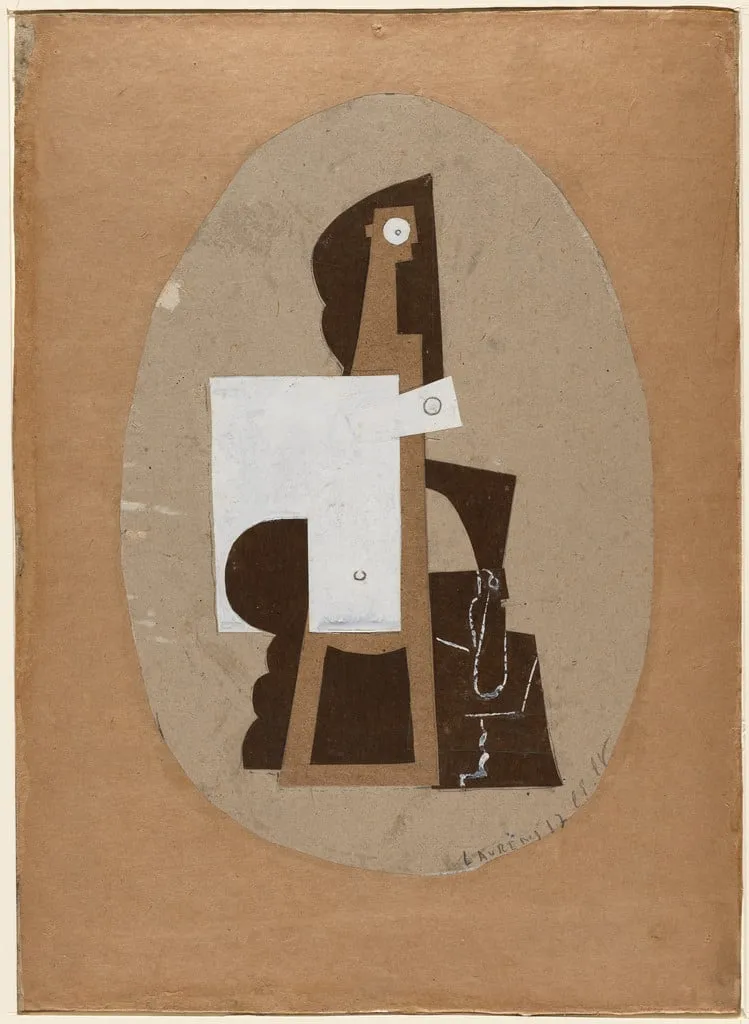
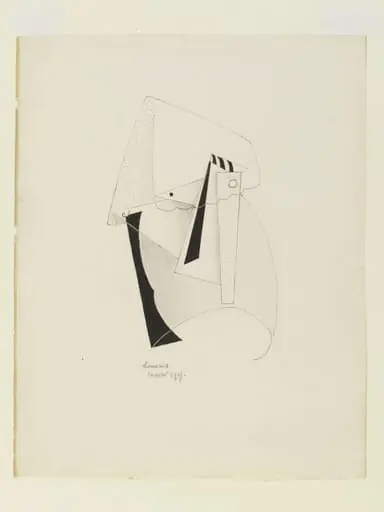
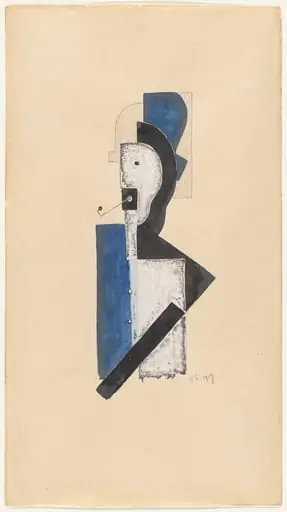
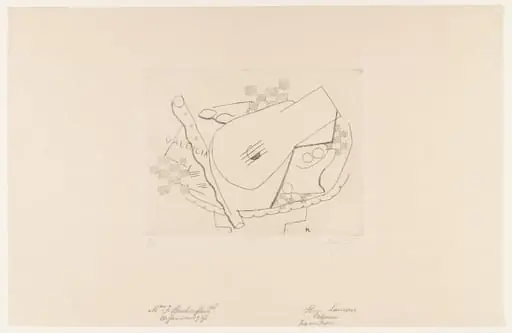
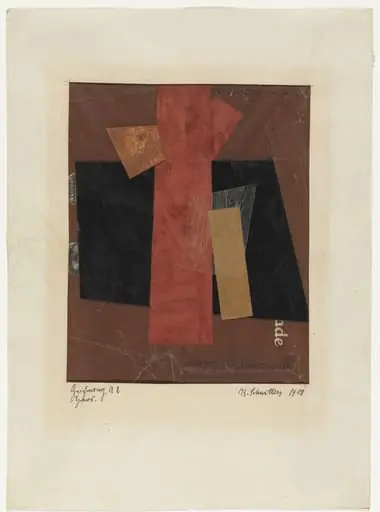
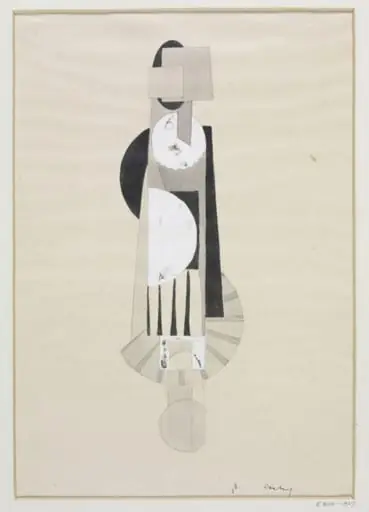
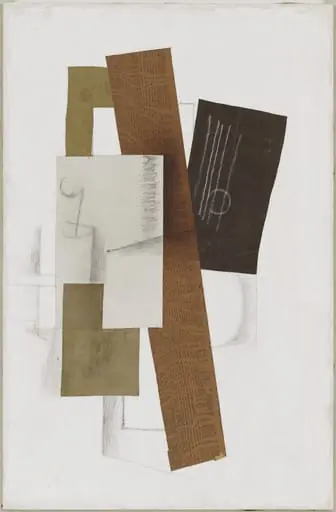
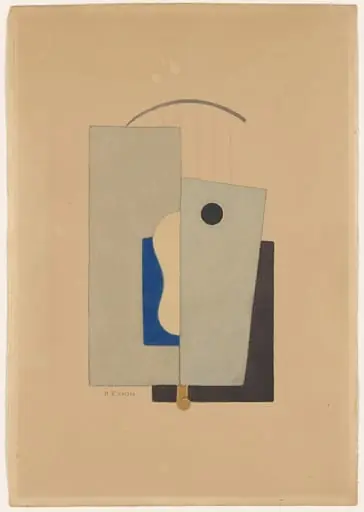
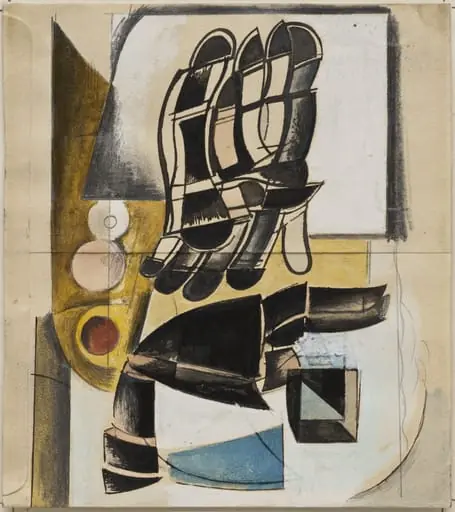
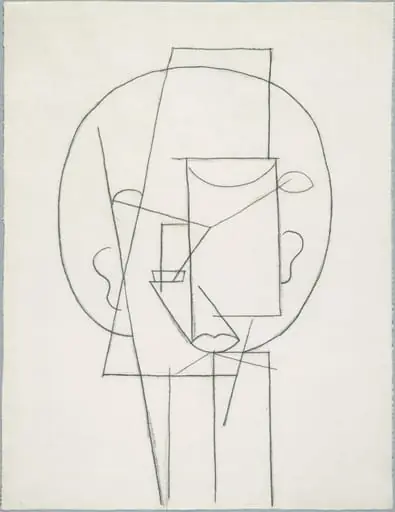
Untitled is a tempera drawing by Henri Laurens. It dates from 1917 and is held in the collection of the Museum of Modern Art.
About this work
Overview
The composition combines painted surfaces with layered paper elements, resulting in a tactile, fragmented structure.
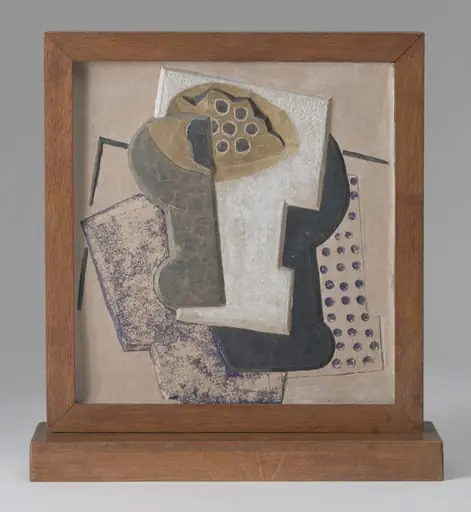
Created in 1917, this work is a mixed-media drawing by Henri Laurens, composed of cut and pasted papers coated in water-soluble material, tempera paint, and pencil. The composition combines painted surfaces with layered paper elements, resulting in a tactile, fragmented structure. It resides in the collection of The Museum of Modern Art, where it is cataloged as a drawing rather than a painting, reflecting its reliance on collage and linear draftsmanship.
Subject & Meaning
The central form suggests a seated figure on a chair, rendered through abstracted geometric shapes. A large white rectangle anchors the composition, possibly indicating a seat or surface, while dark pencil lines define limbs and contours. The ambiguity of the forms resists literal interpretation, instead evoking the presence of the human figure through suggestion rather than representation, aligning with early modernist tendencies to reduce subject matter to essential volumes.
Technique & Style
Laurens employed a combination of hand-cut paper, tempera washes, and pencil drawing to build the image. Textural contrasts emerge between the smooth, painted areas and the rough, torn edges of the brown paper. The water-soluble coating on the paper allows for subtle blending, while the pencil lines introduce spontaneity. The work reflects a synthesis of Cubist fragmentation and the material experimentation characteristic of post-war avant-garde practices.
History & Provenance
The work was made in 1917 during Laurens’s engagement with Cubist principles and his association with artists like Picasso and Braque. It entered The Museum of Modern Art’s collection in the mid-20th century, likely through acquisition or donation from a private collector familiar with European modernism. Its classification as a drawing underscores its role as a study or independent composition rather than a preparatory sketch.
Context
Created during World War I, the piece reflects the broader shift in European art toward abstraction and material experimentation. Laurens, influenced by sculptural thinking, translated three-dimensional concerns into two-dimensional space. The use of everyday materials like paper and tempera aligns with contemporaneous efforts to challenge traditional artistic media, particularly among artists exploring the boundaries between painting, sculpture, and collage.
Legacy
This work contributes to the understanding of Laurens’s transition from figurative sculpture to abstract composition. Its integration of collage techniques into drawing influenced later artists interested in materiality and non-traditional surfaces. While not widely exhibited, it remains a significant example of how early 20th-century artists redefined artistic boundaries through hybrid media and reductive form.
Artist & collection