Artwork
Street in Biskra, Algeria
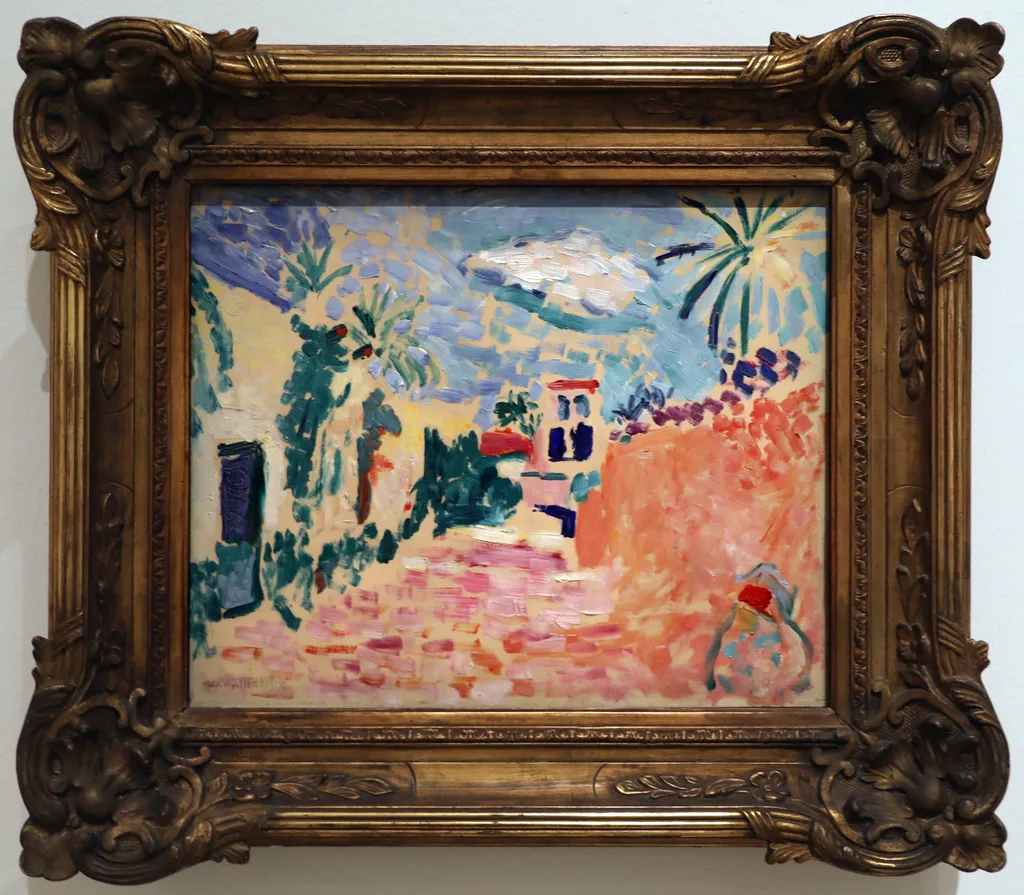
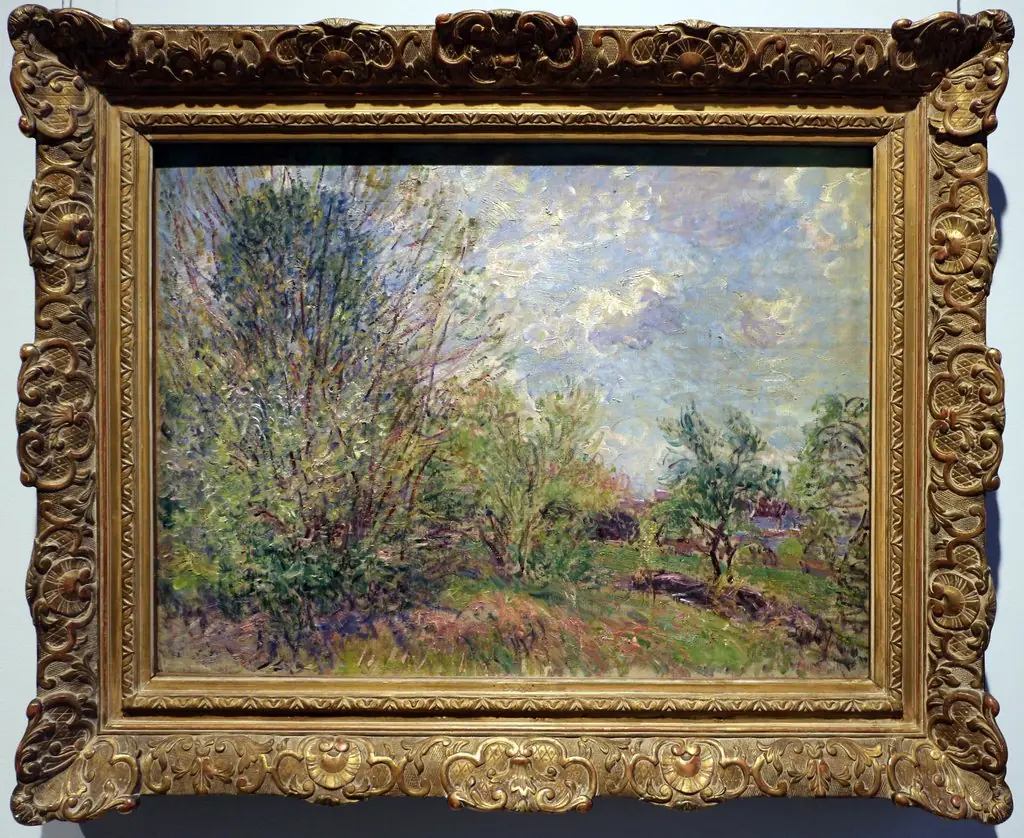
Street in Biskra, Algeria is an oil painting by the Post-Impressionist artist Henri Matisse. It dates from 1906 and is held in the collection of the Statens Museum for Kunst.
About this work
Overview
Street in Biskra, Algeria is an oil painting created by French artist Henri Matisse in 1906, characterized by vibrant colors and thick, visible brushstrokes. The work is part of the collection at Statens Museum for Kunst.
Subject & Meaning
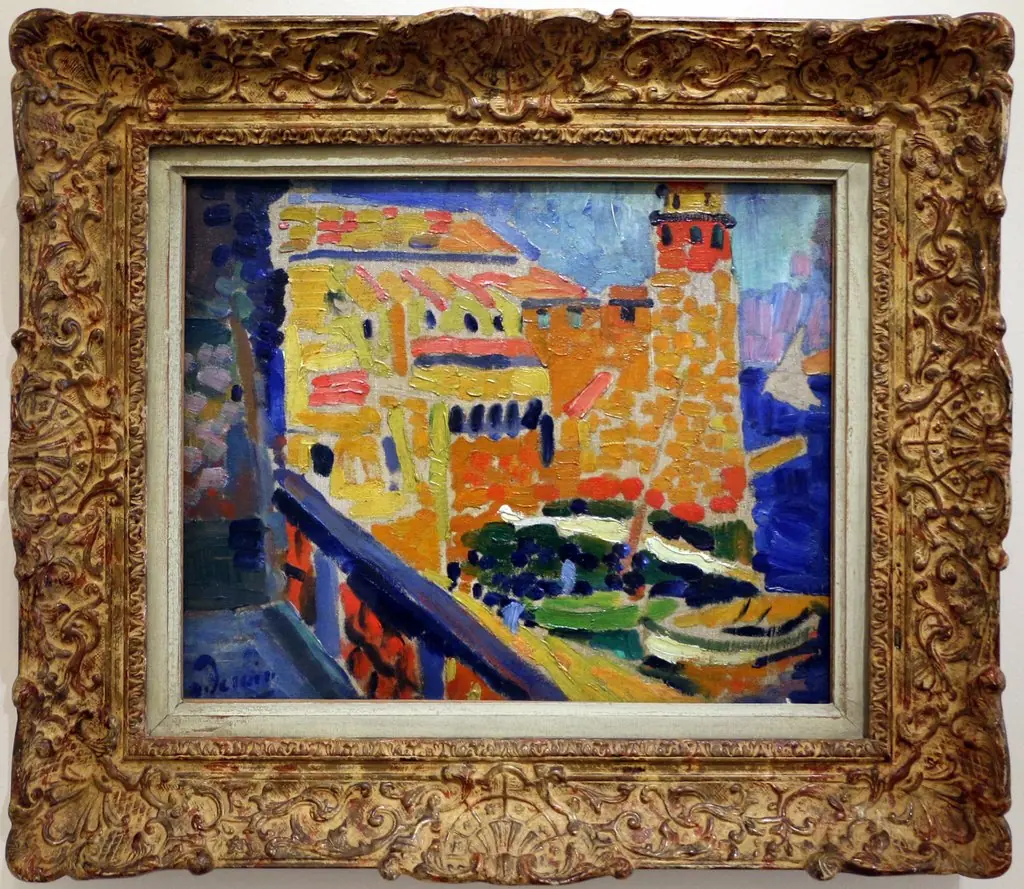
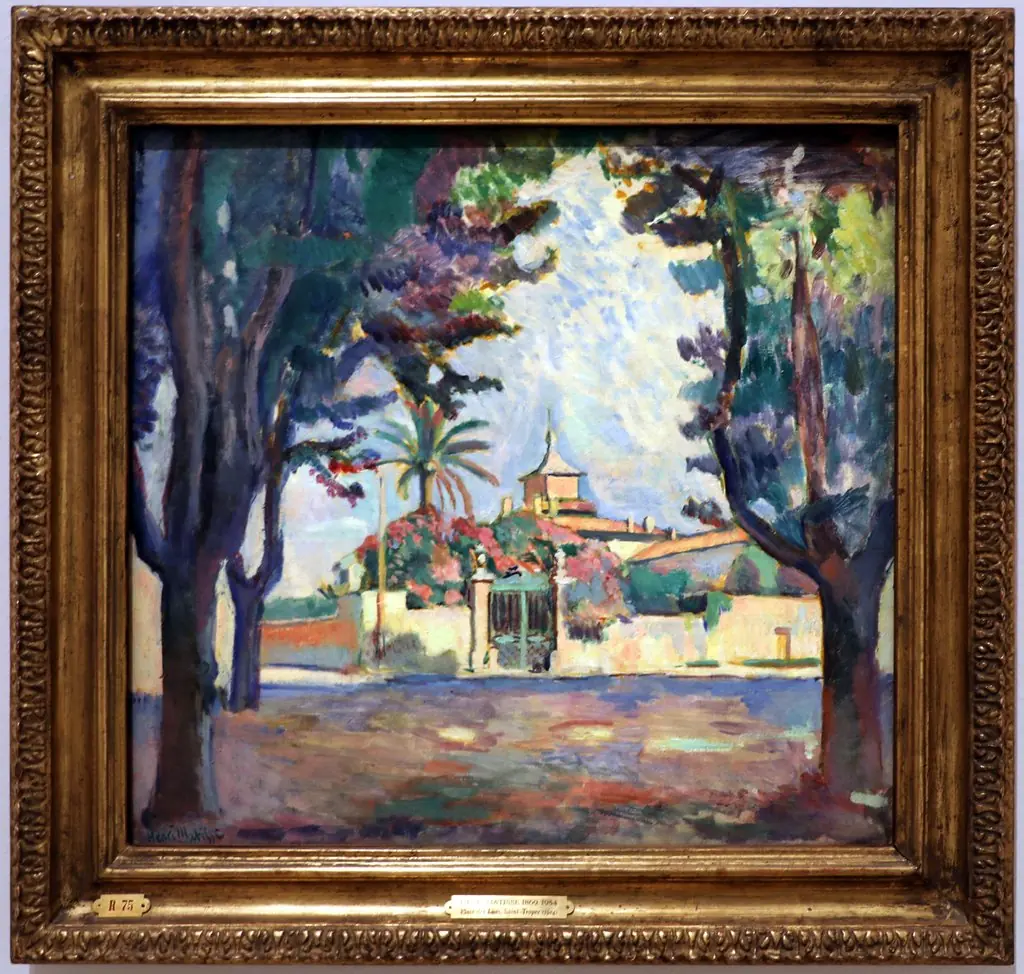
The painting depicts a sunlit street scene in Biskra, Algeria, featuring palm trees, distant red-roofed buildings, and a sky with blended blue and yellow hues set against pink and orange ground patches.
Technique & Style
Matisse employed impasto, a technique involving thick layers of paint, to achieve a lively, rough texture. Short, choppy brushstrokes convey warm, intense light, reflecting his post-impressionist approach.
History & Provenance
Created in 1906 during Matisse's post-impressionist period, the painting is now held in the Statens Museum for Kunst's collection. Matisse, born in 1869, was renowned for his bold color use and distinctive drawing style, significantly influencing early 20th-century modern art.
Context
This work exemplifies Matisse's contribution to the development of modern painting in the early 20th century, alongside advancements in sculpture, characterized by innovative color and drawing techniques.
Legacy
While the specific legacy of *Street in Biskra, Algeria* is not detailed here, Matisse's overall body of work, including this piece, continues to influence modern art practices through its bold, expressive use of color and texture.
Artist & collection
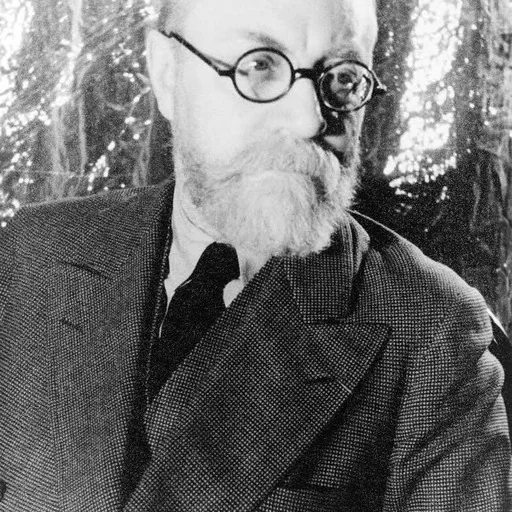
Artist
Henri Émile Benoît Matisse (French: ; 31 December 1869 – 3 November 1954) was a French visual artist, known for both his use of colour and his fluid and original draughtsmanship.