Artwork
Street at Arcueil
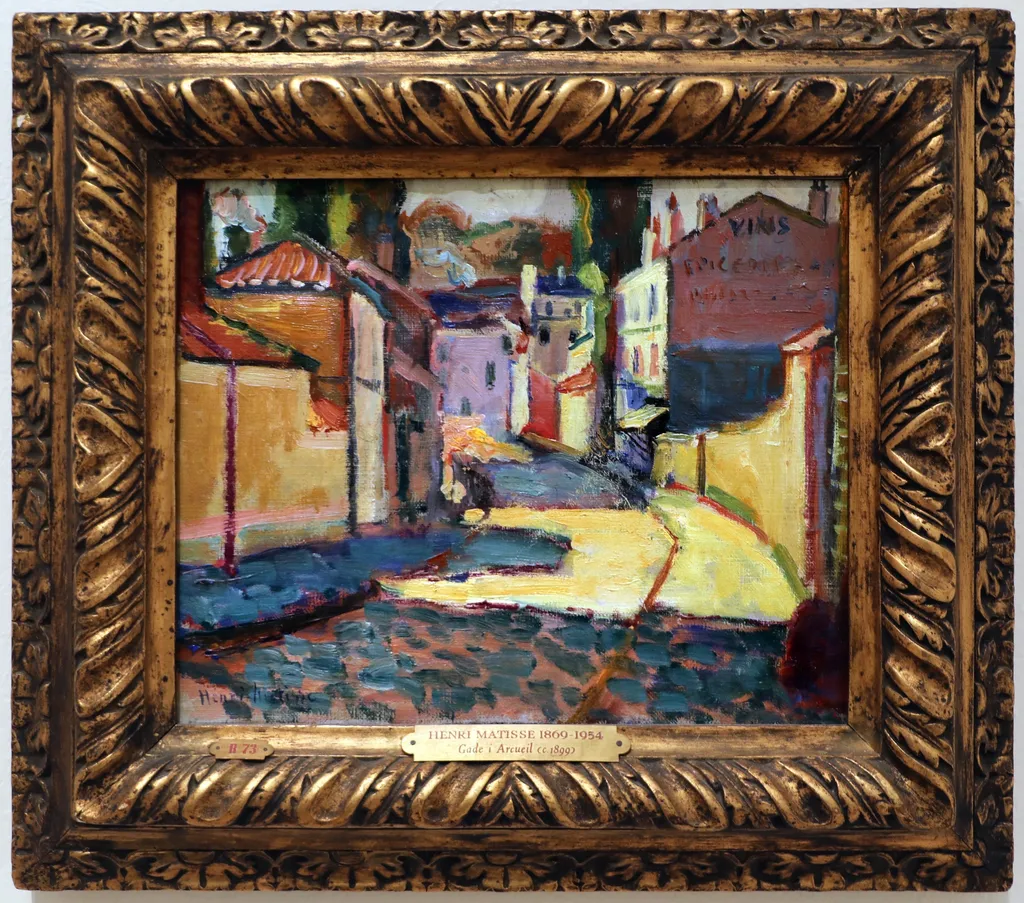
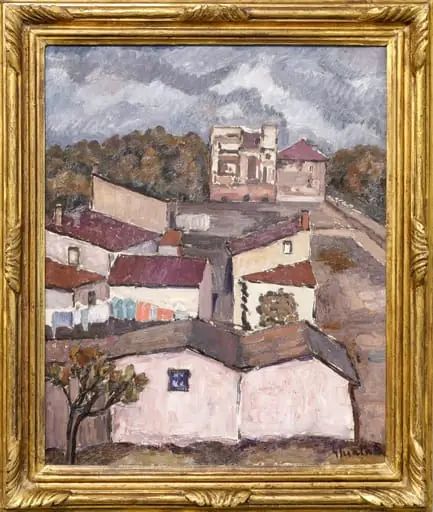
Street at Arcueil is an oil painting by the Post-Impressionist artist Henri Matisse. It dates from 1900 and is held in the collection of the Statens Museum for Kunst.
About this work
Overview
The painting predates his Fauvist breakthrough but already signals a departure from naturalism toward emotional expression through hue and brushwork.
Painted in 1900, *Street at Arcueil* is an early oil work by Henri Matisse, created during a formative phase of his career. It captures a quiet suburban street in the Parisian commune of Arcueil, reflecting his evolving interest in color as a structural element rather than a mere descriptive tool. The painting predates his Fauvist breakthrough but already signals a departure from naturalism toward emotional expression through hue and brushwork.
Subject & Meaning
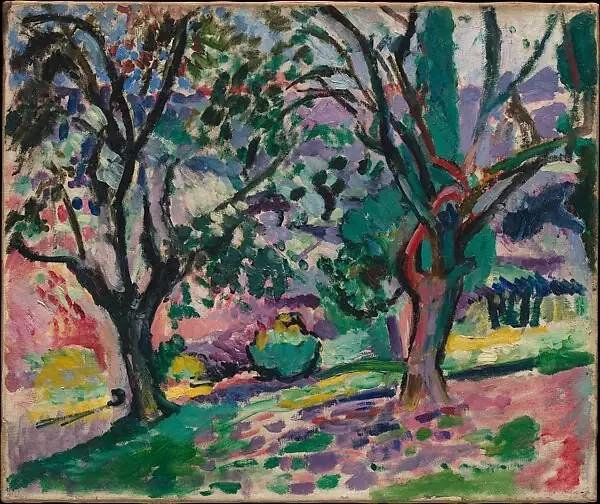
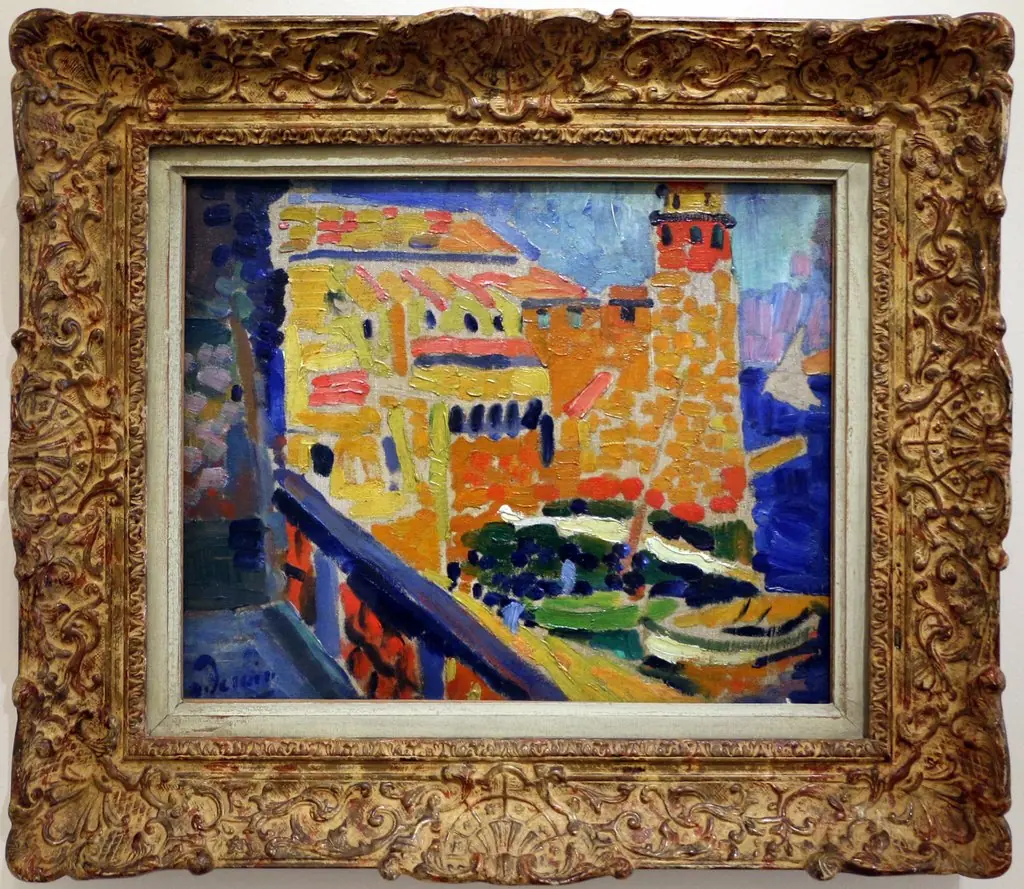
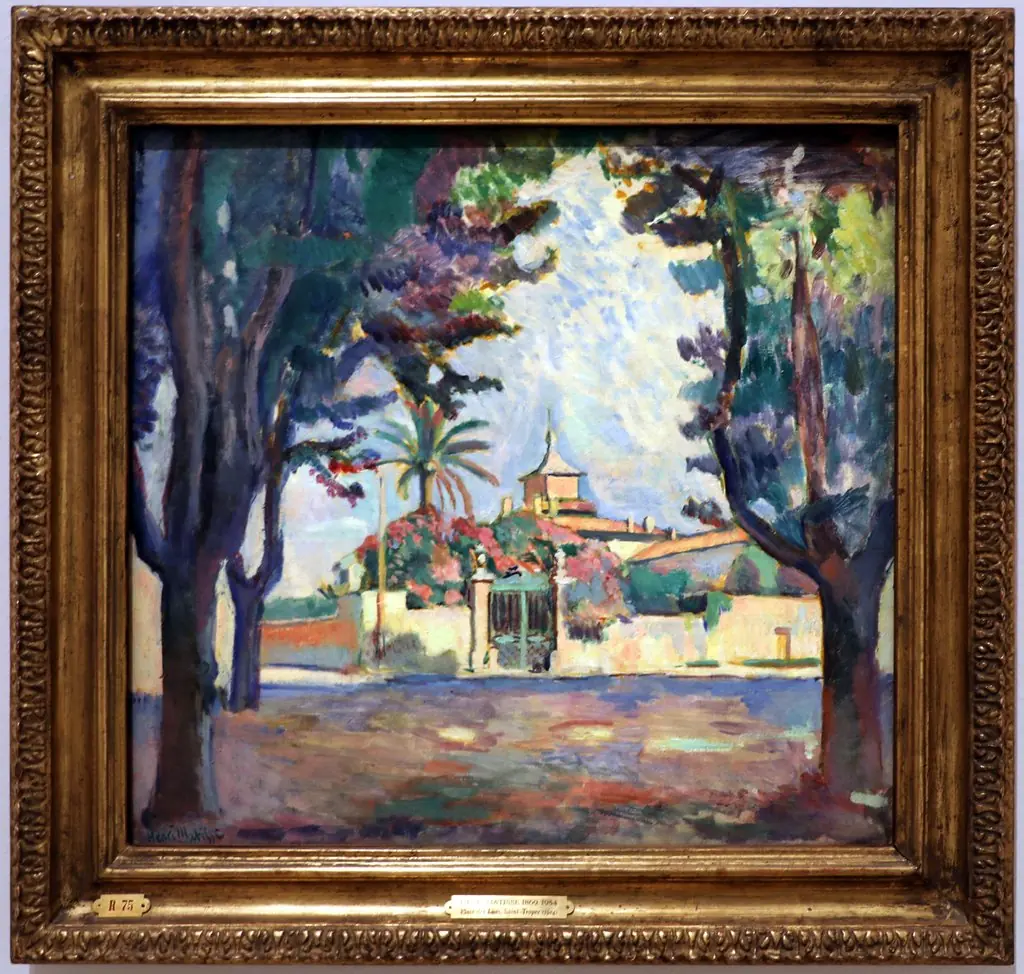
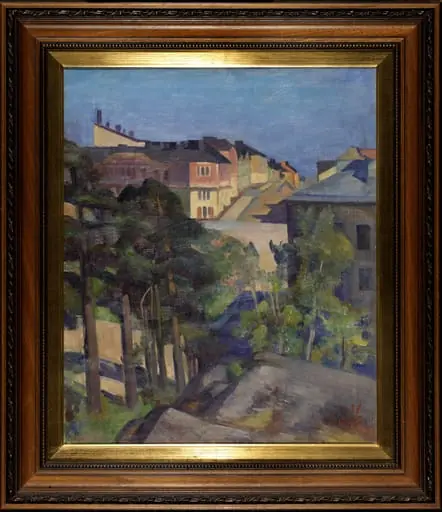
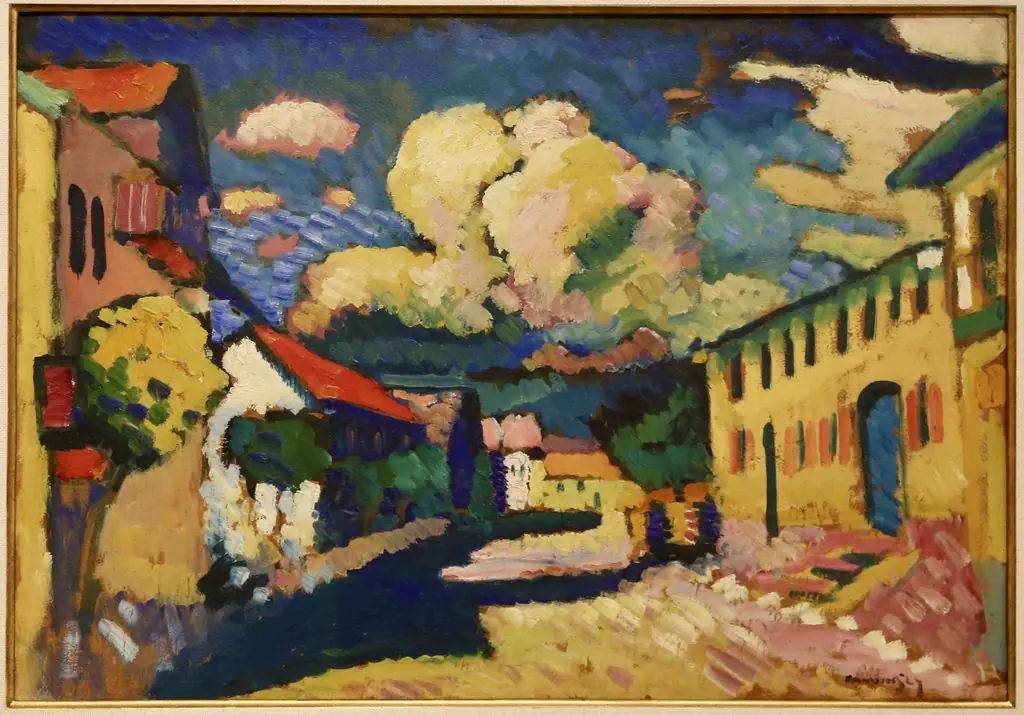
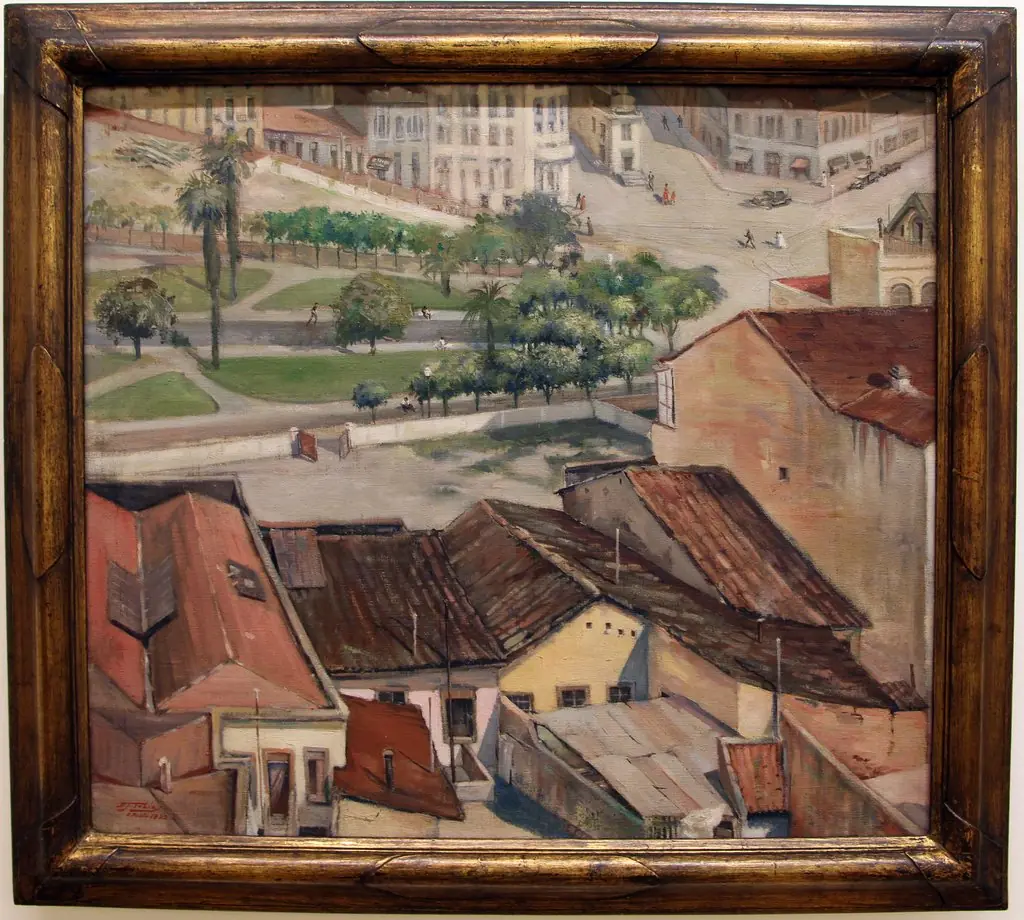
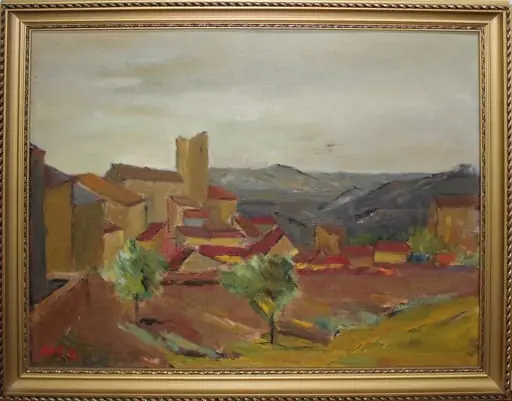
The scene portrays a modest urban street lined with residential buildings, flanked by scattered trees and shrubs. There is no human presence, lending the image a still, contemplative quality. Matisse focuses on the interplay of architecture and environment, using color to convey mood rather than narrative. The absence of figures shifts attention to the rhythm of forms and the atmospheric tension between warm facades and cool skies.
Technique & Style
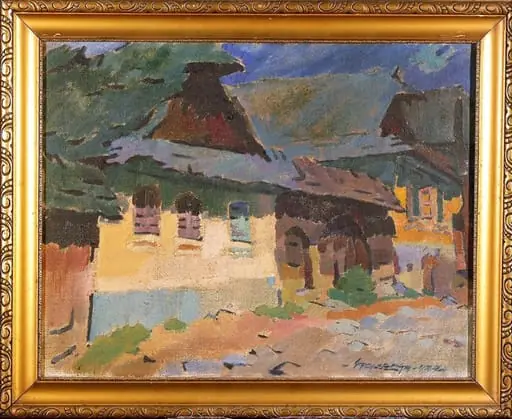
Matisse applies oil paint with loose, deliberate strokes that emphasize texture and movement over detail. Warm tones of yellow, orange, and red dominate the buildings, contrasted by a deep blue sky and touches of green foliage. The brushwork is energetic yet controlled, suggesting light and space through color relationships rather than linear perspective. This approach aligns with Post-Impressionist concerns, prioritizing emotional resonance over optical accuracy.
History & Provenance
Created during Matisse’s early years in Paris, the painting remained in private hands until entering the collection of Statens Museum for Kunst in Copenhagen. Its acquisition reflects the museum’s early commitment to modern French art. Unlike many of his later works, *Street at Arcueil* was not widely exhibited during Matisse’s lifetime, contributing to its relative obscurity until scholarly reassessments of his development in the 20th century.
Context
In 1900, Matisse was studying under Gustave Moreau and engaging with the broader Parisian art scene, where Post-Impressionist ideas were reshaping painting. Artists like Cézanne and Signac influenced his use of color and structure. *Street at Arcueil* sits at the intersection of academic training and emerging modernism, showing how Matisse began to dismantle traditional representation in favor of expressive, non-naturalistic palettes.
Legacy
Though less known than his Fauvist works, *Street at Arcueil* is a critical step in Matisse’s artistic evolution. It demonstrates his early mastery of color as a compositional force, foreshadowing the radical chromatic experiments that would define his later career. The painting contributes to understanding how modernism emerged not through abrupt rupture, but through gradual, deliberate rethinking of visual language.
Artist & collection
Artist
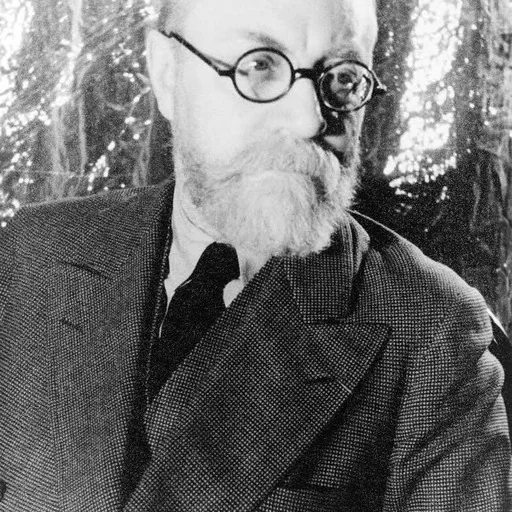
Henri Émile Benoît Matisse (French: ; 31 December 1869 – 3 November 1954) was a French visual artist, known for both his use of colour and his fluid and original draughtsmanship.