Artwork
Concarneau Terrace
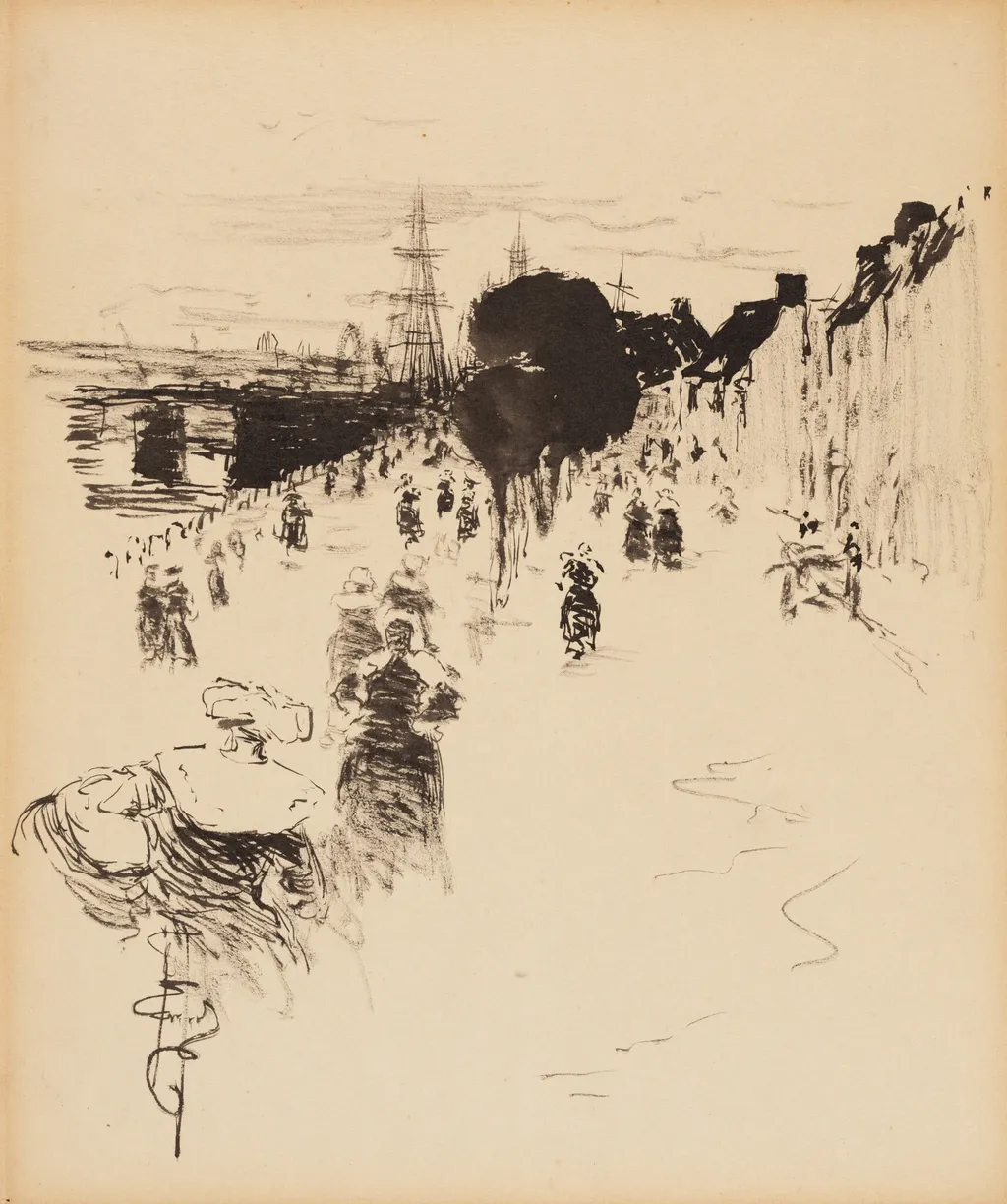
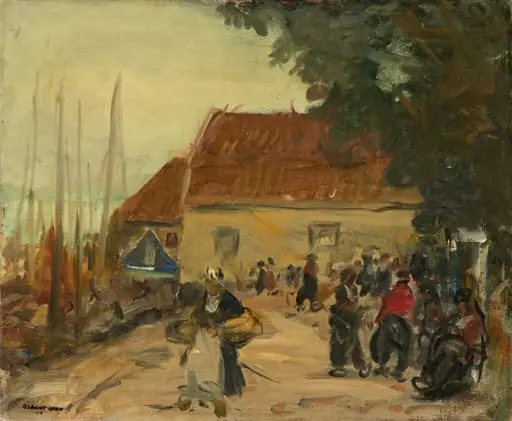
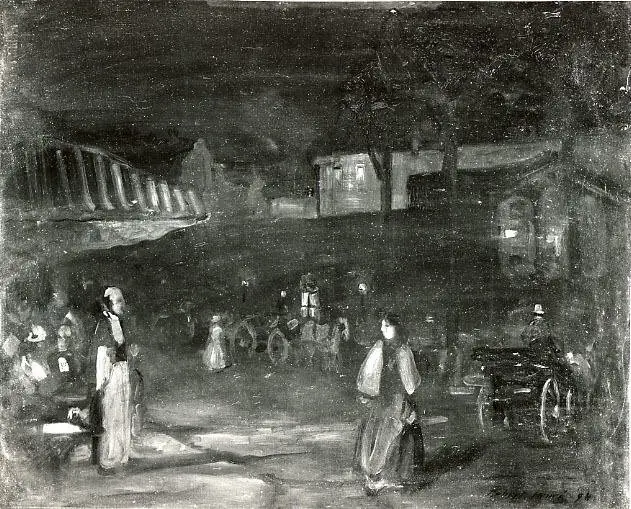
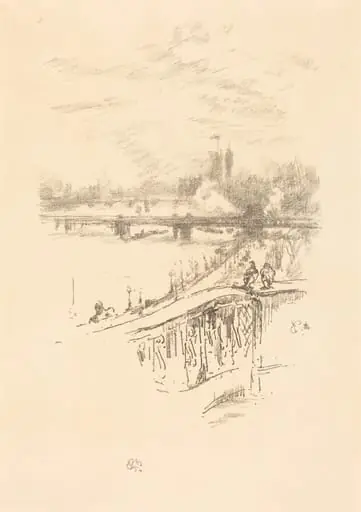
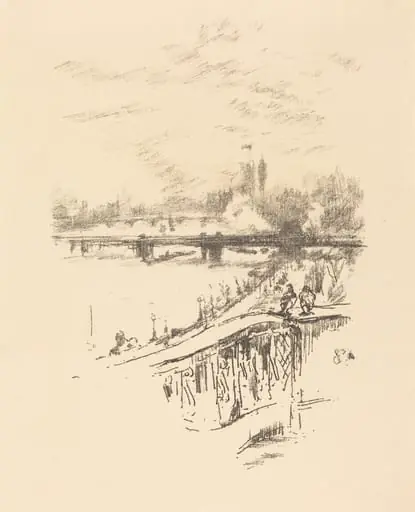
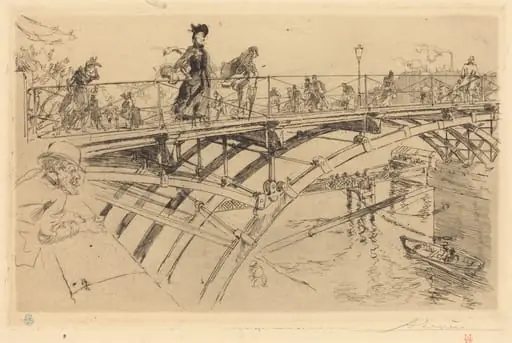
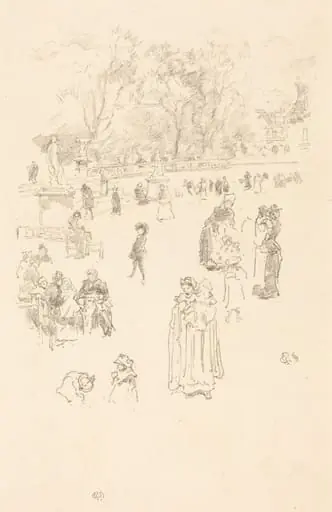
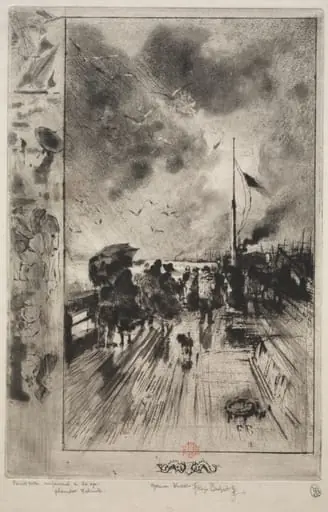
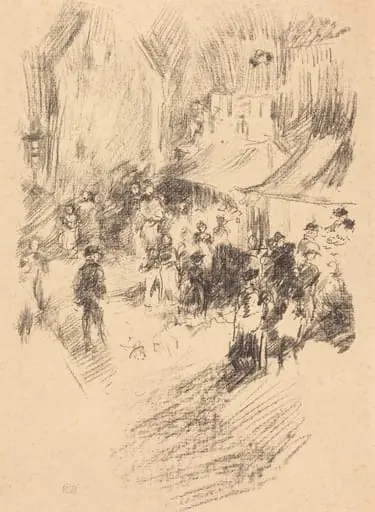
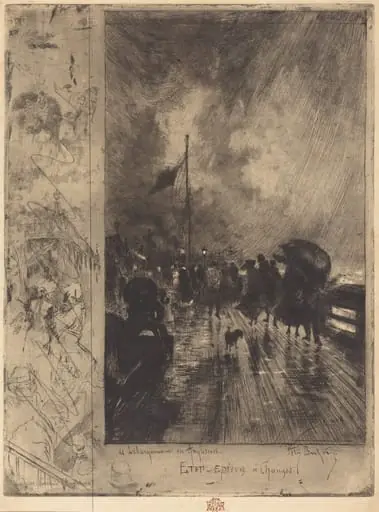
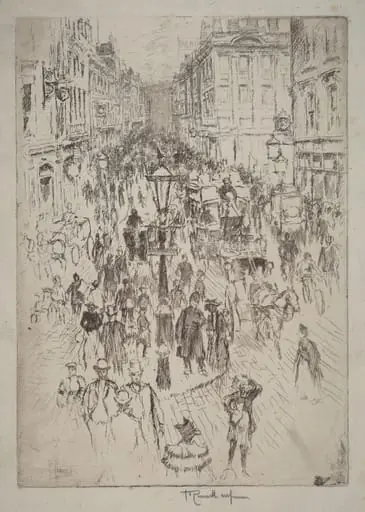
Concarneau Terrace is an ink drawing by the Impressionist artist Robert Henri. It dates from 1899 and is held in the collection of the National Gallery of Art.
About this work
Overview
Created circa 1899, *Concarneau Terrace / Brittany Street Scene* is a black‑ink drawing on wove paper by American artist Robert Henri. The composition records a moment on a street in the coastal town of Concarneau, in Brittany, France, where Henri was traveling while studying in Europe.
Subject & Meaning
The work portrays everyday activity along a narrow thoroughfare, emphasizing ordinary figures and architecture rather than romanticized scenery. By focusing on the unembellished details of a foreign street, Henri anticipates his later interest in portraying the grit and immediacy of urban life.
Technique & Style
Executed with fluid black ink, the drawing balances precise line work with tonal washes that suggest atmospheric depth. The handling reflects Henri’s exposure to Parisian Impressionist practices, yet the emphasis on solid form and direct observation points toward the realist approach that would later define his oeuvre.
Context
During the late 1890s Henri was absorbing European artistic currents while studying in Paris, a period that shaped his early development. Although later associated with the Ashcan School—known for its stark urban scenes—this piece illustrates the transitional phase when he merged Impressionist influences with a burgeoning realist sensibility.
Legacy
*Concarneau Terrace* offers insight into Henri’s formative years, marking a point where his European training intersected with the subjects that would dominate his mature work. The drawing thus serves as a visual document of his artistic evolution before his pivotal role in American modernism.
Artist & collection
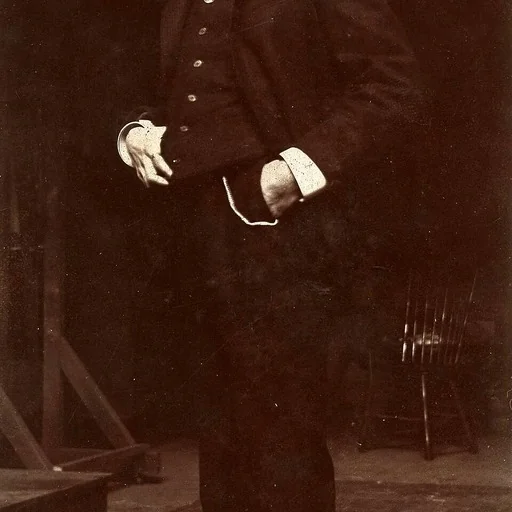
Artist
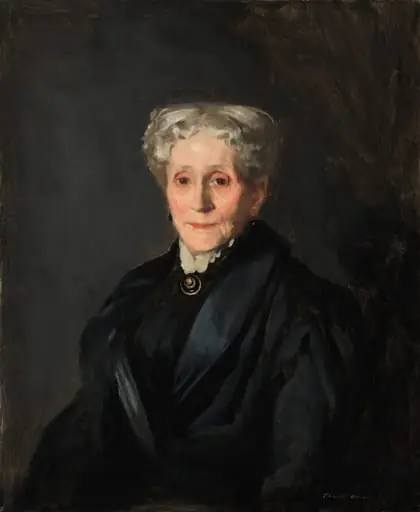
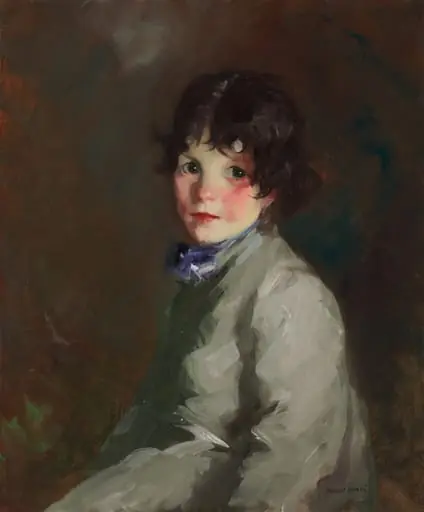
Robert Henri (; June 24, 1865 – July 12, 1929) was an American painter and teacher.