Artwork
Dancer in a Red Skirt, No. 2
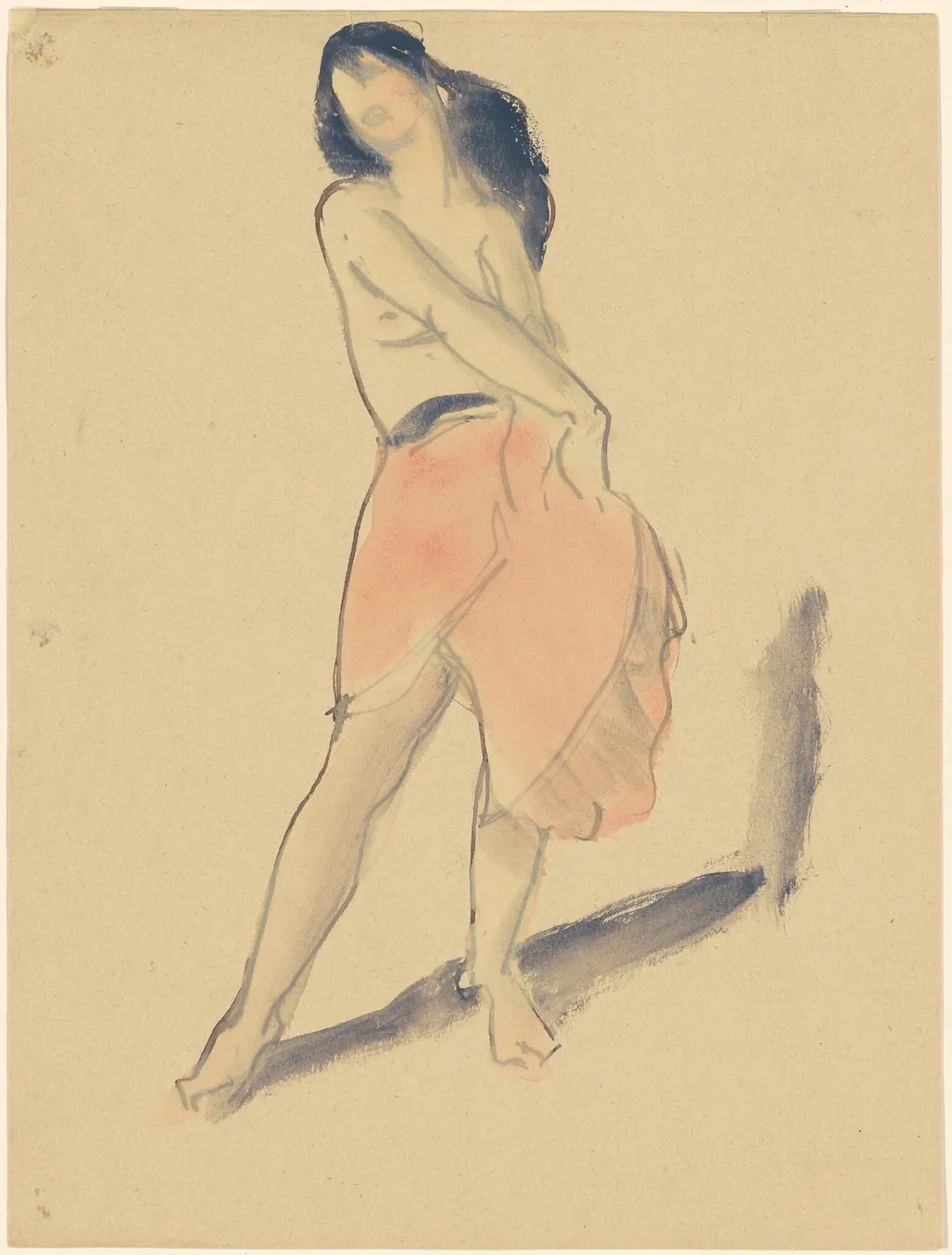
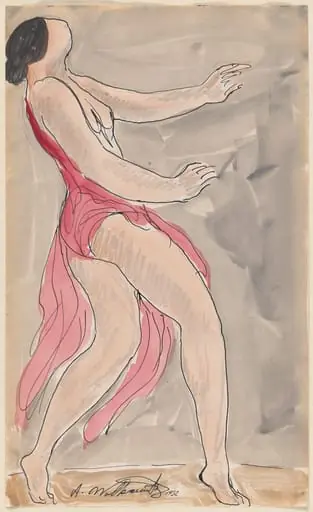
Dancer in a Red Skirt, No. 2 is an ink drawing by Robert Henri. It dates from 1912 and is held in the collection of the National Gallery of Art. Created around 1912, *Dancer in a Red Skirt, No.
About this work
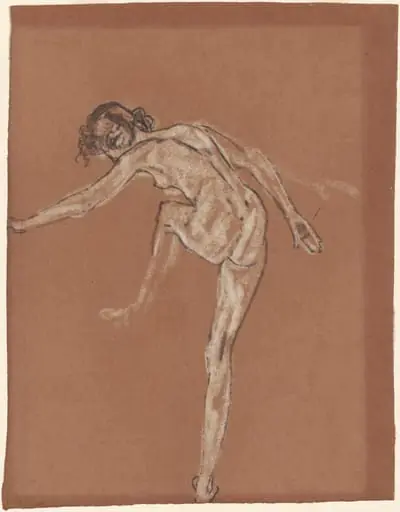
A ballet dancer stands mid-leap, her red skirt flaring like a flame against pale walls.
A ballet dancer stands mid-leap, her red skirt flaring like a flame against pale walls. Robert Henri painted her in 1912 using quick watercolor strokes and ink. The paper shows through in places, leaving the dancer’s legs ghosted.
Henri often sketched dancers this way—fast, lively, not posed. He taught many artists who later made American realism famous. The colors stay bright even where the ink bleeds.
Look up Robert Henri next.
Overview
Created around 1912, *Dancer in a Red Skirt, No. 2* is a drawing by American artist Robert Henri, executed in pen, brown ink, watercolor, and gouache on wove paper. It exemplifies his preference for spontaneous, on-the-spot observation over polished studio work. The piece belongs to a series of dancer studies Henri produced during his time in Paris, capturing movement through rapid, layered techniques that emphasize energy over detail.
Subject & Meaning
The subject is a ballet dancer mid-motion, her red skirt sweeping outward in a dynamic arc. Henri avoids theatrical staging, instead portraying an unposed, transient moment—likely observed during a rehearsal or performance. The figure’s anonymity and lack of narrative context shift focus to the physicality of movement, reflecting Henri’s interest in authentic, everyday experiences over idealized spectacle.
Technique & Style
Henri employed fluid ink lines to define form, overlaying them with loose watercolor washes and opaque gouache for areas of color and contrast. The paper’s texture remains visible in places, particularly along the dancer’s legs, suggesting speed and impermanence. The bleeding of ink into wet pigment enhances the sense of motion, while the bright red skirt anchors the composition against muted backgrounds.
History & Provenance
The drawing was made during Henri’s time in Paris, where he studied and absorbed European modernist practices before returning to the United States. It likely originated from his sketchbook studies of dancers at the Paris Opera or similar venues. Though its early ownership is undocumented, it has remained within the circle of American realist art collections since the early 20th century.
Context
Henri was a central figure in the Ashcan School, which sought to depict urban life with unvarnished honesty. His dancer studies were part of a broader effort to elevate ordinary subjects—performers, street scenes, working-class figures—into serious artistic material. These works countered the academic tradition of idealized historical or mythological themes favored by institutions like the National Academy.
Legacy
Henri’s approach to drawing—emphasizing immediacy, expressive line, and emotional presence—directly influenced a generation of American realists, including George Bellows and Edward Hopper. His dancer sketches, like this one, became models for capturing motion and vitality without reliance on finish or detail, helping redefine the role of sketching in modern American art.
Artist & collection
Artist
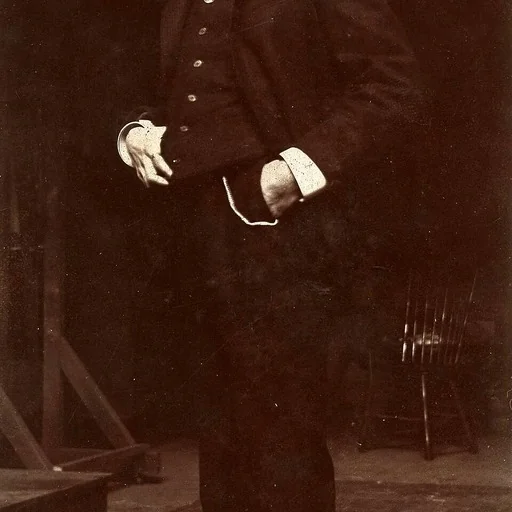
Robert Henri (; June 24, 1865 – July 12, 1929) was an American painter and teacher.