Artwork
Untitled
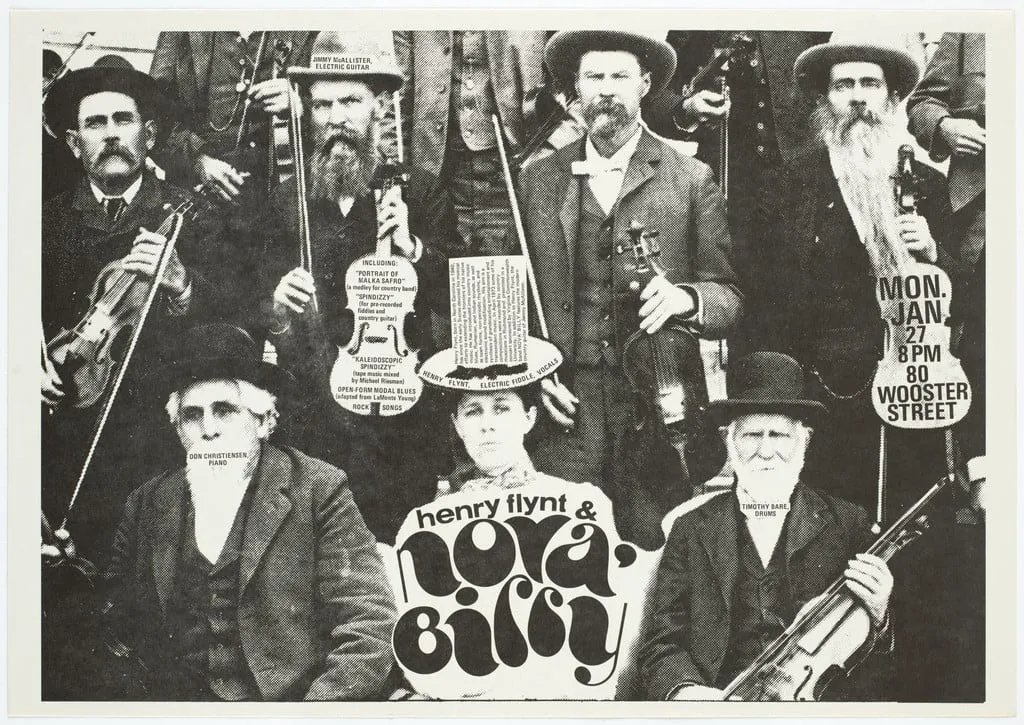
Untitled is an ink print by George Maciunas Henry Flynt. It dates from 1975 and is held in the collection of the Museum of Modern Art. This 1975 offset lithograph, attributed to George Maciunas and Henry Flynt, is a black-and-white poster printed in multiple editions.
About this work
Overview
It was acquired by The Museum of Modern Art and reflects the experimental ethos of its creators, who were active in Fluxus and avant-garde circles.
This 1975 offset lithograph, attributed to George Maciunas and Henry Flynt, is a black-and-white poster printed in multiple editions. It was acquired by The Museum of Modern Art and reflects the experimental ethos of its creators, who were active in Fluxus and avant-garde circles. The work functions as a graphic artifact rather than a traditional fine art print, blending visual composition with textual fragmentation.
Subject & Meaning
The image depicts six bearded men in vintage attire, some holding string instruments, alongside a woman in a top hat holding a sign reading 'oxa...billy.' The incomplete phrase suggests deliberate disruption of meaning. The figures resemble a mock ensemble, evoking early 20th-century musical performances while undermining their legitimacy. The work resists clear narrative, inviting interpretation as satire or conceptual gesture.
Technique & Style
Produced via offset lithography, the print allows for mass reproduction, aligning with Fluxus’s interest in accessibility and anti-elitism. The composition is dense with typography and imagery, arranged without conventional hierarchy. Stark contrasts and clipped text create visual tension. The style merges graphic design with Dadaist collage, prioritizing conceptual disruption over aesthetic polish.
History & Provenance
Created in 1975, the work emerged from the collaborative sphere of Maciunas and Flynt, both key figures in the Fluxus movement. It was likely produced as a promotional item for an experimental performance or event, though no record of the original occasion survives. The Museum of Modern Art acquired it as part of its broader documentation of postwar conceptual and printed art practices.
Context
The piece reflects Fluxus’s engagement with performance, language, and institutional critique. By mimicking the format of a concert poster while obscuring its purpose, it questions the role of art in public space. Its use of obsolete visual codes—vintage suits, orchestral instruments—hints at nostalgia for cultural forms that had lost their coherence, aligning with 1970s postmodern skepticism.
Legacy
As a Fluxus-related print, it contributes to the movement’s legacy of dematerializing art through reproducible formats. Its refusal to resolve meaning influenced later conceptual and post-conceptual practices that embraced ambiguity. The work remains a quiet example of how graphic design could be repurposed as critical commentary, preserving the spirit of artistic experimentation without spectacle.
Artist & collection

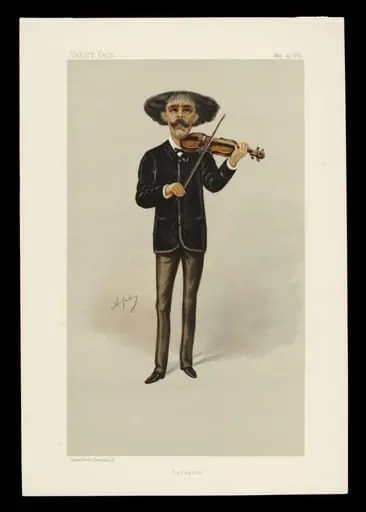
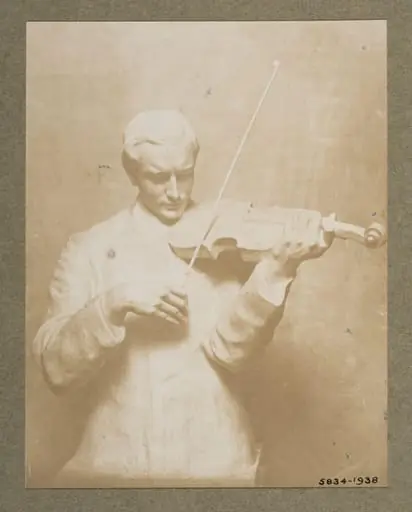 The Violinist
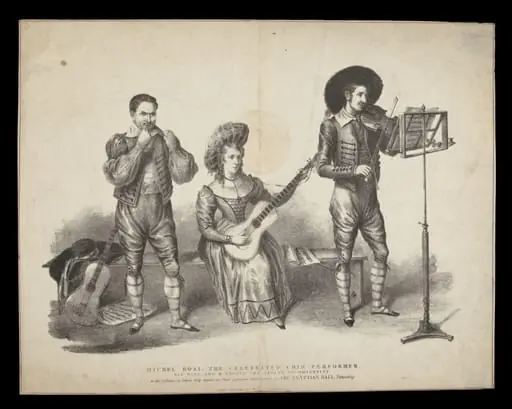 H Beard Print Collection
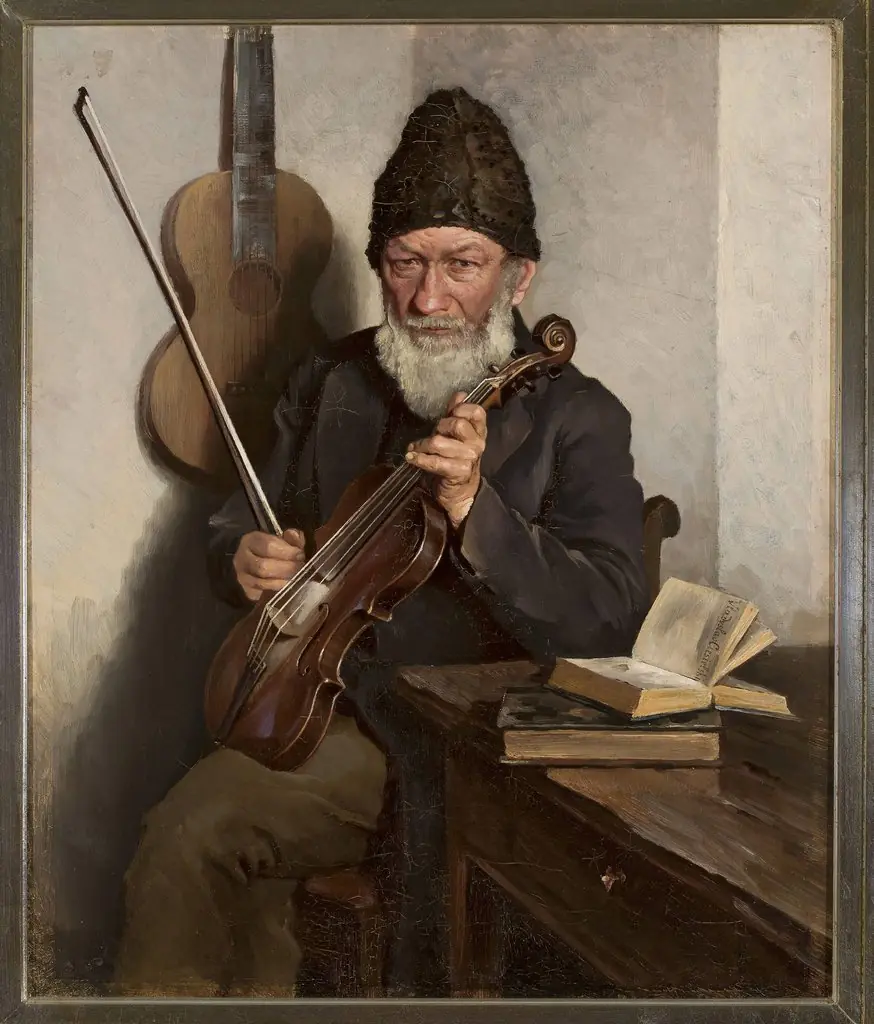 Old man with a fiddle
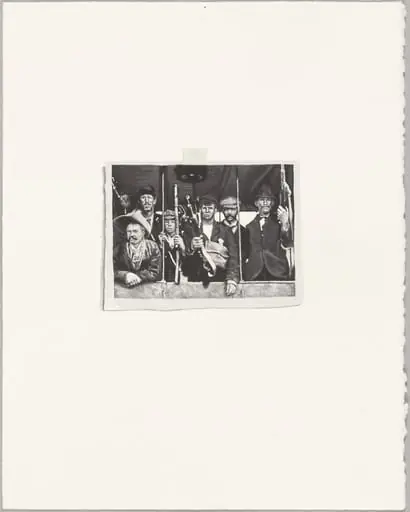 Untitled
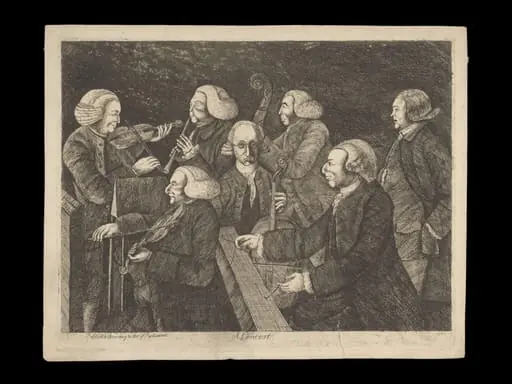 H Beard Print Collection
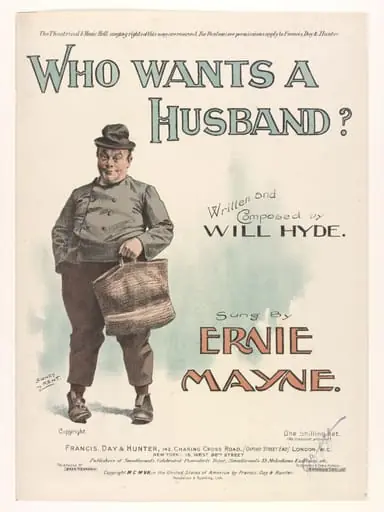 H Beard Print Collection
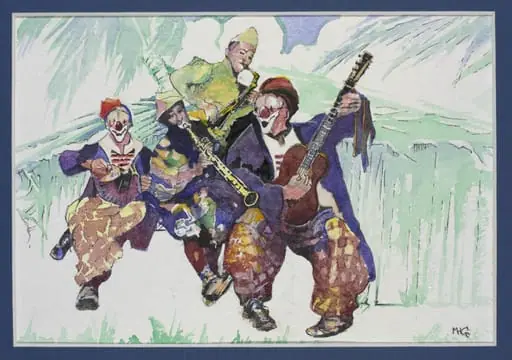 Chocolate & Company, The Rastelli Clowns, appearing as a speciality act in the pantomime Robinson Crusoe, Bristol Hippodrome, 1969.
 H Beard Print Collection
 H Beard Print Collection
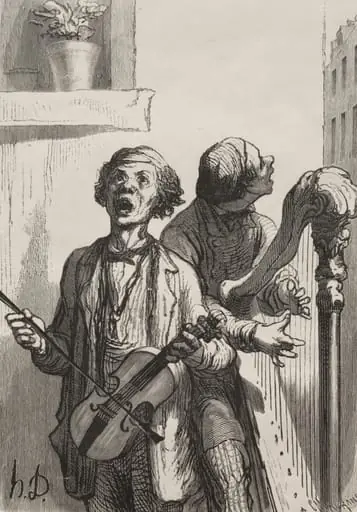 Street Singers
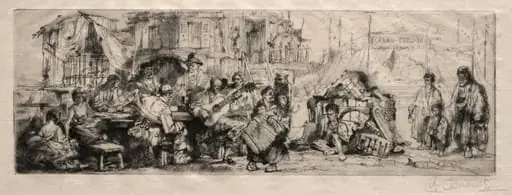 Cirque Ambulant
 H Beard Print Collection