Artwork
Untitled
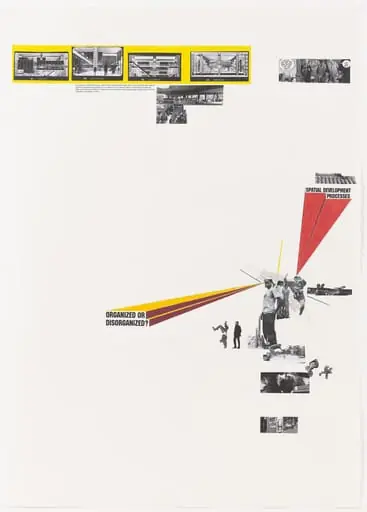
Untitled is a drawing by Henry Flynt. It dates from 1968 and is held in the collection of the Museum of Modern Art.
About this work
If you’re curious about artists who played with everyday materials, check out Henry Flynt.
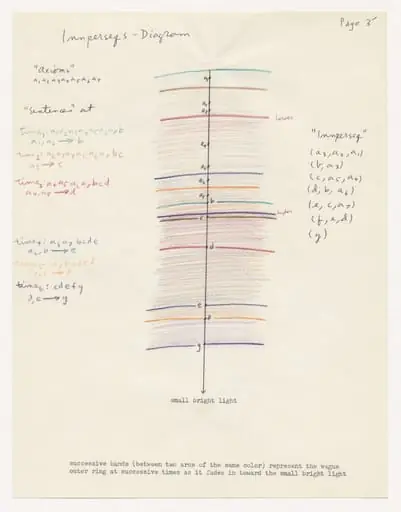
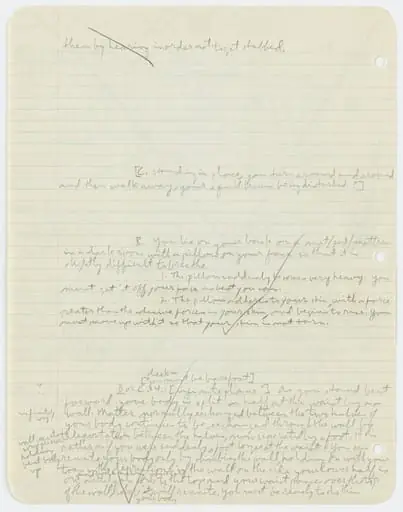
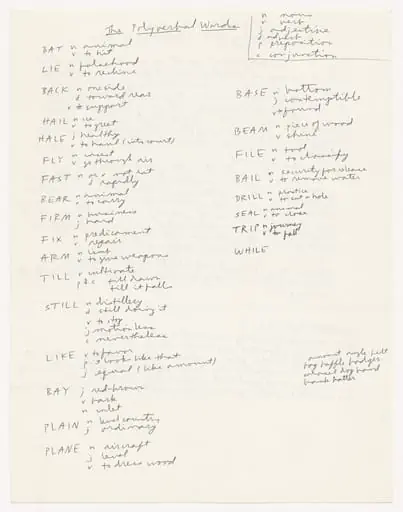
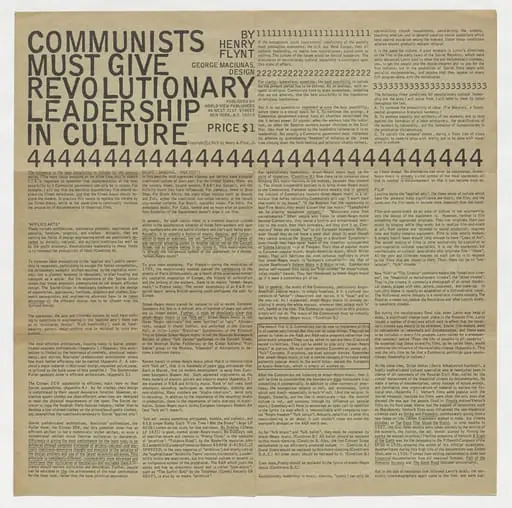
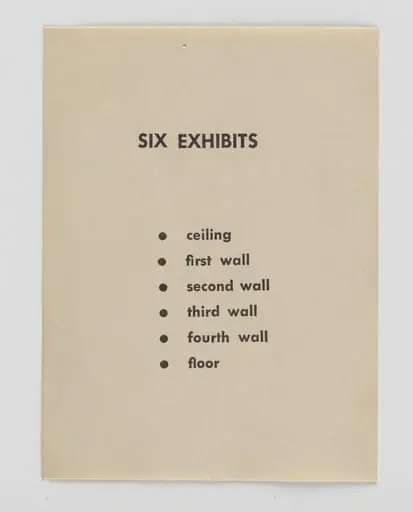
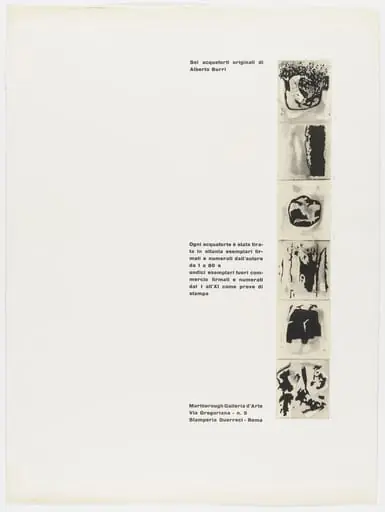
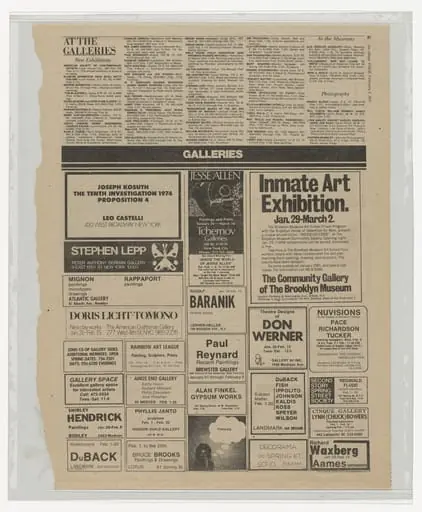
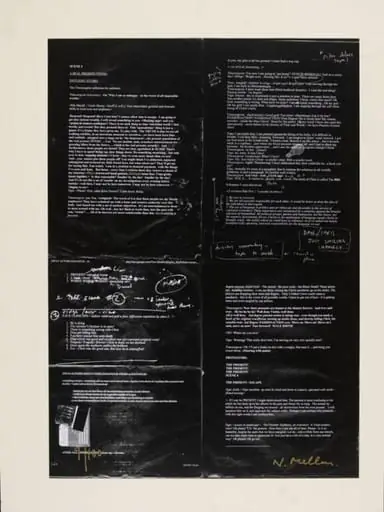
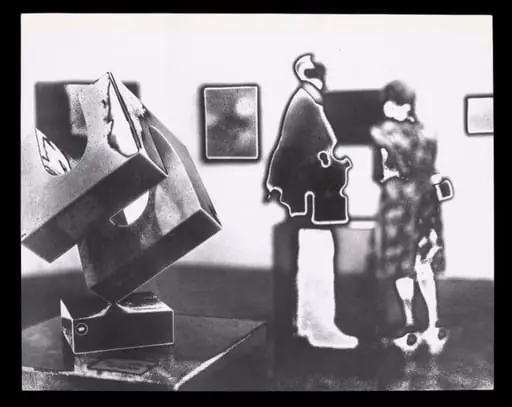
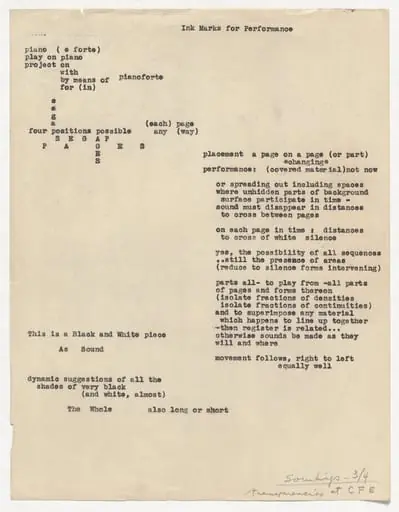
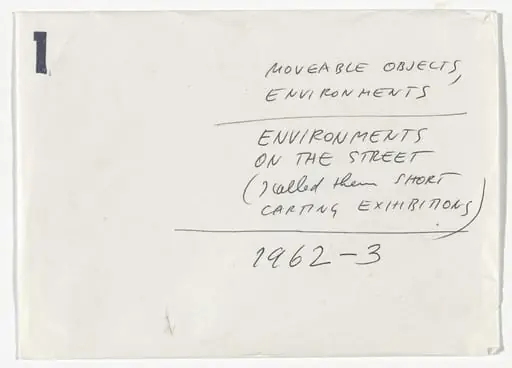
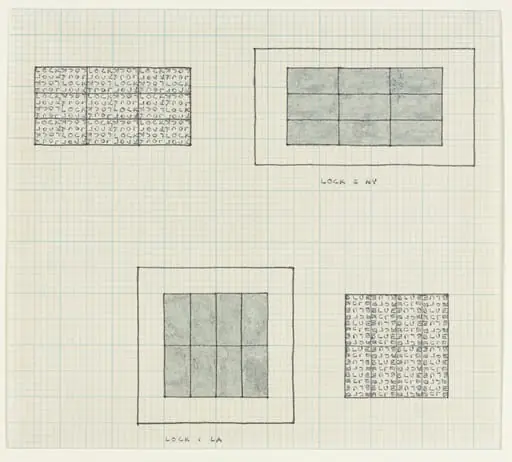
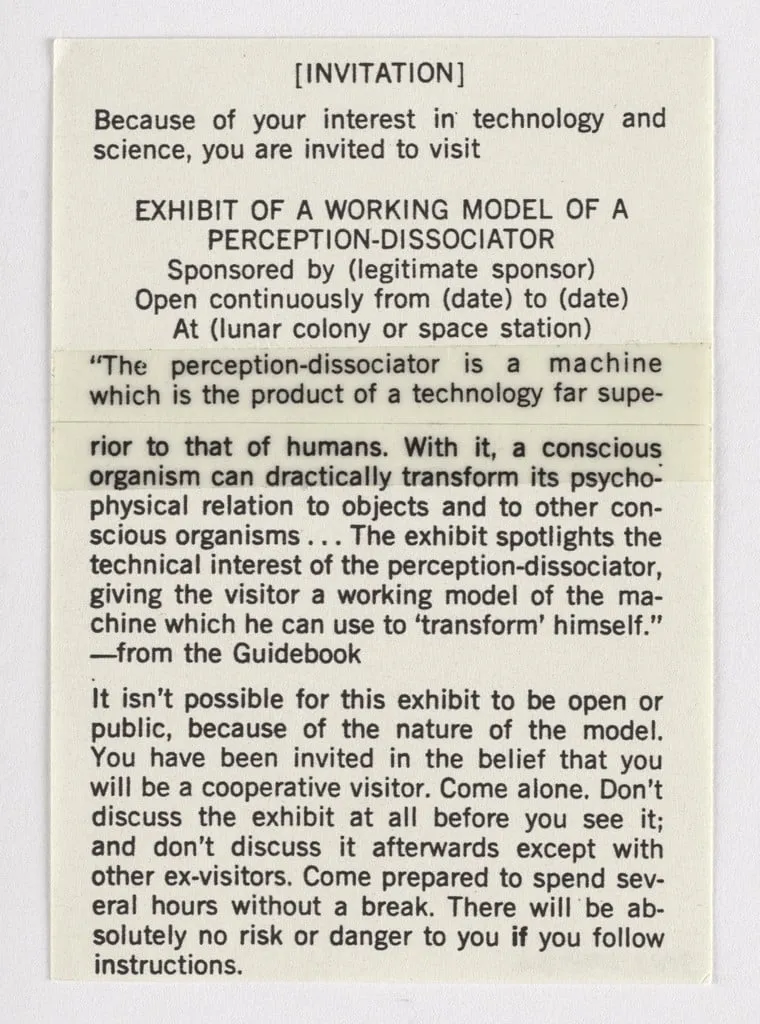
This is just an envelope with three small photocopies inside. The copies look like they’ve been cut and taped together roughly. The edges are uneven, and the paper has a faded, slightly wrinkled look. No colors stand out—just black text and lines on white or light paper.
The artist made this in 1968 by manipulating photocopies, not painting them. It’s simple but feels intentional, like a puzzle piece.
If you’re curious about artists who played with everyday materials, check out Henry Flynt.
Overview
Created in 1968, Untitled by Henry Flynt consists of three photocopies, cut and taped together, placed inside an envelope. The work rejects traditional artistic media, instead using readily available office materials. Its physical form—faded, wrinkled, and unrefined—emphasizes process over polish. The piece is held in the collection of The Museum of Modern Art, where it stands as an early example of conceptual drawing that prioritizes idea over aesthetic finish.
Subject & Meaning
Untitled offers no figurative subject or narrative. Its meaning emerges from its material choices and assembly: the crude cutting and taping suggest a deliberate disruption of conventional presentation. The work invites attention to the act of reproduction and the impermanence of copied images. By enclosing the fragments in an envelope, Flynt frames the piece as something provisional, perhaps a note or draft, challenging assumptions about what constitutes a finished artwork.
Technique & Style
Flynt employed a photocopier to generate the images, then manipulated the output with scissors and tape. The resulting forms are irregular, with uneven edges and visible adhesive marks. The monochrome palette—black ink on light paper—reinforces the work’s utilitarian character. The style is anti-ornamental, favoring immediacy and repetition over composition. This approach aligns with a broader interest in dematerialized art practices emerging in the late 1960s.
History & Provenance
Made in 1968, Untitled was acquired by The Museum of Modern Art as part of its growing interest in conceptual and non-traditional works. Its preservation in its original envelope reflects an effort to maintain the artist’s intended presentation. The work’s modest materials and unassuming appearance initially resisted classification, but its inclusion in the museum’s collection signals its recognition as a significant gesture within the conceptual art movement of the period.
Context
In the late 1960s, artists across Europe and the U.S. began questioning the commodity status of art and the authority of the gallery system. Flynt’s use of photocopies and envelopes aligned with this shift, echoing practices by figures like Sol LeWitt and Joseph Kosuth. His work engaged with ideas of reproduction, bureaucracy, and the banality of institutional documentation, positioning art as a conceptual act rather than a crafted object.
Legacy
Untitled contributes to a broader redefinition of drawing as an idea rather than a technique. Its persistence in museum collections underscores its role in expanding the boundaries of what art can be. While unassuming in appearance, it remains a reference point for artists exploring the intersection of language, reproduction, and materiality. Flynt’s work continues to inform discussions around ephemerality and the dematerialization of the art object.
Artist & collection