Artwork
Die Sünde, vom Tode verfolgt
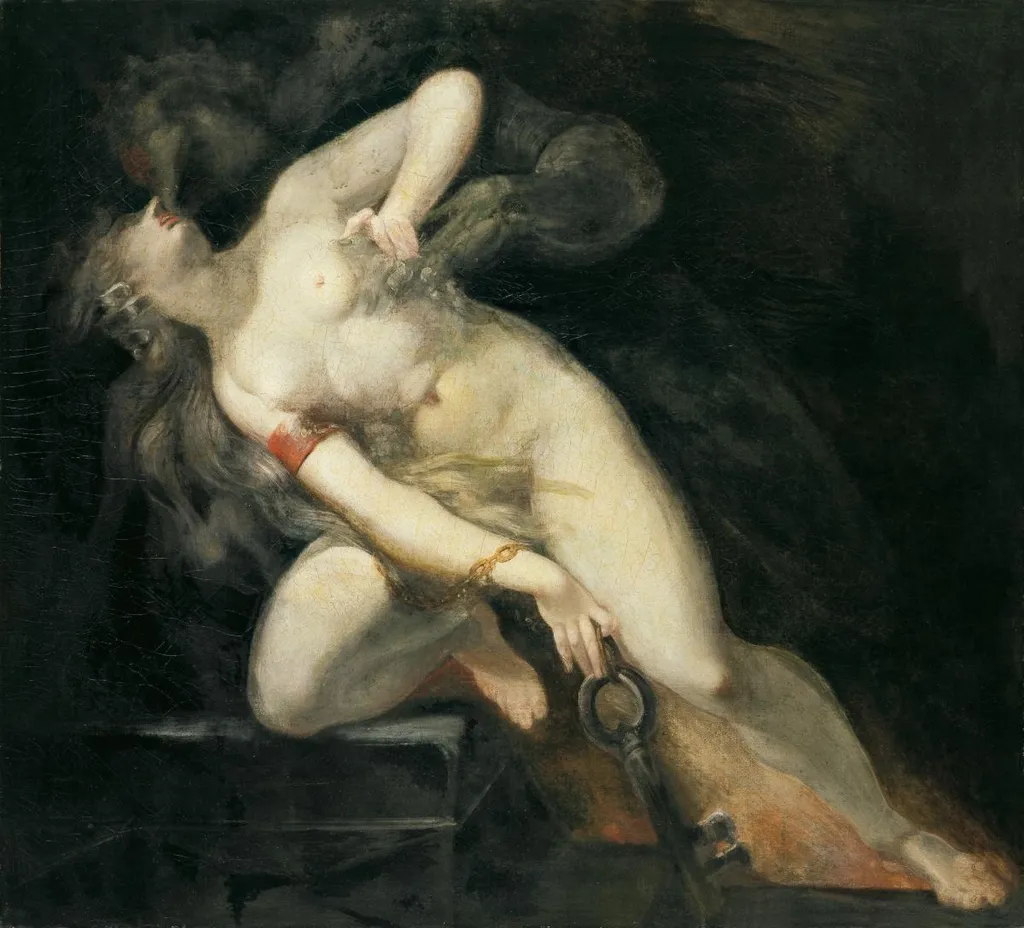
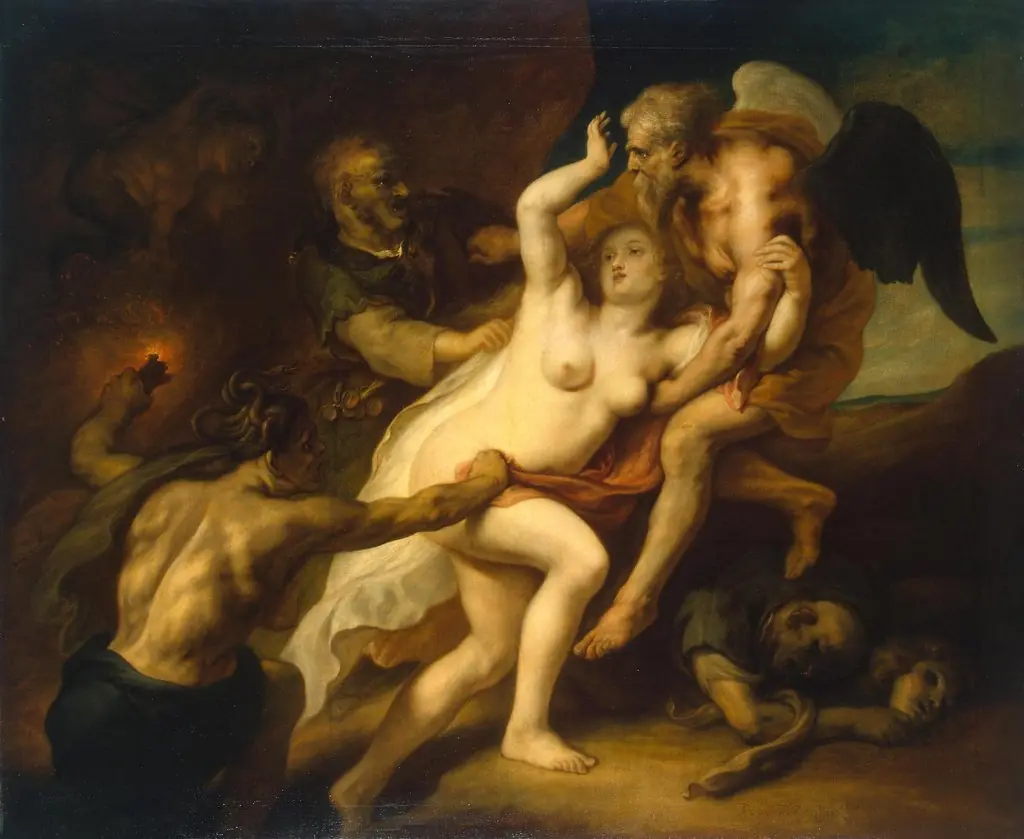
Die Sünde, vom Tode verfolgt is an oil painting by the British Romanticist artist Henry Fuseli. It dates from 1798 and is held in the collection of the Kunsthaus Zürich.
About this work
Overview
The composition is dominated by stark contrasts and a claustrophobic atmosphere, characteristic of Fuseli’s interest in psychological and moral extremes.
Henry Fuseli completed this oil painting in 1798, titled Die Sünde, vom Tode verfolgt. It resides in the collection of the Kunsthaus Zürich. The work presents a solitary female figure in a moment of intense physical and emotional strain, rendered with heightened theatricality. The composition is dominated by stark contrasts and a claustrophobic atmosphere, characteristic of Fuseli’s interest in psychological and moral extremes.
Subject & Meaning
The figure represents Sin, pursued by Death, as suggested by the title. Bound by chains and caught mid-motion, she embodies the torment of moral transgression. Her contorted posture and anguished expression convey inner turmoil rather than physical injury. The absence of narrative context invites interpretation as an allegory of guilt, where the soul is trapped by its own transgressions, pursued by an unseen, inevitable force.
Technique & Style
Fuseli employs chiaroscuro to amplify the drama, isolating the figure against a near-black background with minimal ambient light. Bold, expressive brushwork defines the musculature and tension in her limbs, while the chains are rendered with sharp precision. The palette is restrained—dominated by pale flesh tones against deep shadows—enhancing the sense of isolation and psychological weight without relying on coloristic flourish.
History & Provenance
Painted in 1798, the work entered the Kunsthaus Zürich’s collection in the 19th century, likely through acquisition or bequest. Its provenance remains largely unbroken since its creation, with no record of public exhibition beyond institutional holdings. Fuseli produced several variations on moral and supernatural themes during this period, and this piece aligns with his broader exploration of human vulnerability under spiritual duress.
Context
Created during the late Enlightenment and early Romantic era, the painting reflects a cultural fascination with inner conflict, moral anxiety, and the sublime. Fuseli, influenced by Milton and Gothic literature, moved away from classical restraint toward emotional intensity. This work resonates with contemporaneous interest in allegory as a vehicle for psychological and ethical inquiry, particularly in Swiss and German-speaking artistic circles.
Legacy
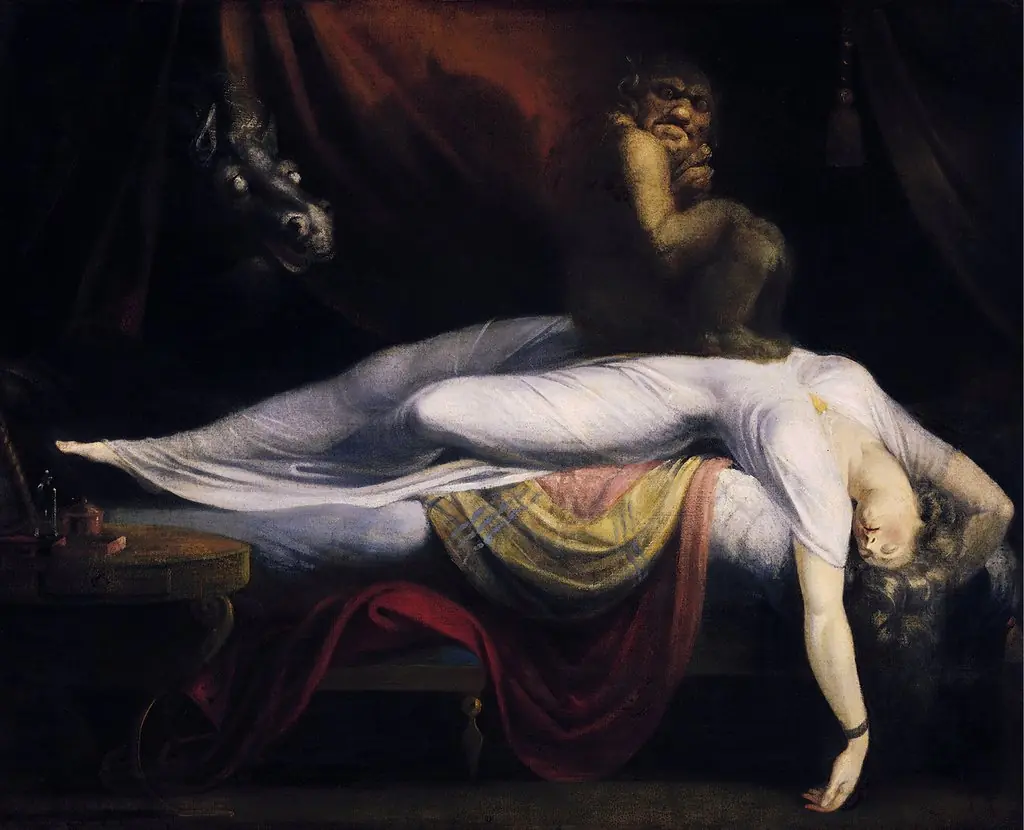
Though less widely known than Fuseli’s The Nightmare, this painting exemplifies his consistent engagement with themes of sin, punishment, and the unseen forces shaping human fate. It influenced later Symbolist artists drawn to psychological allegory and dramatic lighting. Its endurance in Zürich’s collection underscores its role as a quiet but potent example of Romantic-era moral painting.
Artist & collection
Artist
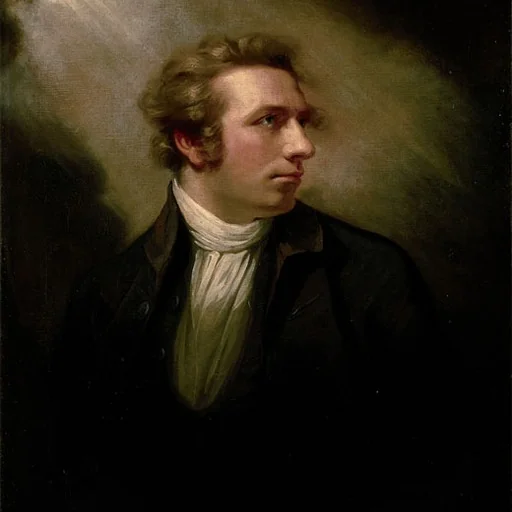
Henry Fuseli was a Swiss painter, draughtsman, and writer on art who spent much of his career in Britain.

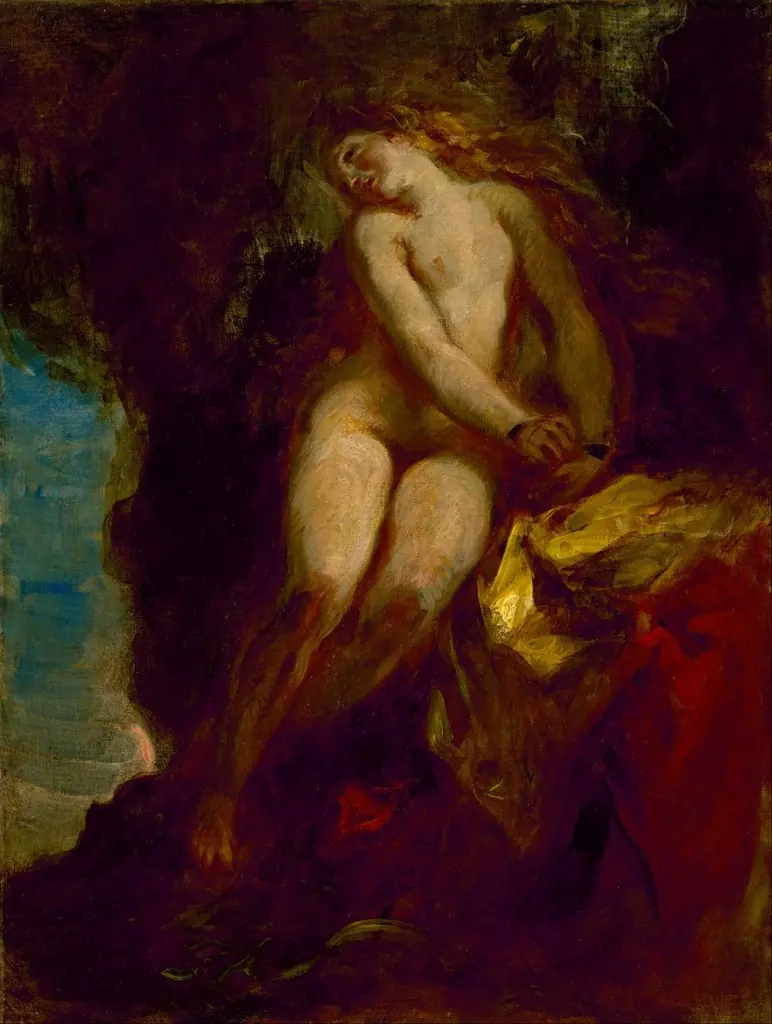 Andromeda
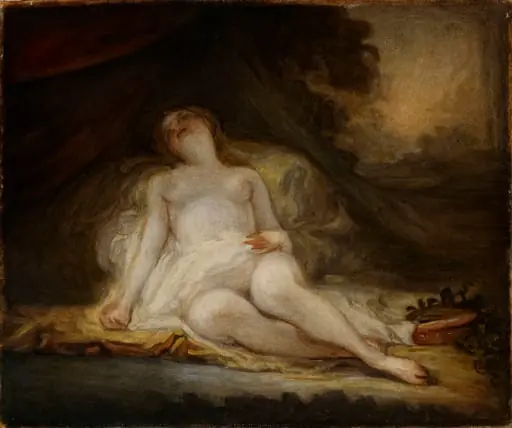 Nukkuva bakkantti, kopio Fragonardin mukaan
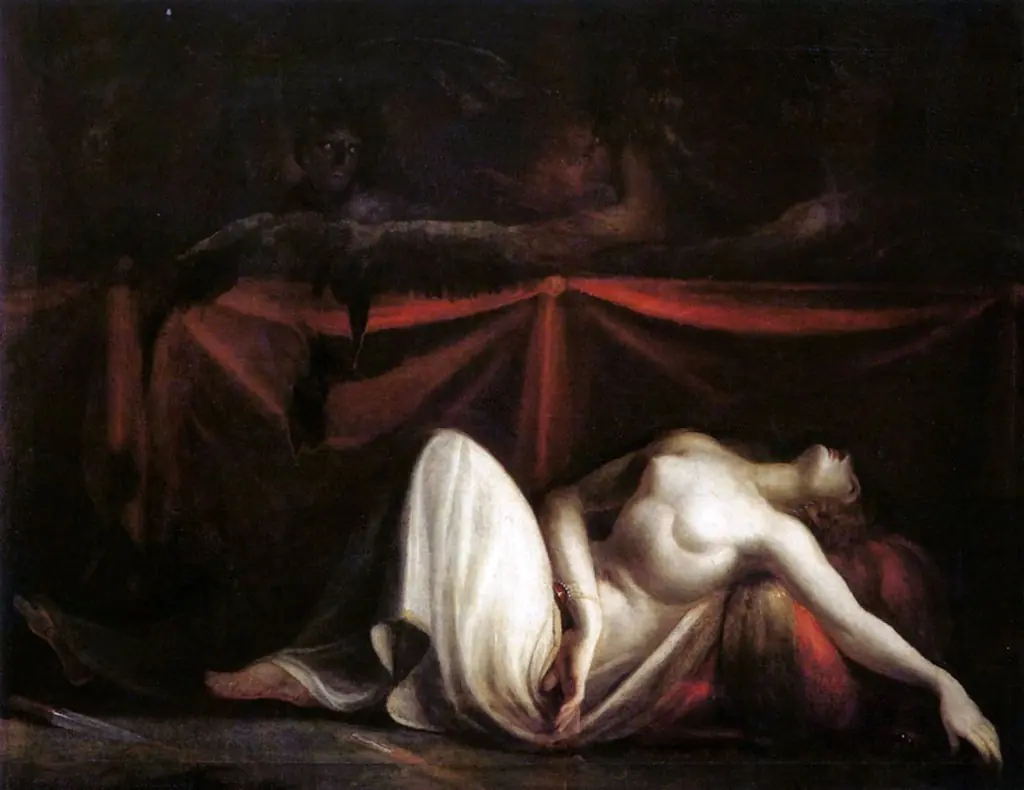 The Erinyes Drive Alcmaeon from the Corpse of his Mother, Eriphyle, Whom He Has Killed.
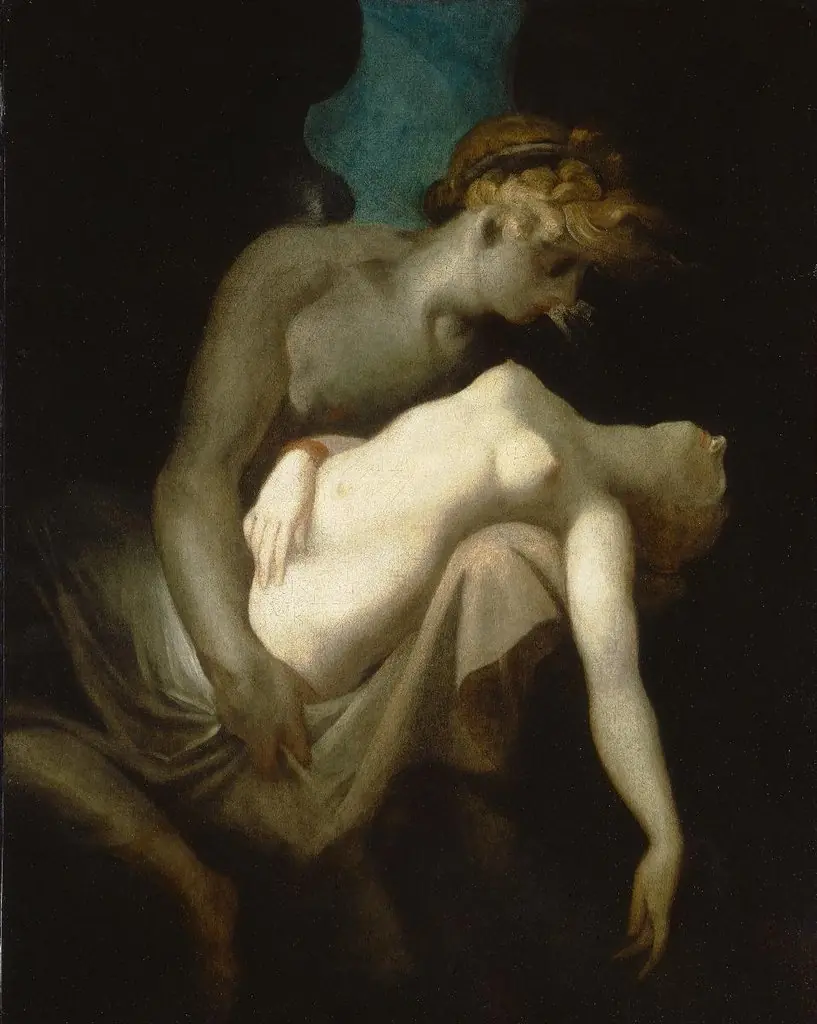 Amor und Psyche
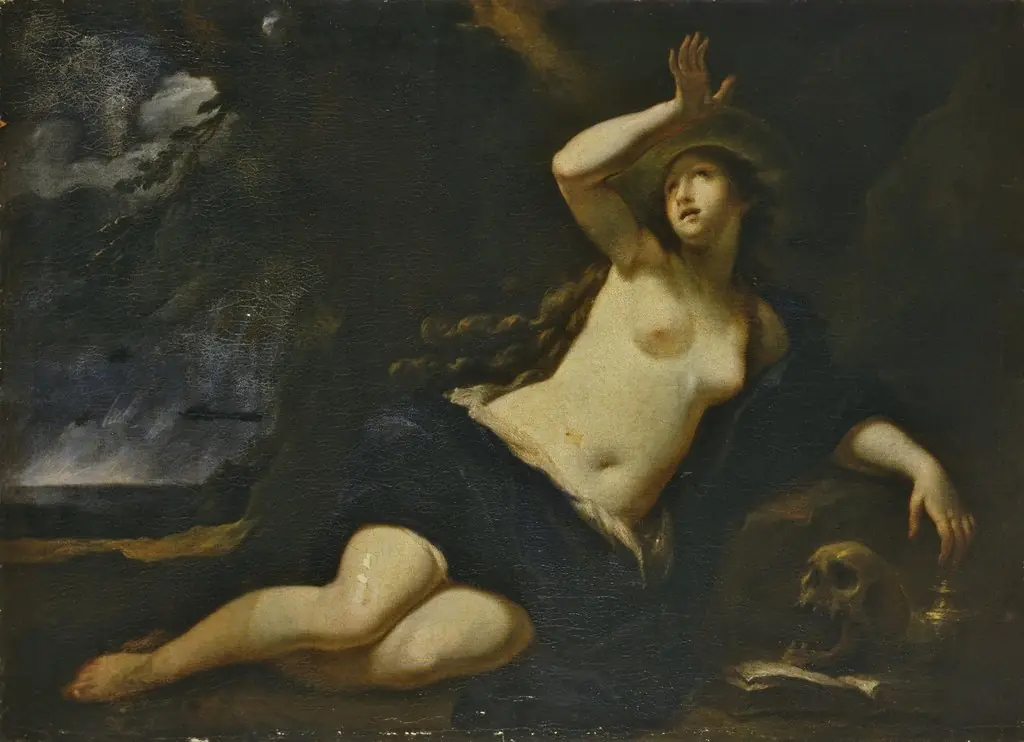 Mary Magdalene
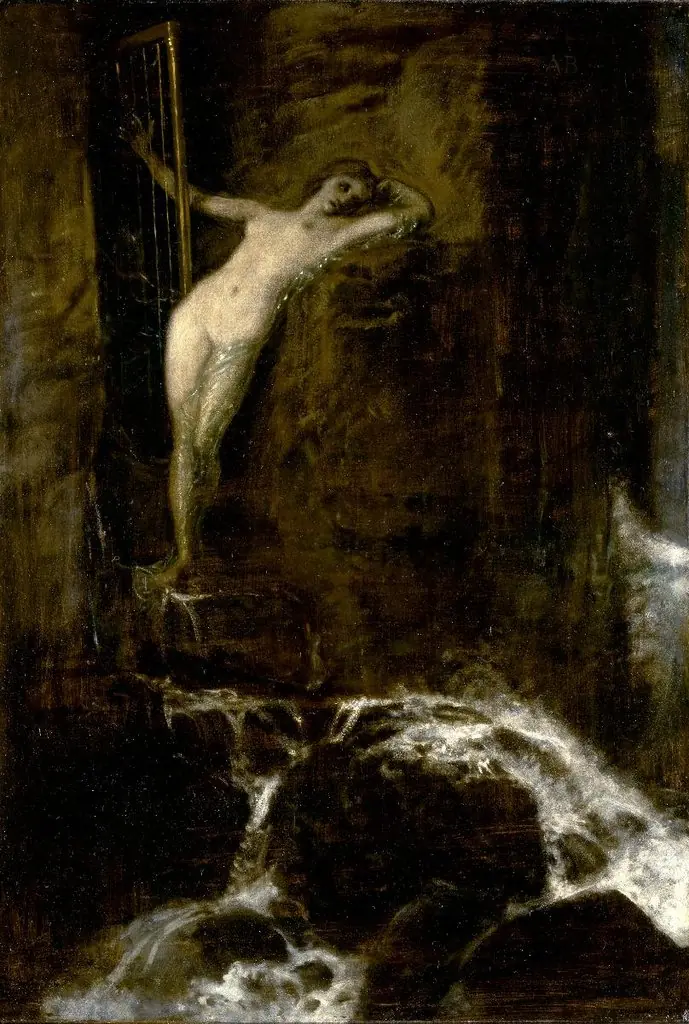 Die Meeresbrandung
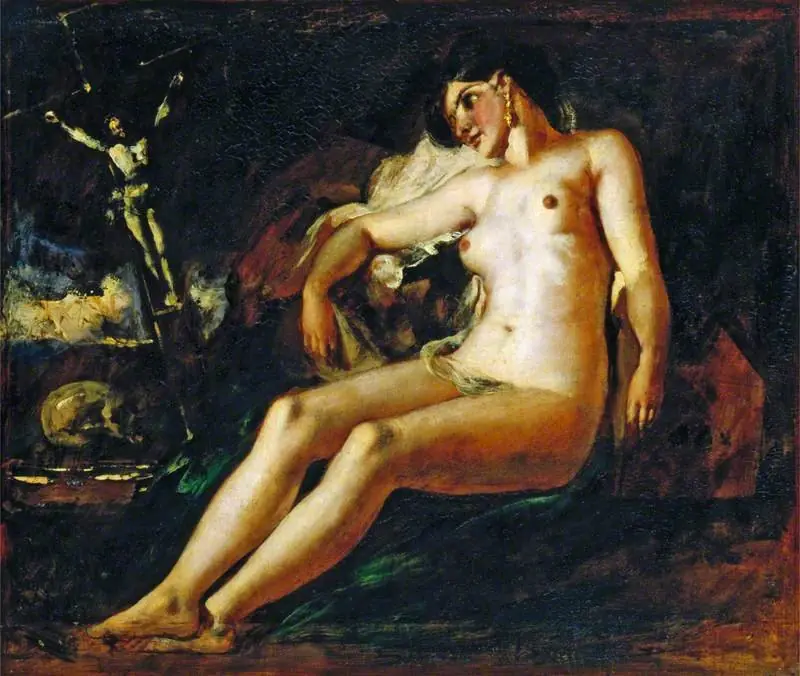 Study of a Magdalen
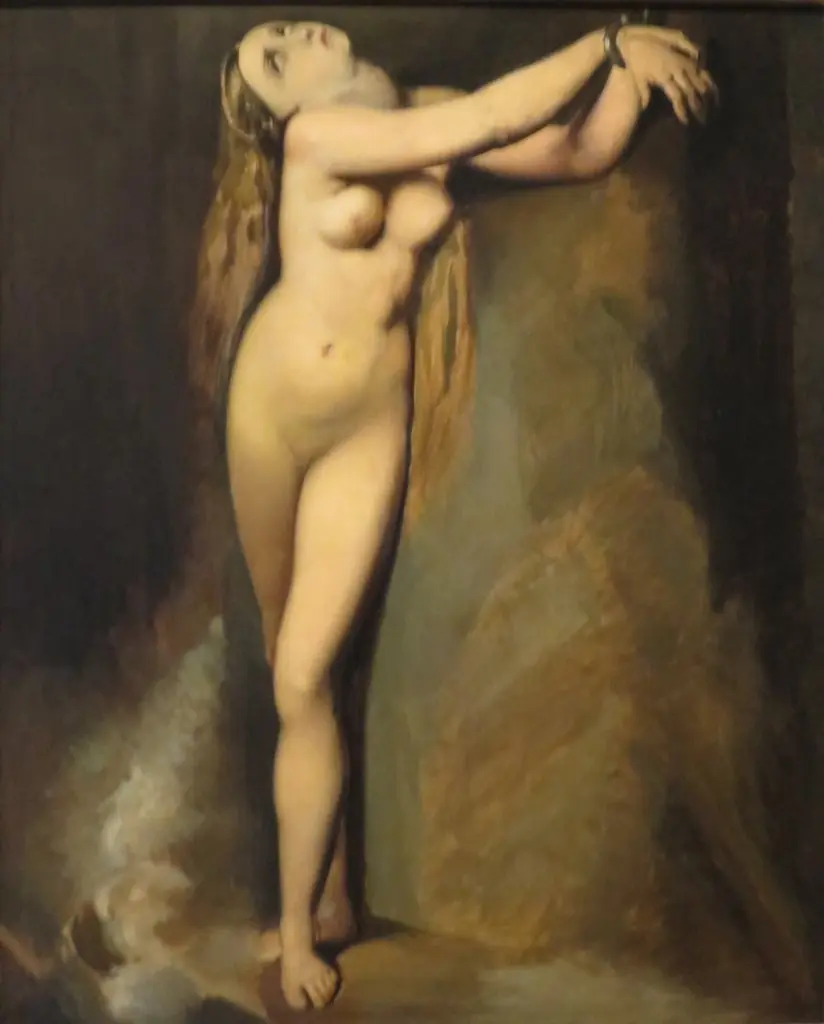 Angelica
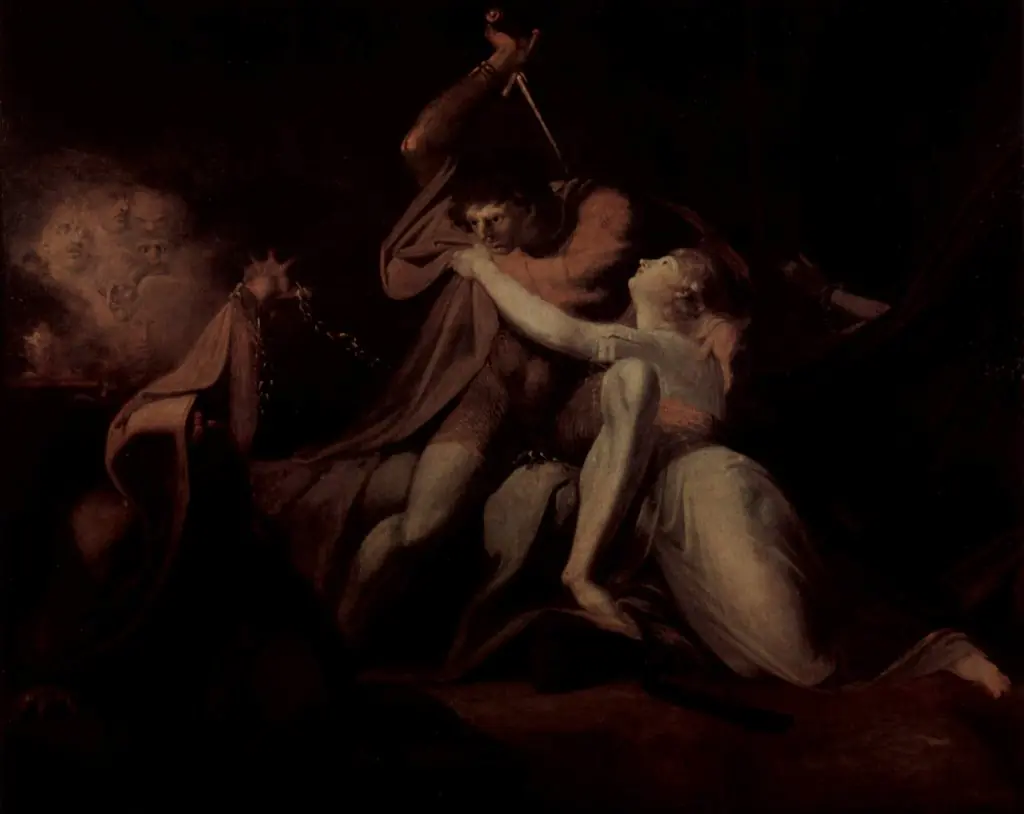 Parcival befreit Belisane von den Zaubereien des Urma
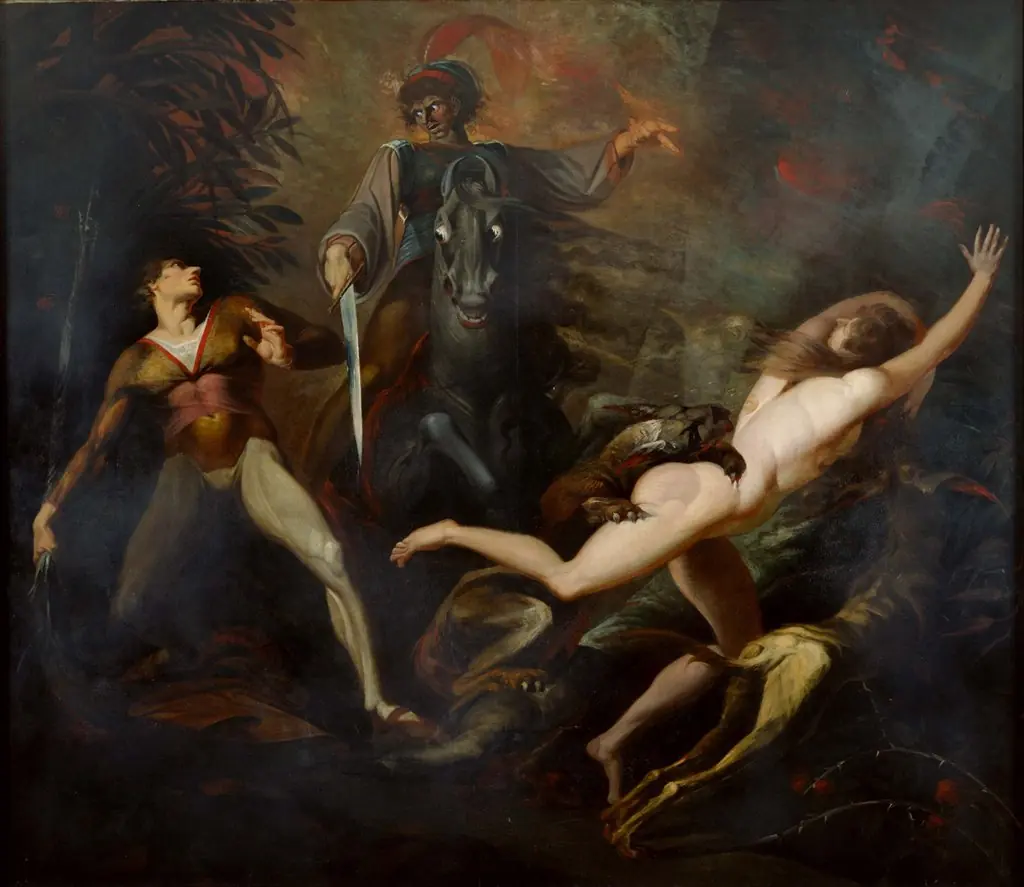 Theodore Meets in the Wood the Spectre of His Ancestor Guido Cavalcanti
 Time Reveals the Truth. The Allegory