Artwork
John Gore (copy after John Trumbull)
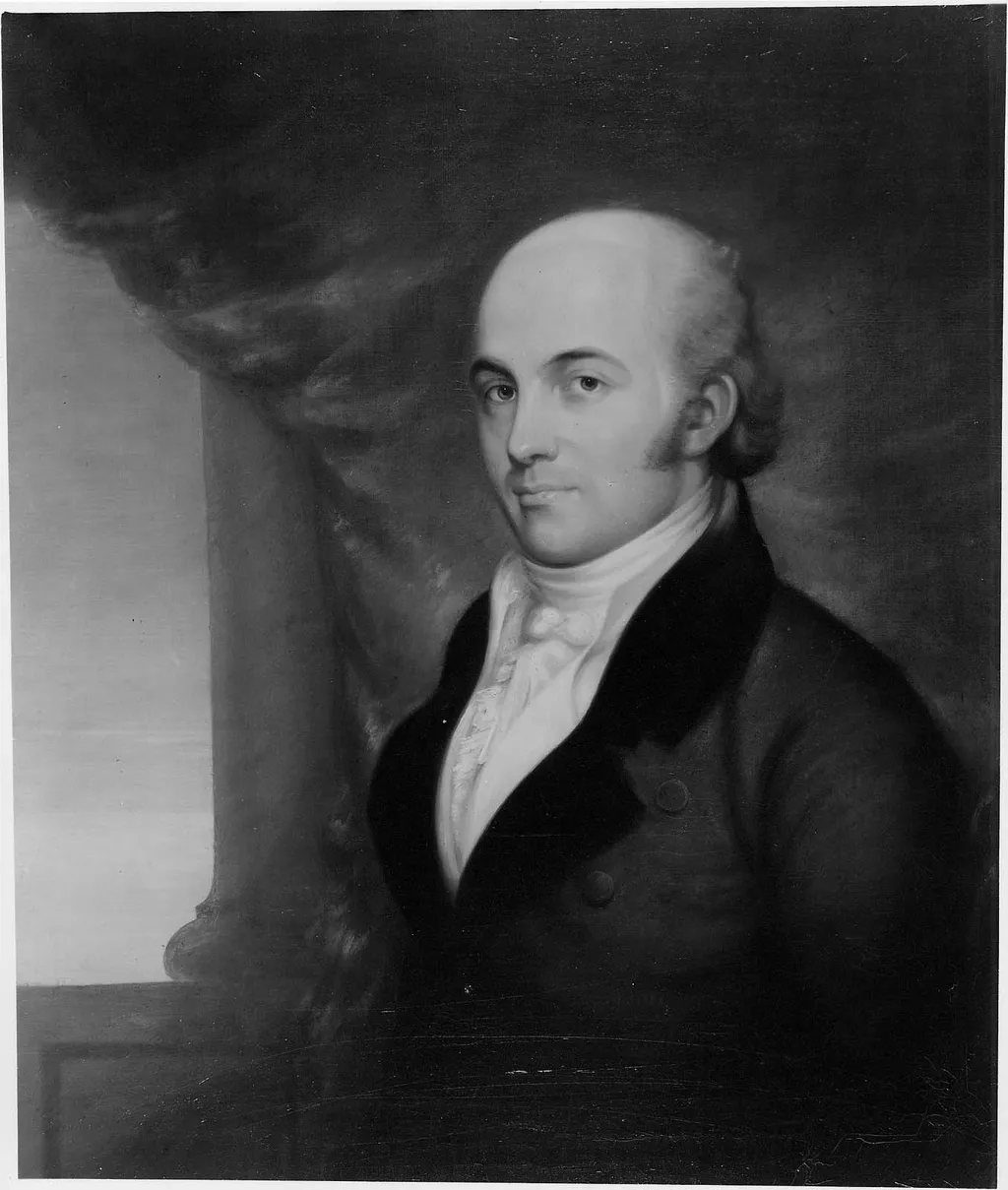
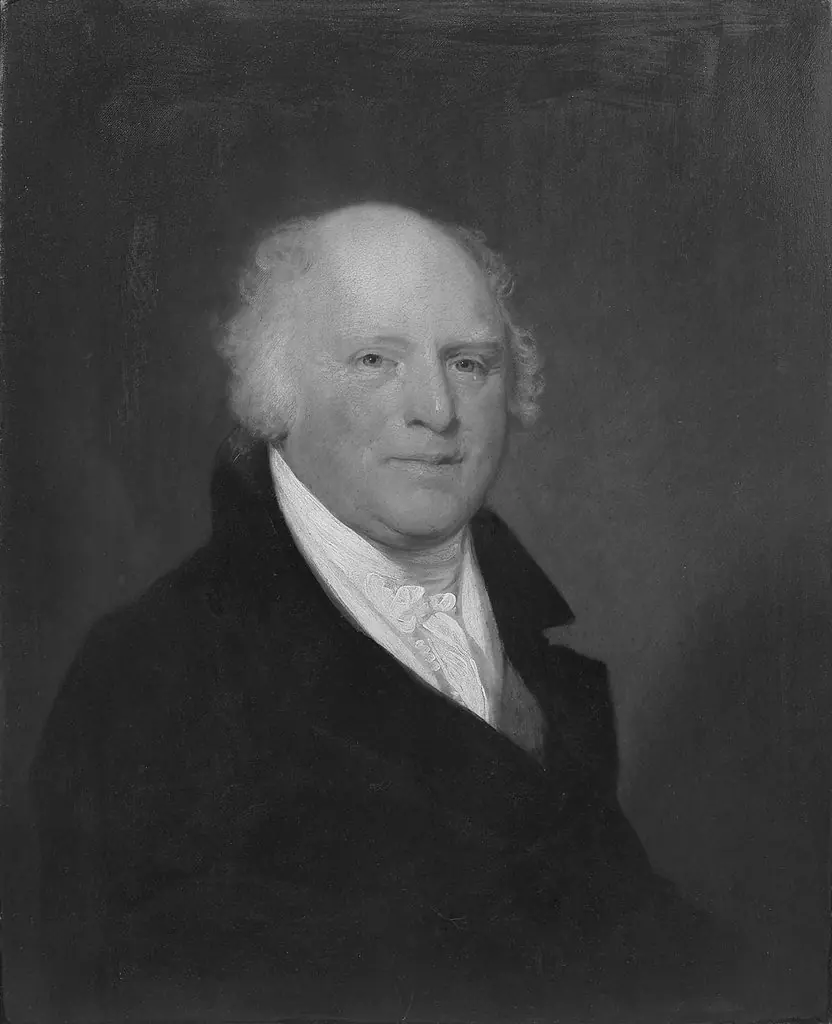
John Gore (copy after John Trumbull) is an oil painting by Henry Greenough. It dates from 1855 and is held in the collection of the Museum of Fine Arts Boston.
About this work
Overview
This oil painting, created around 1855 by Henry Greenough, is a reproduction of an earlier portrait by John Trumbull.
This oil painting, created around 1855 by Henry Greenough, is a reproduction of an earlier portrait by John Trumbull. It depicts John Gore, a figure of historical note, rendered with restrained precision. The work resides in the collection of the Museum of Fine Arts, Boston, and reflects mid-19th-century American interest in preserving the likenesses of prominent individuals through faithful replication of established portraits.
Subject & Meaning
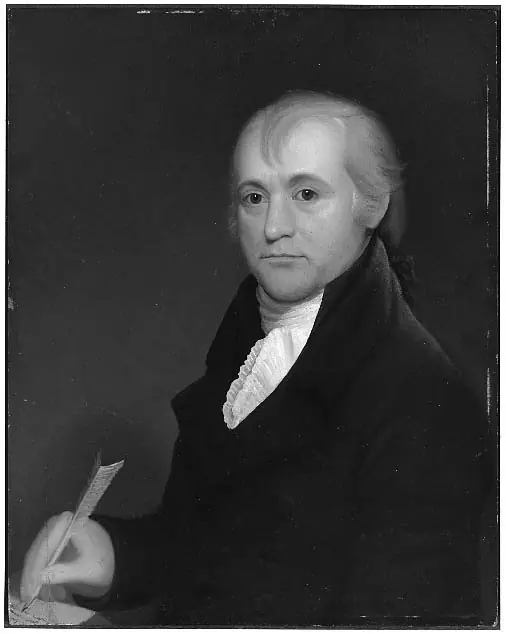
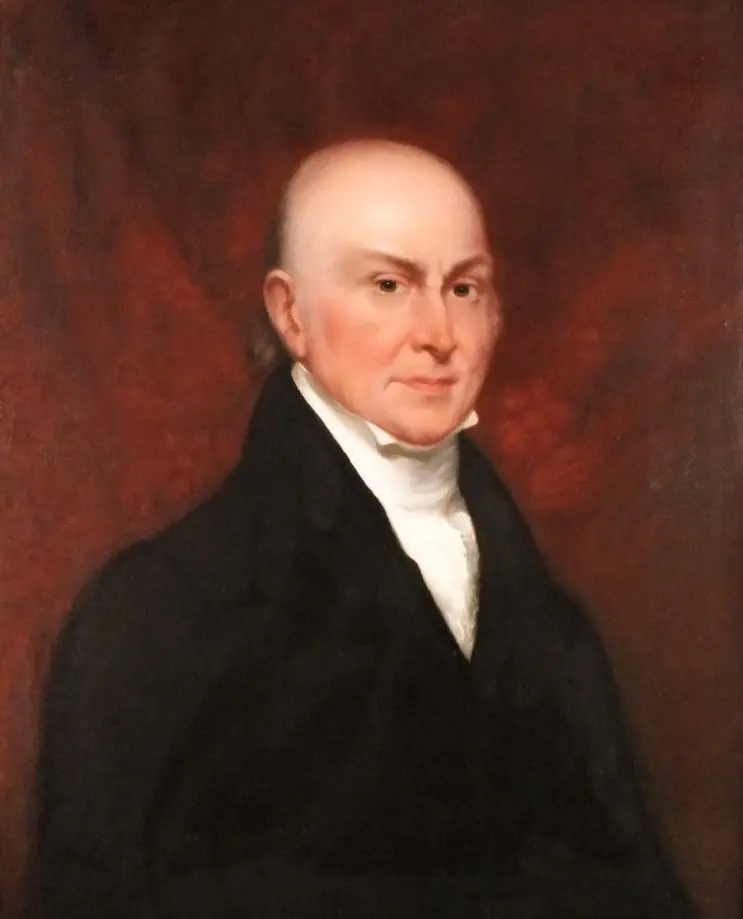
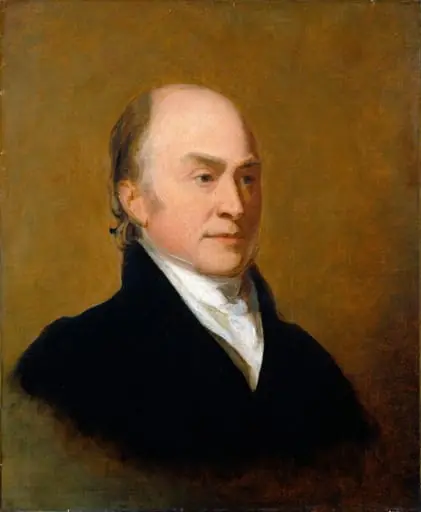
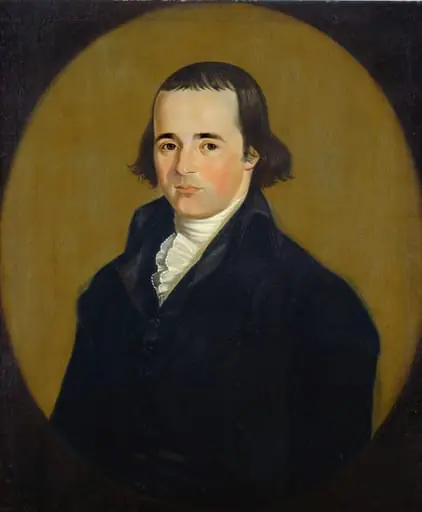
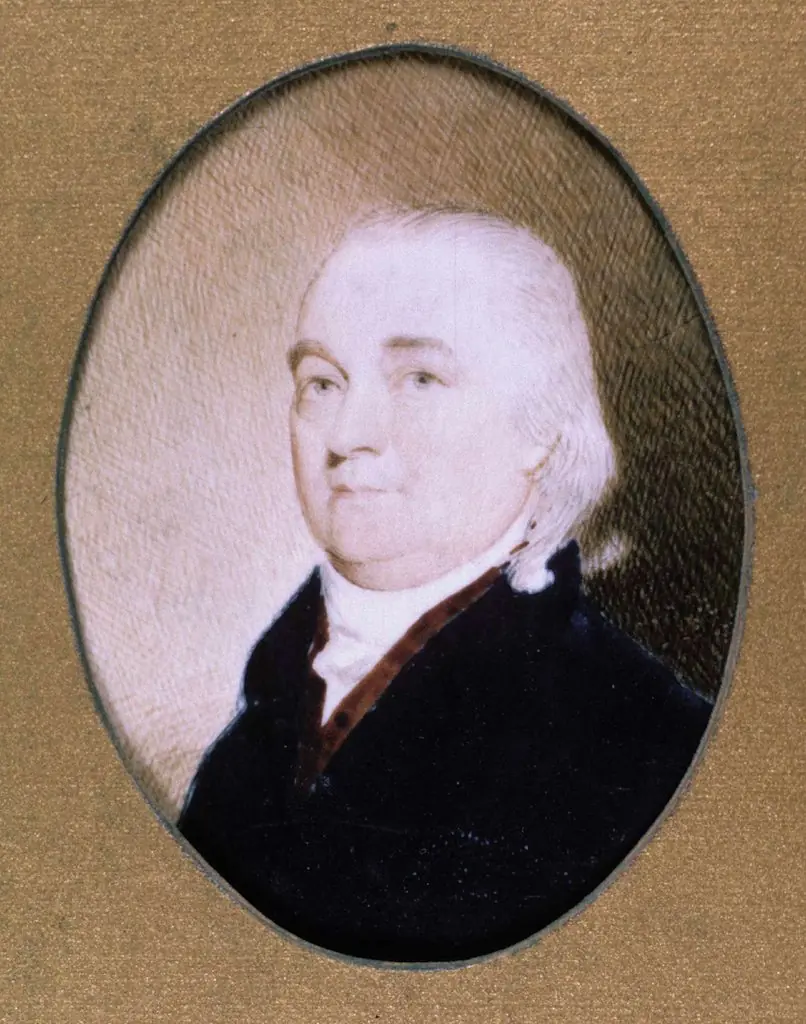
John Gore, the subject, is portrayed with solemn composure, his direct gaze inviting quiet engagement. His balding head and sparse side hair suggest age and dignity, while his dark jacket and high-collared shirt convey formality. The absence of symbolic objects or elaborate setting focuses attention on his presence, emphasizing character over status, aligning with a tradition of portraiture that valued introspection and restraint.
Technique & Style
Greenough employed oil paint with careful attention to tonal contrast, using chiaroscuro to model the face and define the contours of the figure against a dark, uneven background. The left side of the composition subtly brightens, guiding the eye toward the subject’s features. Brushwork is controlled and unobtrusive, favoring clarity and structure over decorative flourish, resulting in a quiet, dignified aesthetic.
History & Provenance
The painting was produced in the mid-1850s as a copy of Trumbull’s original portrait of Gore. Greenough, known for his sculptural work, occasionally turned to painting, often engaging with historical subjects. The work entered the Museum of Fine Arts, Boston’s collection through documented acquisition, preserving its lineage as a derivative yet historically significant representation of an early American figure.
Context
In the mid-19th century, American artists frequently reproduced portraits of notable individuals to circulate their images beyond original commissions. Greenough’s version reflects this practice, rooted in a cultural desire to memorialize civic leaders. The subdued palette and direct composition echo earlier Federal-era portraiture, bridging 18th-century ideals with 19th-century preservation efforts.
Legacy
Though not an original composition, Greenough’s copy contributes to the historical record of John Gore’s visual representation. It exemplifies the role of replication in shaping public memory and underscores the technical discipline required to faithfully translate another artist’s vision. The painting remains a quiet testament to the transmission of likeness across generations.
Artist & collection