Artwork
James A. Buchanan
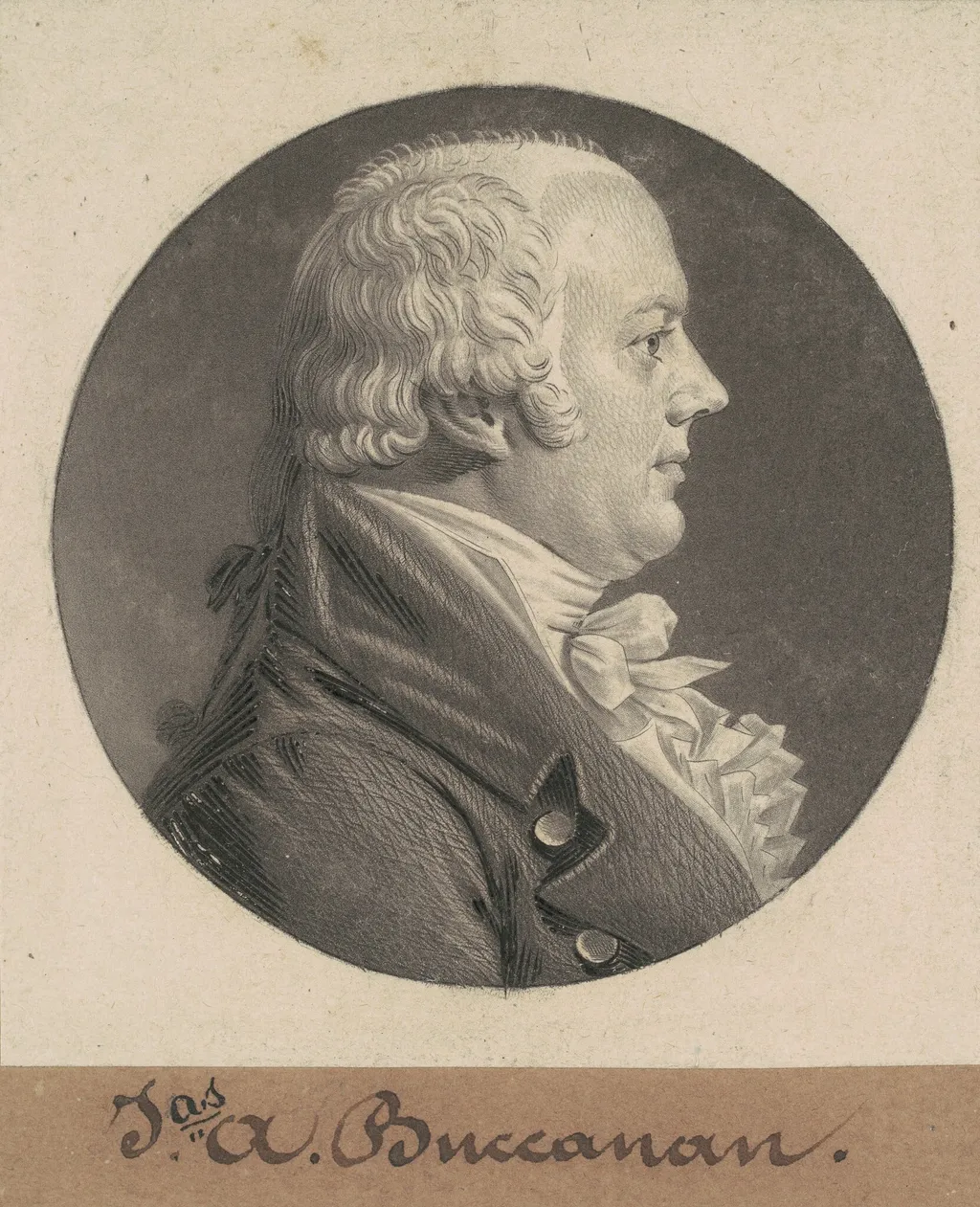
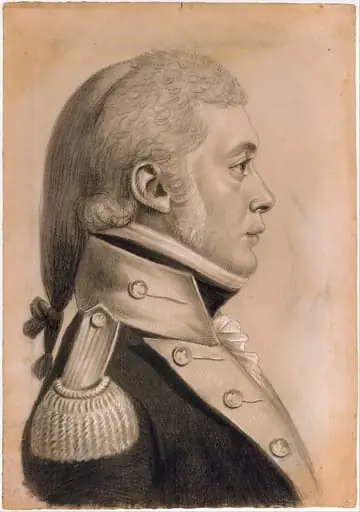
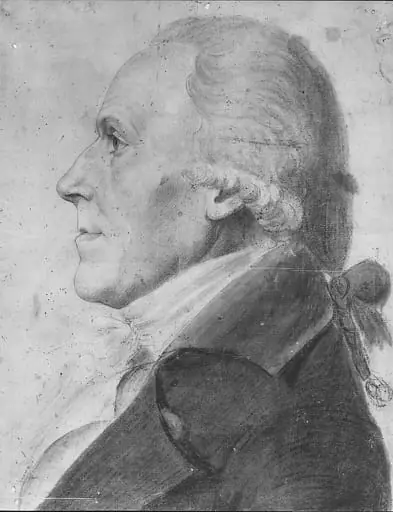
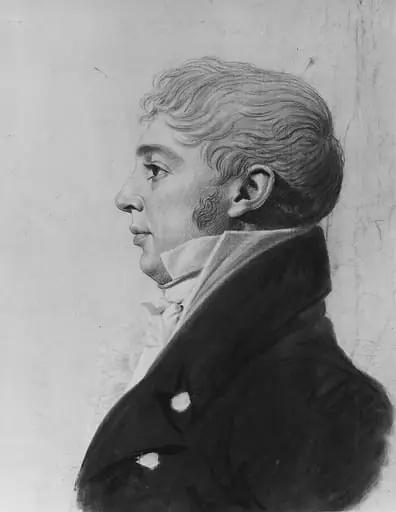
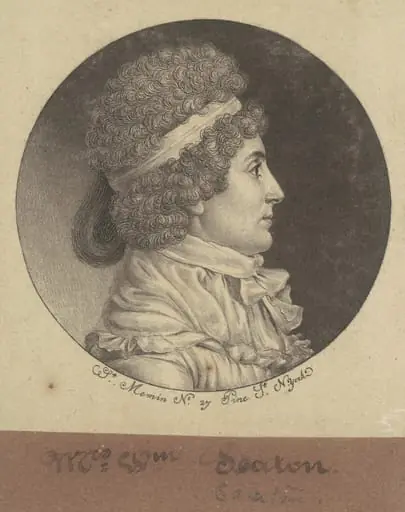
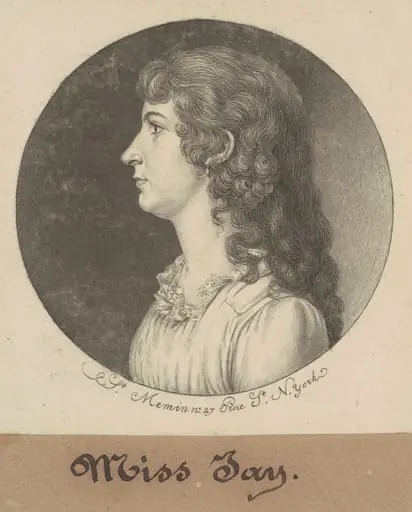
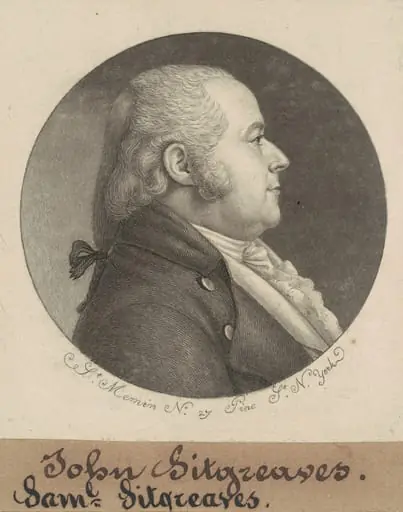
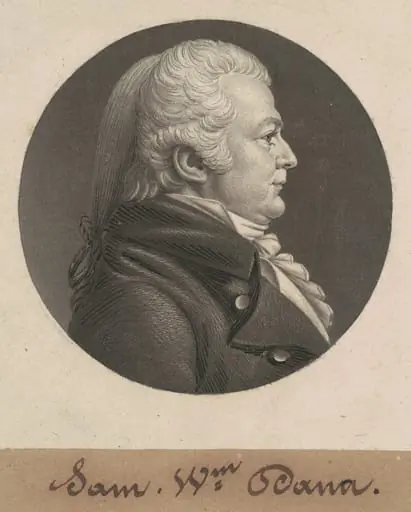
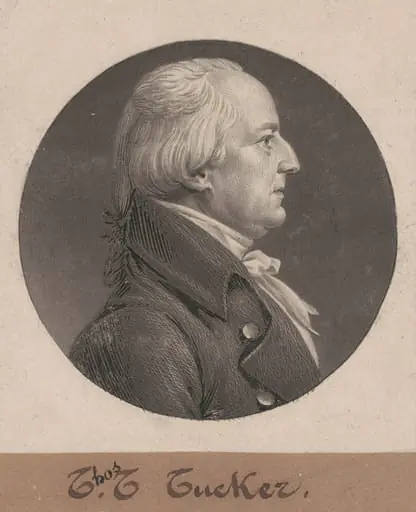
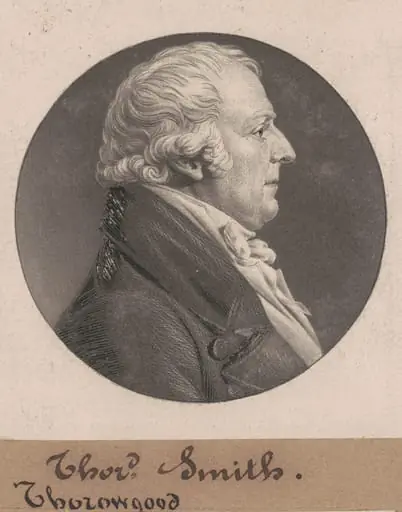
James A. Buchanan is an ink print by the Romanticist artist Charles Balthazar Julien Févret de Saint-Mémin. It dates from 1804 and is held in the collection of the National Gallery of Art. Created in 1804 by Charles B.
About this work
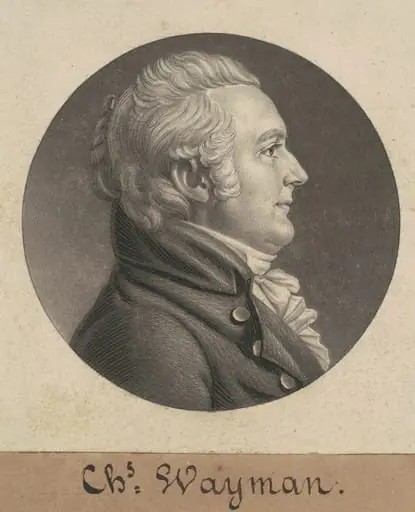
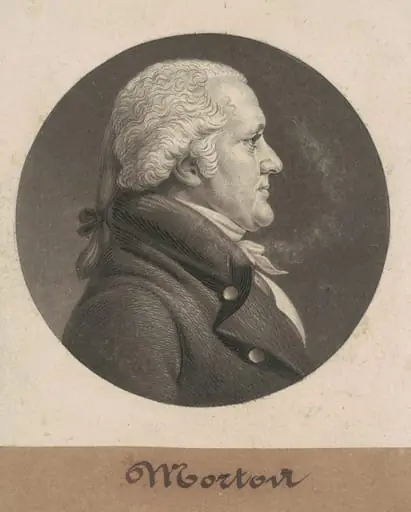
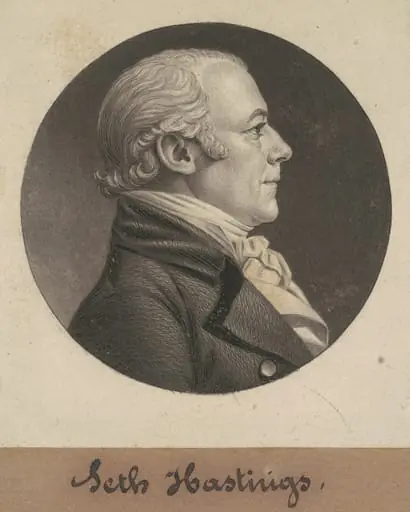
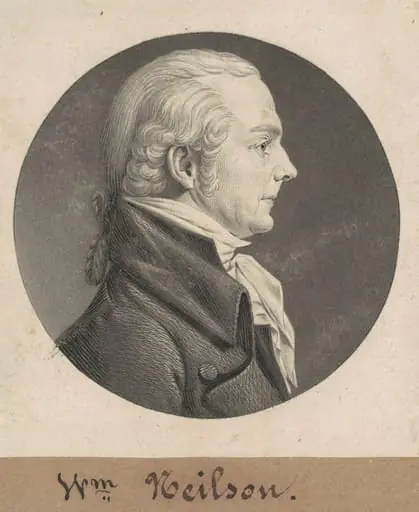
You see a man in a black suit and white cravat.
He's looking straight at you.
The artist used a lot of detail to make the suit look real.
The man in the picture is James A. Buchanan.
He was painted by Charles B. J. Févret de Saint-Mémin in 1804.
The painting is special because it's a mezzotint, which is a type of print.
Check out the work of artist: Saint-Mémin, Charles B. J. Févret de.
Overview
Created in 1804 by Charles B. J. Févret de Saint‑Mémin, this print combines mezzotint and engraving techniques on black wove paper that has been mounted to a brown wove backing. The portrait presents James A. Buchanan in a formal black suit with a white cravat, rendered with meticulous attention to texture and line.
Subject & Meaning
The work portrays James A. Buchanan, a figure of early‑19th‑century prominence, positioned directly facing the viewer. The stark contrast between the dark attire and the crisp white cravat emphasizes his dignified bearing and the social conventions of the period.
Technique & Style
Saint‑Mémin employed mezzotint to achieve rich tonal gradations, while the engraved lines define the crisp edges of the clothing and facial features. The interplay of deep blacks and subtle highlights creates a three‑dimensional illusion of fabric and flesh on the paper surface.
History & Provenance
The portrait was produced in Paris during a time when French printmakers were catering to an international clientele. It remains a documented example of Saint‑Mémin’s work for American patrons, reflecting transatlantic artistic exchange in the early 1800s.
Context
Mezzotint, a labor‑intensive print medium, was prized for its ability to reproduce the tonal richness of oil paintings. Saint‑Mémin, trained in both engraving and portraiture, applied this method to capture the likeness of a distinguished American subject for a European audience.
Artist & collection

Artist
Charles Balthazar Julien Févret de Saint-Mémin
Charles Balthazar Julien Févret de Saint-Mémin (French pronunciation: ; 1770–1852) was a French portrait painter and museum director.