Artwork
John Wauchope of Edmonstone (1742 - 1810)
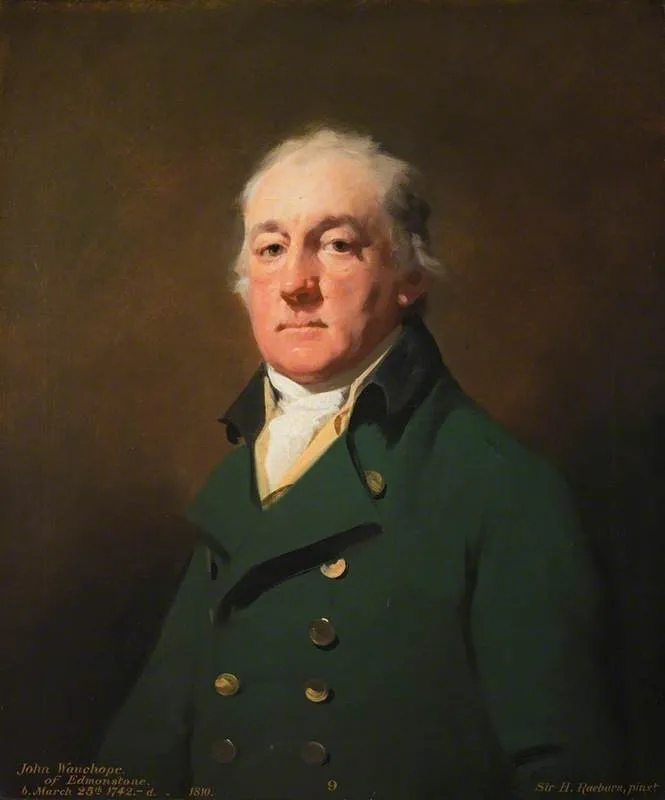
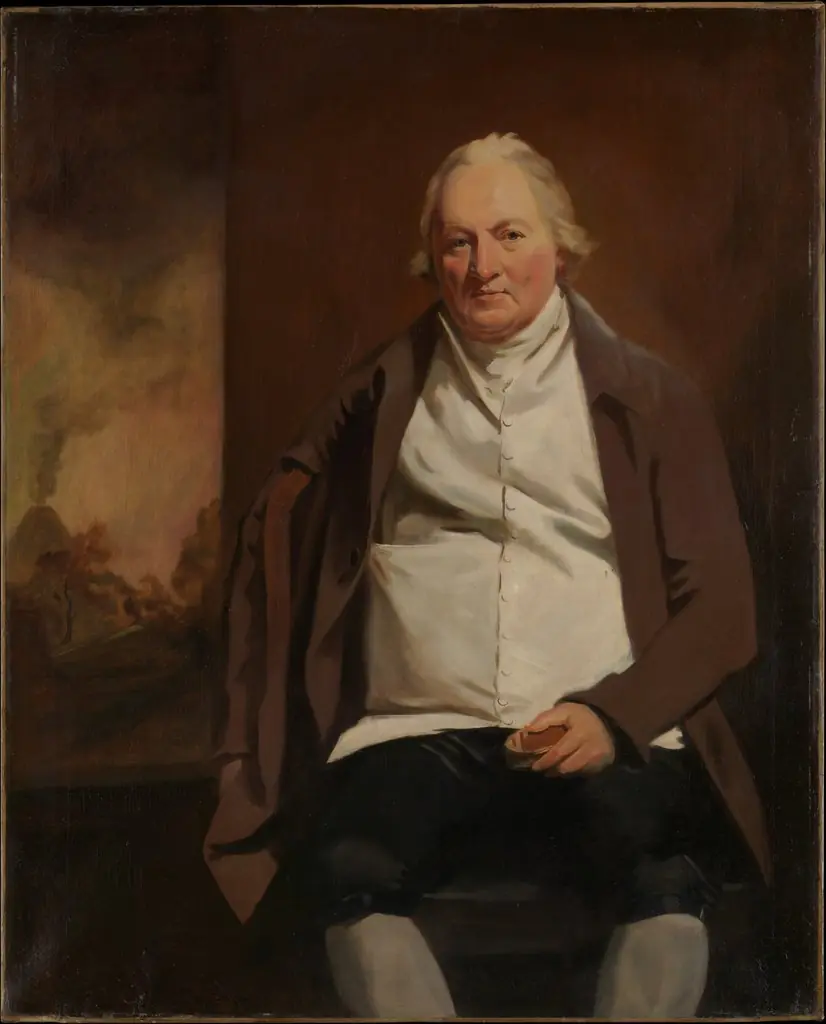
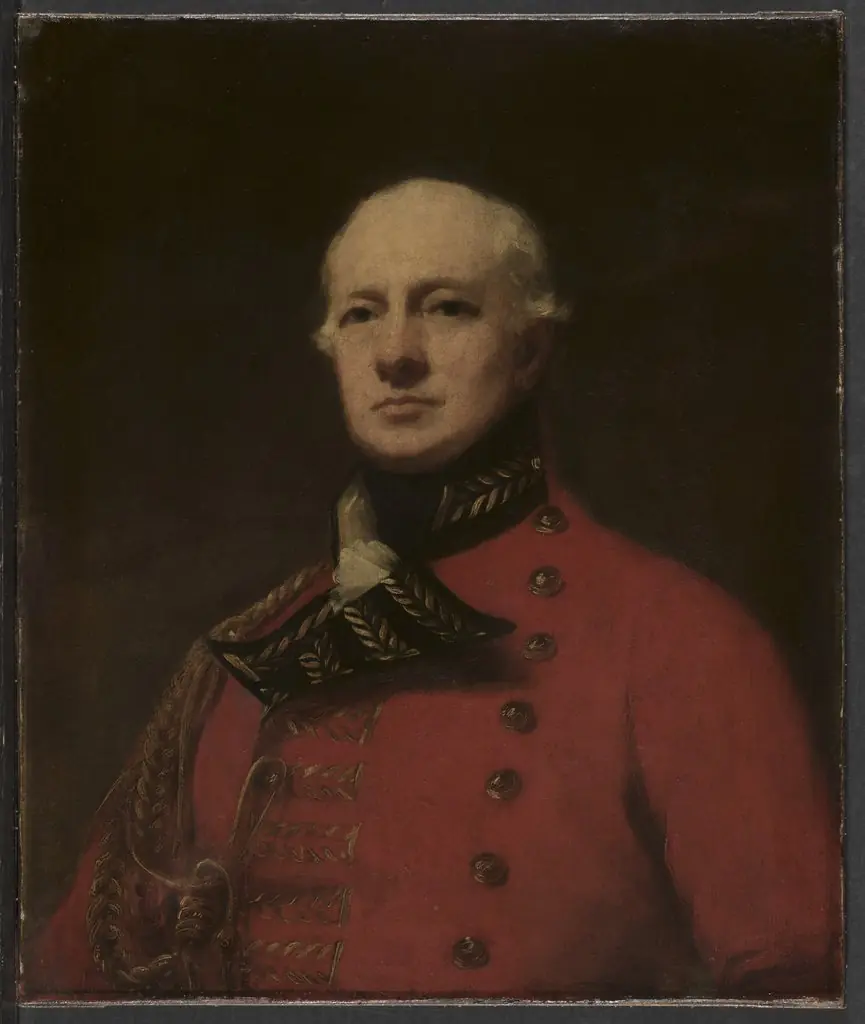
John Wauchope of Edmonstone (1742 - 1810) is an oil painting by Henry Raeburn. It dates from 1820 and is held in the collection of the National Galleries Scotland. The oil portrait of John Wauchope of Edmonstone, executed in 1820, is part of the Scottish National Gallery’s holdings.
About this work
If you're interested in learning more about the artist who created this portrait, you might want to look up Henry Raeburn.
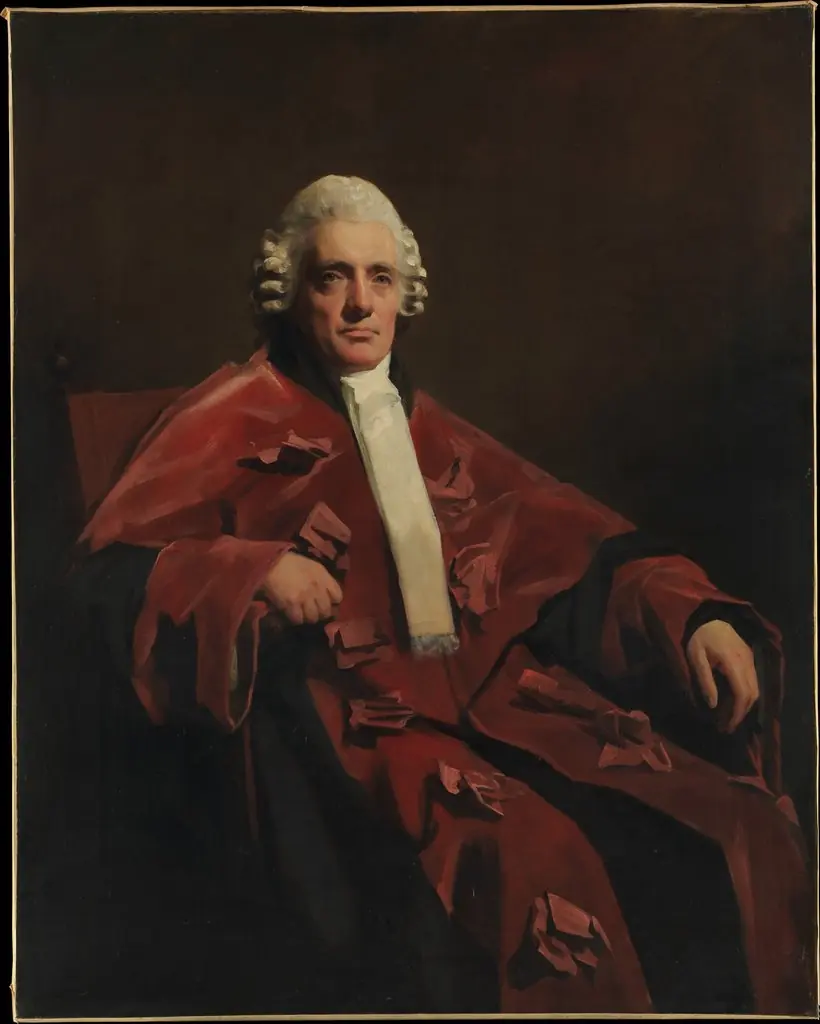
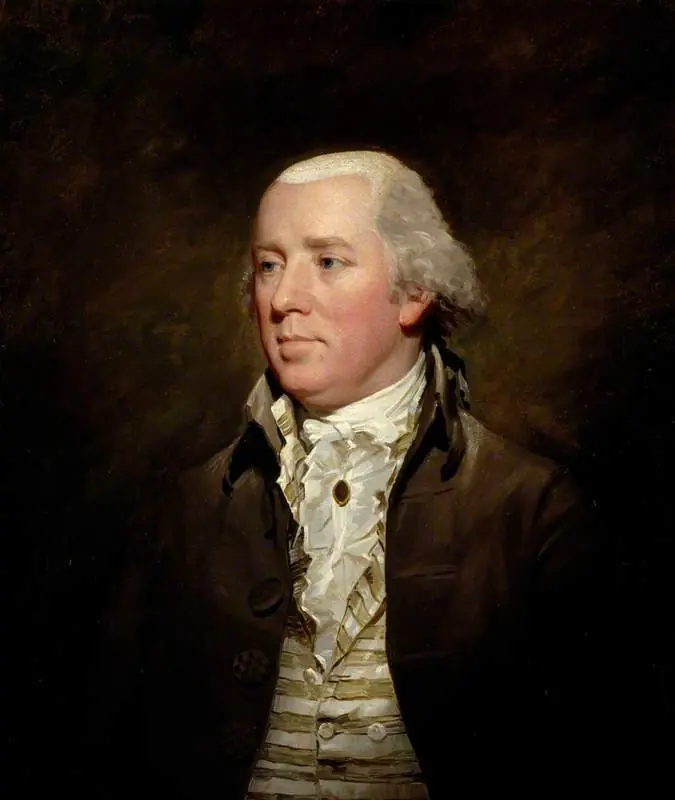
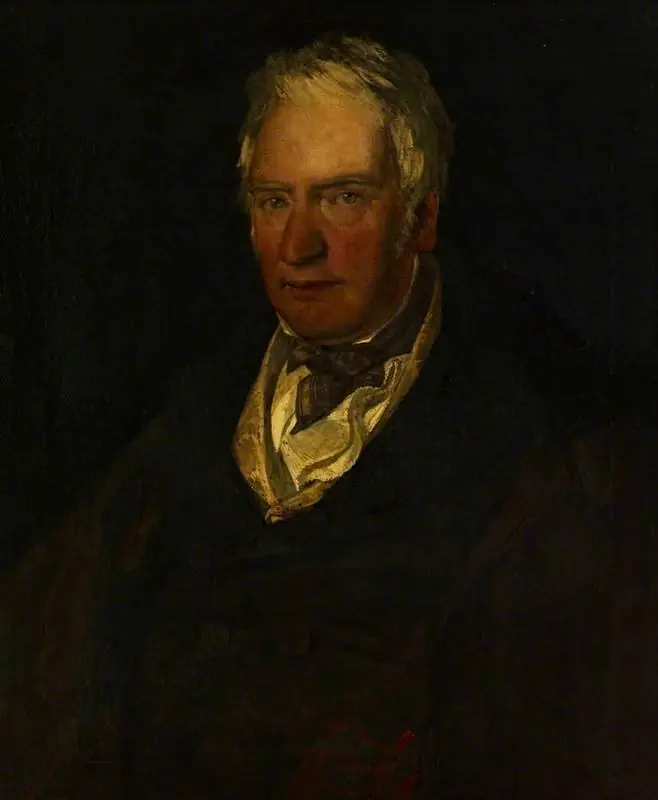
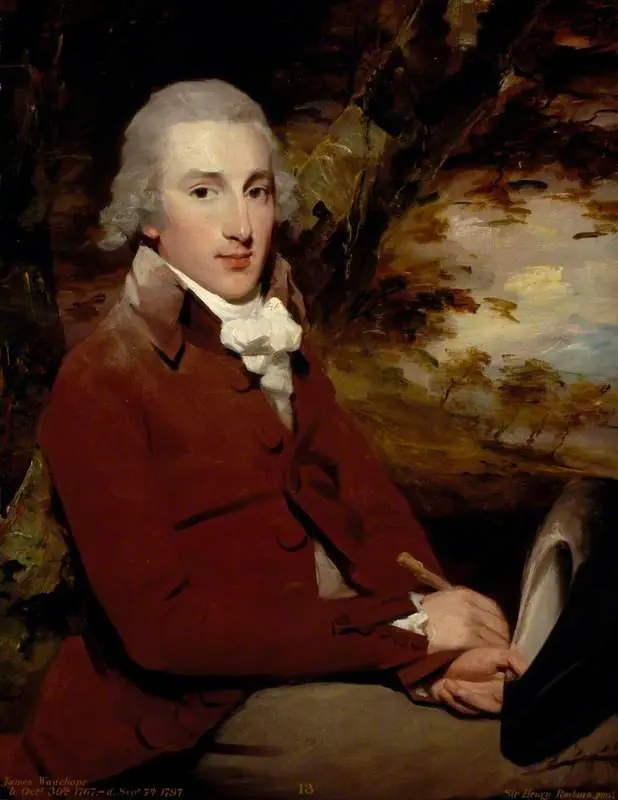
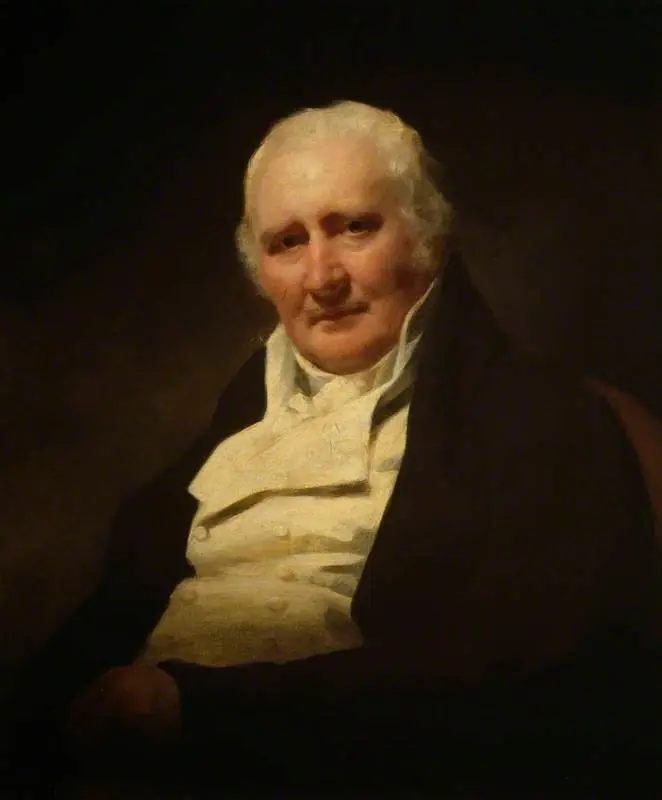
This painting is a portrait of a man, likely from the 18th or 19th century. He is dressed in a dark green coat with gold buttons, a white cravat, and a yellow waistcoat. The background is a dark brown color.
The man's facial expression is serious, and he appears to be looking directly at the viewer. His hair is white and styled in a manner that was common during that time period. The overall mood of the painting is one of dignity and respect.
If you're interested in learning more about the artist who created this portrait, you might want to look up Henry Raeburn.
Overview
The oil portrait of John Wauchope of Edmonstone, executed in 1820, is part of the Scottish National Gallery’s holdings. Rendered by the Scottish portraitist Henry Raeburn, the work presents the sitter in a formal pose, his gaze directed toward the viewer, conveying a composed and dignified presence.
Subject & Meaning
John Wauchope, a gentleman of the Edmonstone estate, is shown wearing a dark green coat trimmed with gold buttons, a white cravat, and a yellow waistcoat. The attire and his solemn expression reflect the conventions of status and decorum typical of the late eighteenth‑early nineteenth‑century Scottish gentry.
Technique & Style
Raeburn employs a restrained palette, juxtaposing the deep brown background with the brighter hues of the subject’s clothing. The brushwork is smooth in the rendering of fabric and skin, while the subtle modeling of light across the face creates a sense of three‑dimensionality without overt theatricality, characteristic of Raeburn’s mature portraiture.
History & Provenance
Created toward the end of Raeburn’s career, the portrait entered the Scottish National Gallery’s collection, where it remains on display. The painting’s provenance traces back to the Wauchope family, who likely commissioned the work to commemorate the sitter’s social standing.
Context
The portrait belongs to a period when Scottish portraiture was increasingly influenced by the neoclassical aesthetic favored by the British court, yet Raeburn retained a distinctive approach that emphasized naturalistic representation over idealization. This balance situates the work within the broader transition from Enlightenment portraiture to early Romantic sensibilities.
Artist & collection
Artist
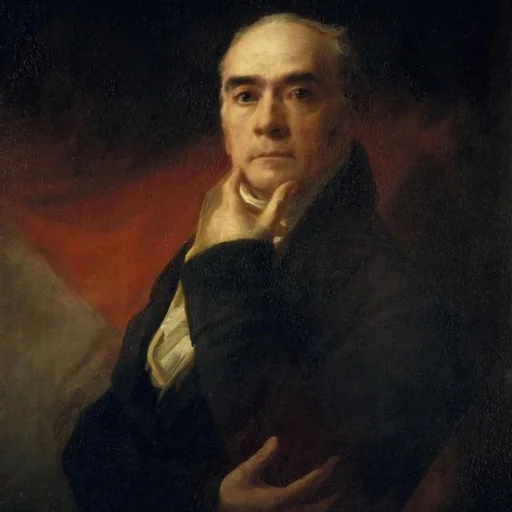
Sir Henry Raeburn (; 4 March 1756 – 8 July 1823) was a Scottish portrait painter. He served as Portrait Painter to King George IV in Scotland.