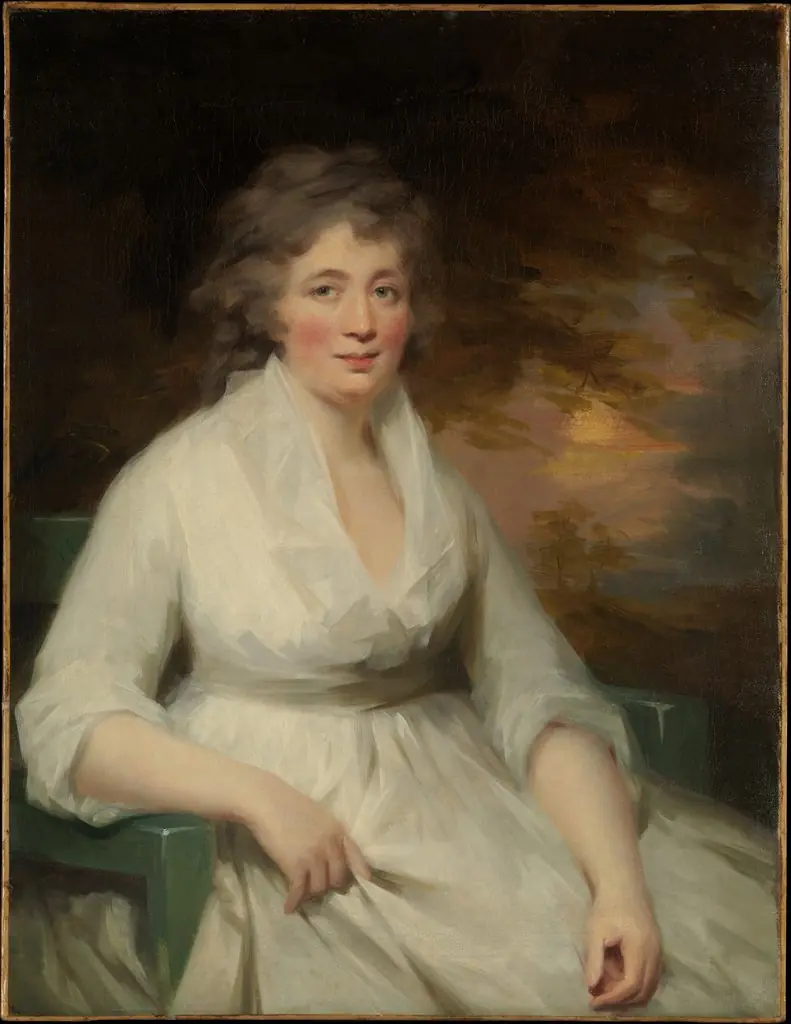
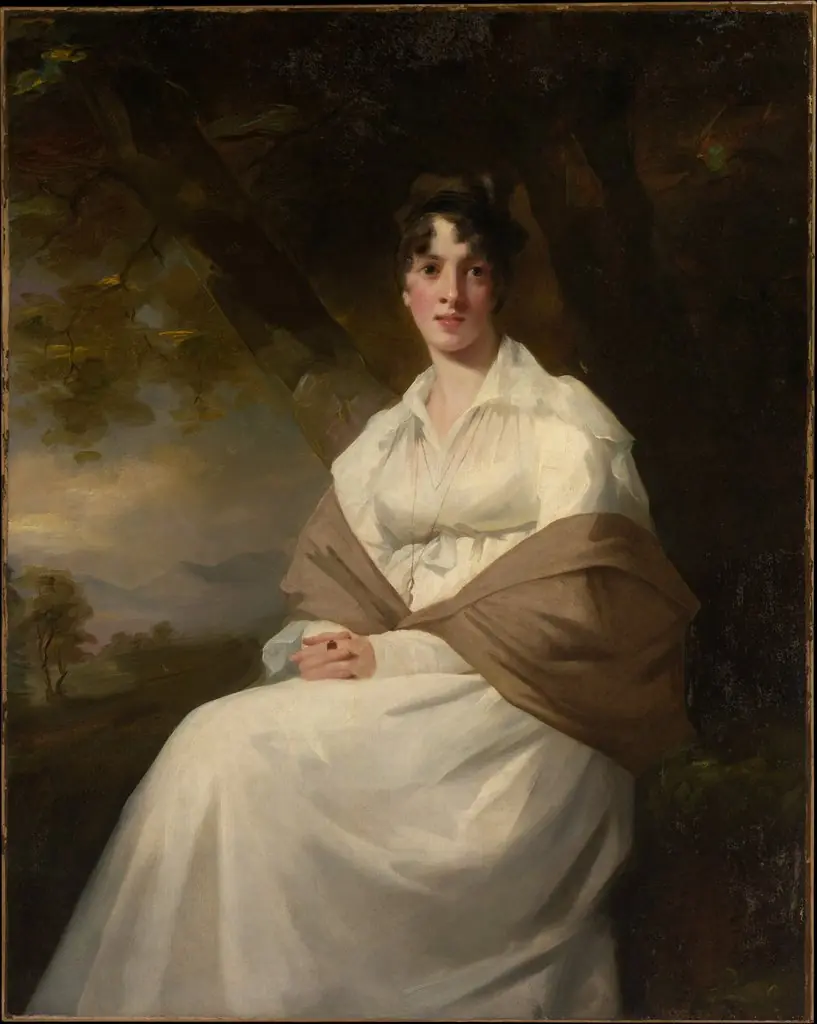
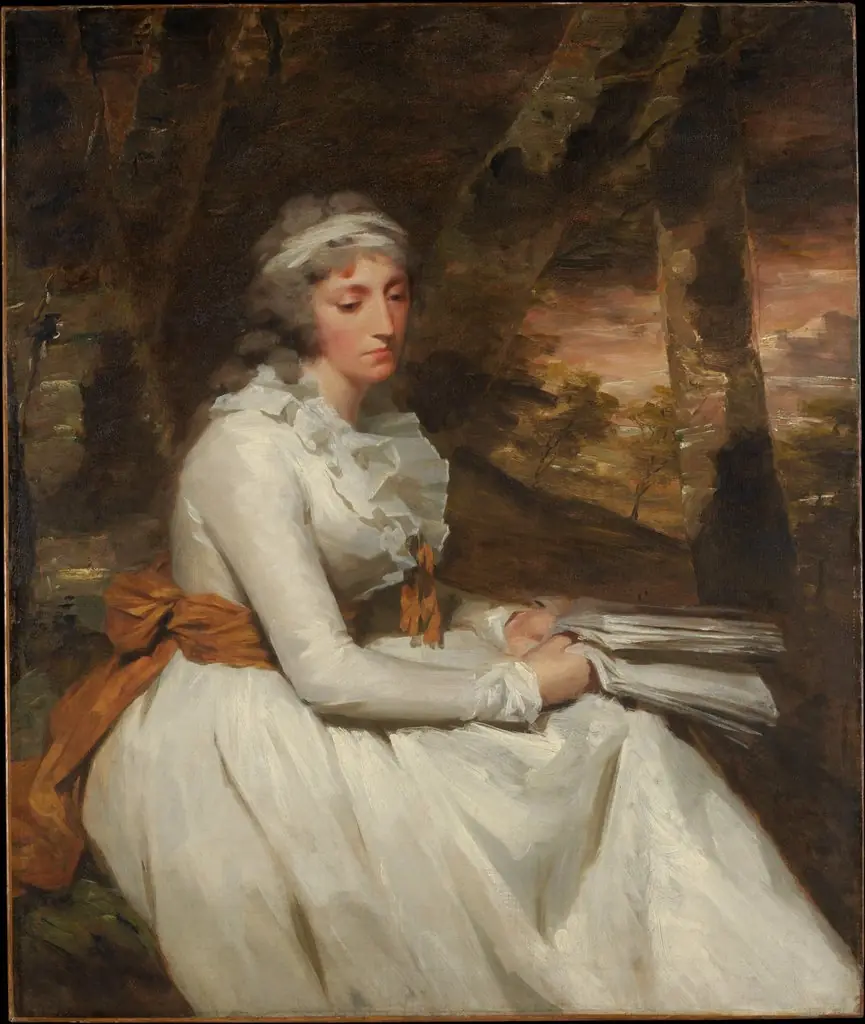
Artwork
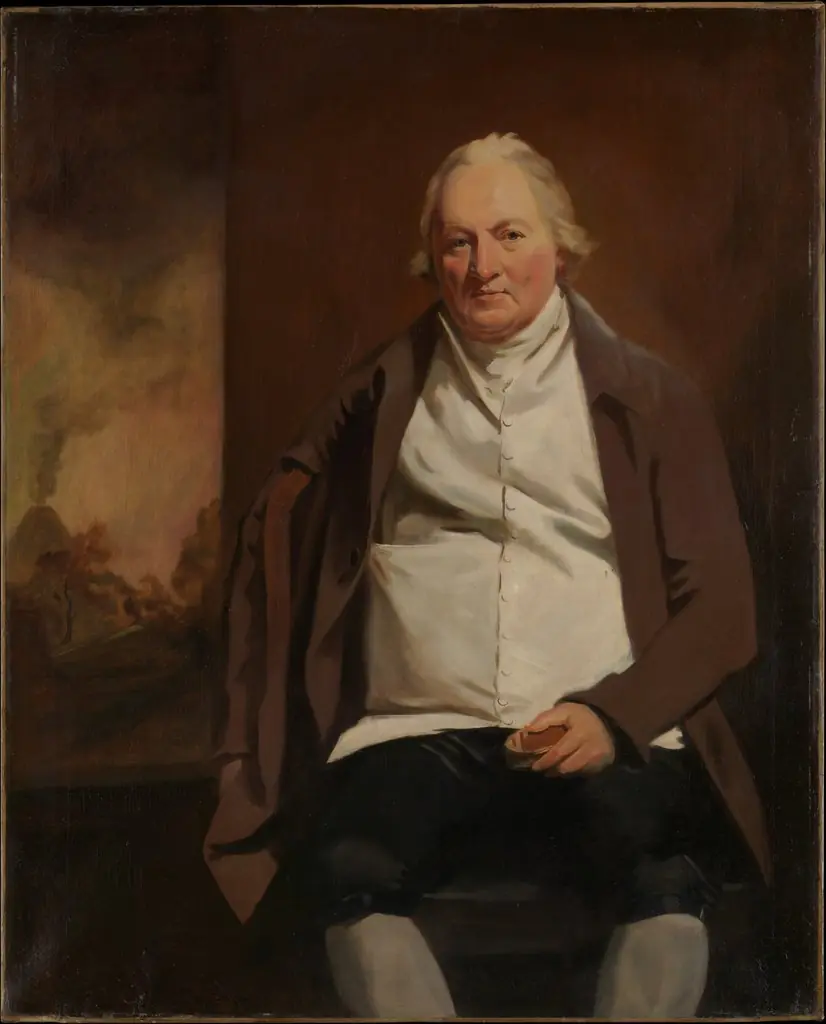
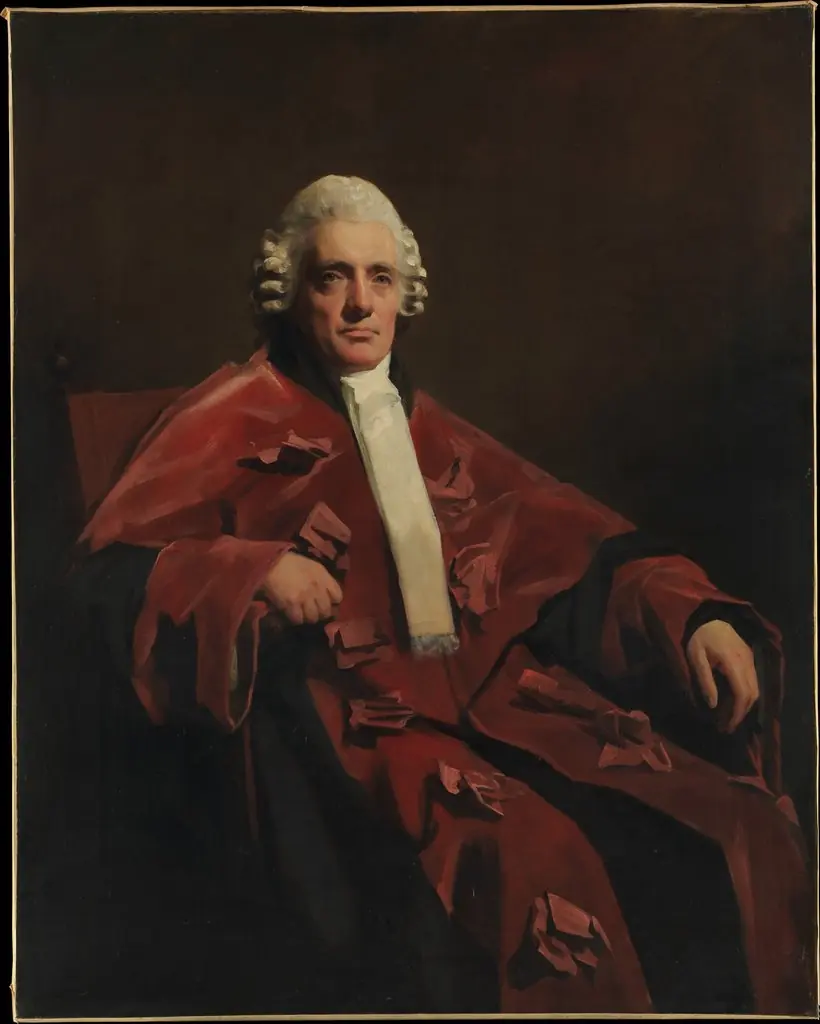
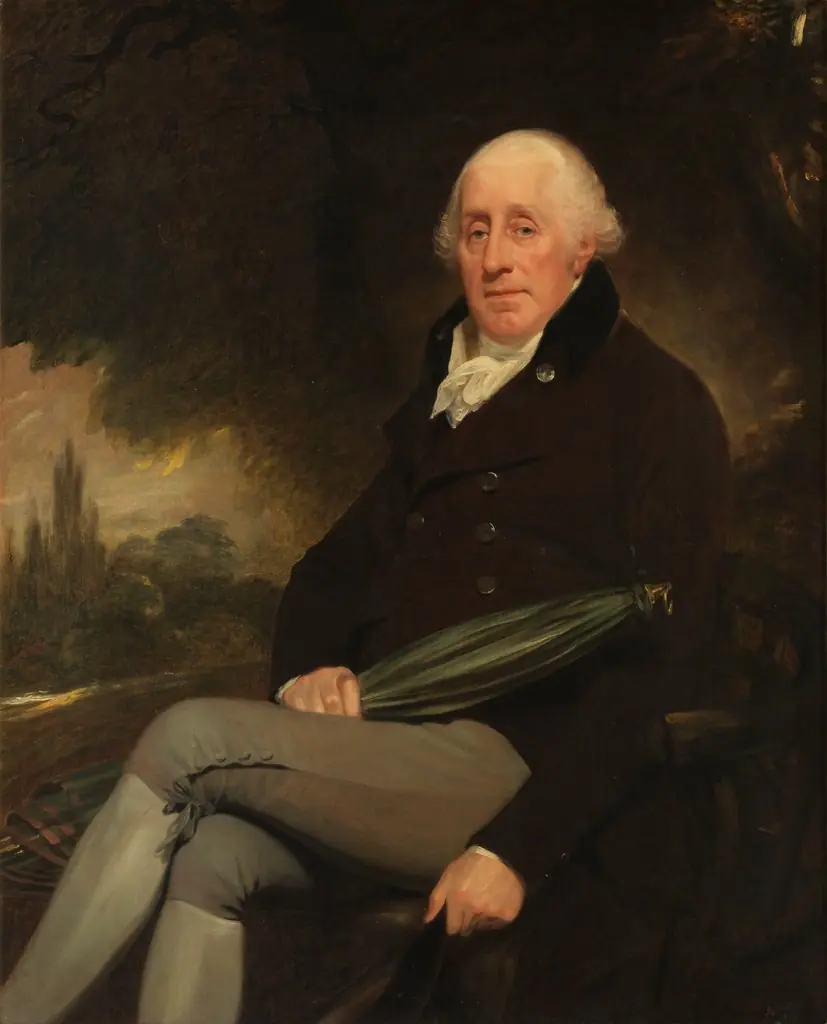
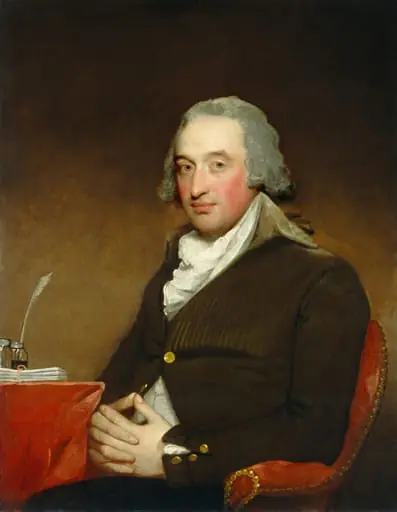
Portrait of a Man Seated in an Armchair (said to be William Fairlie)
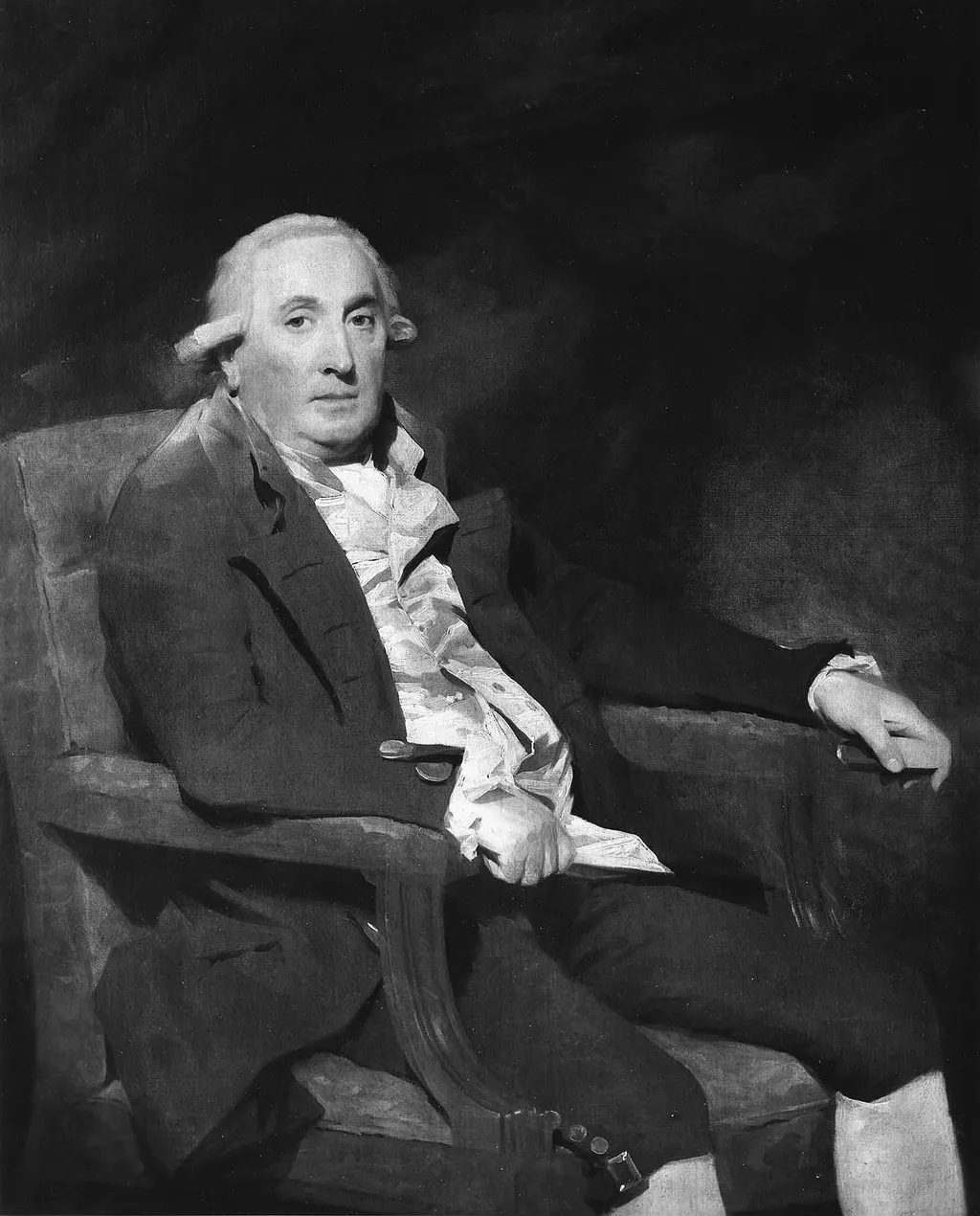
Portrait of a Man Seated in an Armchair (said to be William Fairlie) is an oil painting by the British Romanticist artist Henry Raeburn. It dates from 1798 and is held in the collection of the Museum of Fine Arts Boston.
About this work
Overview
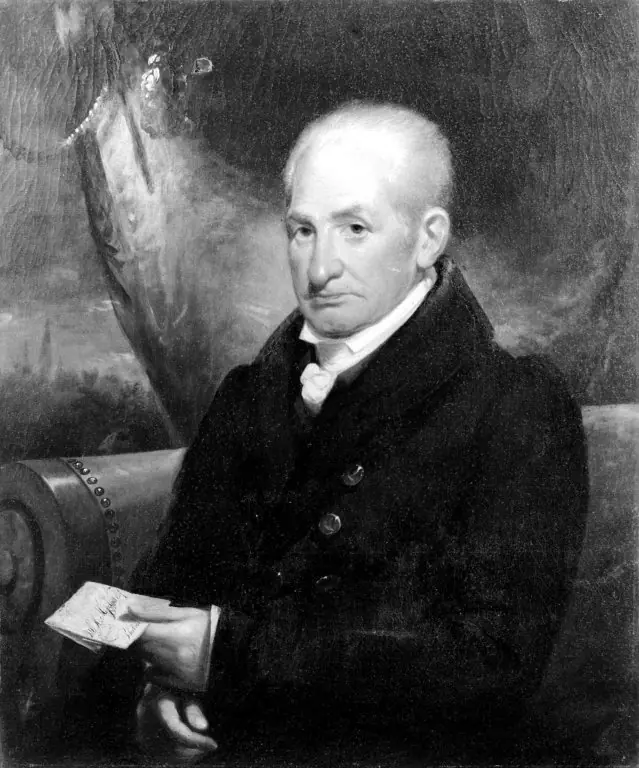
Painted in 1798, this oil portrait by Henry Raeburn captures a seated male figure, traditionally identified as William Fairlie, a Scottish merchant.
Painted in 1798, this oil portrait by Henry Raeburn captures a seated male figure, traditionally identified as William Fairlie, a Scottish merchant. Executed in the late 18th century, the work reflects Raeburn’s reputation as a leading portraitist in Scotland. It resides in the Museum of Fine Arts, Boston, as part of its permanent collection. The composition emphasizes stillness and presence, characteristic of Raeburn’s approach to individual portraiture.
Subject & Meaning
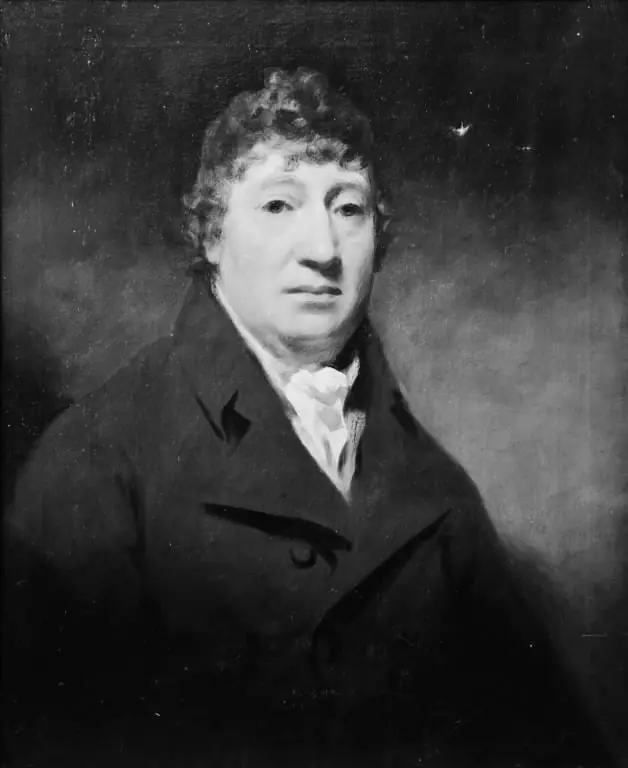
The subject, likely William Fairlie, is portrayed with quiet dignity, dressed in formal attire of the period: a dark coat and a white cravat. His powdered hair, neatly tied back, signals social standing. He holds a sheet of paper, suggesting engagement with correspondence or business, yet his gaze remains inward, conveying contemplation rather than performance. The absence of symbolic props or elaborate settings focuses attention on character rather than status.
Technique & Style
Raeburn employs strong chiaroscuro to model the figure’s face and clothing, using sharp contrasts between light and deep shadow. The dark, unadorned background isolates the subject, enhancing the three-dimensionality of his form. Brushwork is deliberate yet fluid, particularly in the rendering of fabric textures and the subtle gradations of skin tone. This technique conveys both physical presence and psychological depth without overt theatricality.
History & Provenance
The painting was completed in 1798 during Raeburn’s peak years as a portraitist in Edinburgh. It remained in private Scottish collections before entering the Museum of Fine Arts, Boston, in the early 20th century. While the identification of the sitter as William Fairlie is widely accepted, it is based on historical association rather than definitive documentation. The work’s journey reflects the broader circulation of Scottish portraiture in American collections.
Context
Created during the height of British Romanticism, the portrait diverges from grand historical or idealized forms, instead embracing intimate realism. Raeburn’s approach aligned with a growing interest in individuality and psychological nuance in portraiture. Unlike contemporaries who favored elaborate backdrops, he favored spatial simplicity, allowing the sitter’s demeanor to dominate. This shift mirrored broader cultural values emphasizing personal identity over inherited status.
Legacy
Raeburn’s portrait exemplifies a distinct Scottish tradition of psychological portraiture that influenced later 19th-century artists. Its restrained composition and emphasis on inner life set it apart from more ornate European styles. Though not widely exhibited, the work remains a key example of how light, posture, and expression could convey character without narrative embellishment, contributing to the evolution of modern portraiture.
Own this work as a print
Artist & collection
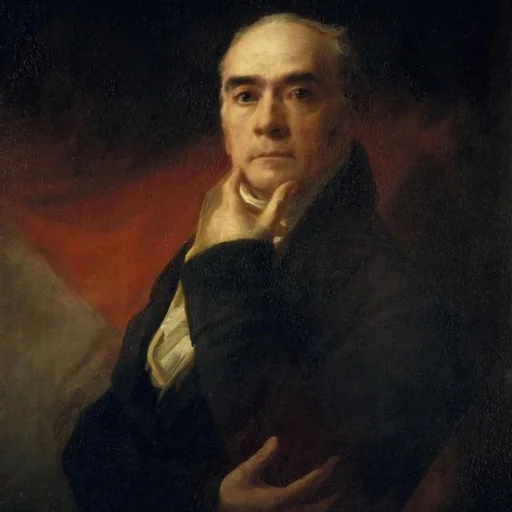
Artist
Sir Henry Raeburn (; 4 March 1756 – 8 July 1823) was a Scottish portrait painter. He served as Portrait Painter to King George IV in Scotland.