Artwork
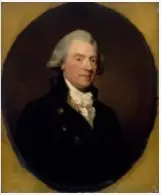
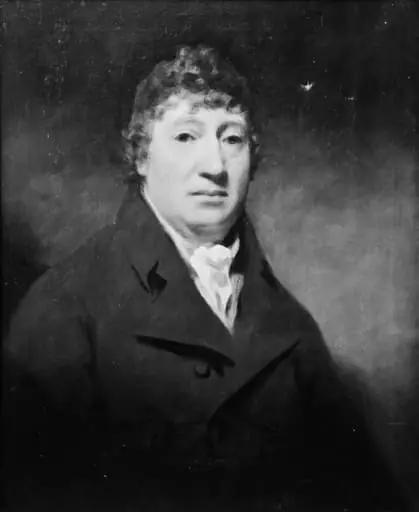
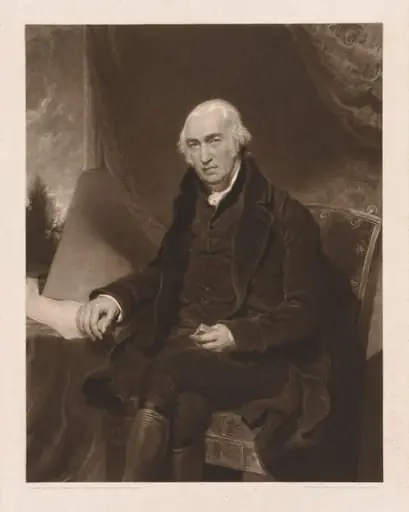
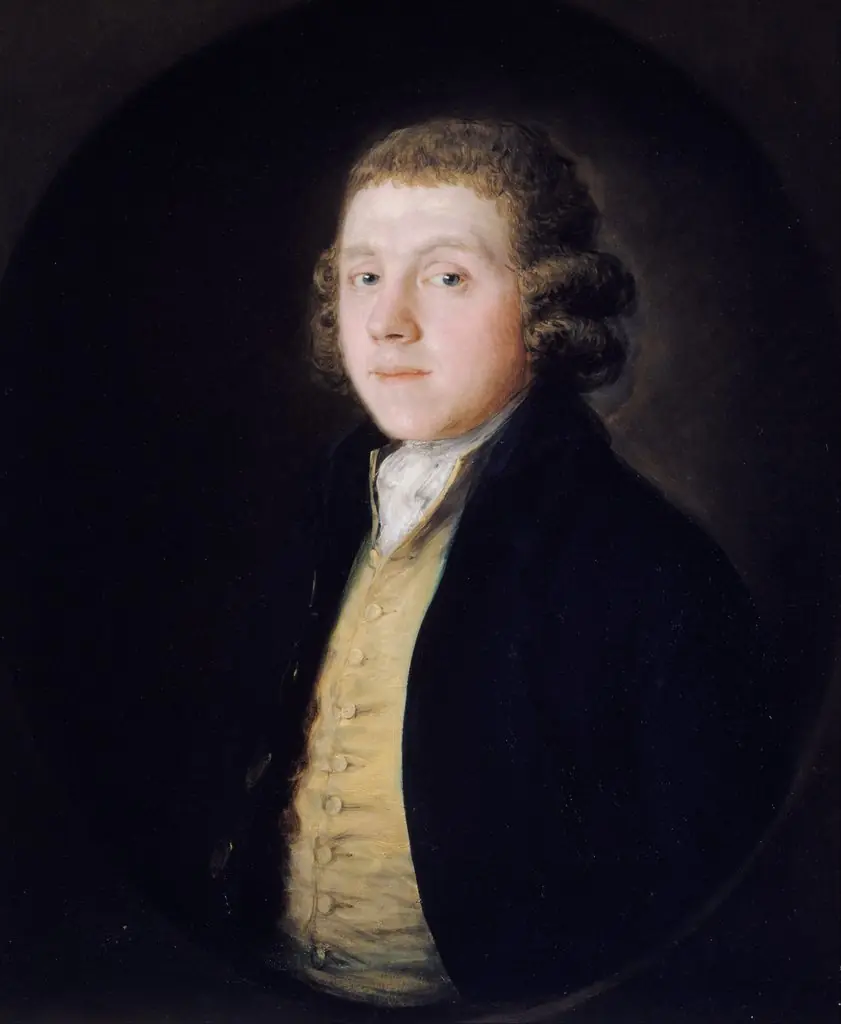
Portrait of Robert Livingston (b. 1733)
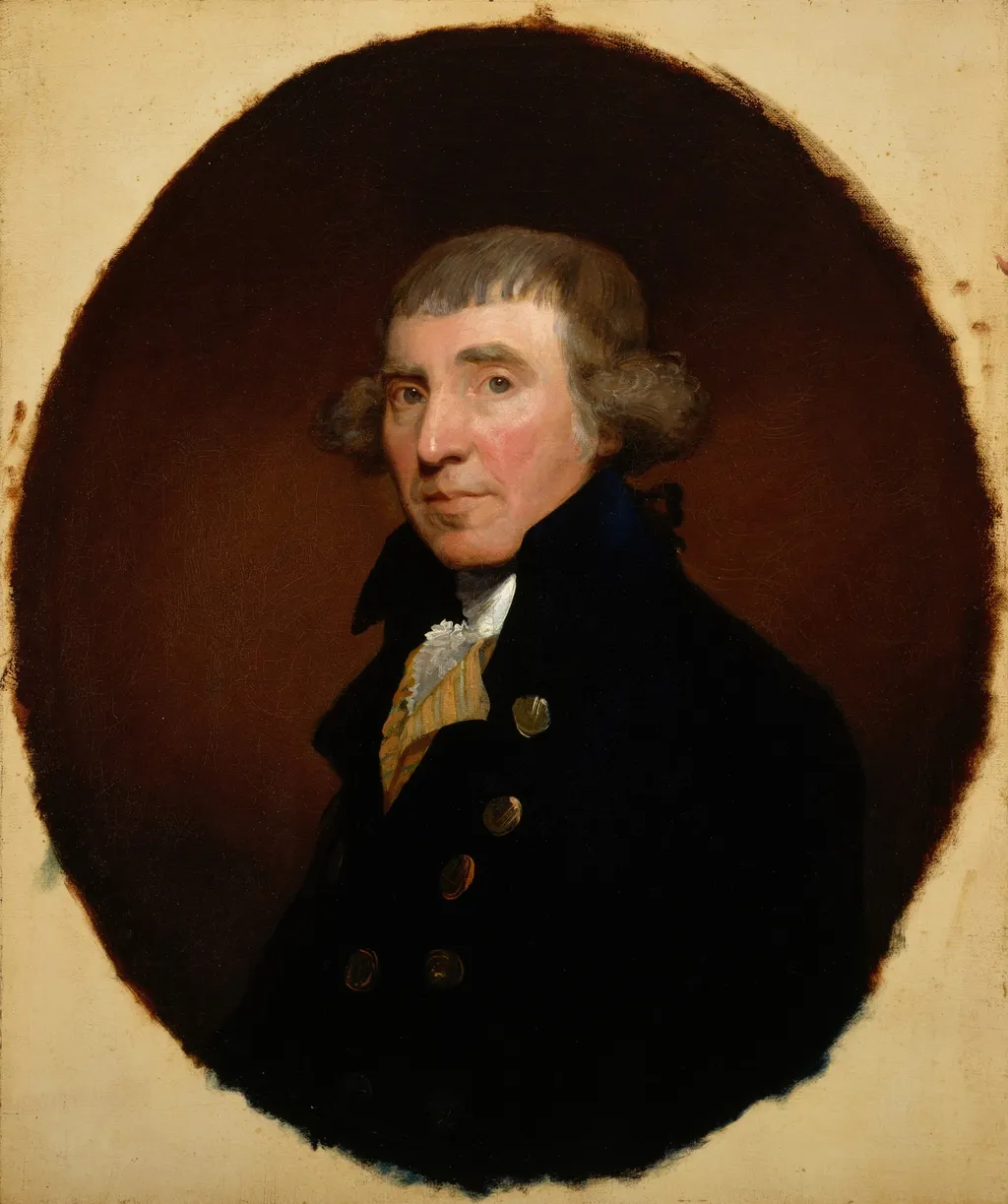
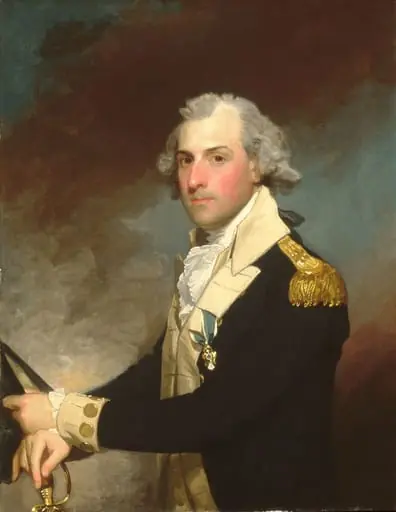
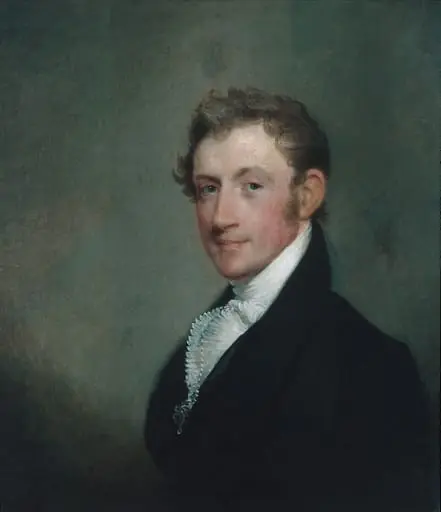
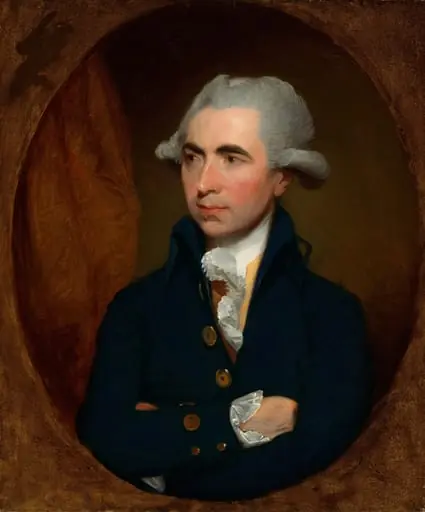
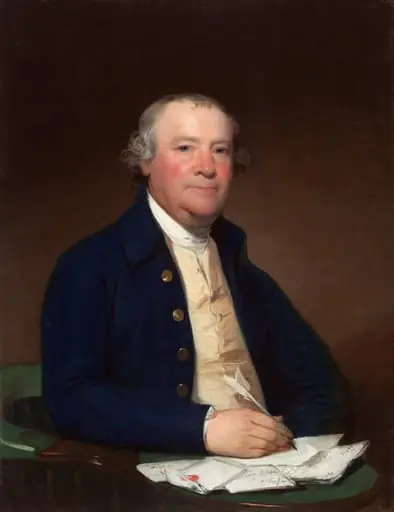
Portrait of Robert Livingston (b. 1733) is an oil painting by the American Impressionist artist Gilbert Stuart. It dates from 1801 and is held in the collection of the Museum of Fine Arts, Houston.
About this work
Overview
The work is held in the Museum of Fine Arts, Houston, and reflects the artist’s mature style, characterized by psychological nuance and refined brushwork.
Painted around 1801 by Gilbert Stuart, this oil portrait captures Robert Livingston, a notable figure of early American society. Stuart, trained in the British tradition but active in the new republic, specialized in depicting influential individuals. The work is held in the Museum of Fine Arts, Houston, and reflects the artist’s mature style, characterized by psychological nuance and refined brushwork.
Subject & Meaning
Robert Livingston, born in 1733, belonged to a prominent New York family with political and landholding influence. The portrait presents him in formal attire, conveying status without overt symbolism. His direct gaze and composed posture suggest dignity and restraint, aligning with ideals of civic virtue valued among the American elite. The absence of contextual elements focuses attention on the sitter’s presence and character.
Technique & Style
Stuart employed chiaroscuro to model the figure against a dark, neutral background, enhancing the three-dimensionality of the face and coat. His brushwork is precise yet fluid, particularly in rendering the texture of fabric and the softness of curled hair. The palette is restrained, dominated by blacks and grays, with subtle highlights on the skin and buttons. This approach prioritizes psychological presence over decorative detail.
History & Provenance
The painting was completed in the early 19th century, during a period when Stuart was sought after by the nation’s political and social elite. It entered the collection of the Museum of Fine Arts, Houston, through documented acquisition, though its earlier ownership history remains partially untraced. Its survival reflects the enduring interest in Stuart’s portraiture as a record of American identity.
Context
Stuart painted this portrait amid a broader cultural shift toward defining American identity through individual portraiture. Unlike European traditions that emphasized lineage or heraldry, American sitters often preferred understated dignity. Livingston’s image fits this trend—his attire and demeanor reflect the emerging republican ideal of the self-made gentleman, grounded in personal character rather than inherited privilege.
Legacy
Though less famous than Stuart’s Washington portraits, this work exemplifies his ability to convey quiet authority. It contributes to a corpus of early American portraiture that shaped how civic leaders were visually remembered. The painting remains a reference point for understanding the visual language of status and restraint in post-Revolutionary society.
Artist & collection

Artist
Gilbert Stuart (né Stewart; December 3, 1755 – July 9, 1828) was an American painter born in the Rhode Island Colony who is widely considered one of America's foremost portraitists.