Artwork
Mr robert Palmer
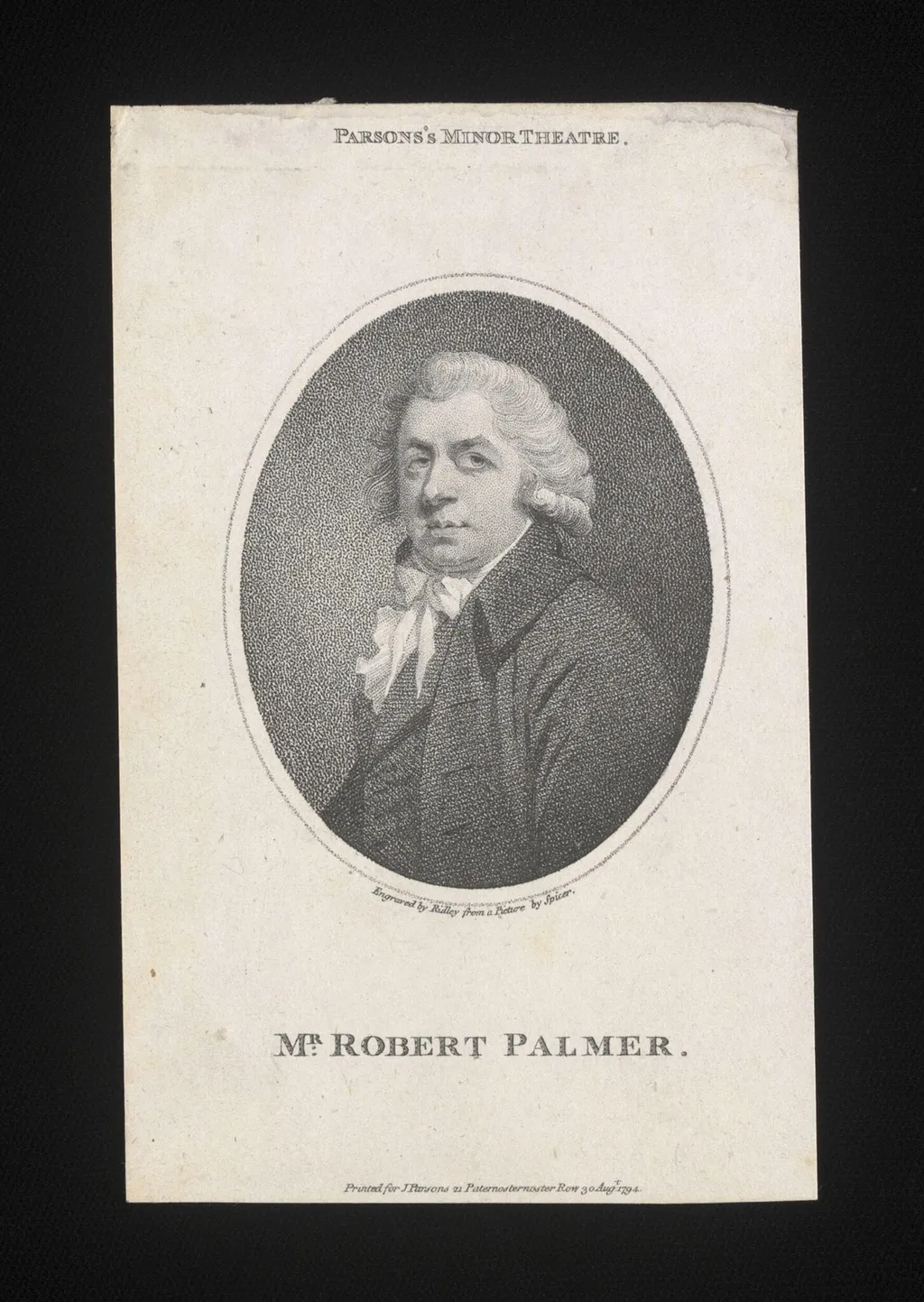
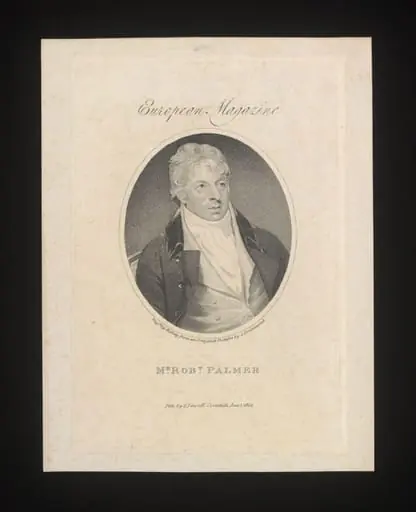
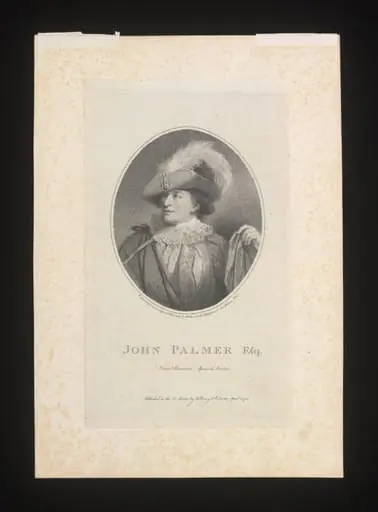
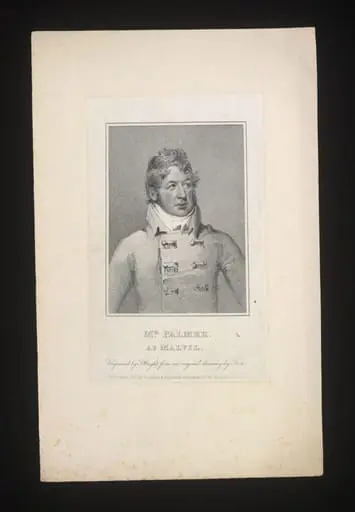
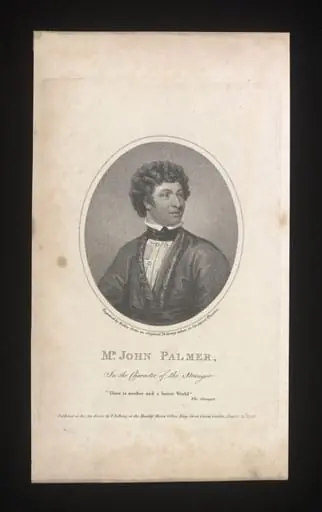
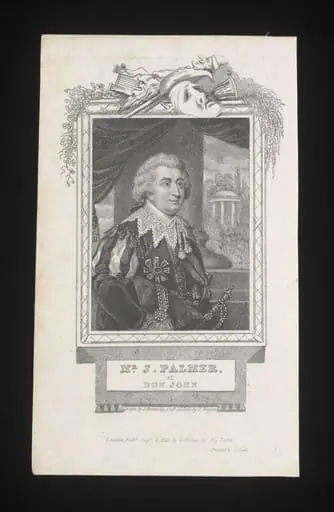
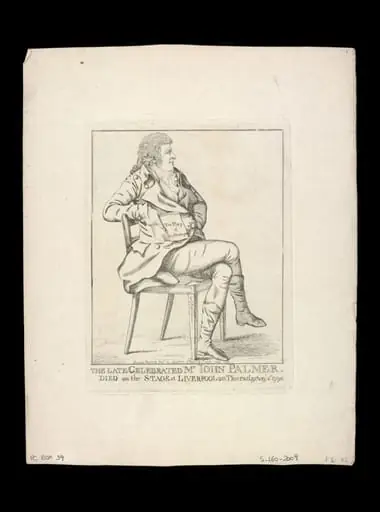
Mr robert Palmer is a print by the Romanticist artist Henry Spicer. It dates from 30 and is held in the collection of the Victoria and Albert Museum. This 1794 print portrays Robert Palmer, a British figure of the late 18th century, rendered in the medium of engraved portraiture.
About this work
This print shows Mr. Robert Palmer from 1794. It’s a portrait made by Henry Spicer. The work is part of Romanticism, a movement that values emotion and individuality.
The print was published in London by J. Parsons. It’s kept at the Victoria and Albert Museum in London. The Harry Beard Collection holds it now.
Look up the artist Henry Spicer next.
Overview
This 1794 print portrays Robert Palmer, a British figure of the late 18th century, rendered in the medium of engraved portraiture. Produced by publisher J. Parsons in London and attributed to artist Henry Spicer, the work belongs to the Harry Beard Collection, now held by the Victoria and Albert Museum. It reflects the period’s interest in documenting individual identities through printed media.
Subject & Meaning
Robert Palmer, the subject of this portrait, was likely a person of social standing, given the commissioning of a formal print.
Robert Palmer, the subject of this portrait, was likely a person of social standing, given the commissioning of a formal print. The image conveys dignity and composure, aligning with Enlightenment ideals of rational self-presentation. Though produced during the Romantic era, the portrait avoids overt emotional expression, instead emphasizing personal identity through restrained detail and formal posture.
Technique & Style
Executed as an engraved print, the work employs fine linear detail to define facial features and attire. The tonal range is controlled, relying on hatching and cross-hatching for texture and depth. The composition is centered and symmetrical, typical of portrait prints of the period. The style is precise and unembellished, prioritizing clarity over dramatic flourish.
History & Provenance
Published on 30 August 1794 by J. Parsons of London, the print was part of a broader trend in commercial portraiture that made likenesses accessible beyond elite circles. It entered the Harry Beard Collection, a significant assemblage of 18th- and 19th-century British prints, and was later transferred to the Victoria and Albert Museum, where it remains part of the national graphic arts archive.
Context
In the 1790s, London saw a surge in printed portraiture fueled by rising literacy and a growing middle class. While Romanticism emphasized emotion, many portraits retained classical restraint. This print reflects the intersection of commercial demand and artistic tradition, serving as both a personal memento and a cultural artifact of civic identity.
Legacy
The print endures as a record of a specific moment in British visual culture, illustrating how portraiture functioned as social documentation. Henry Spicer’s role as an engraver, though not widely celebrated, contributed to the democratization of image-making. Its preservation in a major museum ensures its continued study as an example of late Georgian printmaking practices.
Artist & collection