Artwork
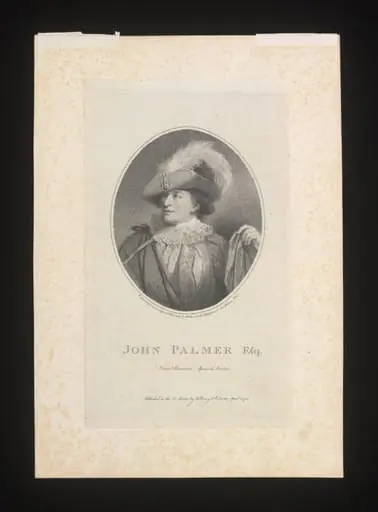
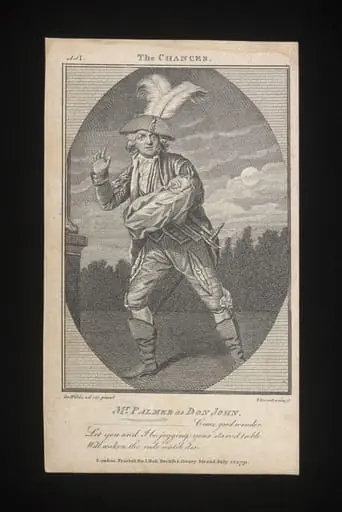
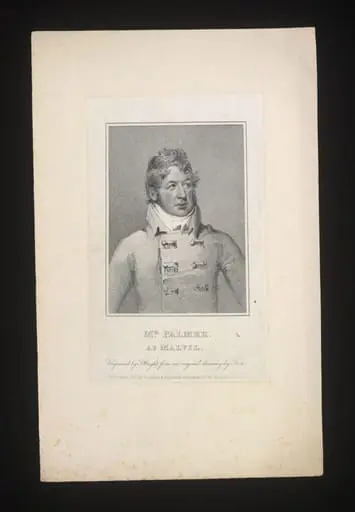
Mr Palmer as Don John
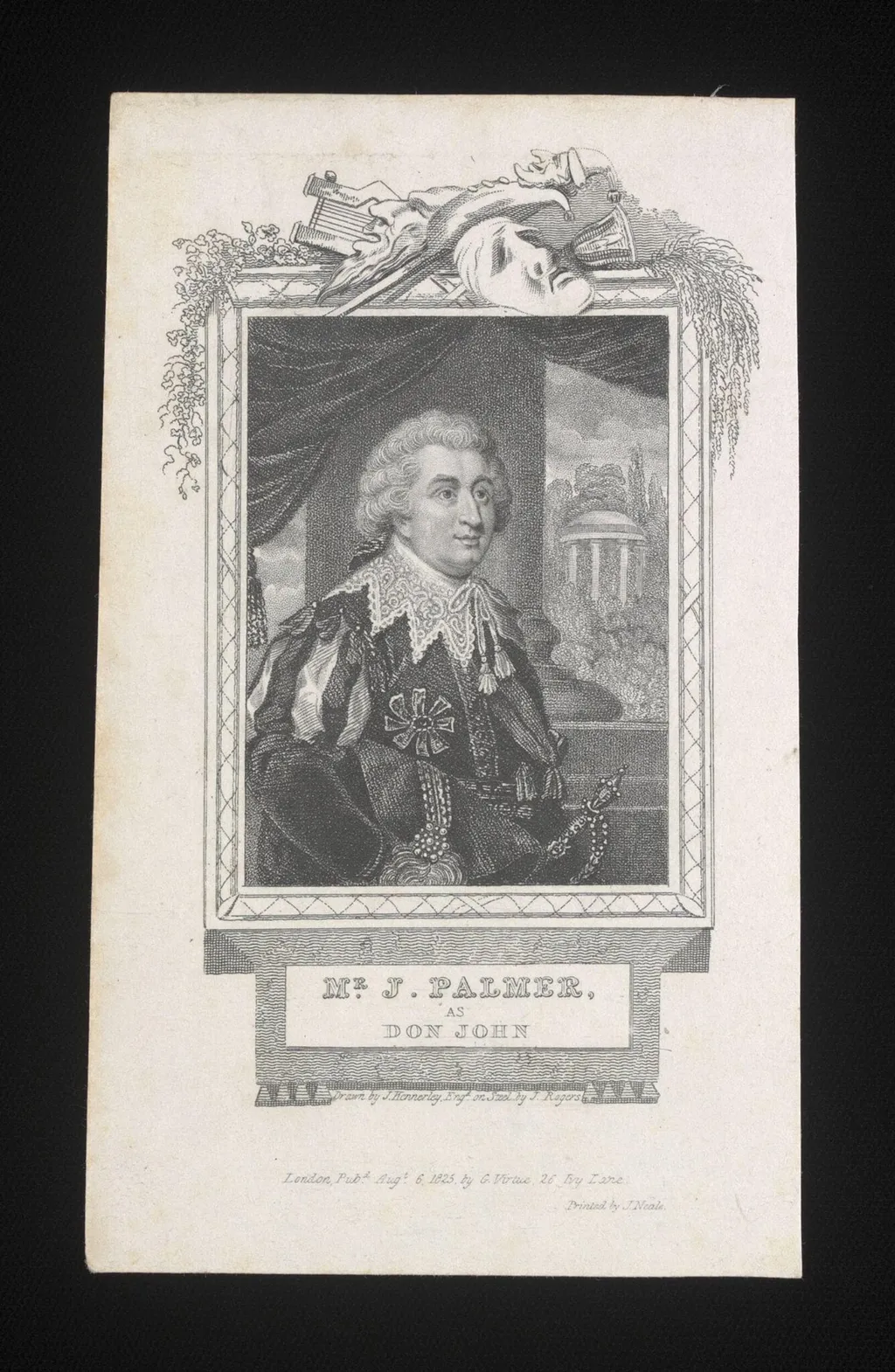
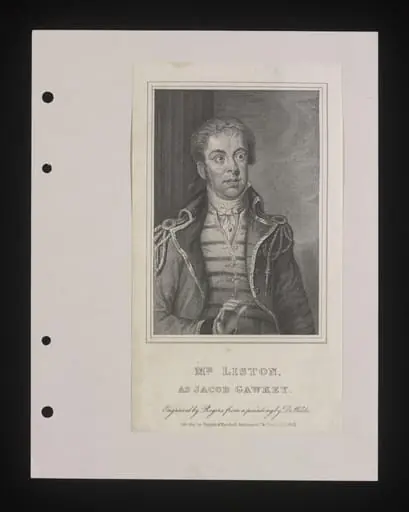
Mr Palmer as Don John is a print by the Romanticist artist Rogers. It dates from 6 and is held in the collection of the Victoria and Albert Museum. This 1825 print captures actor John Palmer in the role of Don John, a character from Shakespeare’s Much Ado About Nothing.
About this work
This print is titled Mr Palmer as Don John.
It was made by Rogers in 1825.
The print is part of the Harry Beard Collection at the Victoria and Albert Museum, and it's interesting because it shows a specific person, John Palmer, dressed as a character, which suggests it might be related to theater or performance.
You can learn more about this style by looking into Romanticism.
Overview
This 1825 print captures actor John Palmer in the role of Don John, a character from Shakespeare’s Much Ado About Nothing.
This 1825 print captures actor John Palmer in the role of Don John, a character from Shakespeare’s Much Ado About Nothing. Published by G. Virtue in London, it belongs to the Harry Beard Collection at the Victoria and Albert Museum. The image reflects the 19th-century practice of documenting theatrical performances through engraved portraits, offering a visual record of stage interpretation during the Romantic era.
Subject & Meaning
John Palmer, a noted actor of the early 19th century, is portrayed as Don John, the brooding, antagonistic brother in Much Ado About Nothing. The print emphasizes his theatrical persona rather than his personal identity, highlighting the era’s fascination with actors embodying literary roles. Don John’s character, marked by cynicism and malice, was rendered through posture and costume to convey inner turmoil, aligning with Romantic ideals of emotional depth.
Technique & Style
Executed by an artist identified as Rogers, the print employs fine-line engraving to render facial expression and costume detail with precision. The composition is formal, with the figure centered against a plain background, directing focus to the actor’s attire and demeanor. The style reflects contemporary theatrical portraiture, prioritizing recognizable likeness and dramatic presence over elaborate scenery or narrative context.
History & Provenance
Produced on August 6, 1825, the print was issued by publisher G. Virtue, known for distributing theatrical imagery. It entered the Harry Beard Collection, assembled by a noted theater enthusiast, and was later acquired by the Victoria and Albert Museum. The print’s survival reflects the growing interest in preserving ephemeral stage performances as cultural artifacts during the early Victorian period.
Context
In the 1820s, London’s theater scene thrived with Shakespearean revivals, and actors like Palmer were celebrated figures. Printed portraits of performers in character served both as souvenirs and as tools for public recognition. This print aligns with a broader trend of visual documentation in an age before photography, where engravings helped anchor fleeting performances in the public memory.
Legacy
The print endures as a material trace of 19th-century stage culture, illustrating how actors shaped literary characters through physical performance. It contributes to scholarly understanding of theatrical representation and the transition from live spectacle to documented history. As part of the V&A’s collection, it remains a reference for studies in performance, costume, and print culture of the Romantic period.
Artist & collection