Artwork
Mr John Palmer
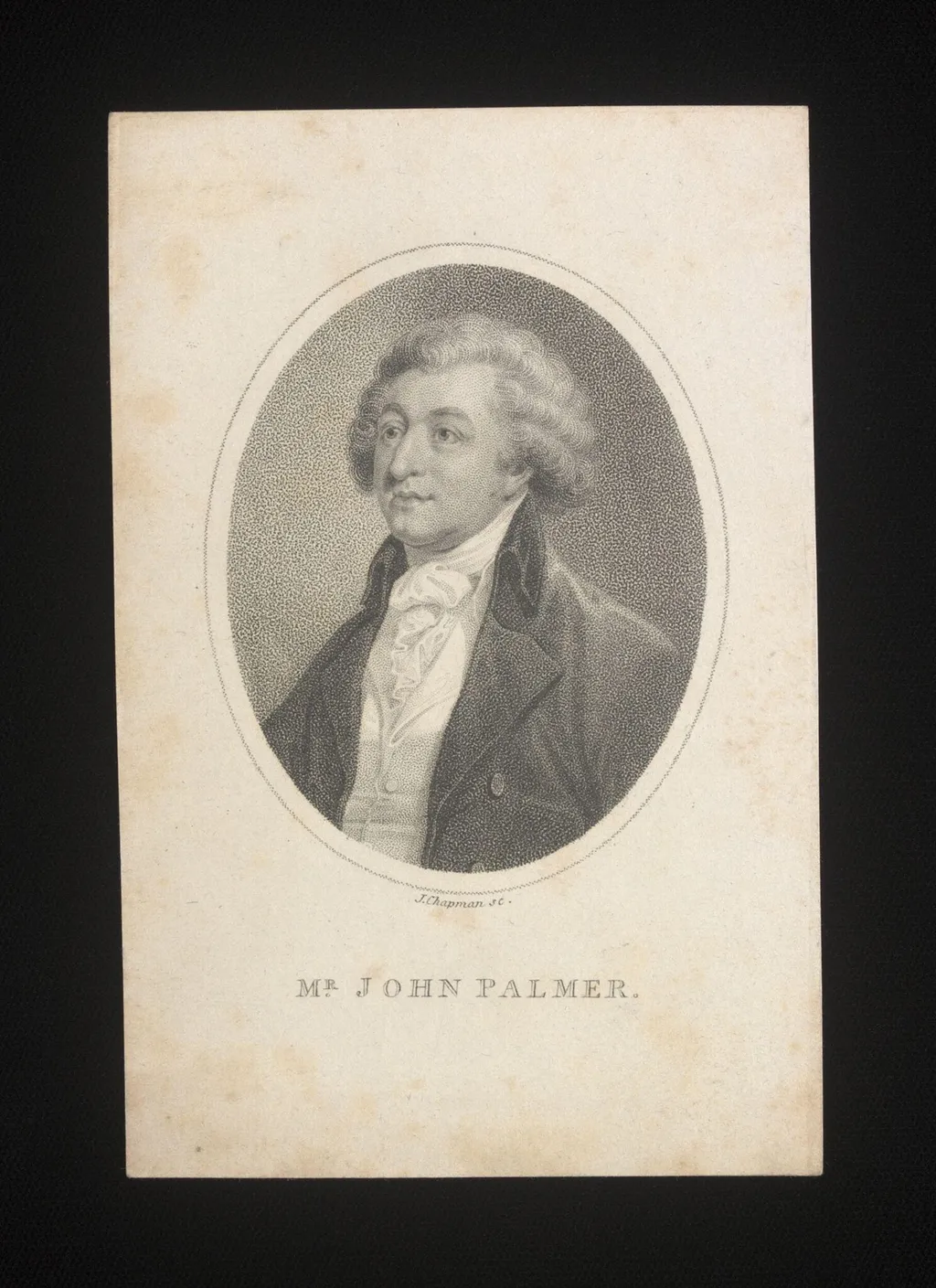
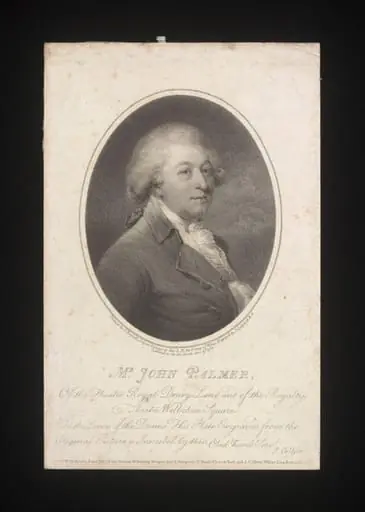
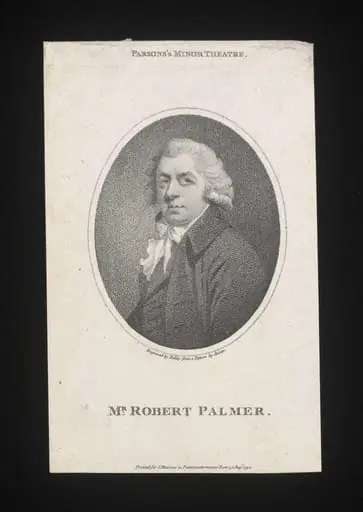
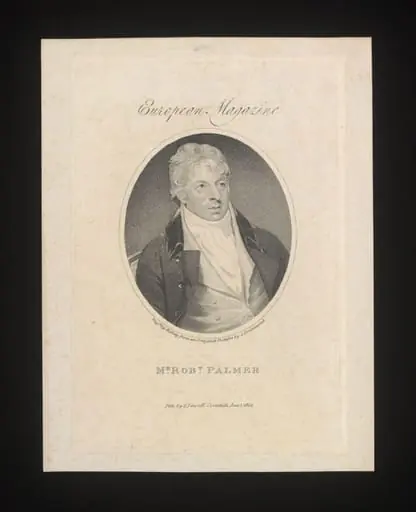
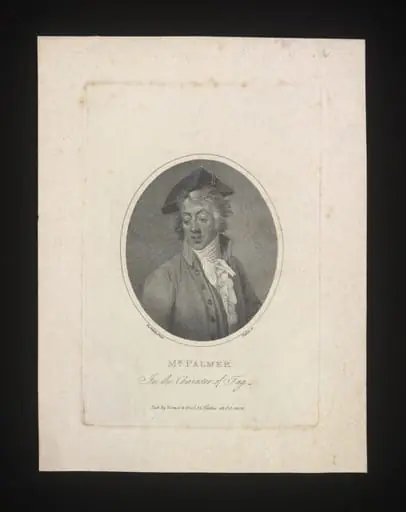
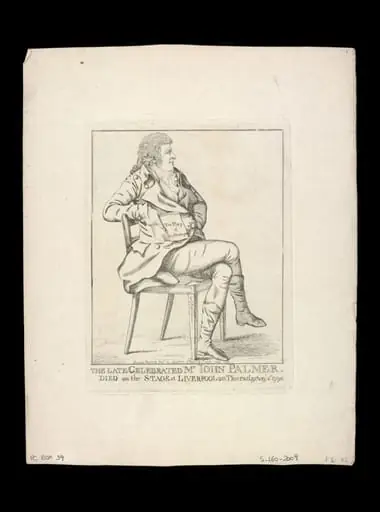
Mr John Palmer is a print by Unknown. It dates from 1750 and is held in the collection of the Victoria and Albert Museum. This 18th-century print portrays Mr.
About this work
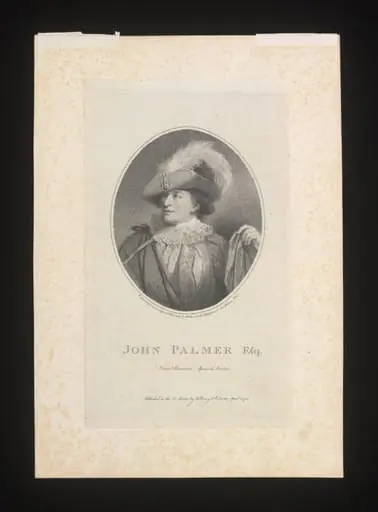
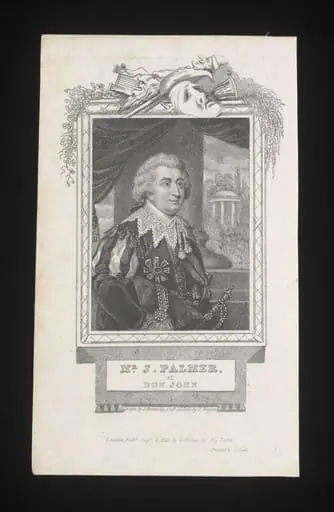
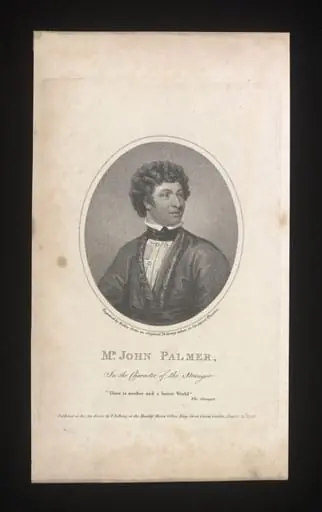
This print is a portrait of Mr John Palmer.
It's from the 18th century, which is interesting because that was a time when portraits were often used to show a person's status. The fact that it's a print, not a painting, suggests it might have been made to be reproduced and shared.
You can learn more about prints like this one at the Victoria and Albert Museum.
Overview
This 18th-century print portrays Mr. John Palmer, a figure of modest social standing. Unlike commissioned oil portraits reserved for the elite, this image was produced as a reproductive print, indicating its purpose was wider distribution. Its existence in the Harry Beard Collection suggests it was valued as a record of individual identity rather than a symbol of aristocratic power.
Subject & Meaning
John Palmer is depicted with restrained formality, typical of middle-class portraiture in the period. His attire and posture convey respectability without ostentation. The print likely served to affirm his social presence within his community, offering a tangible image of a non-noble individual at a time when such representations were becoming more accessible through print technology.
Technique & Style
Executed in a linear, engraved style, the print relies on fine lines and tonal shading to define facial features and clothing. The absence of color and the precision of the draftsmanship reflect standard practices in commercial printmaking of the era. Its clarity and simplicity suggest production for mass appeal rather than artistic experimentation.
History & Provenance
The print entered the Harry Beard Collection, a 19th-century assembly of theatrical and social portraiture. Its survival in this context implies it was preserved as a cultural artifact, possibly linked to Palmer’s association with public life or the arts. The collection’s focus on everyday figures underscores the print’s role in documenting non-aristocratic identities.
Context
In the 18th century, advances in engraving and printing allowed images to circulate beyond the wealthy. Portraits of professionals and merchants became common, reflecting broader societal shifts toward valuing individual merit. This print fits within a growing trend of visual documentation that extended beyond royal or noble subjects.
Legacy
As a surviving example of accessible portraiture, the print contributes to understanding how ordinary individuals were represented visually before photography. Its preservation in institutional collections like the V&A highlights its significance as evidence of evolving social visibility and the democratization of image-making in early modern Britain.
Artist & collection

 Domestic Scene
 Giacomo and Cardinal Marco, investing Andrea, Abbot of San Zeno, with his Benefice
 The Nymph of Fontainebleau
 Portrait of a Woman
 Madonna and Child with Saints in the Enclosed Garden
 Venus and Minerva
 Family Group of Four on Sofa
 Wall painting from Room H of the Villa of P. Fannius Synistor at Boscoreale