Artwork
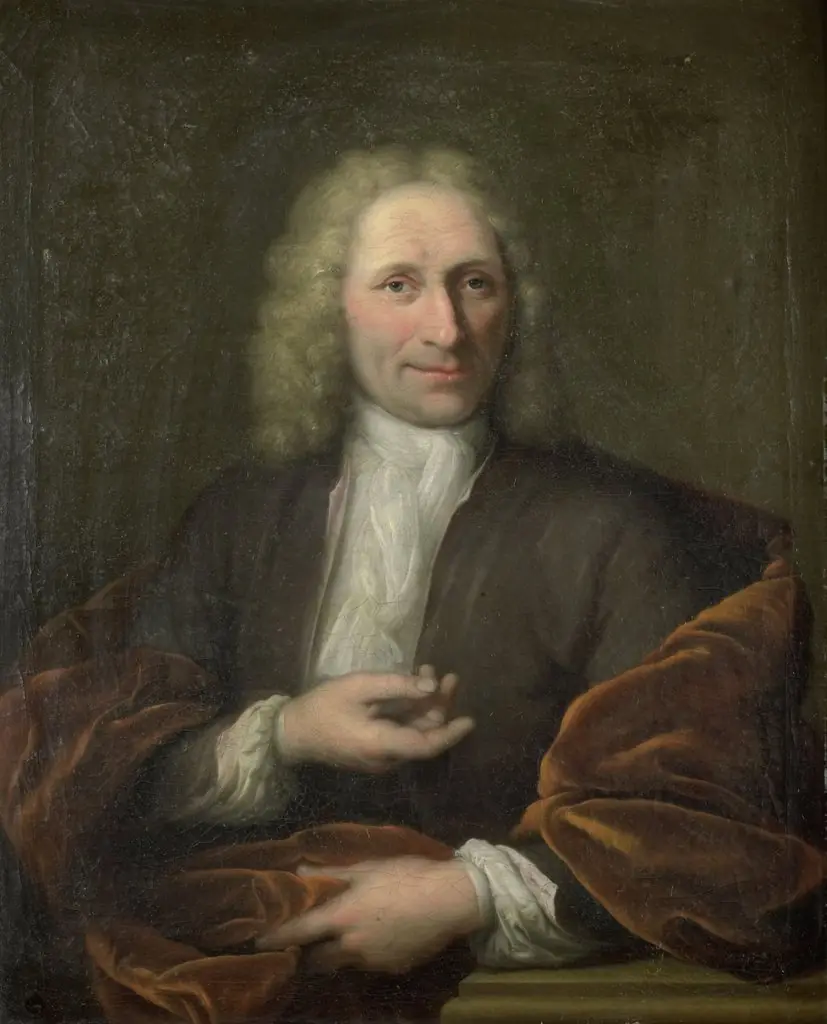
Portrait of a Man
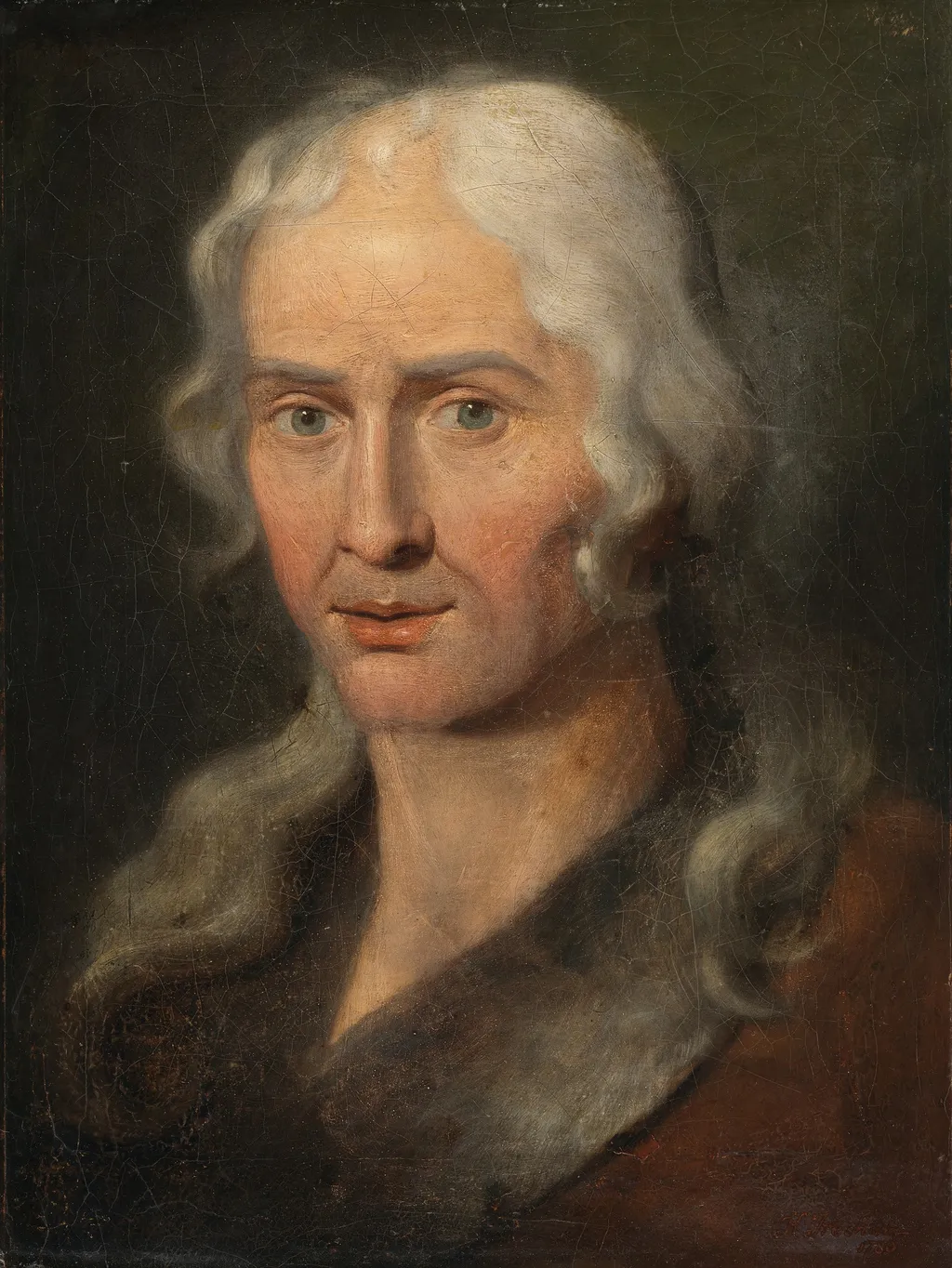
Portrait of a Man is an oil painting by the Neoclassicist artist Henry Tresham. It dates from 1790 and is held in the collection of the National Gallery of Ireland.
About this work
Overview
Portrait of a Man is an 1790 oil painting by Henry Tresham, an Irish-born British artist associated with the neoclassical movement. The work is a close-up portrait of a solemn, pale-haired man, set against a plain dark background that emphasizes his facial expression and attire.
Subject & Meaning
The subject, unidentified, is depicted with a serious expression and steady gaze, conveying a sense of introspection or quiet contemplation. His dark, fur-trimmed coat over a light shirt suggests a portrayal of dignity or social status.
Technique & Style
Tresham employed smooth brushwork, particularly on the subject's skin, contrasting with the textured rendering of the fur trim. The painting exemplifies chiaroscuro, leveraging strong contrasts between light and dark to create depth, drawing the viewer's focus to the subject's face and eyes.
History & Provenance
Created during Tresham's active period in late 18th-century London, following his formative time in Rome, the painting is now part of the National Gallery of Ireland's collection. Tresham later held the position of professor of painting at the Royal Academy of Arts in London (1807-1809).
Context
Rooted in the neoclassical movement, the portrait reflects the era's emphasis on simplicity, moral gravity, and classical influences, which Tresham likely absorbed during his time in Rome.
Legacy
While specific impact of *Portrait of a Man* on the broader art historical canon is not prominently noted, it contributes to the understanding of neoclassical portraiture in late 18th-century Britain and Tresham's contribution to this style.
Own this work as a print
Artist & collection
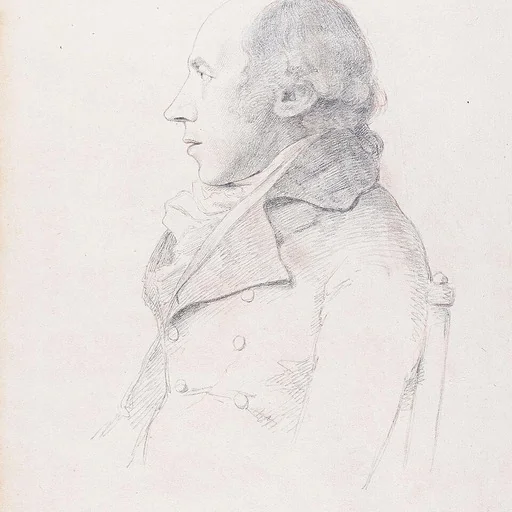
Artist
Henry Tresham (c.1751 – 17 June 1814) was an Irish-born British historical painter active in London in the late 18th century.

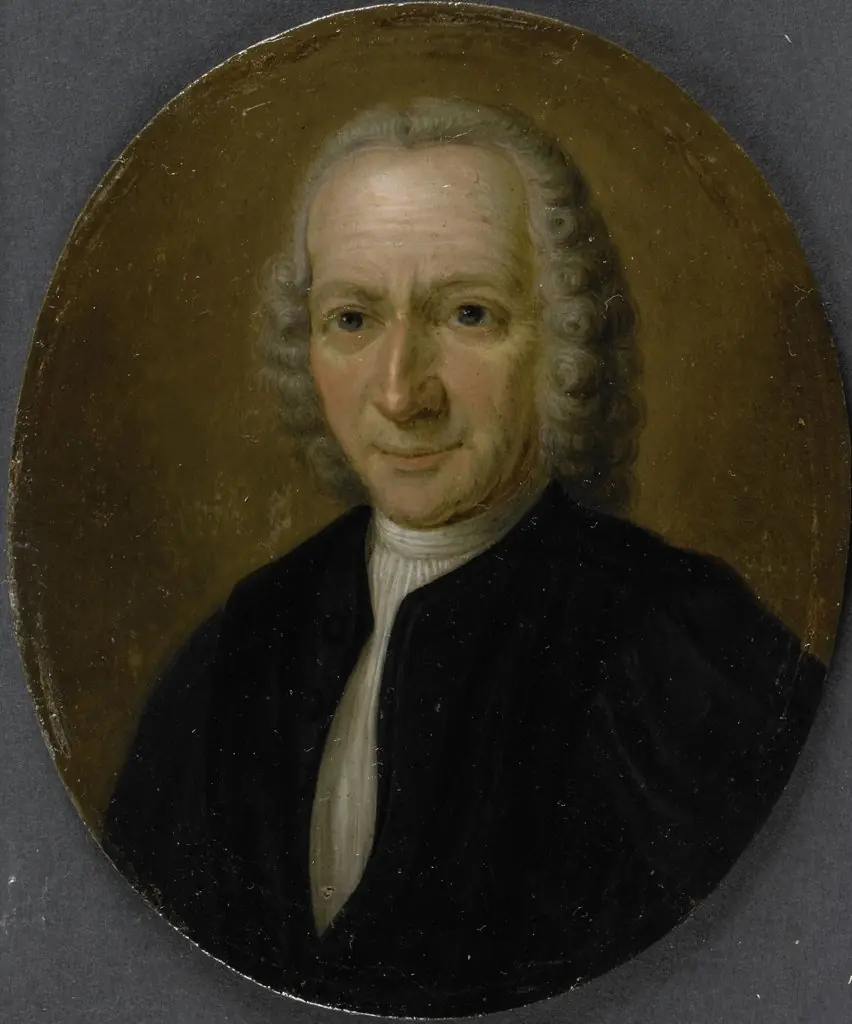 Adrianus van Royen (1704-79), professor of medicine and botany in Leiden
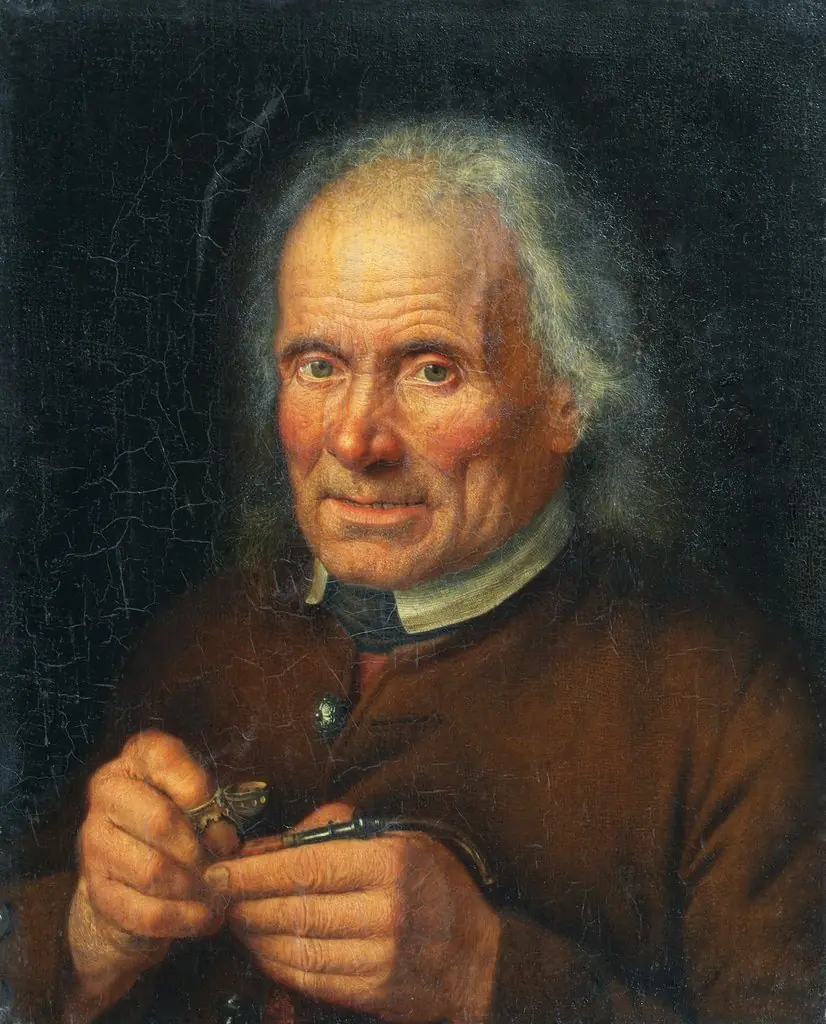 Alter Bauer, sein Pfeifchen stopfend
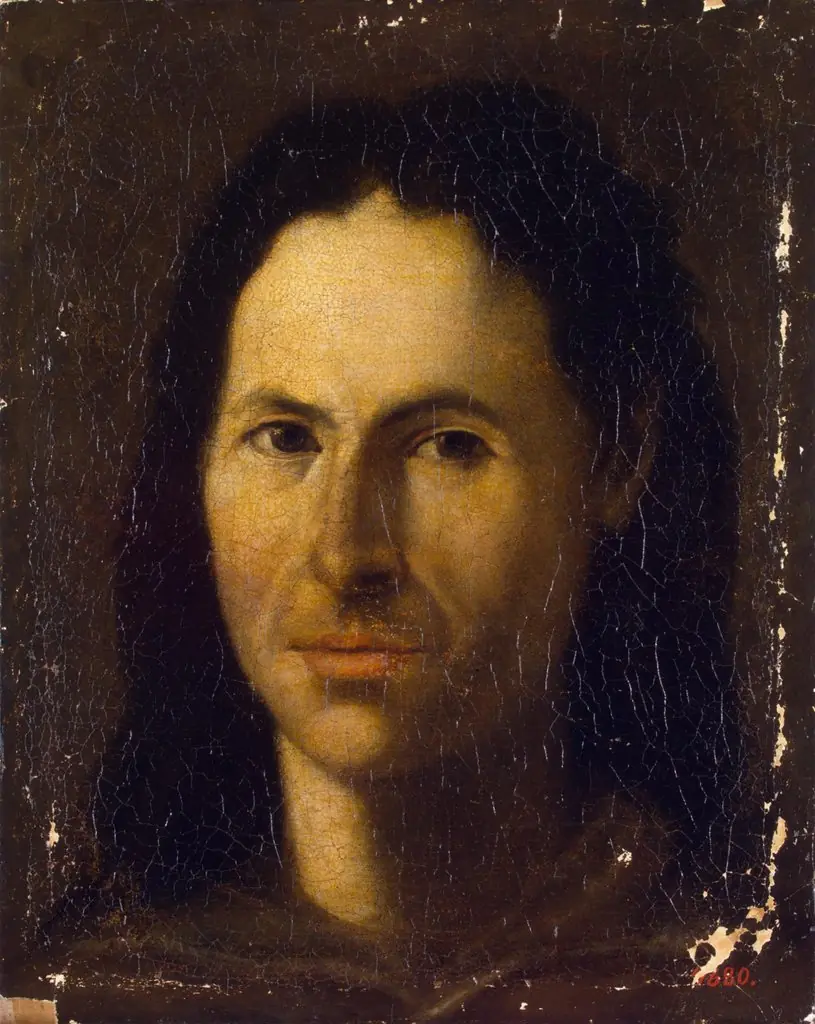 Portrait of Garcilaso de la Vega (?)
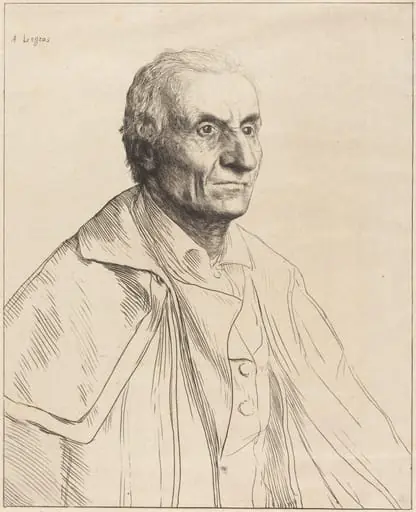 Large Spaniard (Le grand Espagnol)
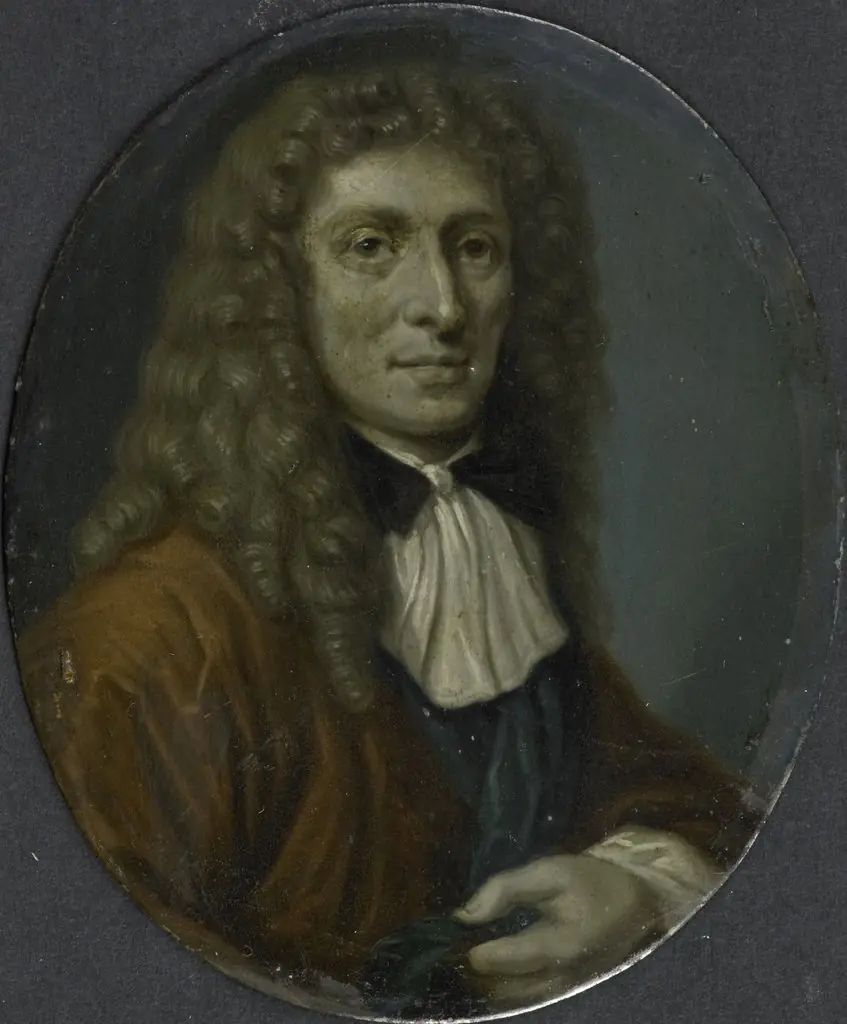 Portrait of Govert Bidloo
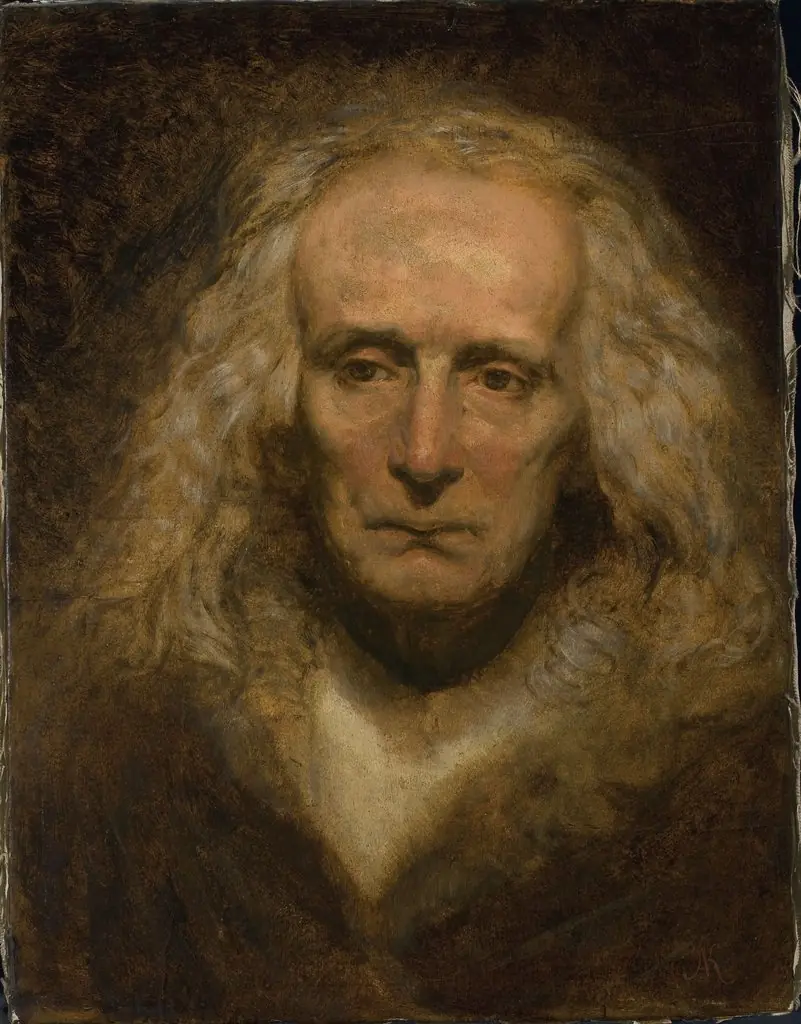 Head of Sabała
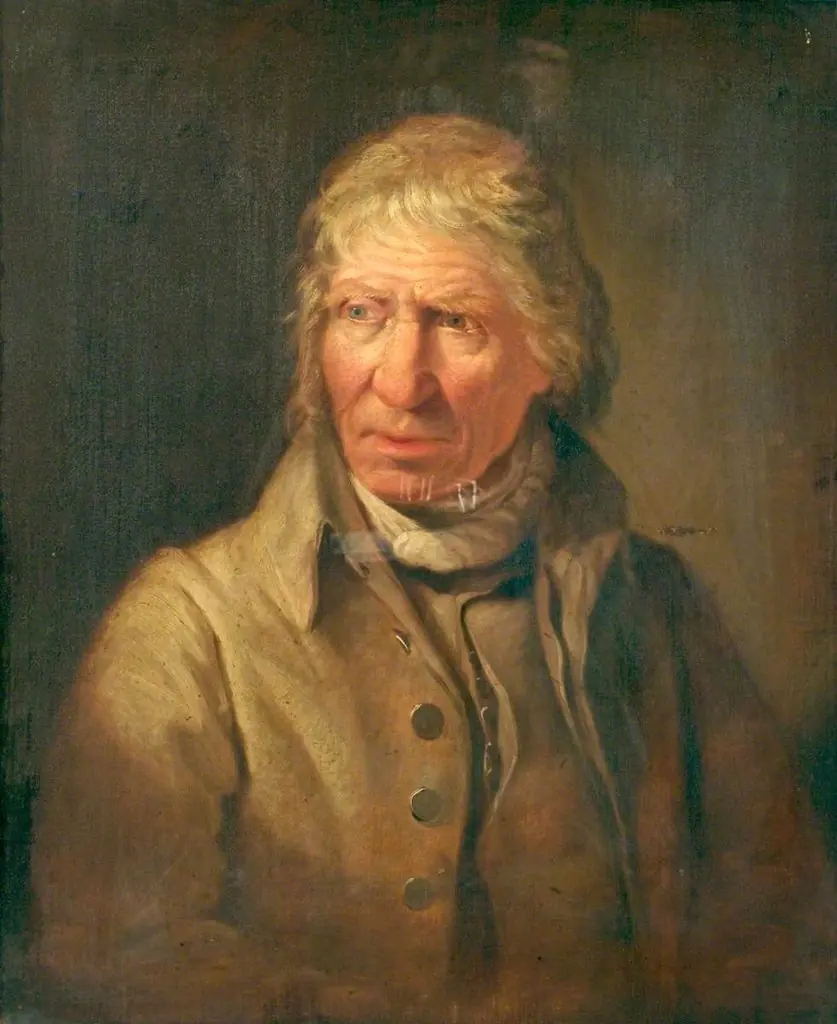 John Hallam
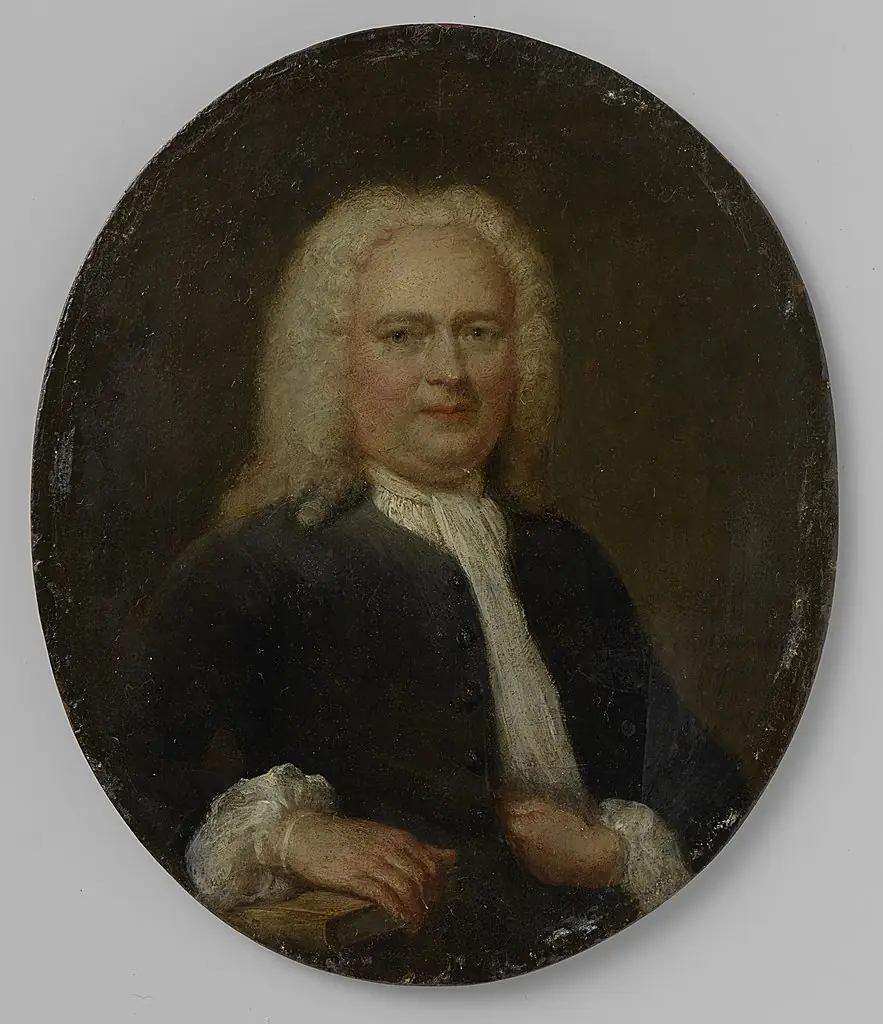 Portrait of a Man, perhaps a Member of the Klinkhamer Family
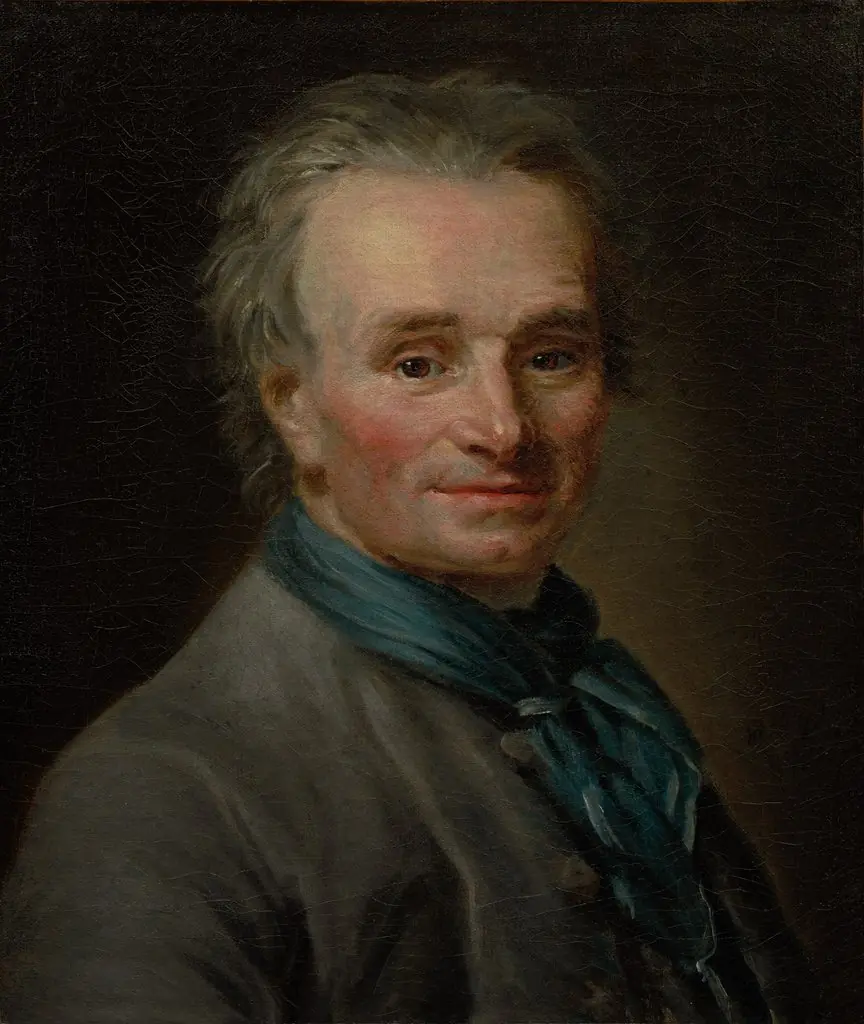 Portrait of Jean-Baptiste Lemoyne the Younger
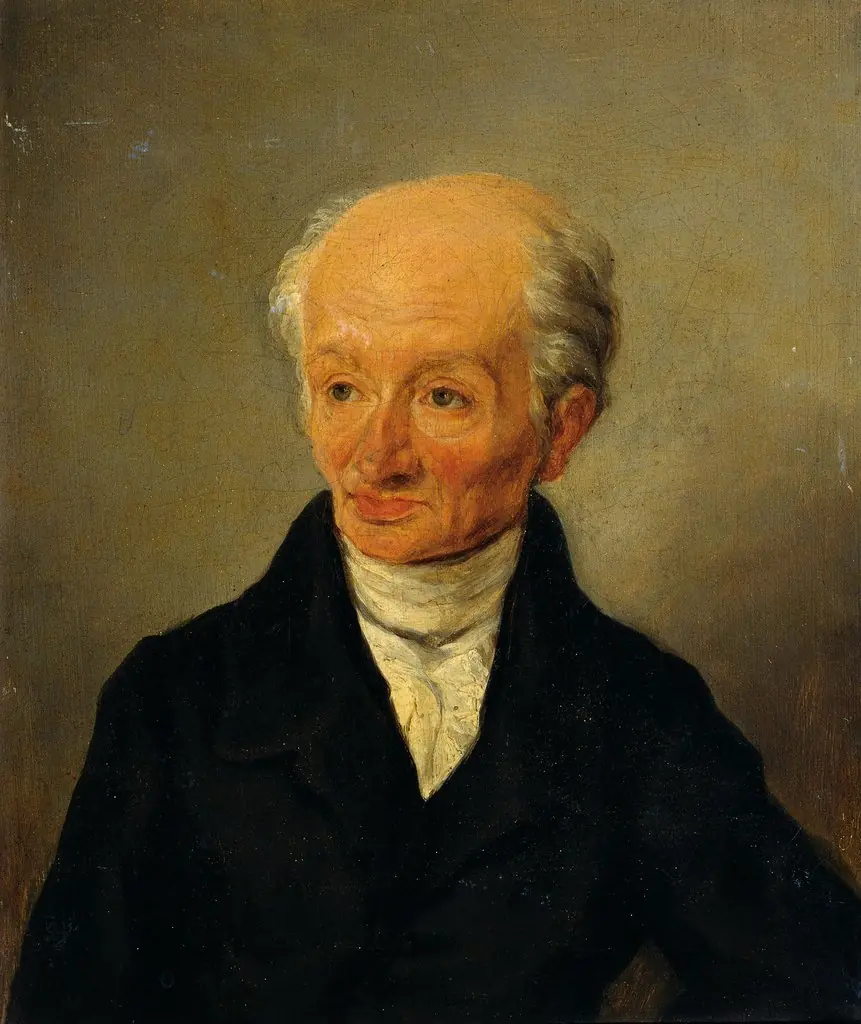 F. Gawet
 Portrait of a Man
 Portrait of a Man