Artwork
Alter Bauer, sein Pfeifchen stopfend
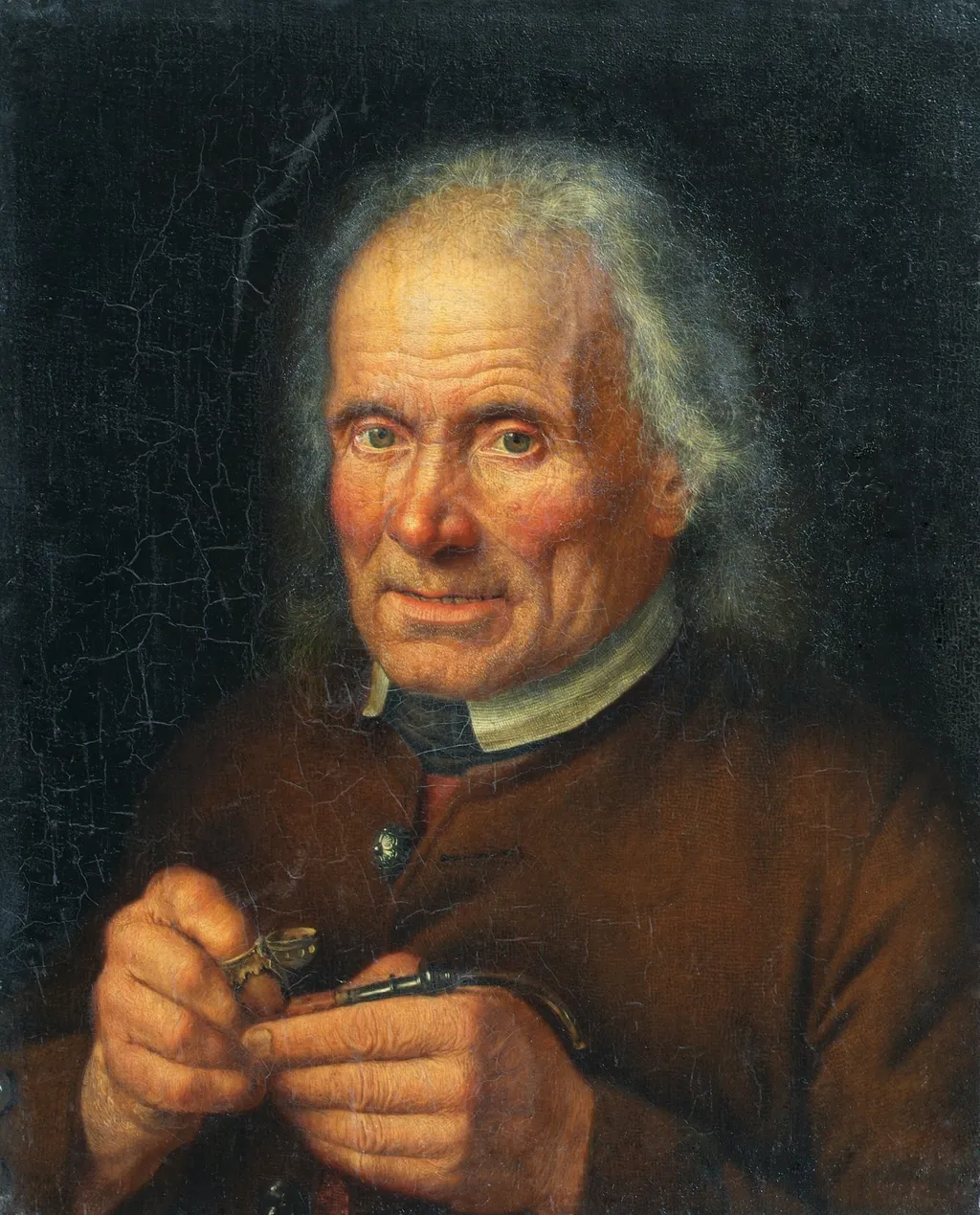
Alter Bauer, sein Pfeifchen stopfend is an oil painting by Johann Baptist Hoechle. It dates from 1803 and is held in the collection of the Kunsthistorisches Museum.
About this work
Overview
Painted around 1803 by Johann Baptist Hoechle, this oil portrait depicts an elderly peasant man in quiet repose. The work is part of the Kunsthistorisches Museum’s collection in Vienna. Its intimate scale and focused composition reflect a tradition of character studies common in early 19th-century Austrian art, emphasizing dignity in ordinary life rather than grandeur.
Subject & Meaning
The figure is an aging rural man, identified by his modest attire and weathered features. He pauses mid-action, holding spectacles in one hand and a tobacco pipe in the other, suggesting a moment of stillness between labor and rest. His direct gaze invites quiet engagement, conveying resilience and introspection without sentimentality.
Technique & Style
Hoechle uses subtle tonal gradations to model the man’s face, emphasizing texture in skin and fabric. The dark background isolates the figure, enhancing the play of soft light across his features. Brushwork is restrained yet precise, particularly in the rendering of wrinkles and the glint of light on the glasses, revealing close observation over theatrical effect.
History & Provenance
The painting entered the Kunsthistorisches Museum’s holdings in the 19th century, likely through imperial or aristocratic acquisition. Its attribution to Hoechle is consistent with his known output of genre portraits from this period. No significant alterations or reworkings are documented, preserving its original state.
Context
In early 1800s Austria, depictions of rural life gained attention as part of broader cultural interest in national identity and social realism. Hoechle’s work aligns with this trend, avoiding idealization to present a figure whose humanity is rendered through quiet detail rather than narrative drama.
Legacy
Though not widely reproduced, the painting remains a representative example of regional portraiture from the Napoleonic era. It contributes to understanding how Austrian artists documented everyday life with restraint and empathy, influencing later generations focused on truthful representation over ornamentation.
Own this work as a print
Artist & collection

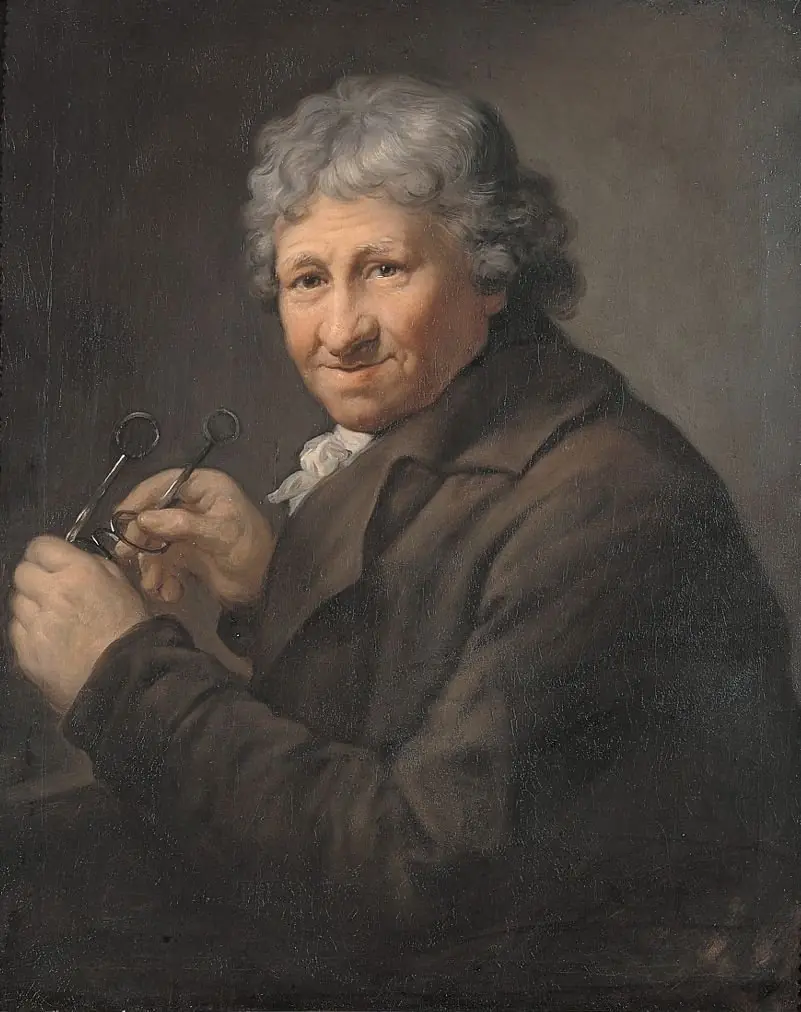 Daniel Chodowiecki
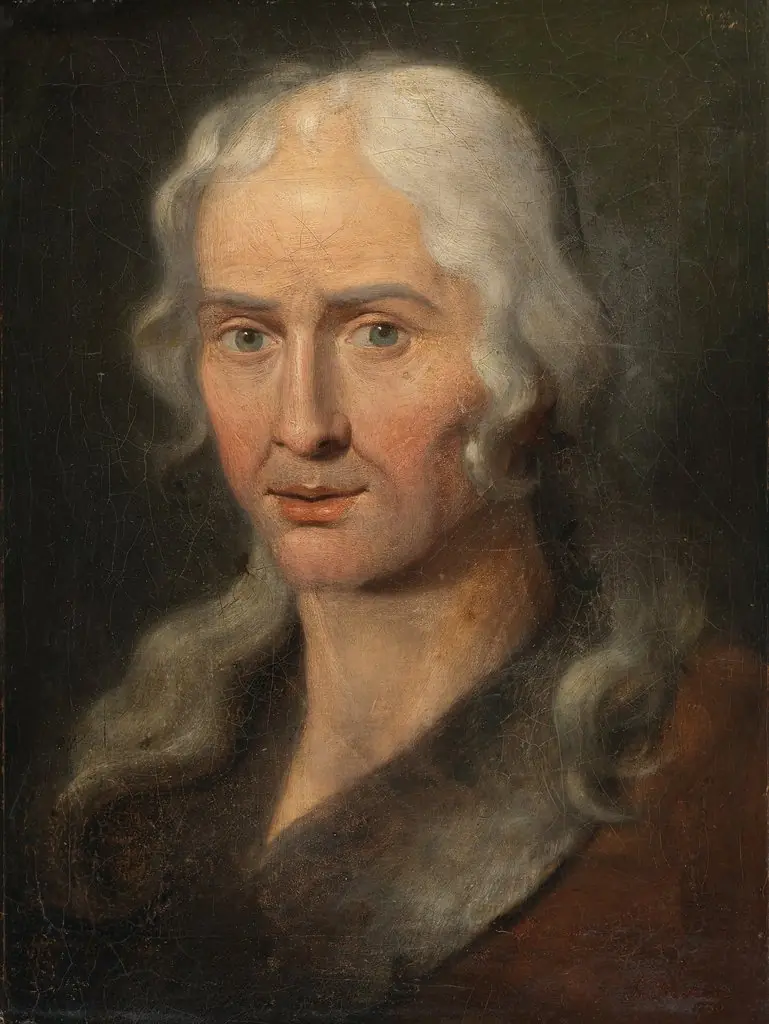 Portrait of a Man
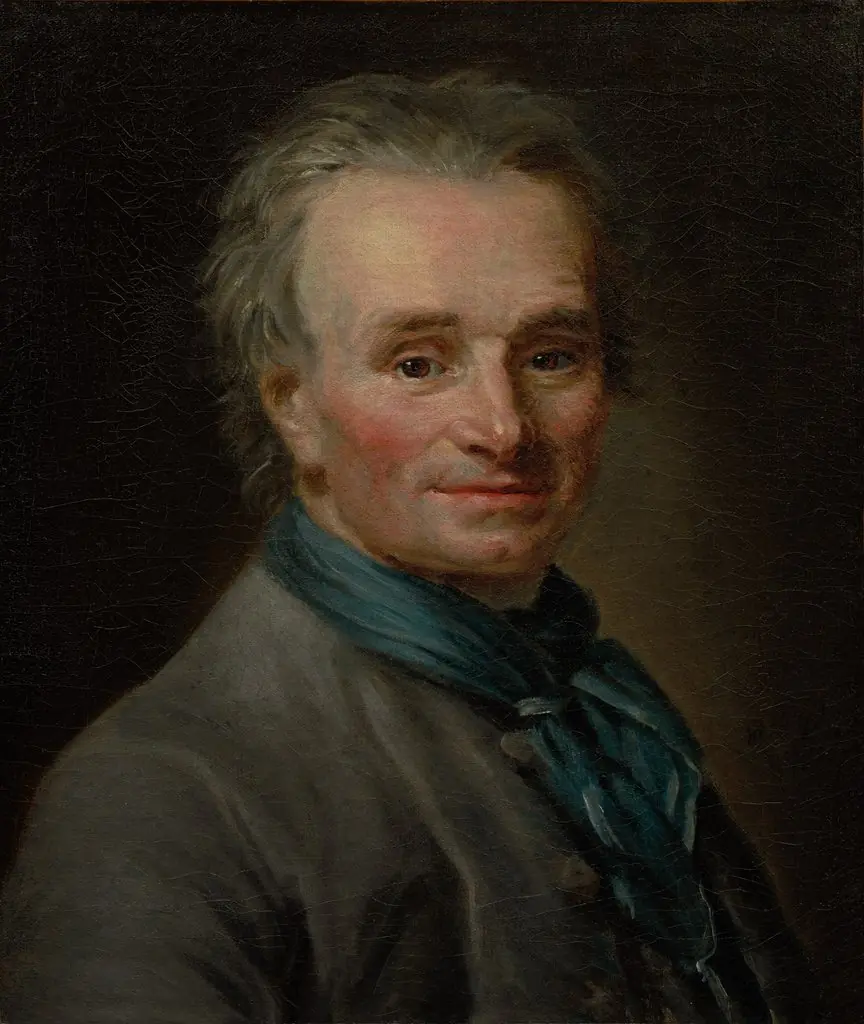 Portrait of Jean-Baptiste Lemoyne the Younger
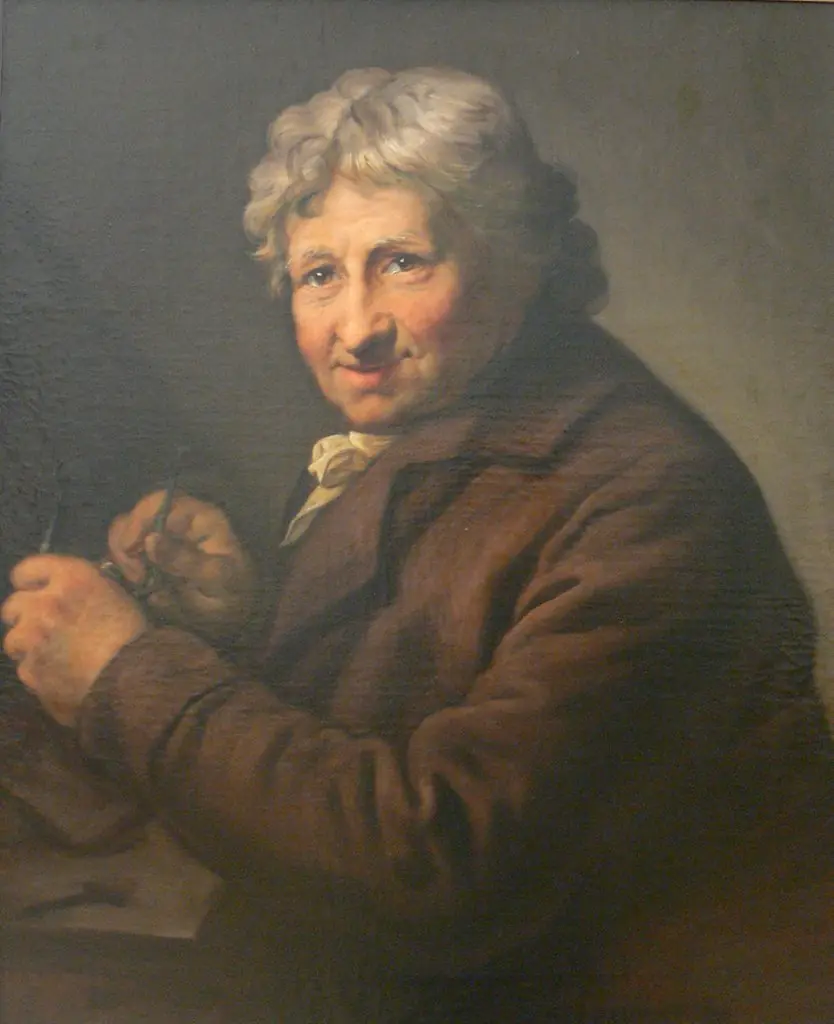 Daniel Nikolaus Chodowiecki
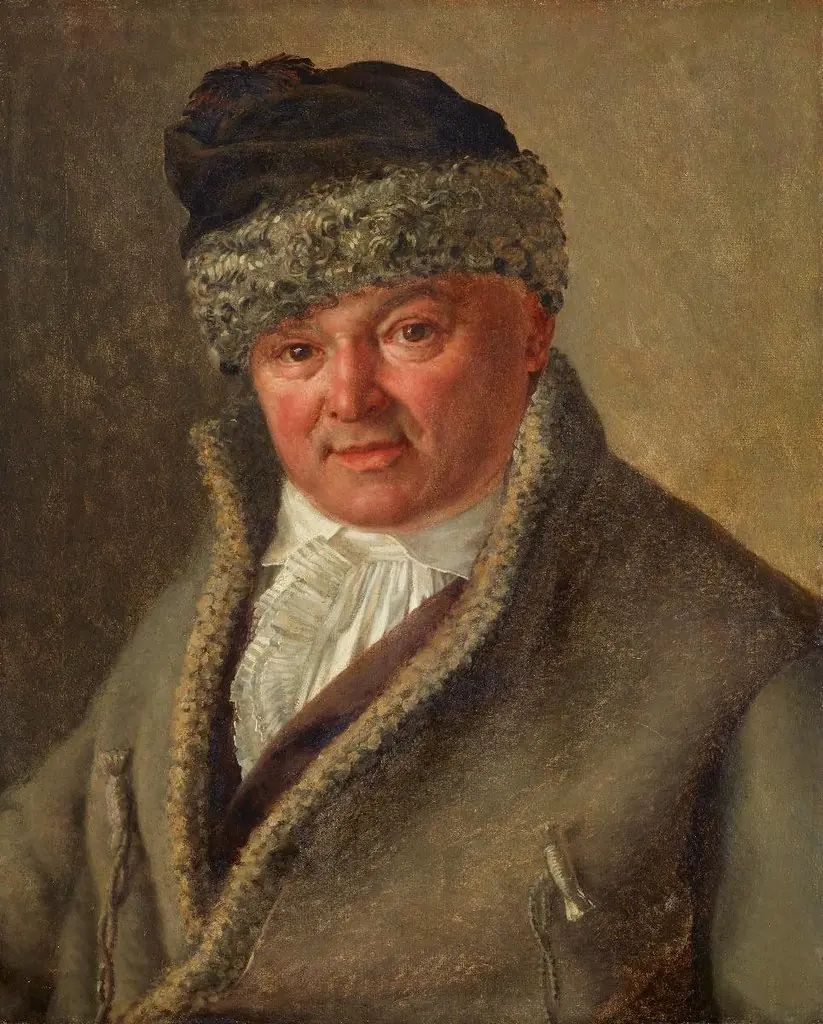 Bildnis des Landschaftsmalers Johann Heinrich Wüest
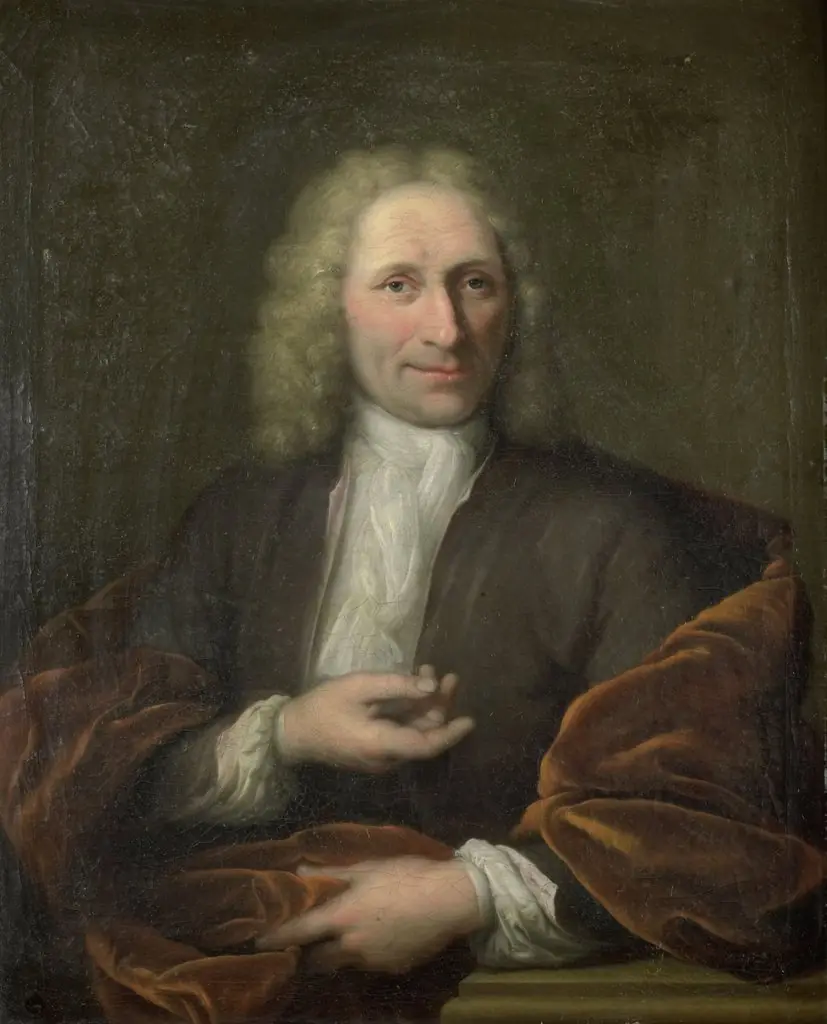 Portrait of a Man
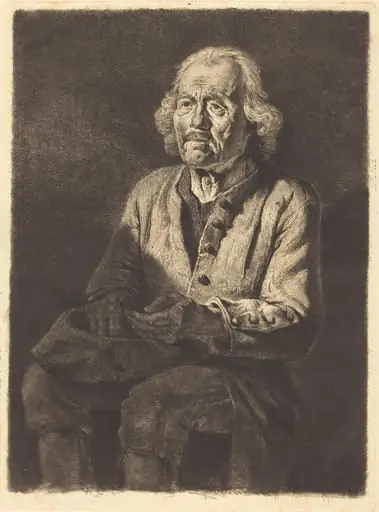 The Old Peasant Girard
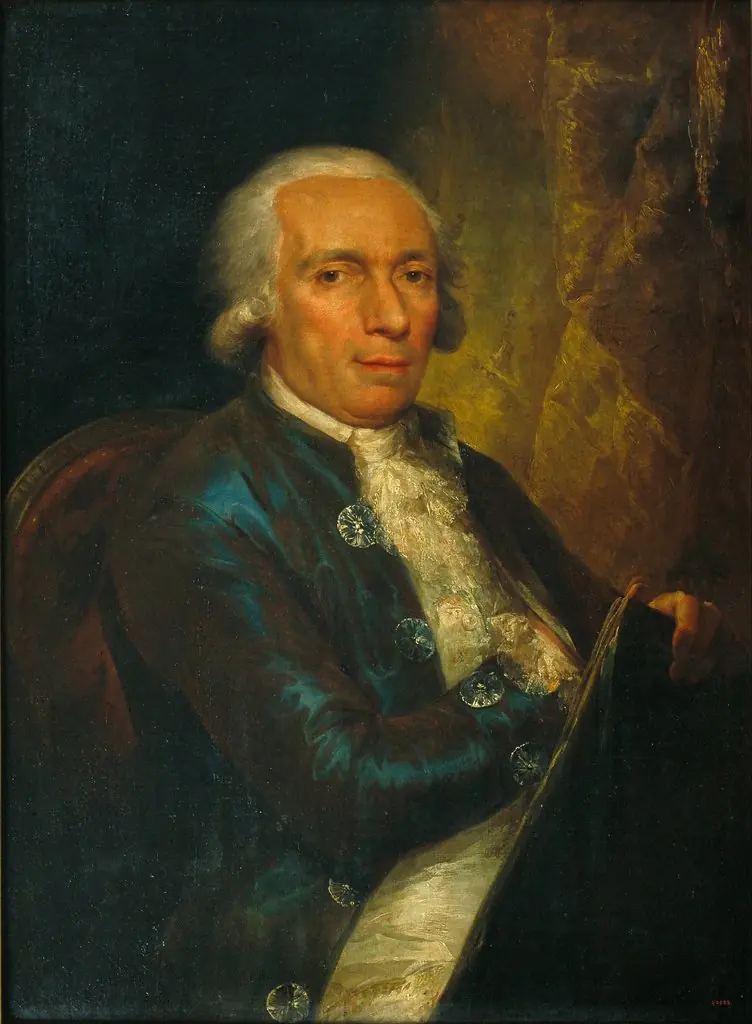 Portrait of the Engraver Pasqual Pere Moles, first director of the Escola de Llotja
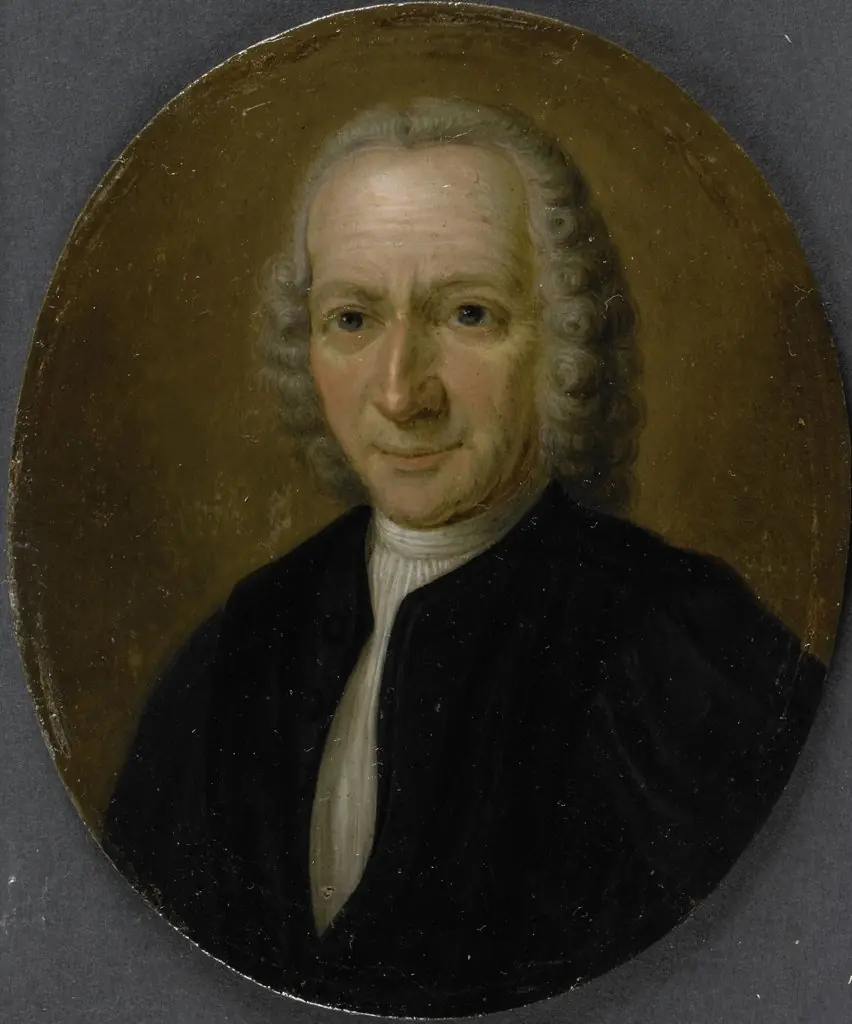 Adrianus van Royen (1704-79), professor of medicine and botany in Leiden
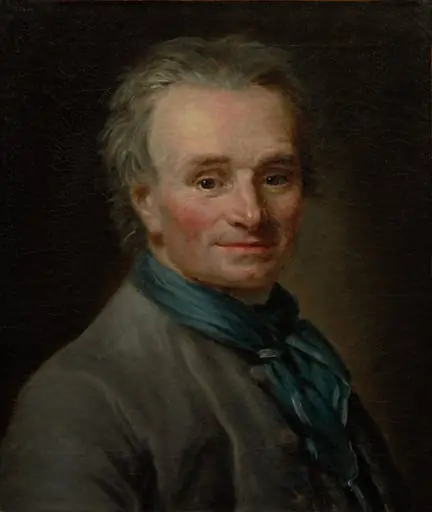 Portrait of Jean-Baptiste Lemoyne the Younger
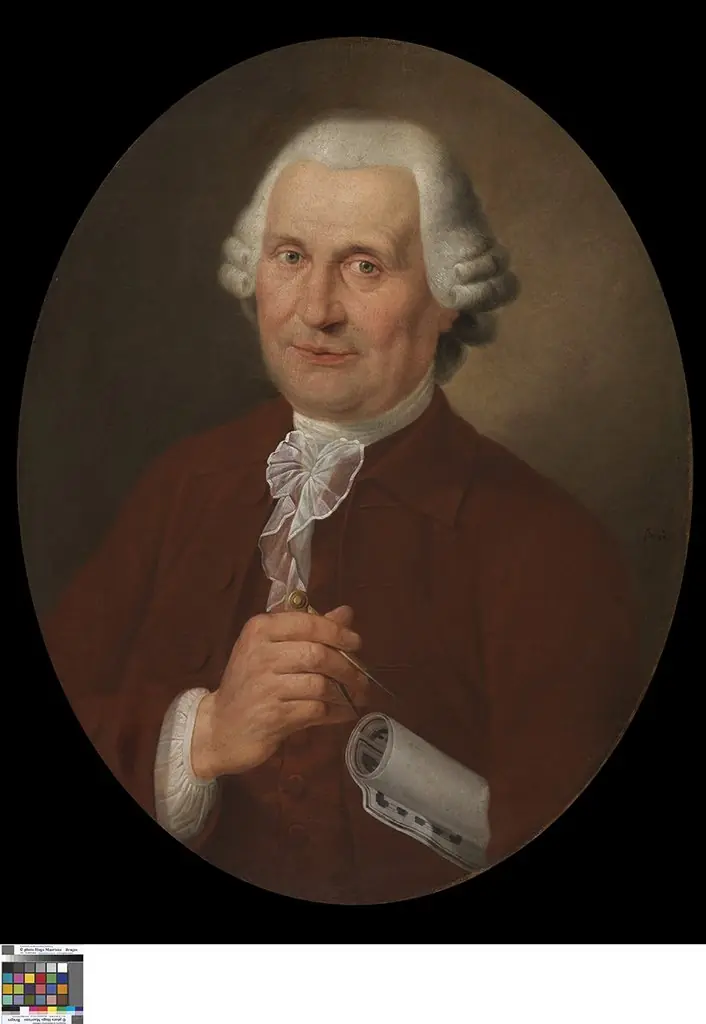 Portrait of Emmanuel van Speybrouck-Coutteau
 Alte Frau mit einem Dukaten