Artwork
Untitled
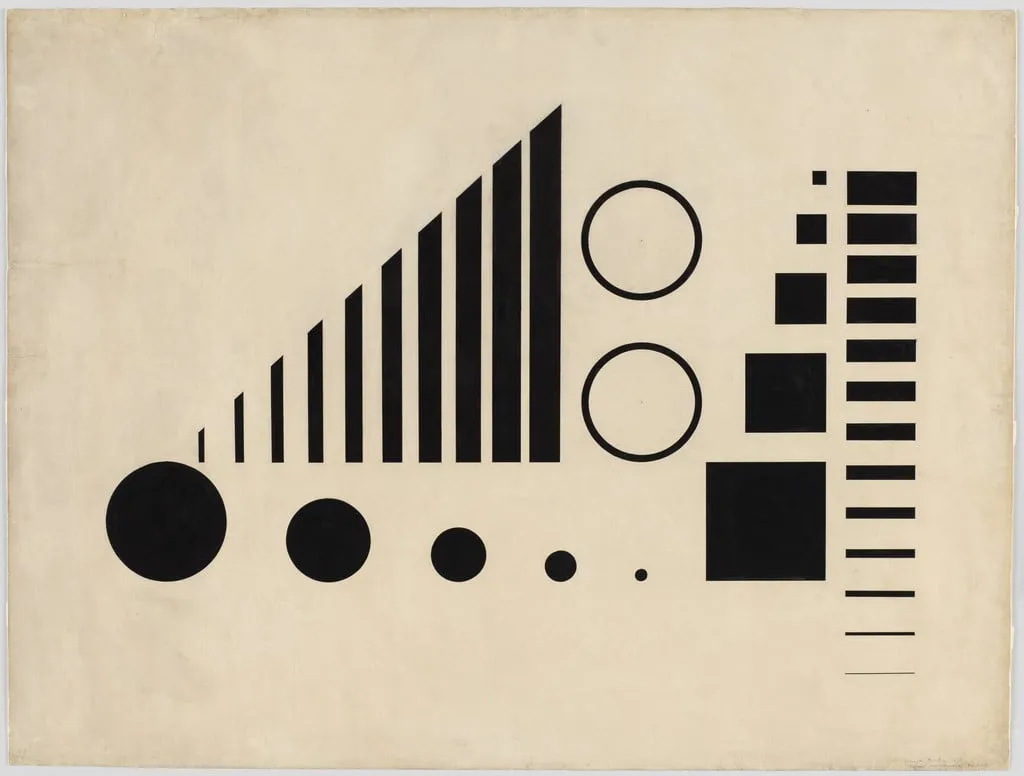
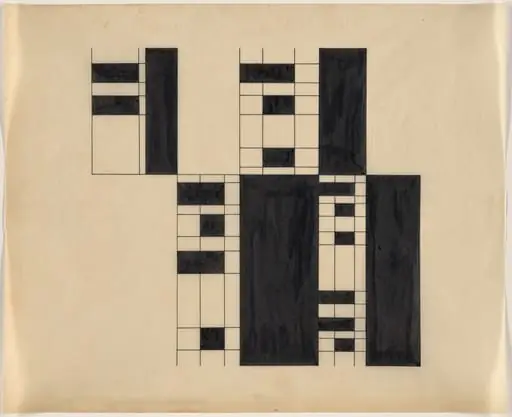
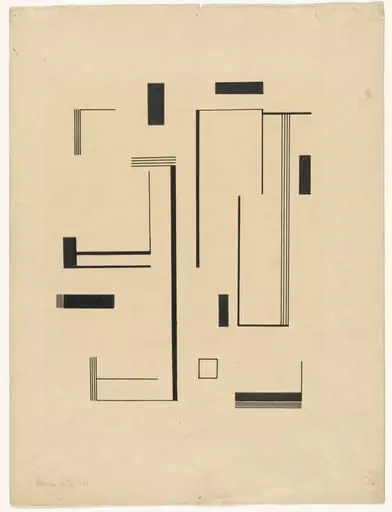
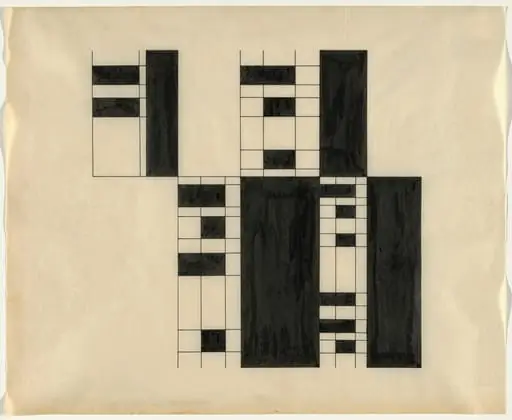
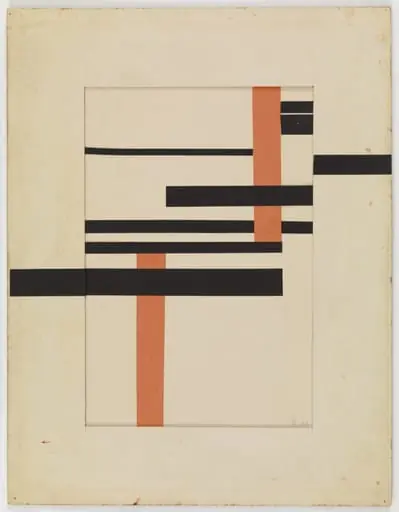
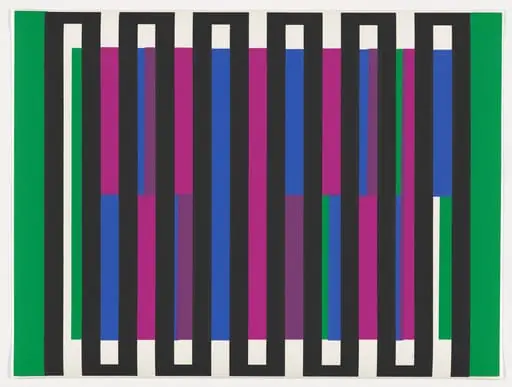
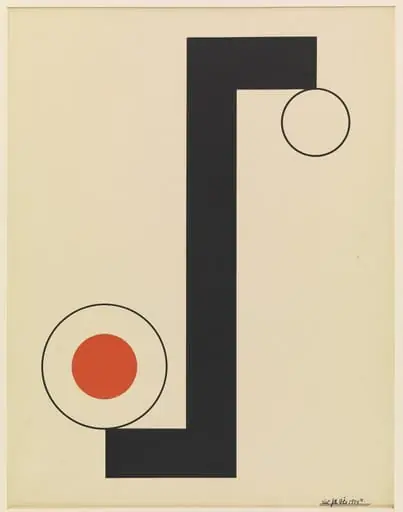
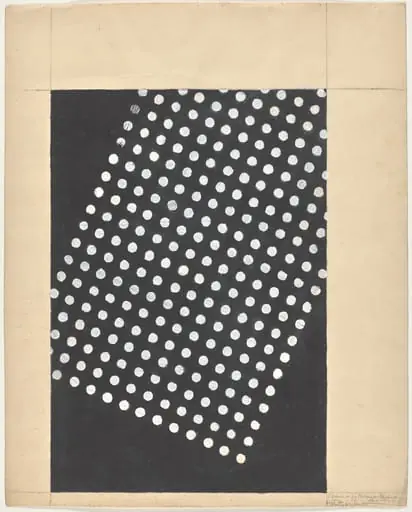
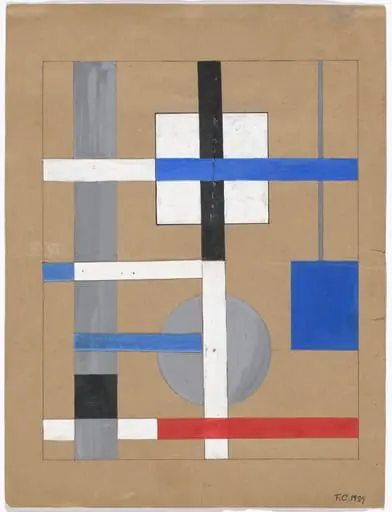
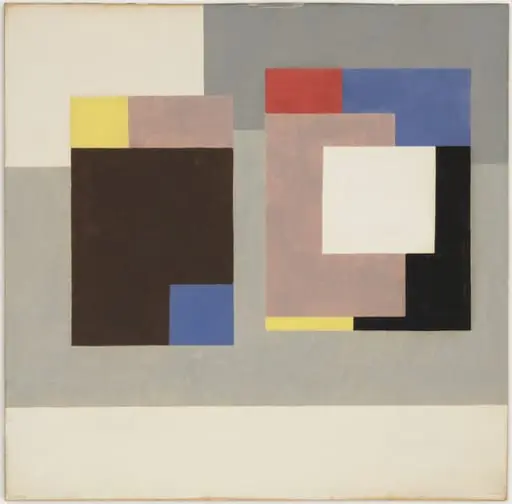
Untitled is a gouache drawing by Henryk Berlewi. It dates from 1924 and is held in the collection of the Museum of Modern Art.
About this work
Overview
Its matte finish and precise application reflect the material properties of gouache, a water-based paint favored for its opacity and control.
Created in 1924 by Polish-French artist Henryk Berlewi, this gouache on paper drawing belongs to a series of abstract compositions from his early experimental phase. Rendered in stark black and white, the work exemplifies Berlewi’s interest in geometric form and visual rhythm. Its matte finish and precise application reflect the material properties of gouache, a water-based paint favored for its opacity and control.
Subject & Meaning
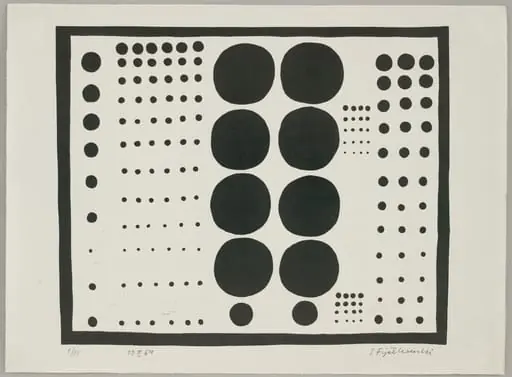
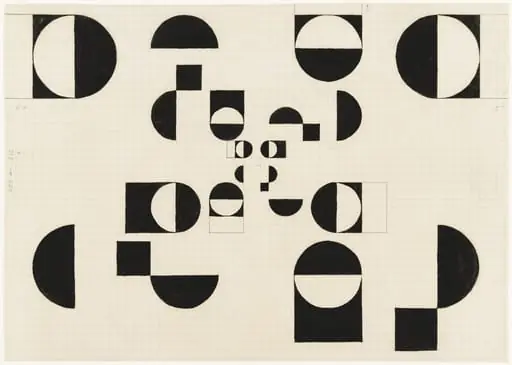
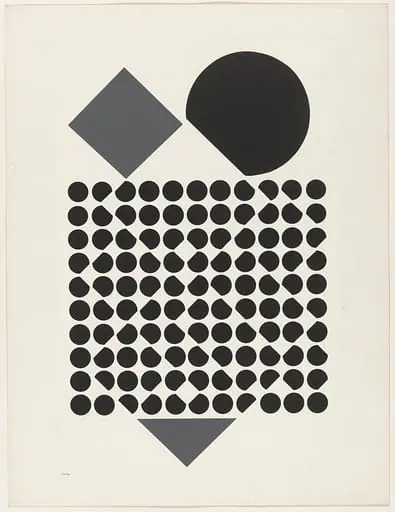
The composition presents no representational imagery, instead arranging abstract shapes—tall rectangles, diminishing circles, hollow rings, and aligned squares—as if testing spatial relationships. The arrangement suggests a structural logic, possibly evoking architectural or mechanical systems. Berlewi’s intent appears rooted in formal inquiry rather than narrative, aligning with broader interwar explorations of non-objective art.
Technique & Style
Berlewi employed gouache for its matte, non-reflective surface and precise edge control, allowing sharp contrasts between black forms and the untouched paper ground. The shapes are rendered with deliberate clarity, avoiding brushstroke expressiveness. This restrained approach emphasizes geometry and balance, reflecting influences from Constructivism and early typographic design, both central to his broader practice.
History & Provenance
The work entered The Museum of Modern Art’s collection as part of its broader effort to document European avant-garde movements of the 1920s. Berlewi, active in both Paris and Warsaw, produced this piece during a period of intense engagement with modernist aesthetics. Its preservation reflects institutional recognition of his role in bridging Polish and French experimental art circles.
Context
In the early 1920s, Berlewi was deeply involved in Yiddish publishing, designing books that fused typography with abstract visual language. This drawing shares the same disciplined aesthetic as his typographic work—clean lines, modular elements, and a focus on structure. It emerged alongside European movements like De Stijl and Bauhaus, though Berlewi maintained a distinct, personal vocabulary within abstraction.
Legacy
Berlewi’s abstract works from this period laid groundwork for later developments in optical and concrete art. Though less widely known than his contemporaries, his integration of graphic design principles into fine art anticipated postwar trends. This drawing remains a quiet but significant example of how non-representational forms were being systematically explored across disciplines in interwar Europe.
Artist & collection
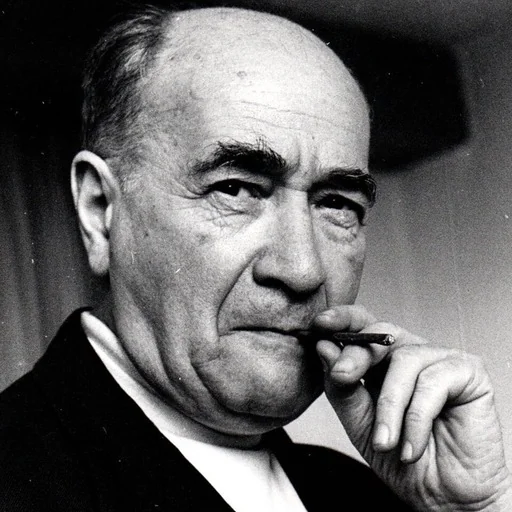
Artist
Henryk Berlewi (Yiddish: הענריק בערלעװי; October 20, 1894 – August 2, 1967) was a Polish-French painter, graphic designer and art theorist, who is primarily remembered as an abstract artist who paved the way for optical…