Artwork
Antonie Frederick Jan Floris Jacob Baron van Omphal (1788-1863), Lieutenant General
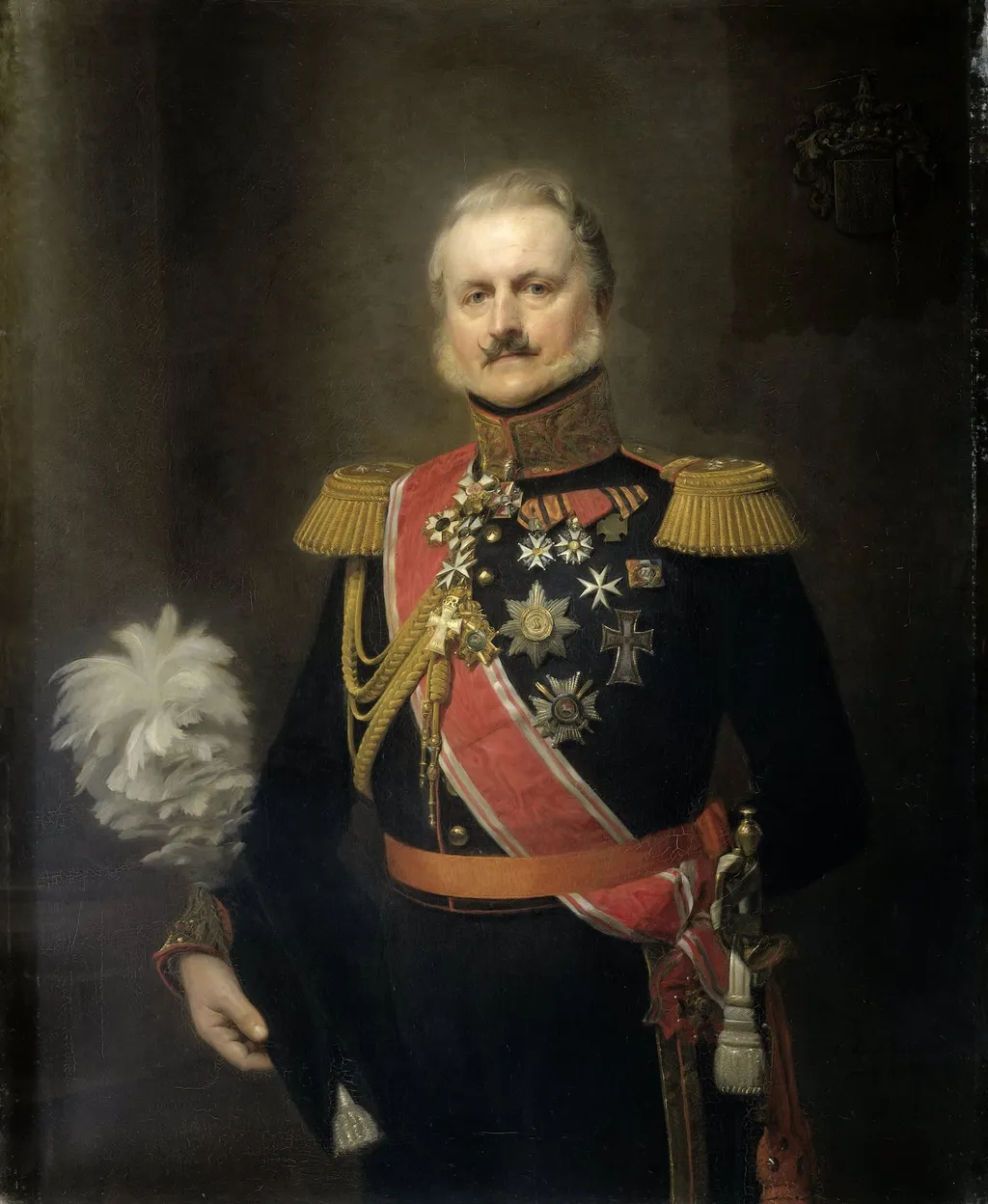
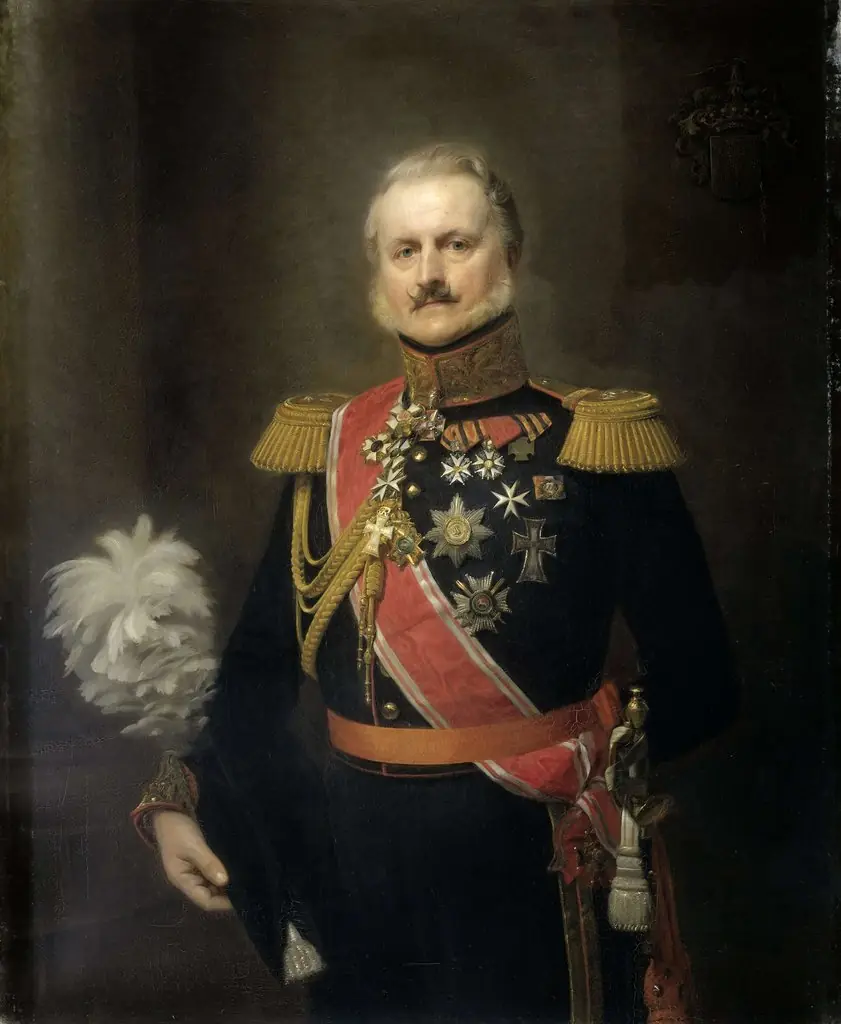
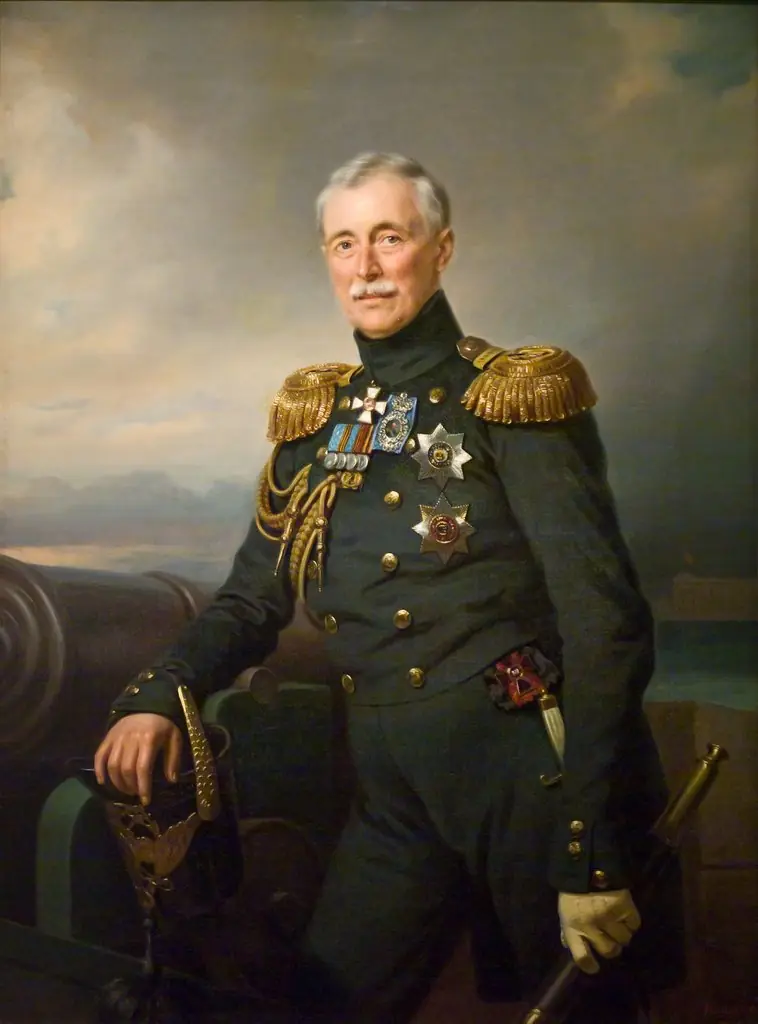
Antonie Frederick Jan Floris Jacob Baron van Omphal (1788-1863), Lieutenant General is an unspecified painting by the Dutch Golden Age artist Herman Antonie de Bloeme. It dates from 1854 and is held in the collection of the Rijksmuseum.
About this work
Overview
The canvas depicts Antonie Frederick Jan Floris Jacob van Omphal, a Dutch lieutenant general of the early nineteenth century, rendered in full military dress. He stands upright, his gaze directed forward, while a profusion of insignia and medals adorns his chest, signalling a distinguished career in both royal service and various chivalric orders.
Subject & Meaning
The accumulation of these decorations underscores his role as an extraordinary adjutant to the king and a senior commander within the Dutch military hierarchy.
Van Omphal’s portrait functions as a visual résumé, enumerating his numerous honors: the fourth‑class Military William Order earned for Waterloo, the 35‑year service clasp, knighthoods in the Orders of the Oak Crown, Guelph, Dannebrog, Johanniter, St Anna, Red Eagle, the Sword with Grand Cross, and St Stanislaus, among others. The accumulation of these decorations underscores his role as an extraordinary adjutant to the king and a senior commander within the Dutch military hierarchy.
Technique & Style
Executed in a realistic, academic manner typical of early‑nineteenth‑century portraiture, the work emphasizes precise rendering of uniform details—gold braid, epaulettes, and the metallic sheen of medals—against a subdued background. The artist’s handling of light accentuates the texture of the fabrics and the polished surfaces of the decorations, reinforcing the subject’s authority.
History & Provenance
The portrait was likely commissioned after Van Omphal’s participation in the Battle of Waterloo, where he served in the third division under General David Hendrik Chassé. He later attended the celebrated Waterloo Banquet at Wellington’s Apsley House in 1818, where the Duke of Wellington toasted him publicly, cementing his reputation within the allied military elite.
Context
In the post‑Napoleonic era, Dutch officers who distinguished themselves at Waterloo were frequently honored with high orders and public recognition. Van Omphal’s array of medals reflects the broader practice of using visual symbols to convey loyalty to the restored Dutch monarchy and to celebrate the nation’s contribution to the coalition victory.
Legacy
The portrait remains a testament to the intertwining of military service and aristocratic status in the Netherlands during the first half of the nineteenth century, offering scholars a detailed record of the period’s honorific system and the visual language employed to represent elite officers.
Own this work as a print
Artist & collection
Artist
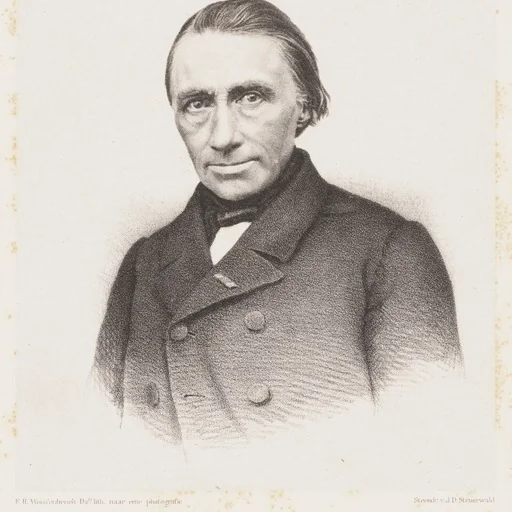
Herman Antonie de Bloeme (1802–1867) was an artist, born in The Hague.

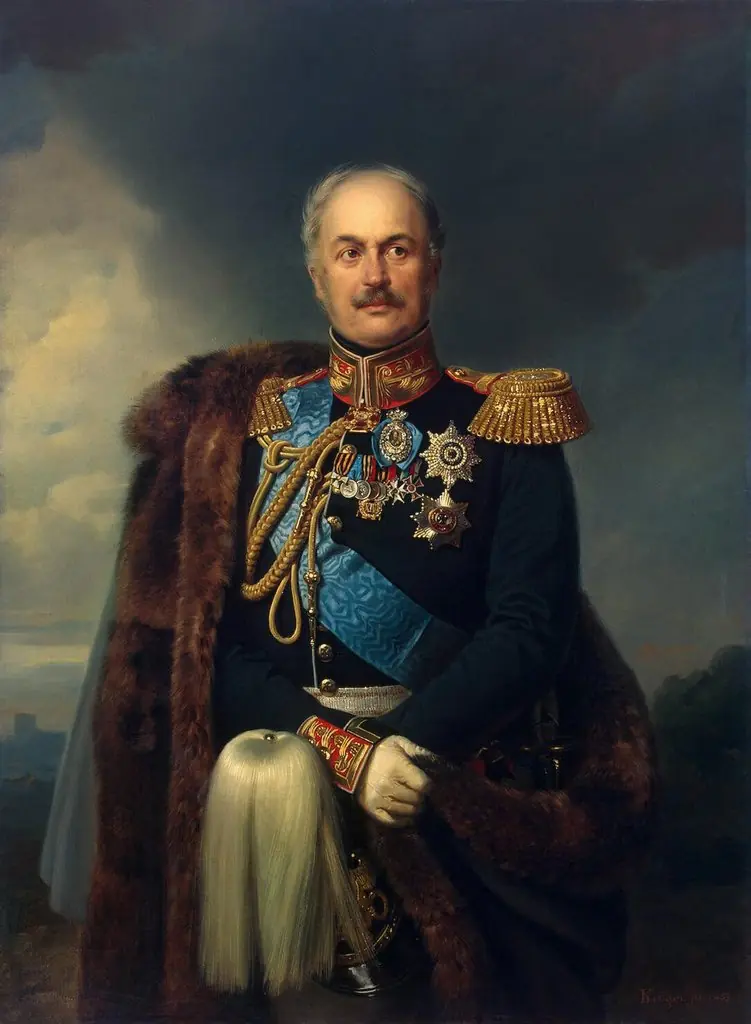 Portrait of Pavel Kiselyov
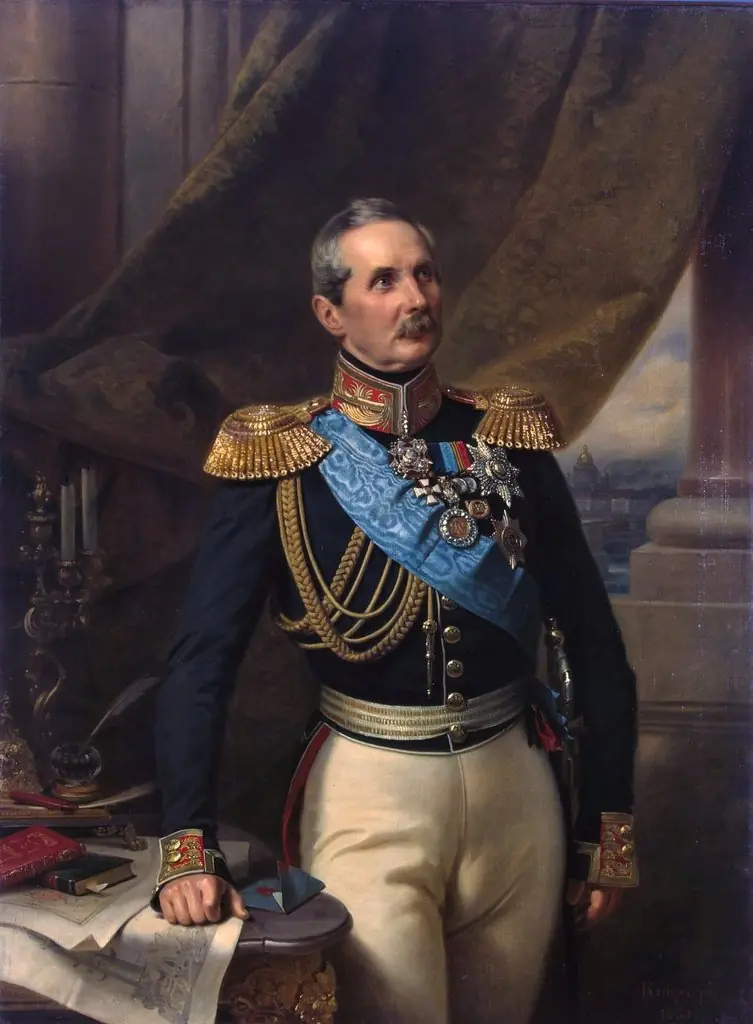 Portrait of Pyotr Kleinmichel
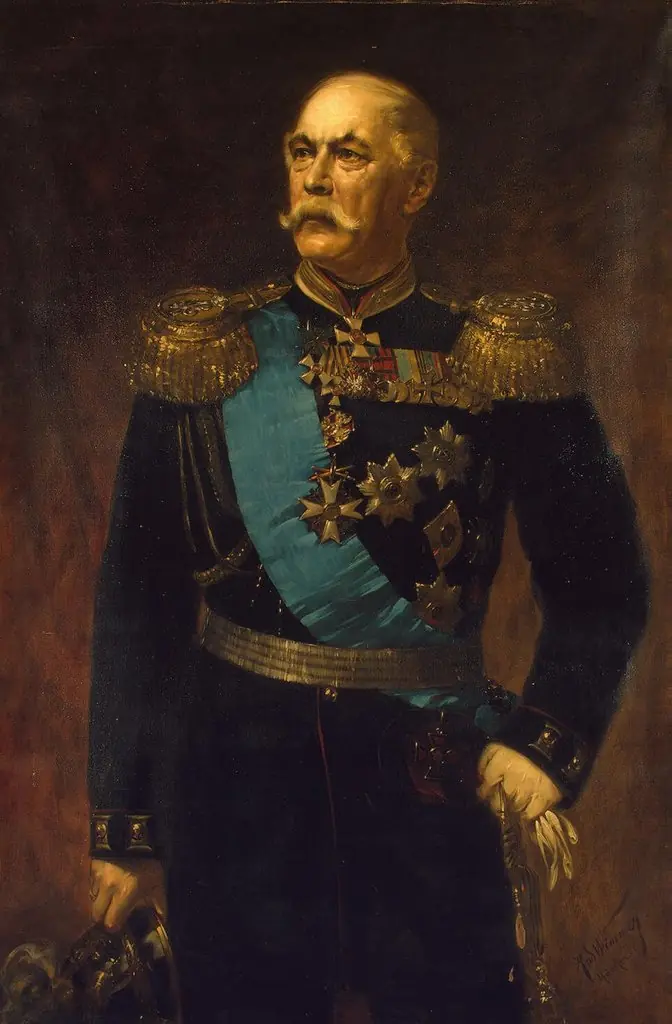 Portrait of Eduard I. Totleben
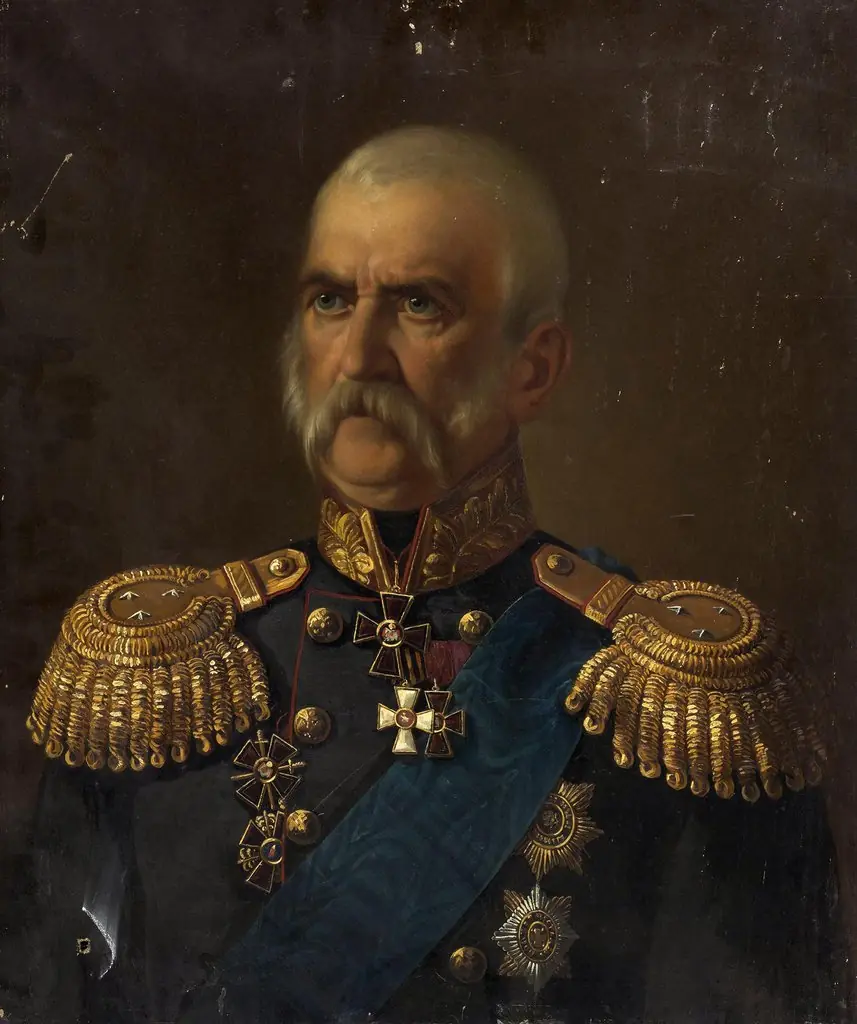 Portrait D.B. Bronevskogo
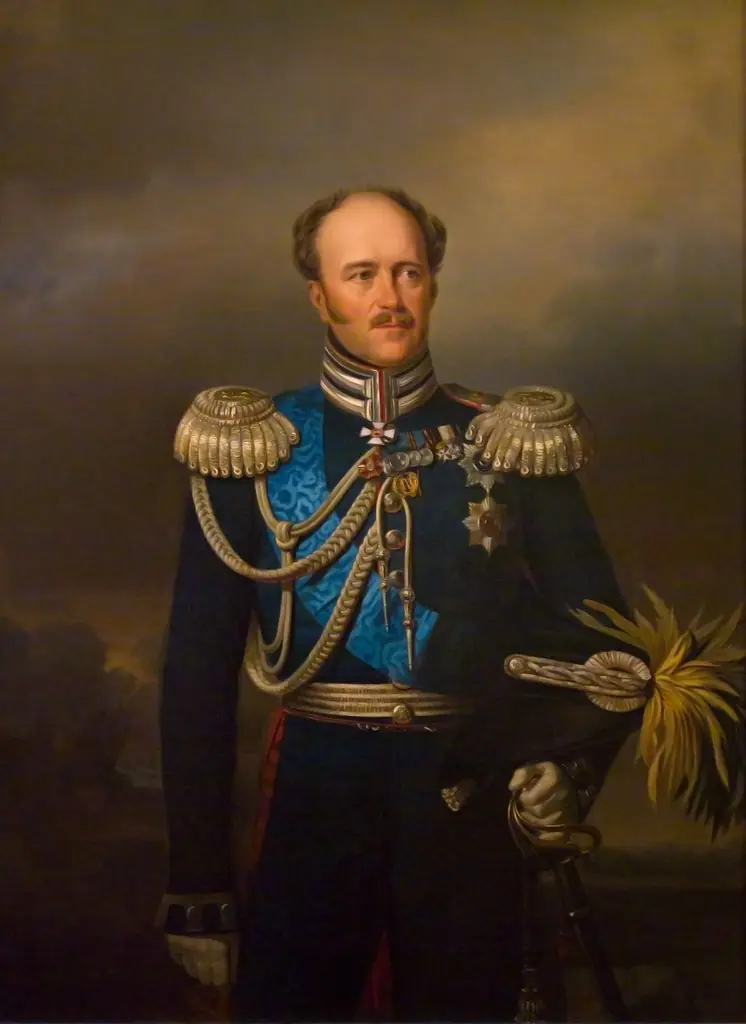 "Portrait of Count Alexander Benkendorff" (copy)
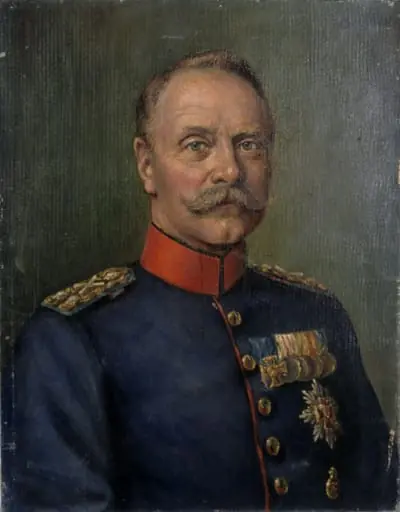 Bildnis: Großherzog Friedrich II. von Baden
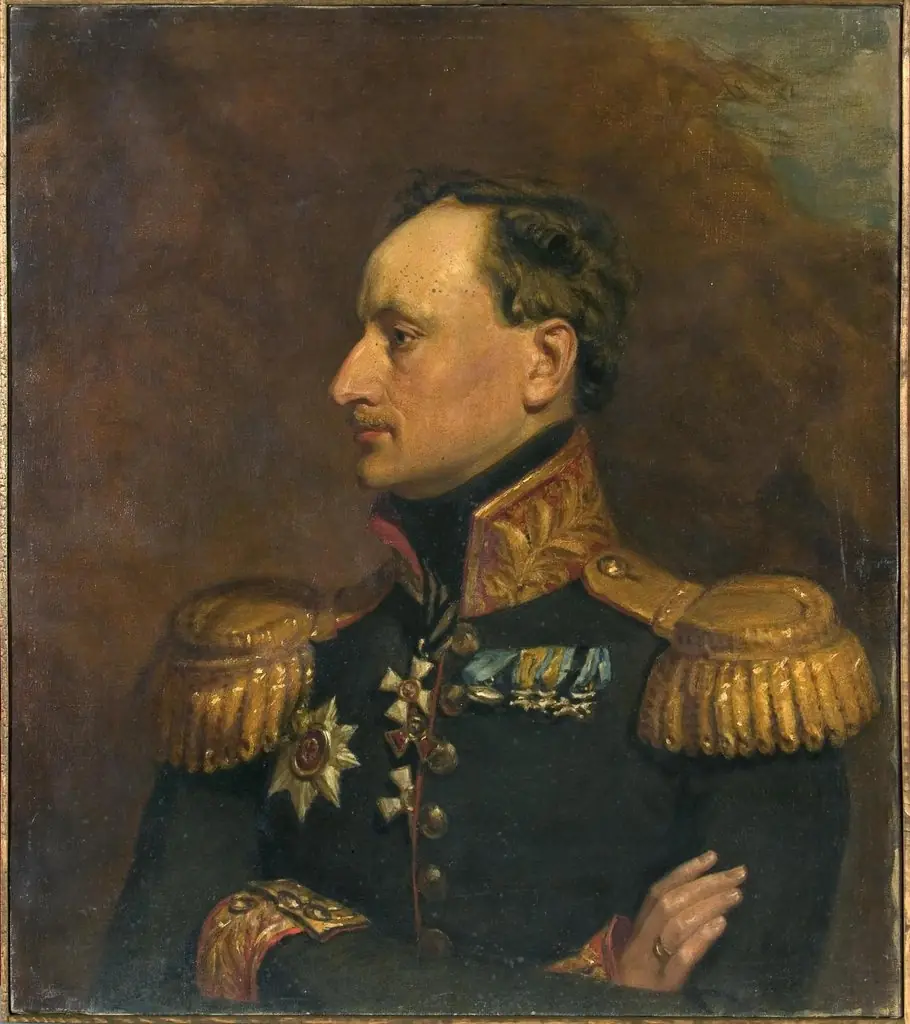 Portrait of Count Konstantin von Benkendorff (1785-1828) (copy)
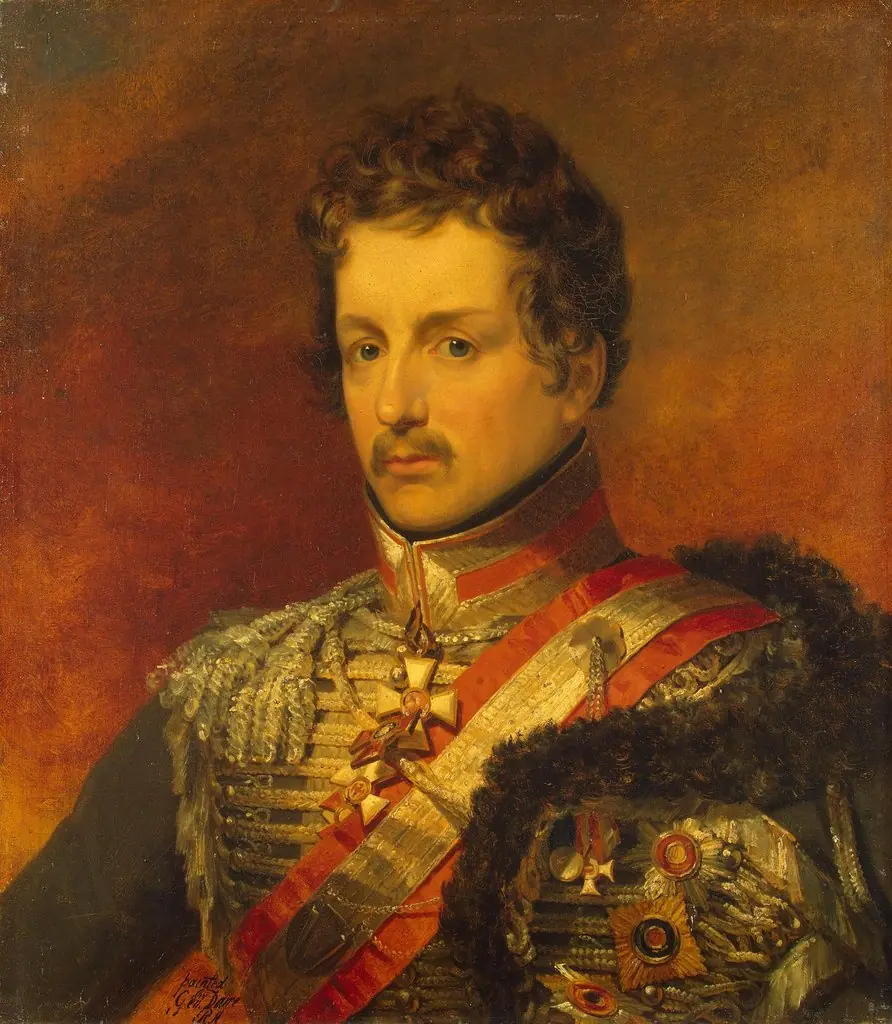 Portrait of Pyotr P. Pahlen (1777/78-1864) (1st)
 Portrait of Alexander Menshikov