Artwork
Bildnis: Großherzog Friedrich II. von Baden
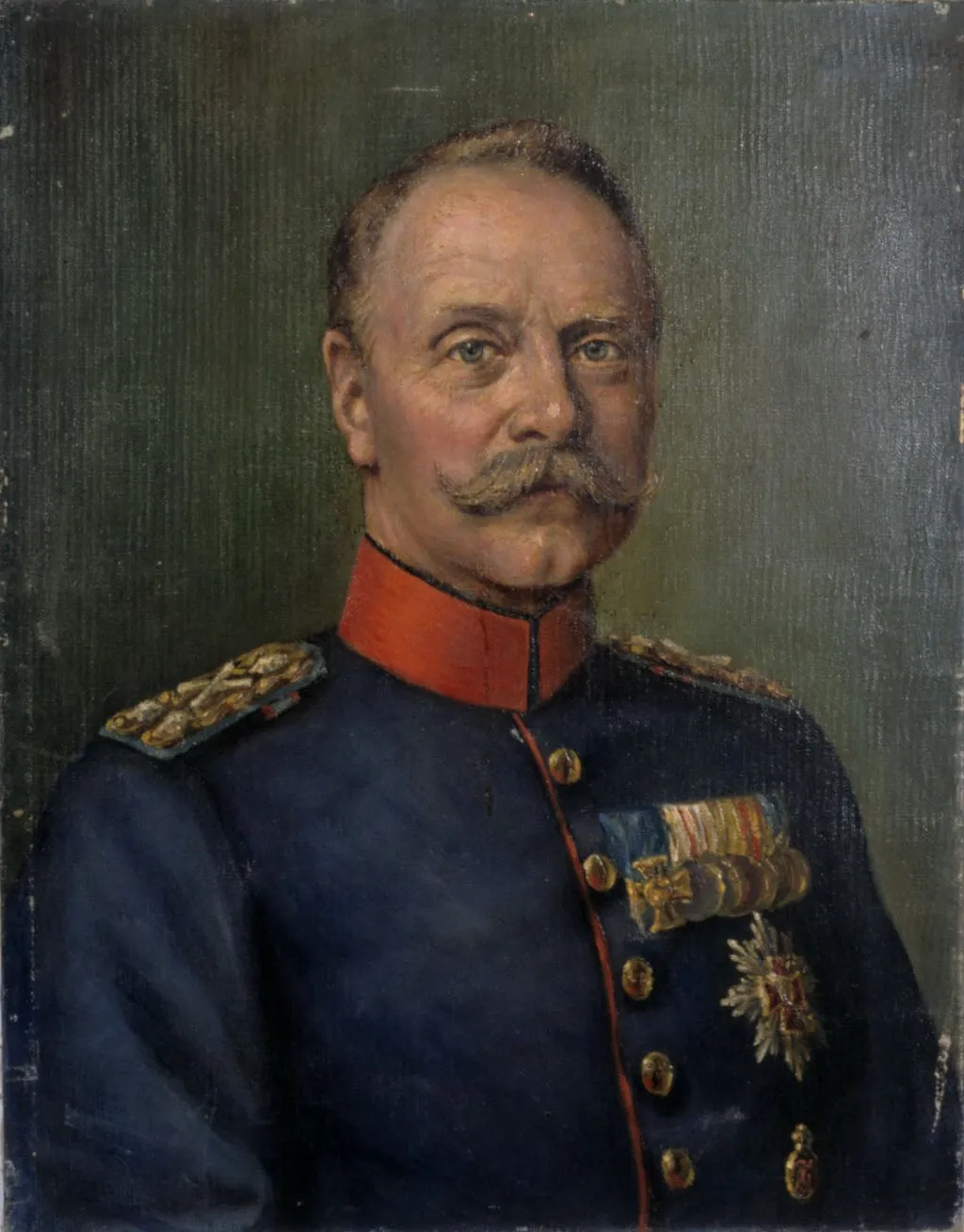
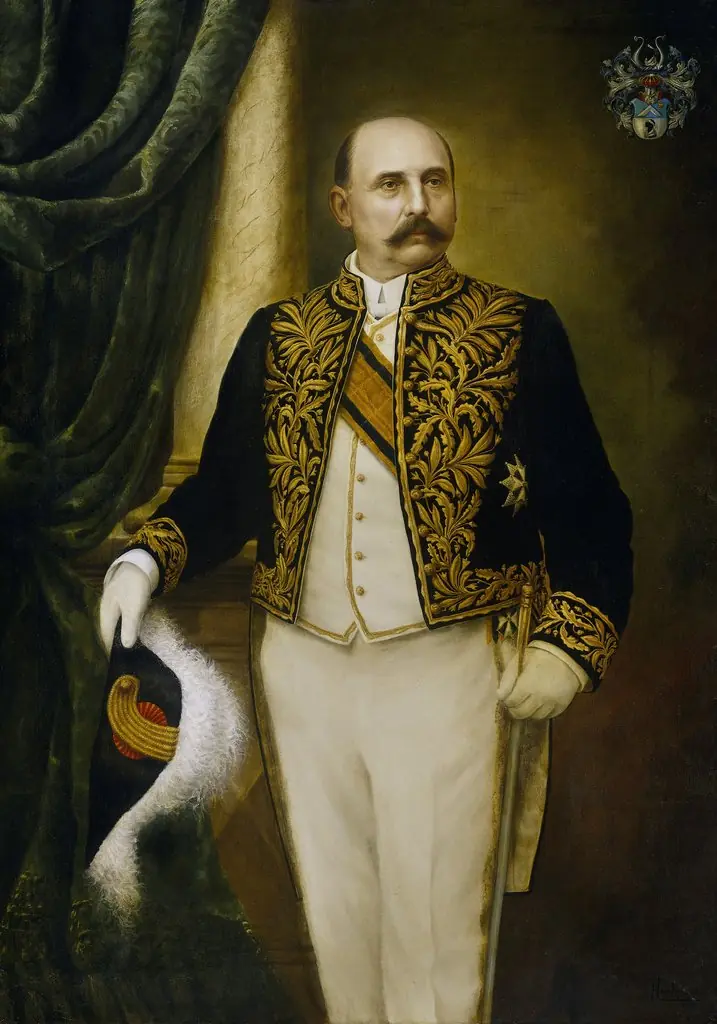
Bildnis: Großherzog Friedrich II. von Baden is a drawing by Otto Hör. It is held in the collection of The Badisches Landesmuseum. This portrait depicts Friedrich II, Grand Duke of Baden, in full military dress.
About this work
Overview
This portrait depicts Friedrich II, Grand Duke of Baden, in full military dress. The composition isolates him against a dark green background, eliminating distractions and emphasizing his rank and ceremonial attire. The artist employs a controlled contrast between the soft rendering of the face and the precise detailing of the uniform, directing attention to the insignia and decorations.
Subject & Meaning
The portrait conveys authority through accoutrements rather than gesture or setting, aligning with 19th-century conventions of dynastic representation.
Friedrich II is presented not as a civilian ruler but as a military figure, his chest adorned with numerous medals and ribbons that signify honors received over his service. The uniform’s red trim and gold braid reinforce his status within the German imperial hierarchy. The portrait conveys authority through accoutrements rather than gesture or setting, aligning with 19th-century conventions of dynastic representation.
Technique & Style
The artist uses delicate, blended brushwork on the face to suggest naturalism and individuality, while the uniform is rendered with sharp, defined strokes to highlight texture and metallic sheen. This technical contrast ensures the medals and braiding remain visually dominant. The dark green backdrop enhances the luminosity of the gold and red elements, reinforcing the figure’s presence without narrative context.
History & Provenance
The portrait was likely commissioned during Friedrich II’s reign as Grand Duke of Baden, a position he held from 1856 to 1907. It reflects the era’s tradition of official portraiture used to affirm legitimacy and continuity within German principalities. The artist, Otto Hör, was known for similar state portraits, suggesting this work was part of a broader effort to document the ruling family.
Context
In late 19th-century Germany, military dress was increasingly tied to civic identity and dynastic prestige. Portraits like this one served both public and private functions—displayed in palaces and government buildings to project stability and tradition. The emphasis on medals over personal expression aligns with the values of a monarchy navigating modernization while preserving its ceremonial role.
Legacy
The portrait remains a representative example of German princely portraiture from the Wilhelmine period. Its formal structure and attention to insignia influenced later official depictions of nobility. Though not widely exhibited today, it contributes to the visual record of how German states visually codified authority in the decades before the empire’s collapse.
Artist & collection
Artist
This German artist drew formal portraits in the late 19th- to early 20th-century academic tradition.

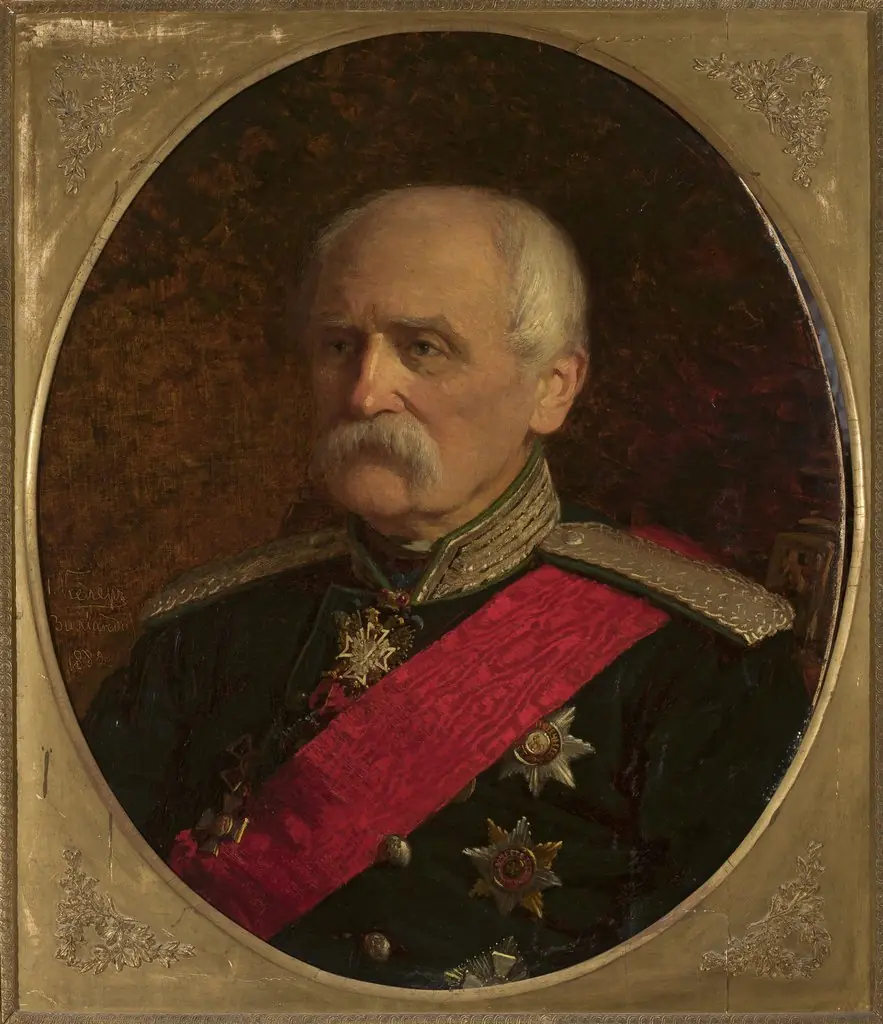 Portrait of major general Stanisław Kierbedź, engineer
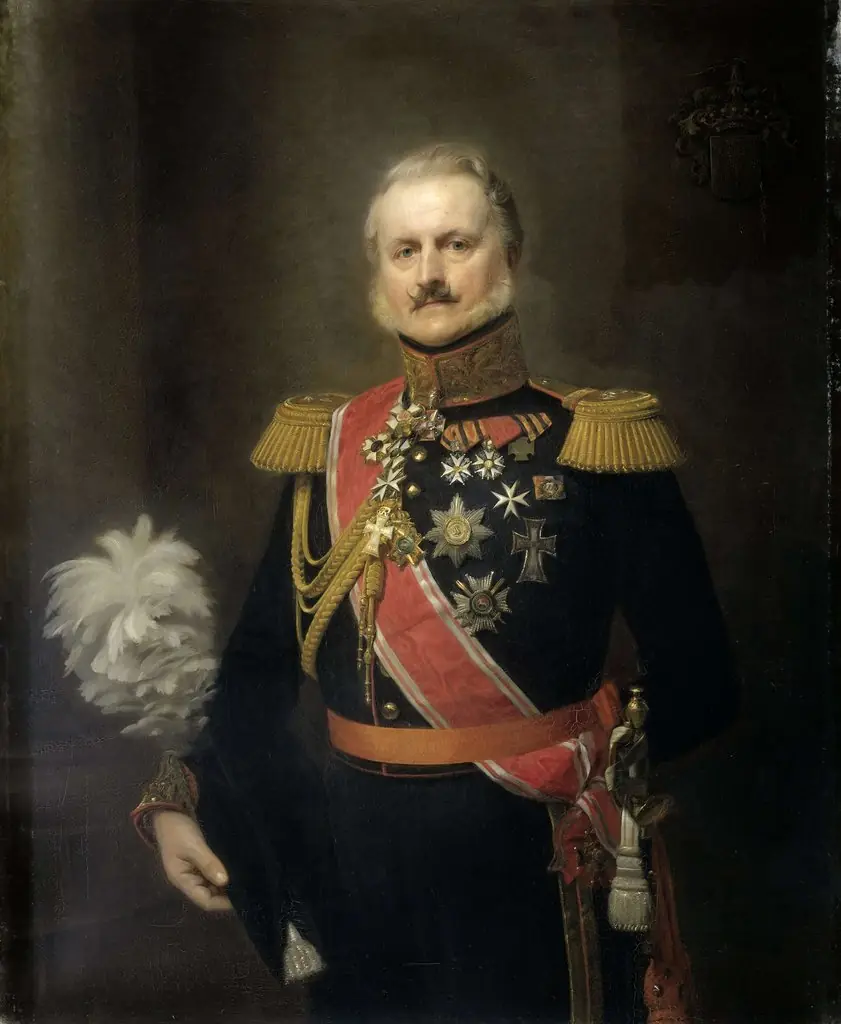 Portrait of Antonie Frederick Jan Floris Jacob Baron van Omphal (1788-1863), luitenant-generaal
 Antonie Frederick Jan Floris Jacob Baron van Omphal (1788-1863), Lieutenant General
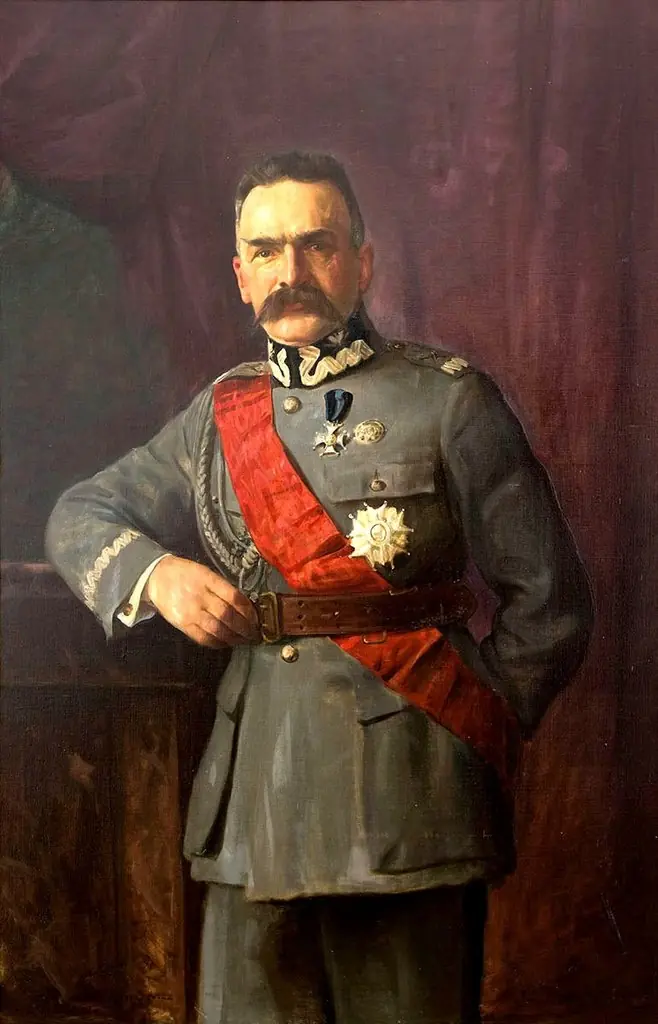 Portret Józefa Piłsudskiego
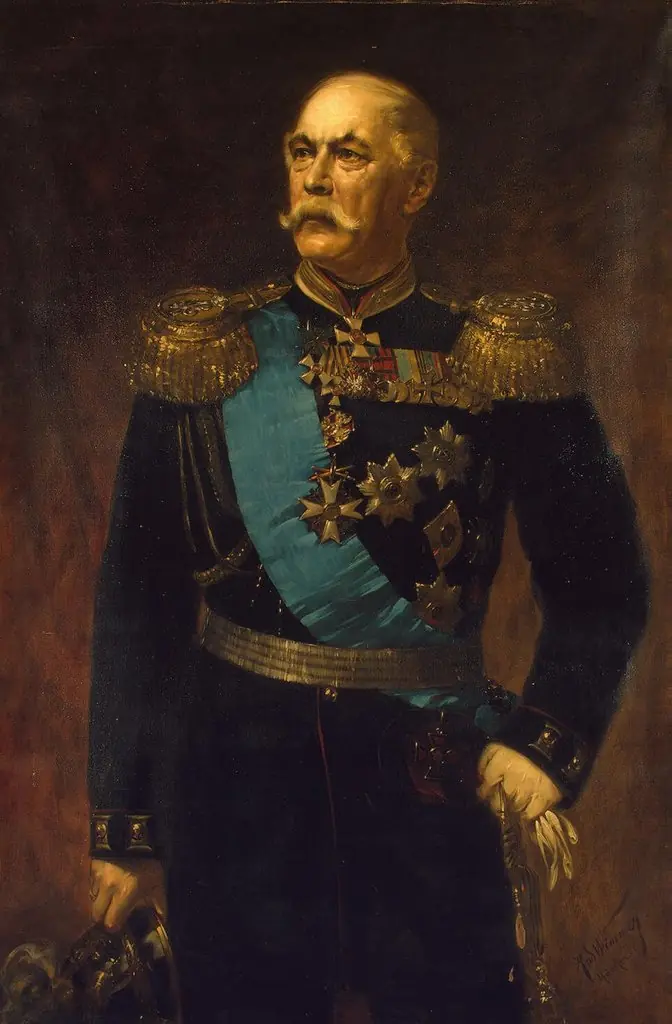 Portrait of Eduard I. Totleben
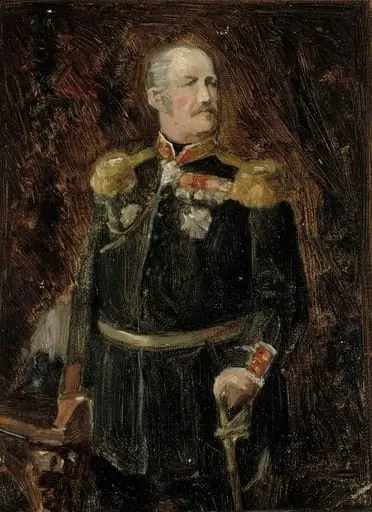 Luonnos kenraaliadjutantti, kreivi Adolf Aminoffin muotokuvaan
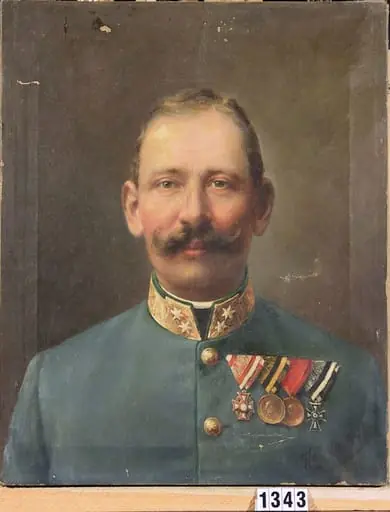 Locotenent colonel Fekete
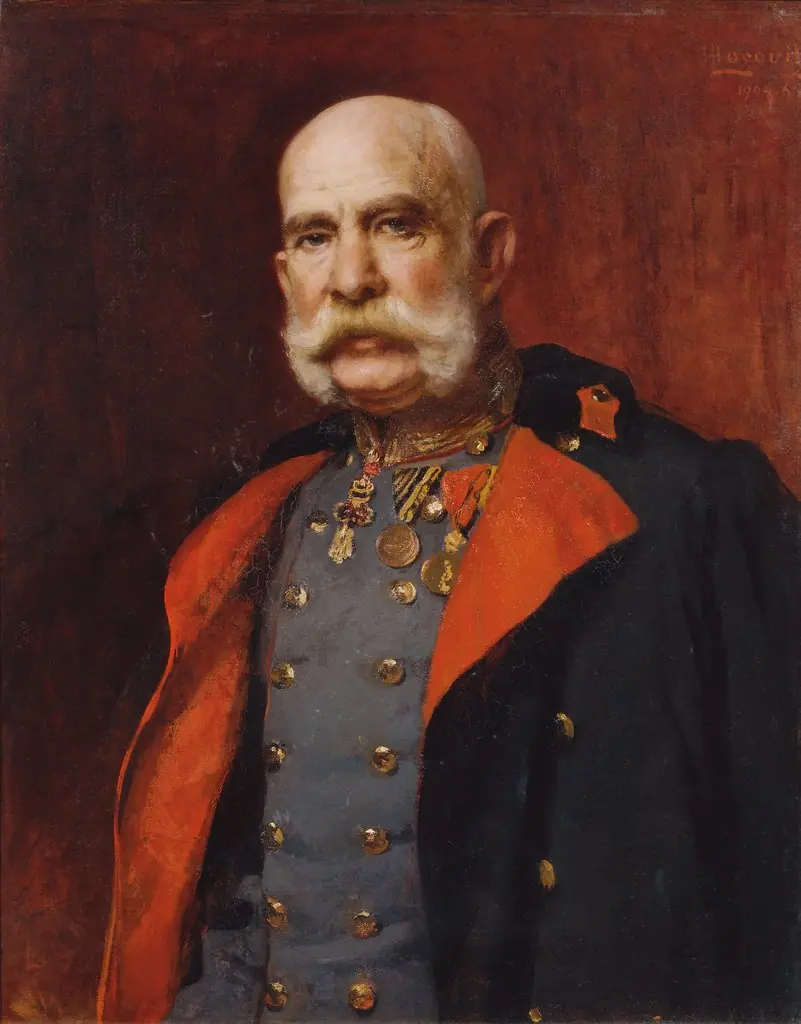 Emperor Franz Joseph of Austria-Hungary
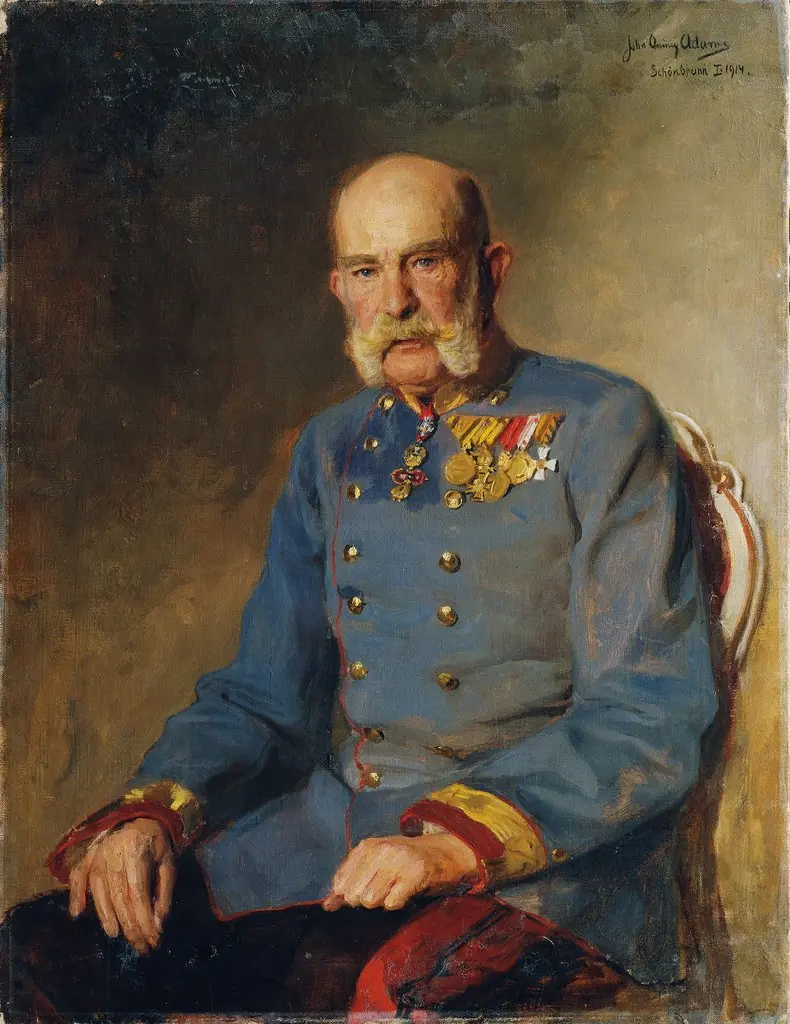 Emperor Franz Joseph I in the service uniform of an Austrian field marshal
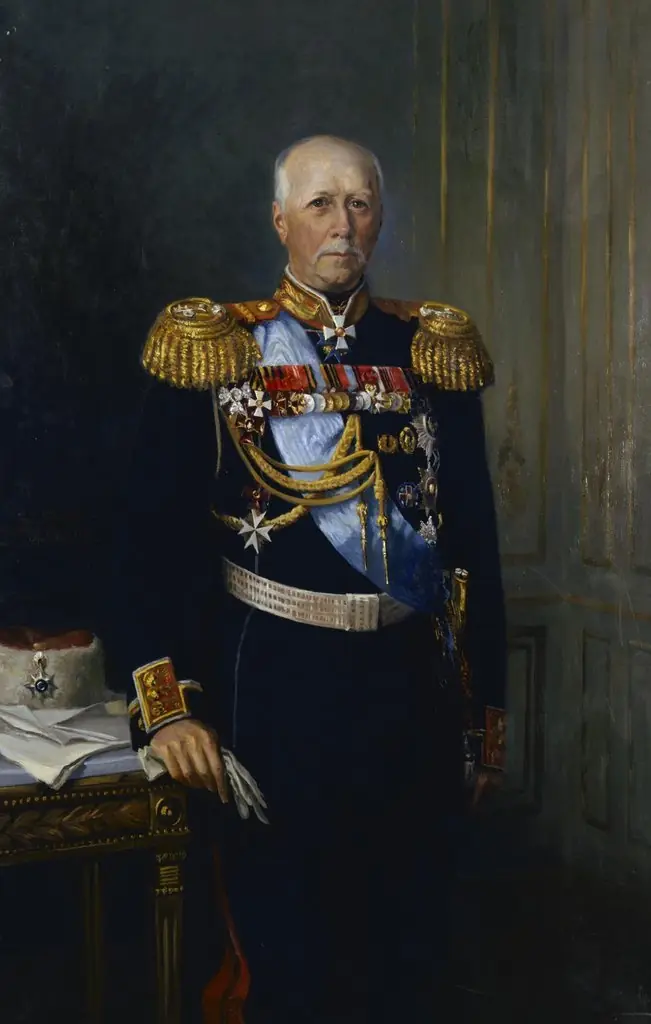 Portrait of Count P.A.Shuvalov
 Colonelul Salamon
 Johannes Benedictus van Heutsz (1851-1924). Gouverneur-generaal (1904-09)