Artwork
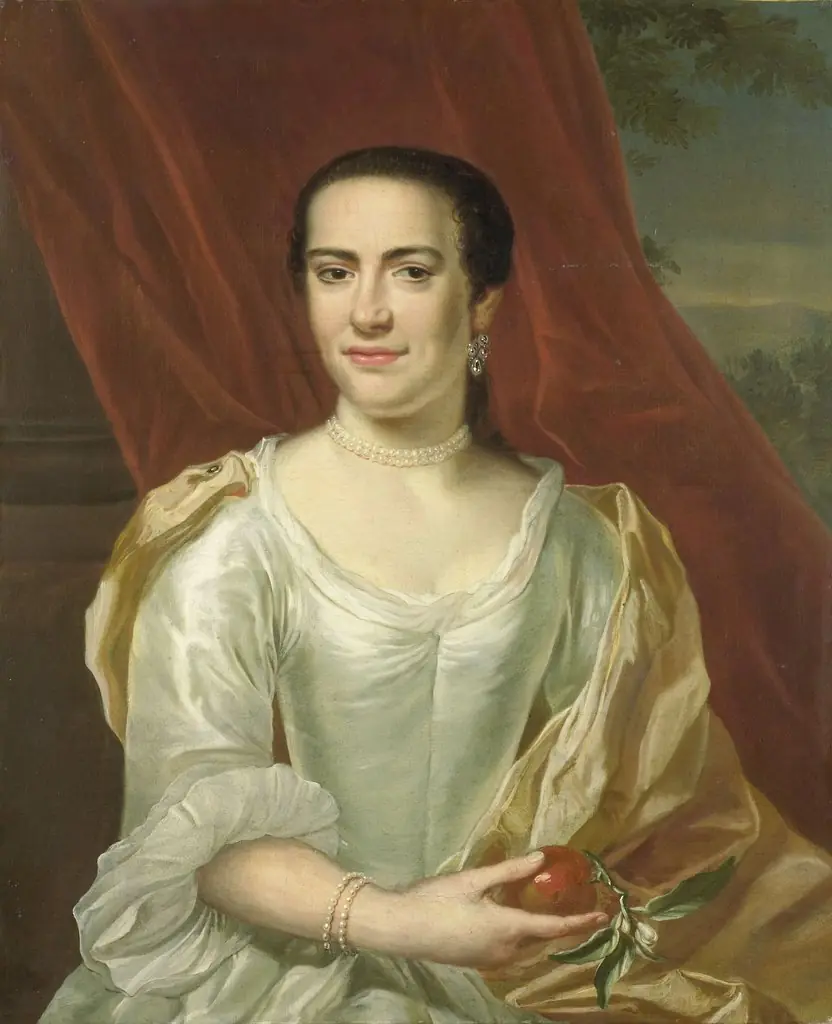
Margaretha Leuveling (1738-83), Wife of Justus Tjeenk
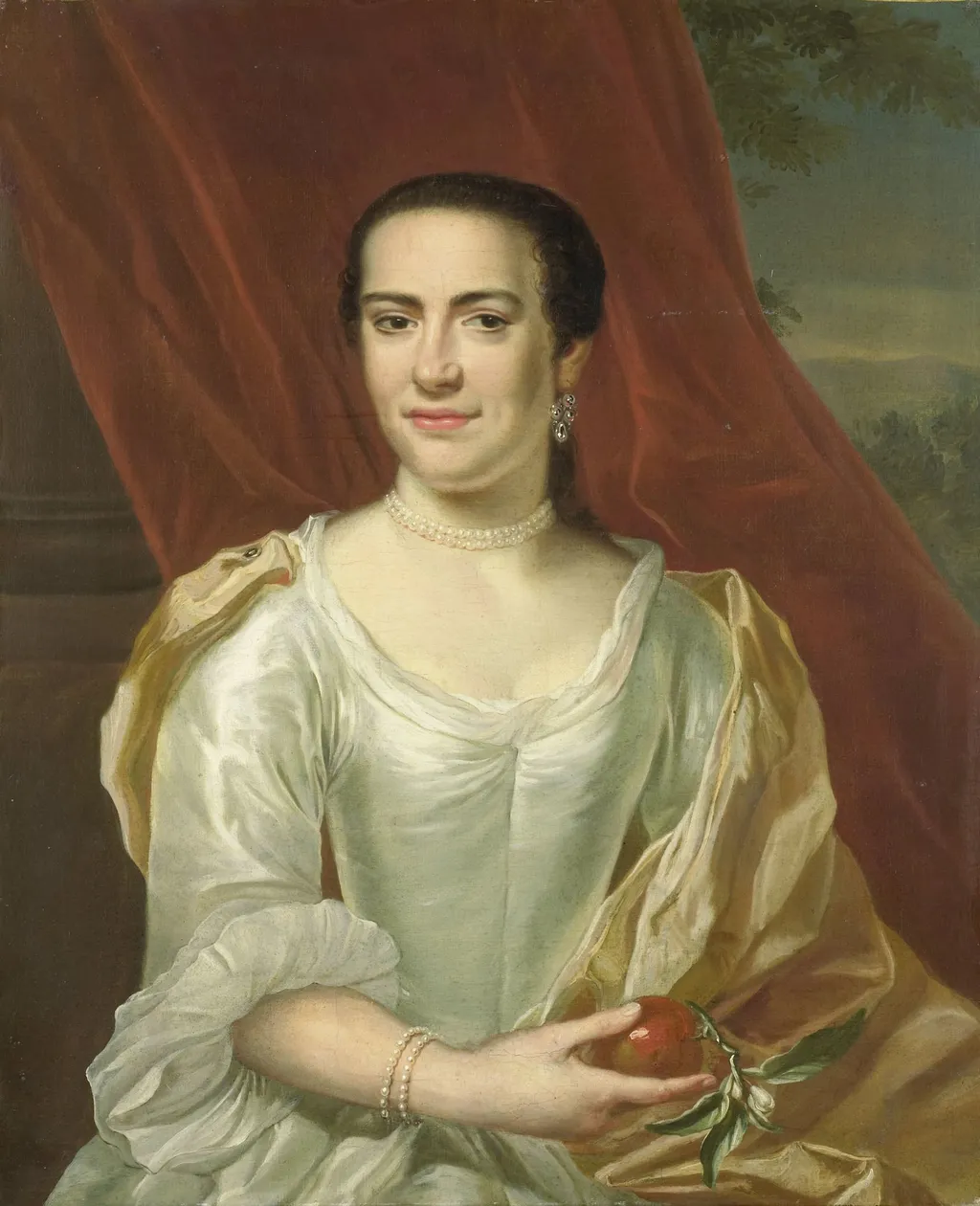
Margaretha Leuveling (1738-83), Wife of Justus Tjeenk is an unspecified painting by the Rococo painting artist Herman Frederik van Hengel. It dates from 1756 and is held in the collection of the Rijksmuseum.
About this work
Overview
The work is a half‑length portrait of Margaretha Leuveling, born in 1738 and deceased in 1783, shown seated and holding a single apple in her right hand. She is dressed in a dark gown against an almost black, unadorned backdrop, her expression calm and her gaze directed forward.
Subject & Meaning
Margaretta is presented as the wife of Justus Tjeenk, a detail noted in the inscription. The inclusion of the apple, a common symbolic object in 18th‑century portraiture, may allude to themes of domestic virtue or abundance, though its precise significance for this sitter remains undocumented.
Technique & Style
Executed in oil on canvas, the painting employs a restrained palette that emphasizes the contrast between the deep black background and the illuminated flesh tones. The brushwork is smooth and controlled, rendering the fabric’s texture and the apple’s surface with subtle chiaroscuro that enhances the three‑dimensional presence of the figure.
History & Provenance
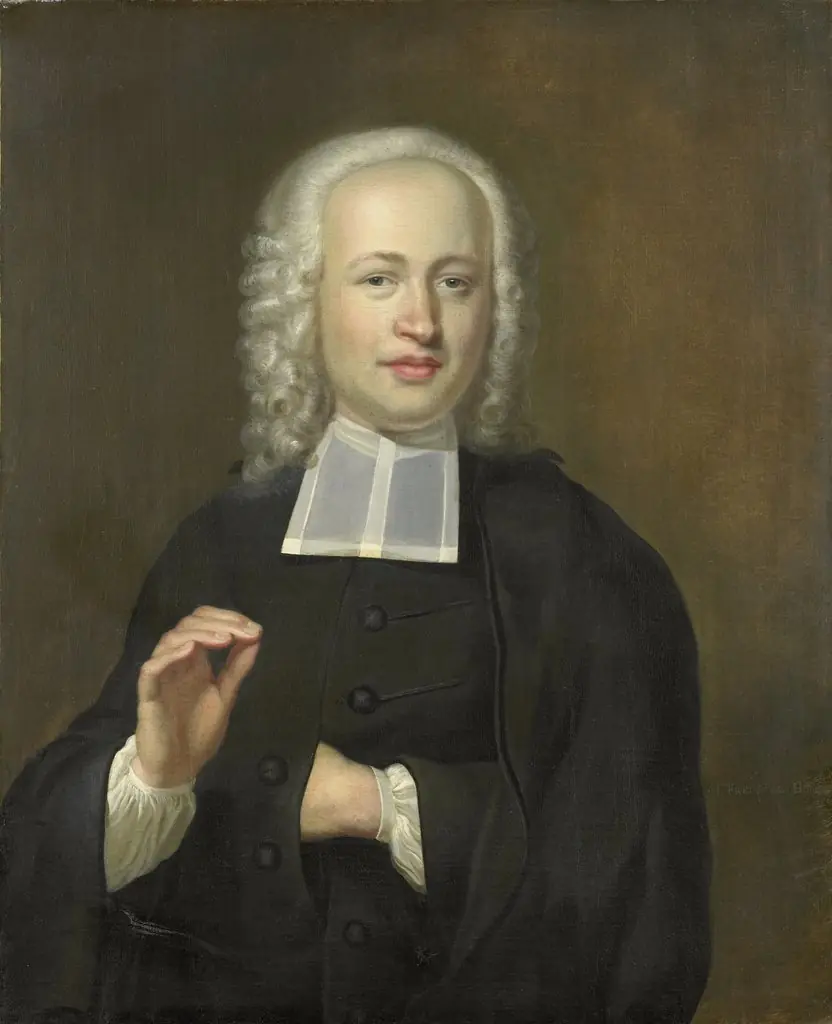
The portrait was created as a pendant to a matching portrait of Justus Tjeenk (catalogued as SK‑A‑1473) and has been displayed together with it in the museum collection. Both panels have remained in the same institutional holdings since their acquisition, preserving their original paired context.
Context
The painting belongs to the Dutch tradition of intimate, middle‑class portraiture of the mid‑18th century, where sitters are often shown in modest attire against plain backgrounds. Such works aimed to convey personal identity and social standing without the grandeur of aristocratic portraiture, reflecting the values of the emerging bourgeois class.
Own this work as a print
Artist & collection
Artist
Herman Frederik van Hengel (1705–1785) was an artist, born in Nijmegen.