Artwork
Portrait of Margaretha Leuveling, Wife of Justus Tjeenk
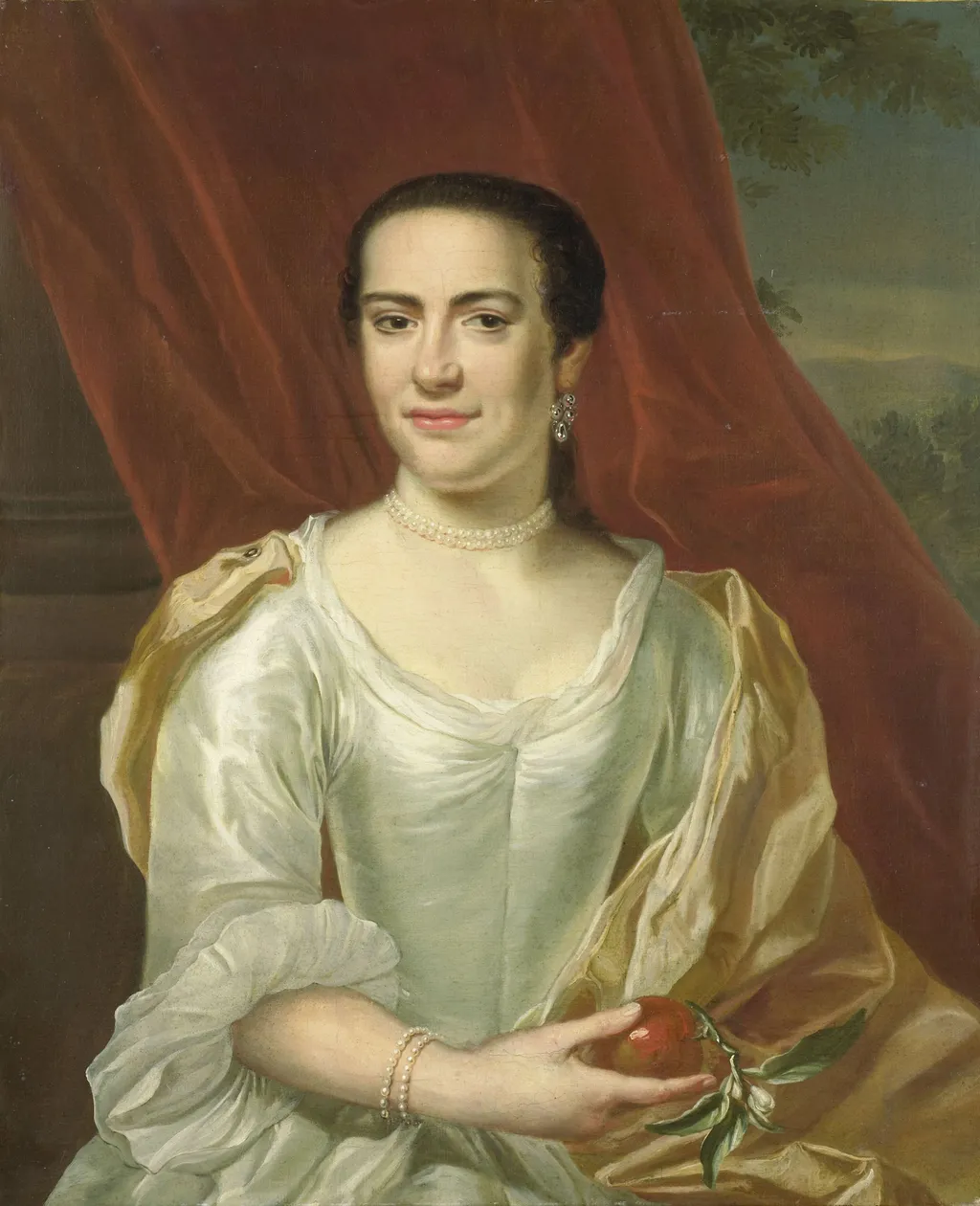
Portrait of Margaretha Leuveling, Wife of Justus Tjeenk is an oil painting by the Rococo painting artist Herman Frederik van Hengel. It dates from 1756 and is held in the collection of the Rijksmuseum.
About this work
Overview
Herman Frederik van Hengel’s oil portrait, dated 1756, depicts Margaretha Leuveling, the spouse of Justus Tjeenk. The work is part of the Rijksmuseum’s collection and presents the sitter in a composed, seated pose.
Subject & Meaning
Margaretta is shown wearing a pale‑green gown with puffed sleeves, her dark hair gathered back, and adorned with a pearl necklace and matching earrings. She holds a vivid red apple in her left hand, a detail that draws attention amid the subdued palette, suggesting a possible symbolic reference to fertility or domestic virtue.
Technique & Style
Van Hengel employs soft, diffused lighting that gently illuminates the sitter’s face and hands, creating a subtle glow. The contrast between the bright apple and the muted background curtain is achieved through careful modulation of tone, while the overall handling reflects the restrained elegance typical of mid‑18th‑century Dutch portraiture.
History & Provenance
The portrait was executed in 1756 and has remained within Dutch collections, ultimately entering the Rijksmuseum’s holdings. Documentation links the work directly to Margaretha Leuveling and her husband, Justus Tjeenk, a notable figure of the period.
Context
Created during a period when Dutch portraiture emphasized modesty and refined domestic representation, the painting aligns with contemporary conventions of portraying married women in genteel attire, often accompanied by symbolic objects such as fruit to convey moral or familial themes.
Own this work as a print
Artist & collection
Artist
Herman Frederik van Hengel (1705–1785) was an artist, born in Nijmegen.

 Portrait of a Lady, Said to Be the Wife of Sir Robert Travers
 Richa Franks
 The Artist's Daugther
 Hannah Loring
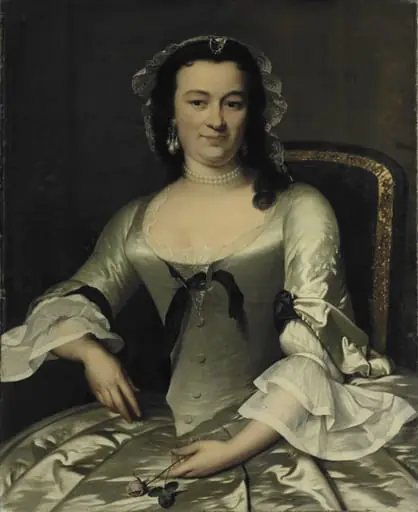 Portrait of Maria Henriëtte van de Pol, Wife of Willem Sautijn
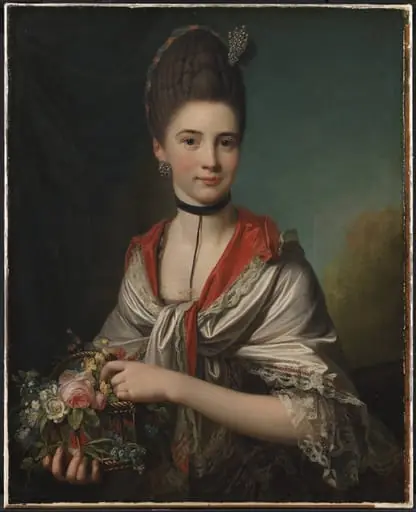 Portrait of Anna Elisabeth Battier, née Storp
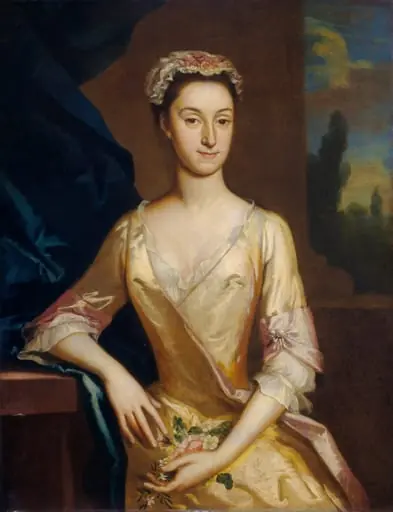 Portrait of a Lady
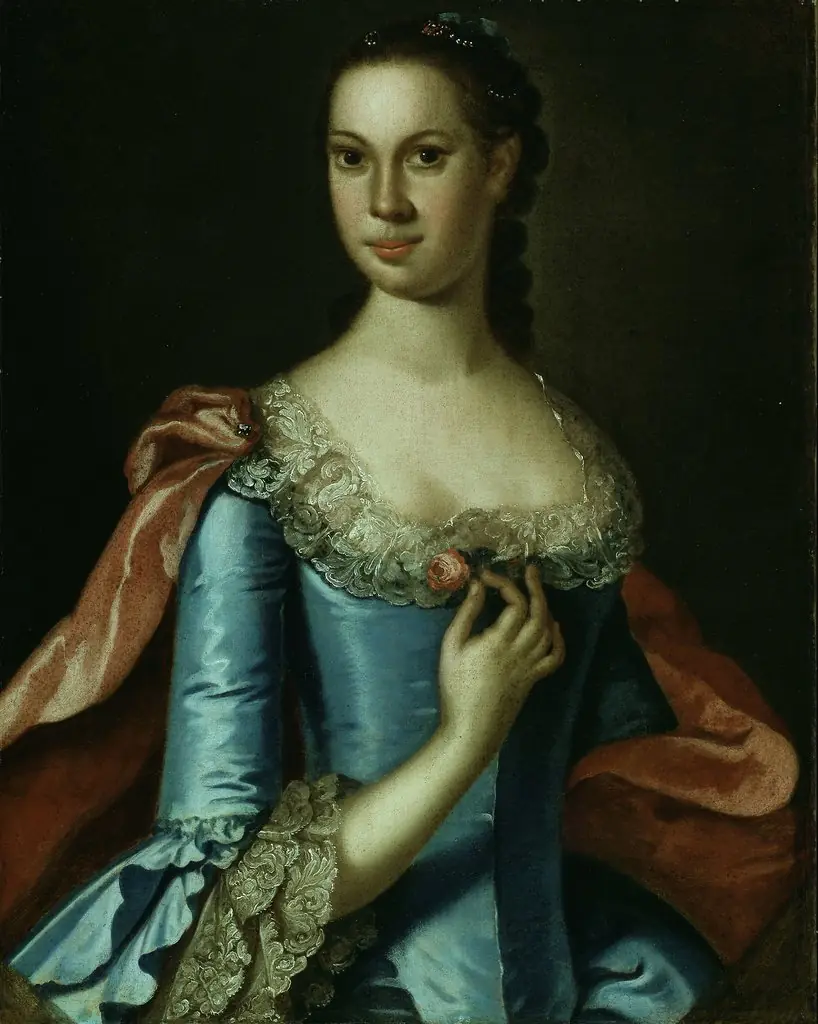 Mrs. William Carmichael
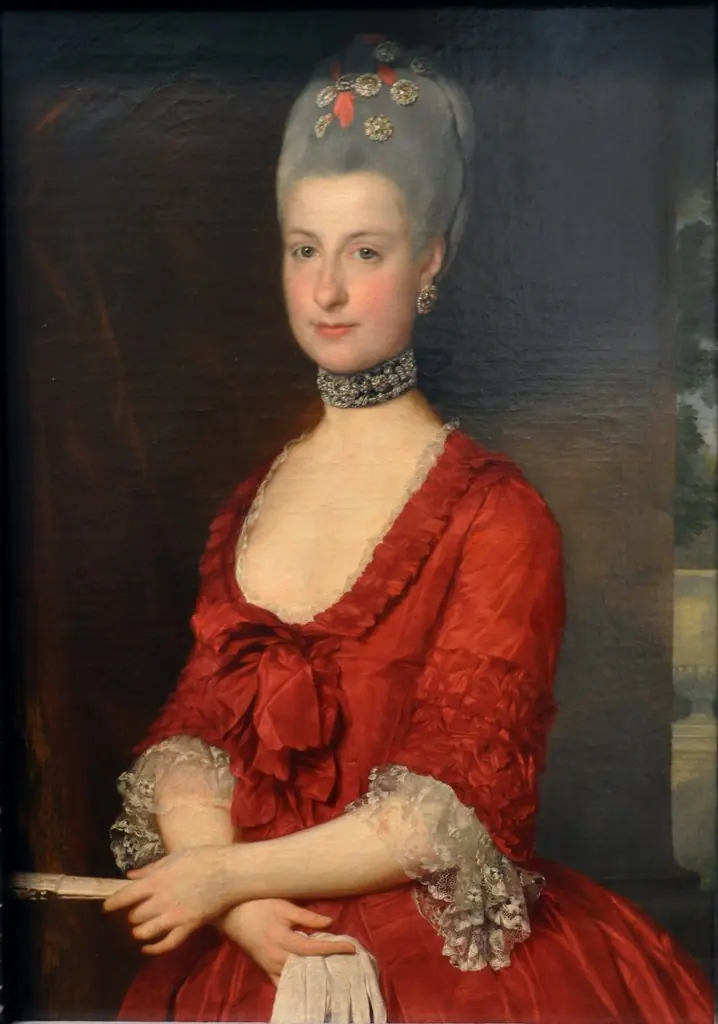 Portrait of Archduchess Maria Christina (1742-1798), Duchess of Teschen
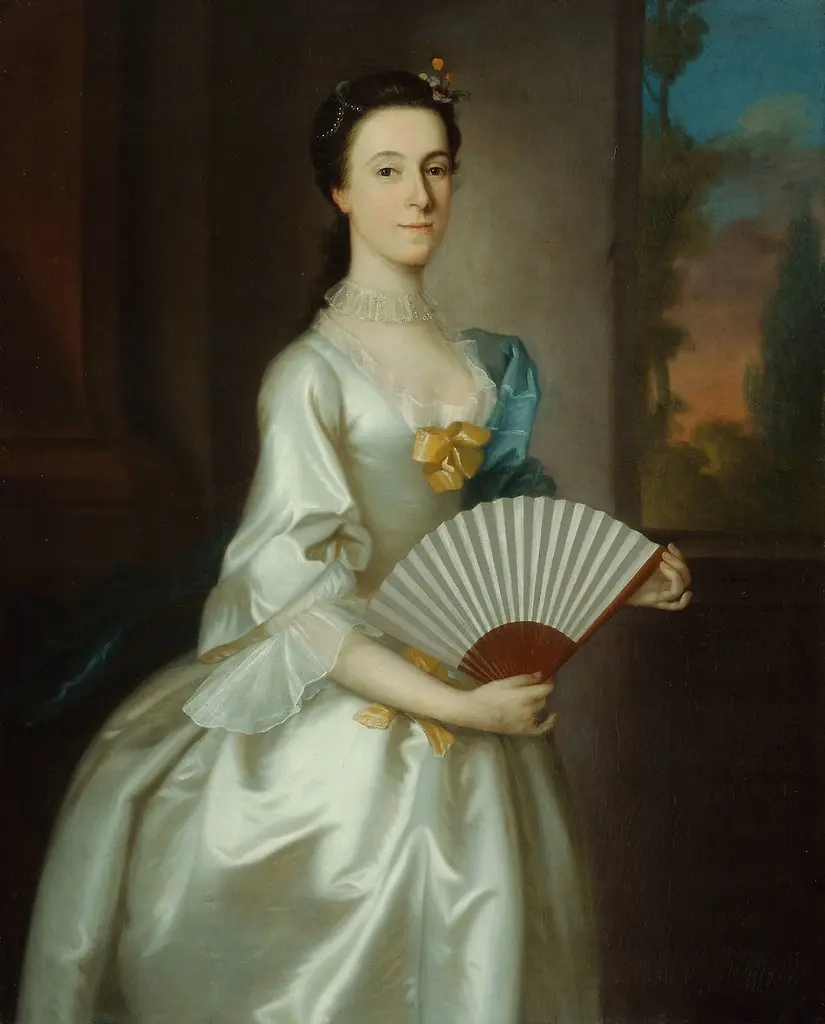 Abigail Chesebrough (Mrs. Alexander Grant)
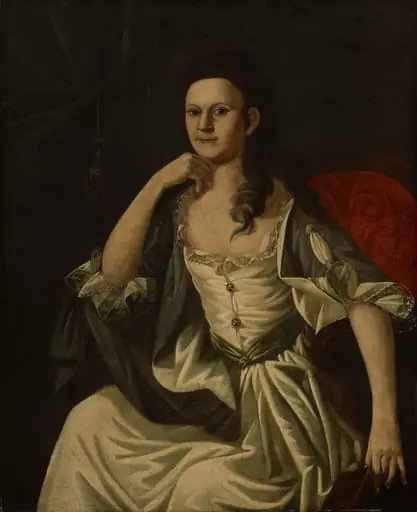 Jane Cutler Doane