Artwork
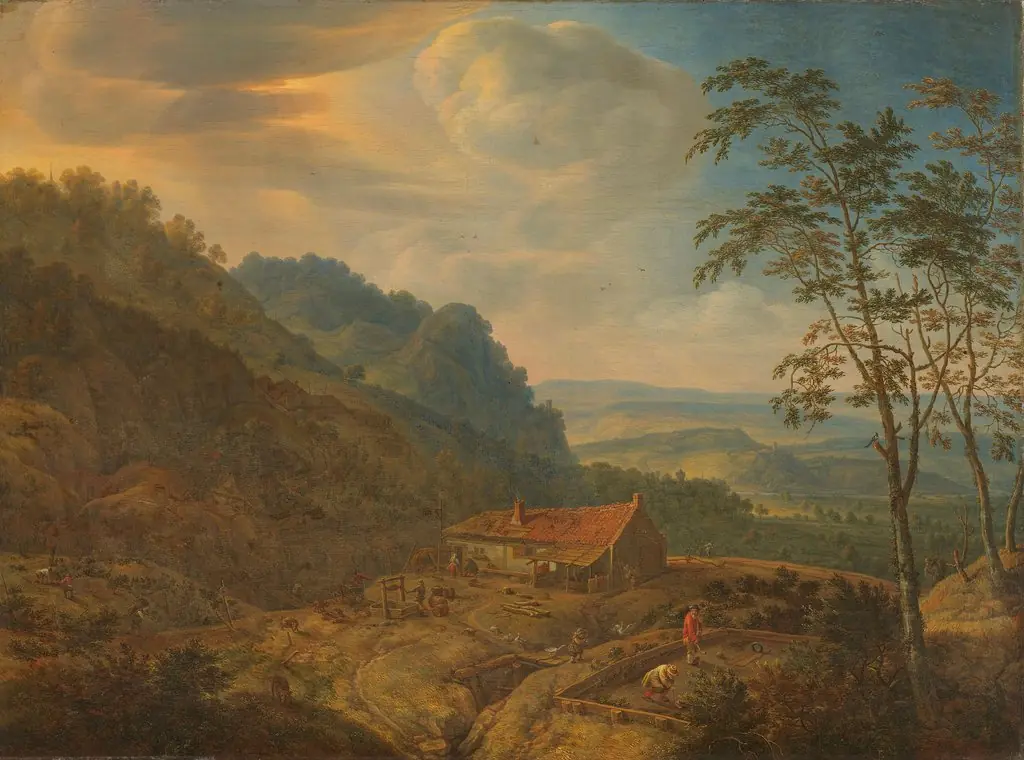
Wooded mountain landscape with lumberjacks
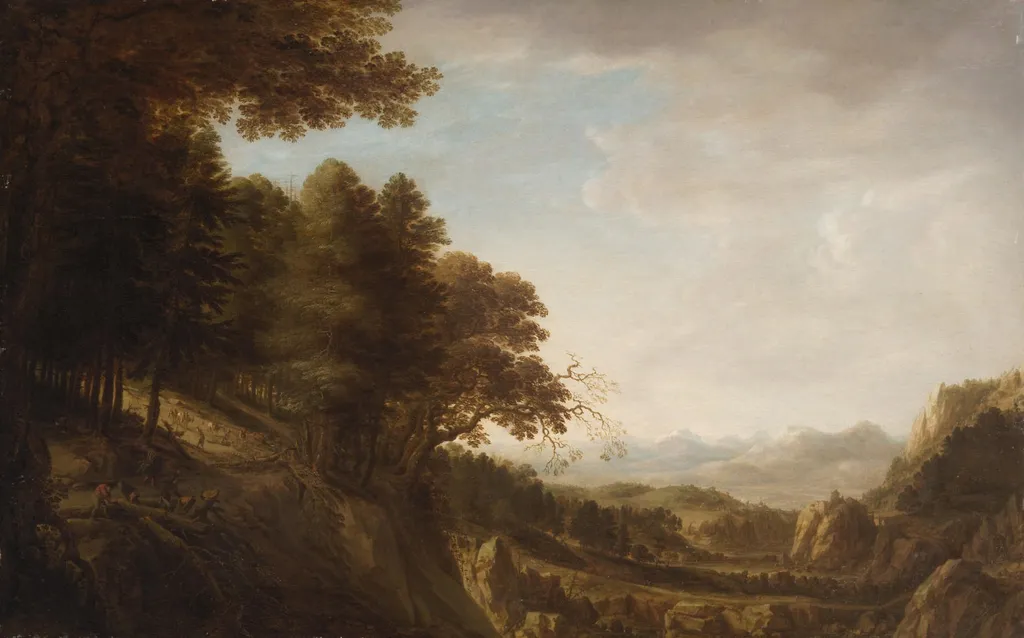
Wooded mountain landscape with lumberjacks is an oil painting by the Dutch Golden Age artist Herman Saftleven. It dates from 1641 and is held in the collection of the Kunsthistorisches Museum.
About this work
Overview
Painted in 1641 by Herman Saftleven, this oil-on-canvas work depicts a serene mountain forest inhabited by laborers engaged in quiet rural tasks.
Painted in 1641 by Herman Saftleven, this oil-on-canvas work depicts a serene mountain forest inhabited by laborers engaged in quiet rural tasks. The scene is neither dramatic nor idealized, instead presenting a modest, observed moment in the natural world. It resides in the collection of the Kunsthistorisches Museum in Vienna, where it stands as a representative example of Dutch landscape painting from the mid-seventeenth century.
Subject & Meaning
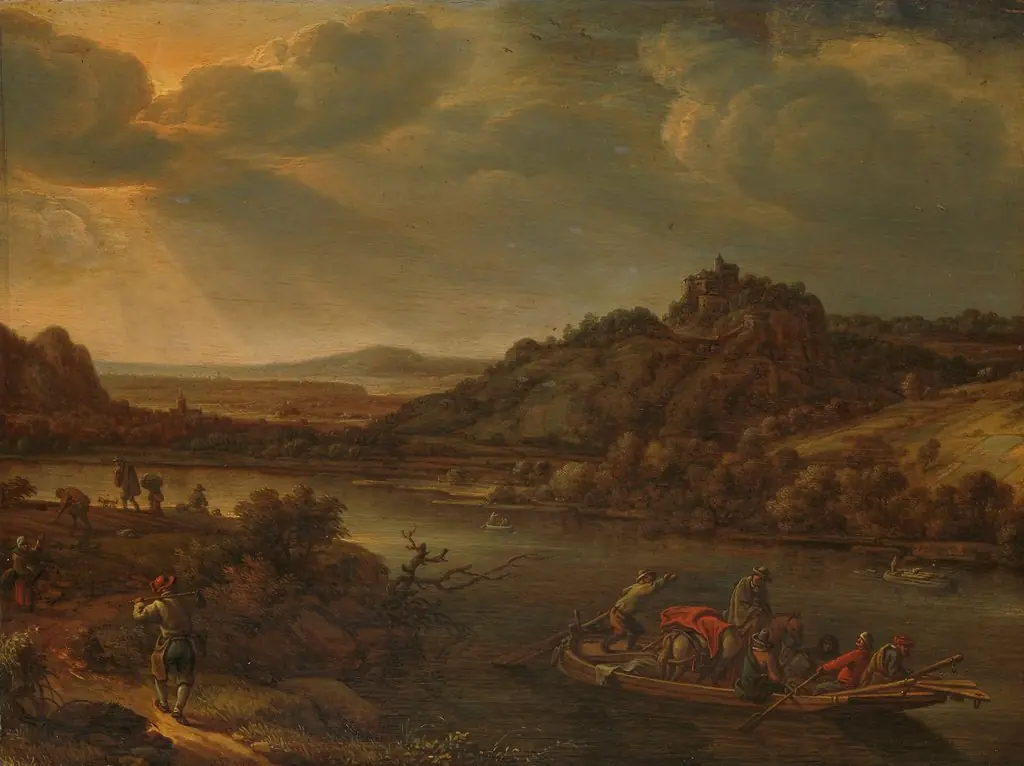
The painting portrays lumberjacks and other figures engaged in everyday woodland activities—felling trees, tending animals, or resting by the river. Their presence is unobtrusive, integrated into the landscape rather than dominating it. The work suggests an appreciation for labor harmonized with nature, reflecting a Dutch cultural emphasis on the dignity of rural life without overt symbolism or moralizing.
Technique & Style
Saftleven employs subtle tonal gradations to model the dense foliage and rocky terrain, using soft contrasts between light and shadow to suggest depth without harsh definition. The sky is rendered in pale, diffused hues, allowing the forest to recede into atmospheric perspective. Brushwork remains restrained, favoring quiet realism over theatrical effect, aligning with the observational approach common in Dutch landscape traditions of the period.
History & Provenance
The painting was completed in 1641 and entered the Habsburg collections before eventually being housed in the Kunsthistorisches Museum. Its journey through imperial collections reflects the broader European appreciation for Dutch genre and landscape works during the Baroque era. No significant alterations or restorations are documented, preserving its original composition and tonal balance.
Context
Created during the Dutch Golden Age, the painting reflects a period when landscape art flourished as an independent genre, separate from religious or mythological themes. Saftleven’s focus on unembellished rural labor aligns with broader trends among Dutch painters who valued direct observation of nature and everyday life over grand narratives.
Legacy
While not widely reproduced or celebrated in popular culture, the painting contributes to the understanding of how Northern European artists captured the quiet rhythms of the natural world. It exemplifies a restrained, contemplative mode of landscape painting that influenced later generations focused on atmospheric realism and the dignity of ordinary labor.
Artist & collection

 Waldeingang
 Italiaans landschap
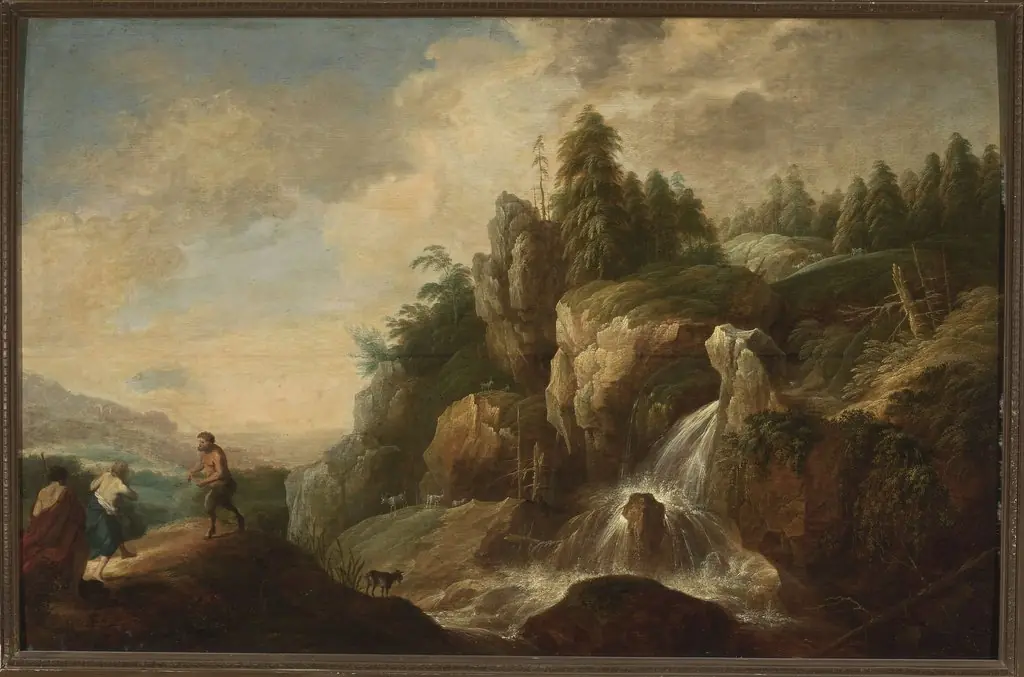 Landscape at a waterfall
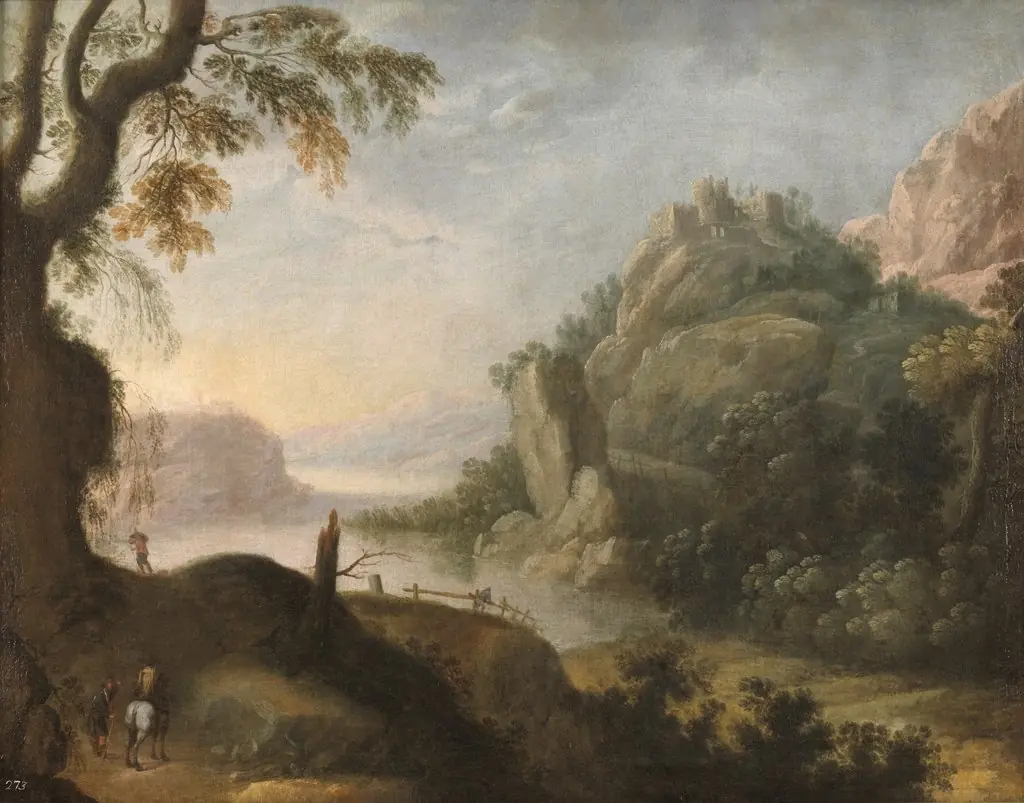 Paisaje
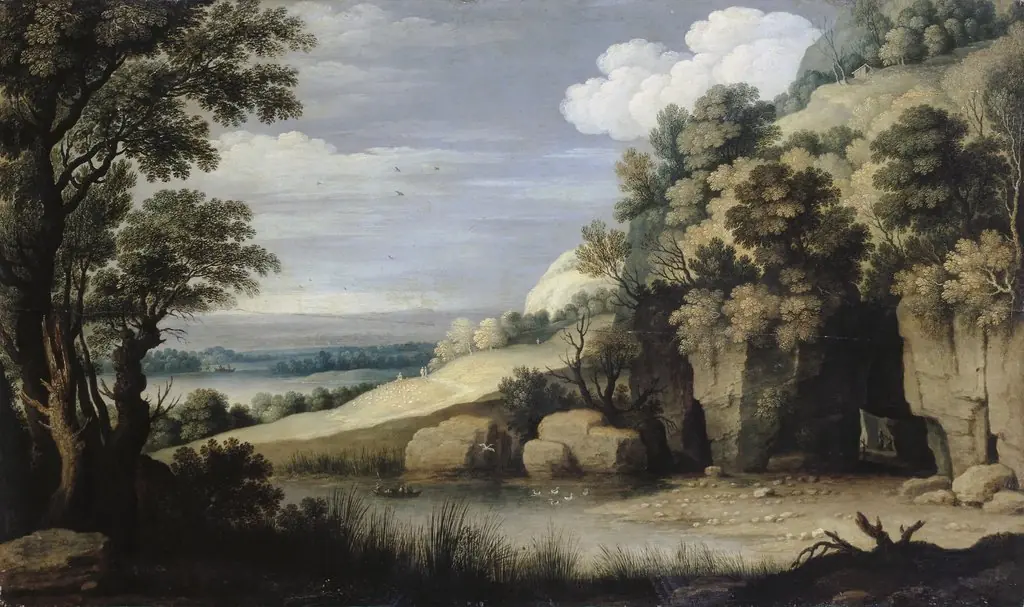 Landscape with a Lake
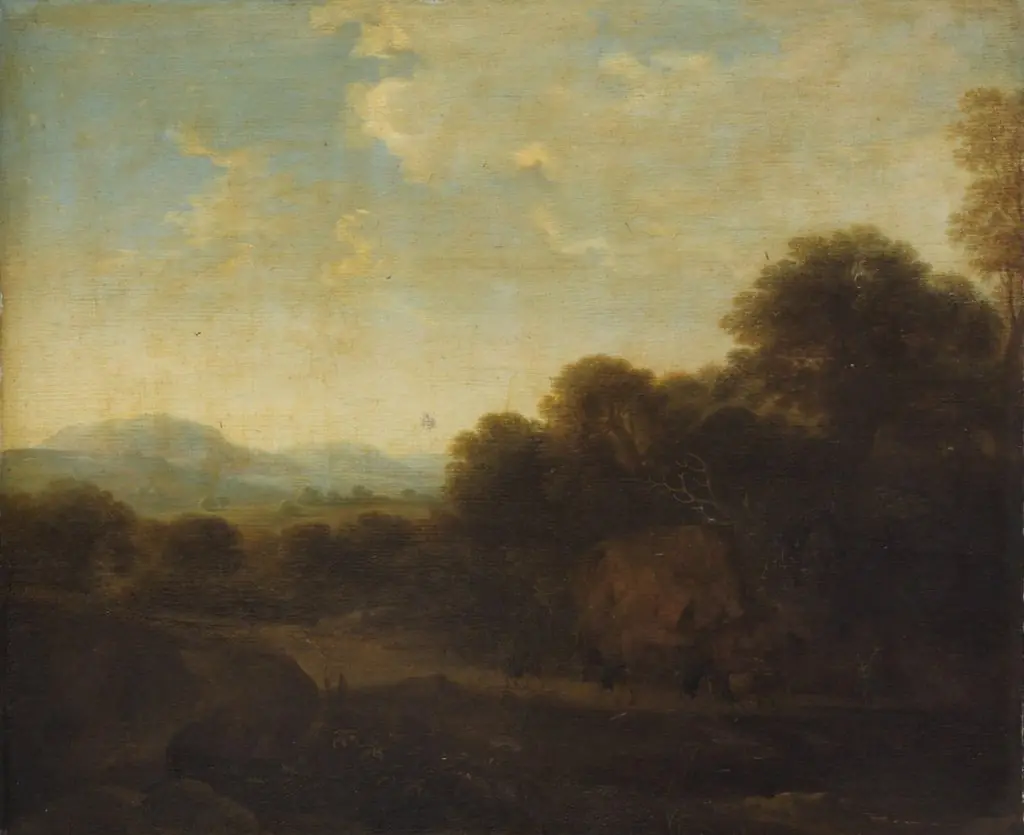 Abendlandschaft mit Maultieren
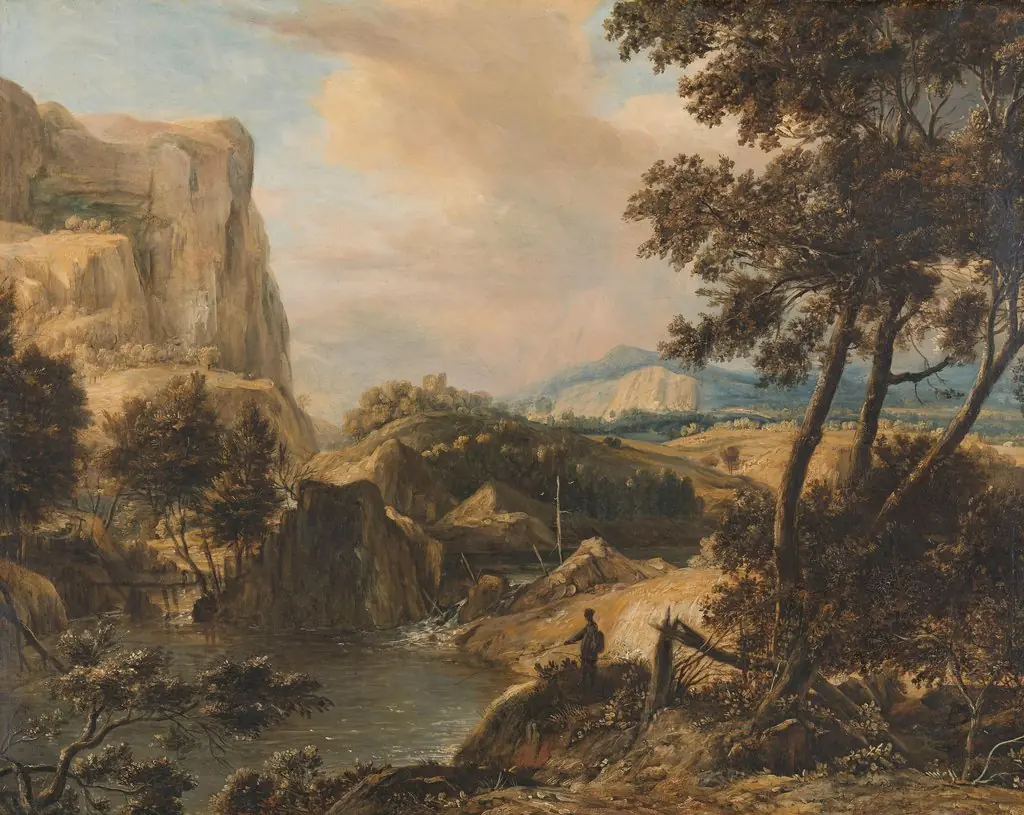 Mountainous landscape with fisherman
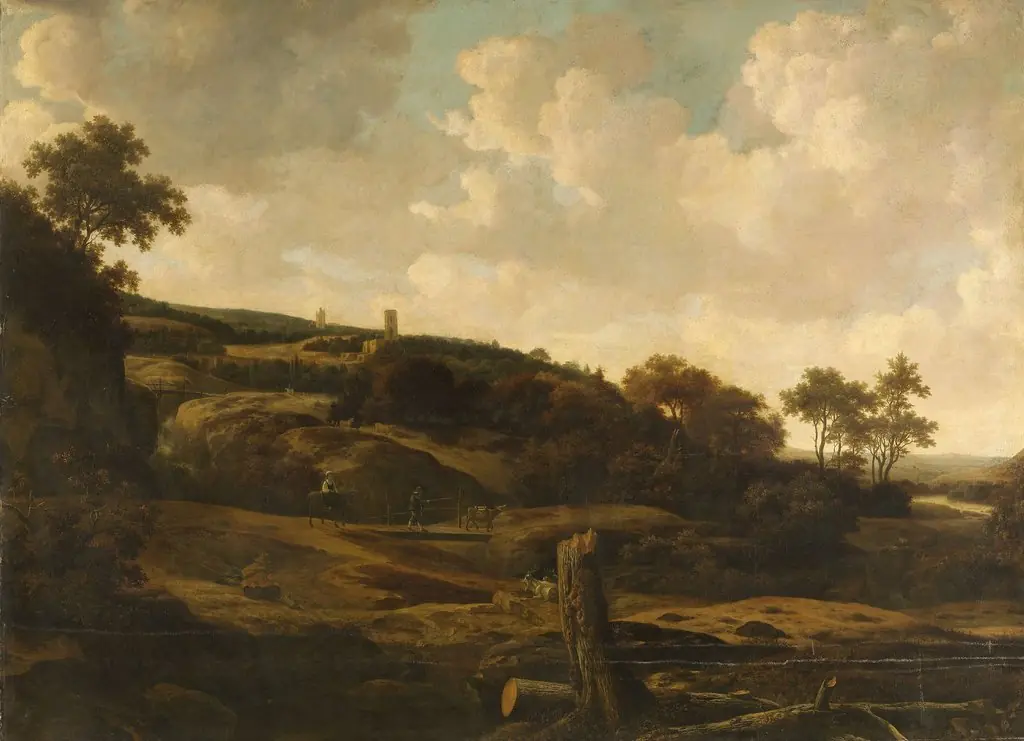 Mountainous landscape, possibly the St Pietersberg, with Lichtenberg castle, near Maastricht
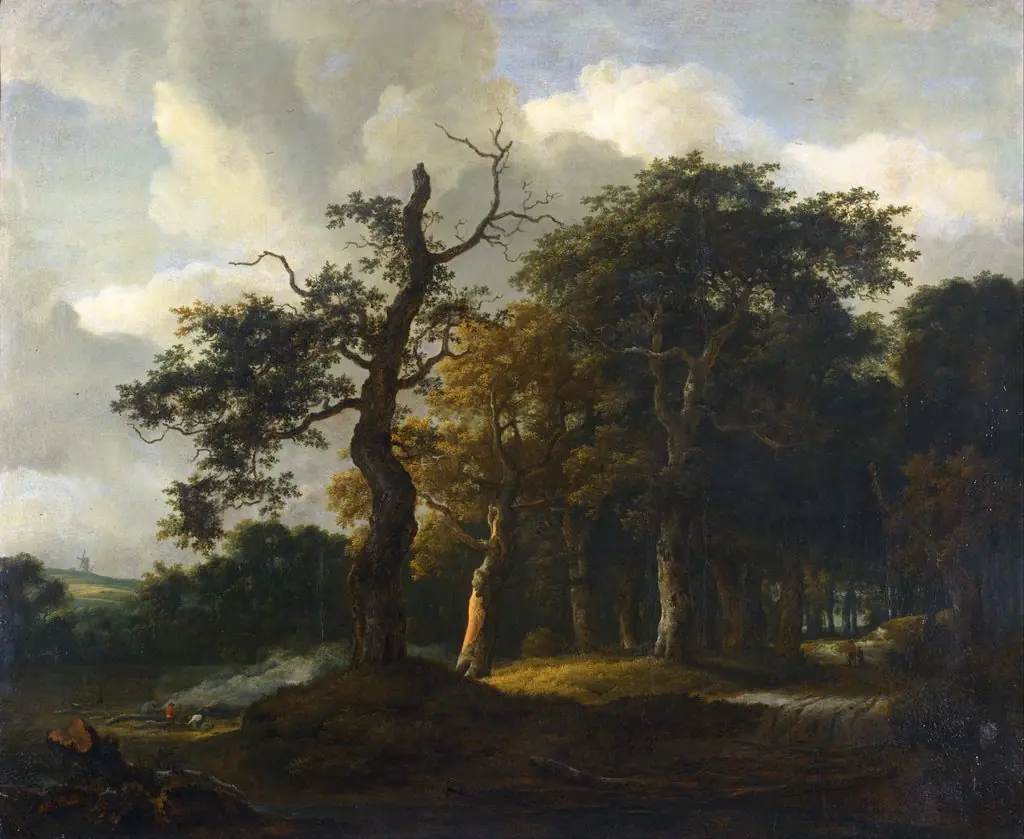 A Road through an Oak Wood
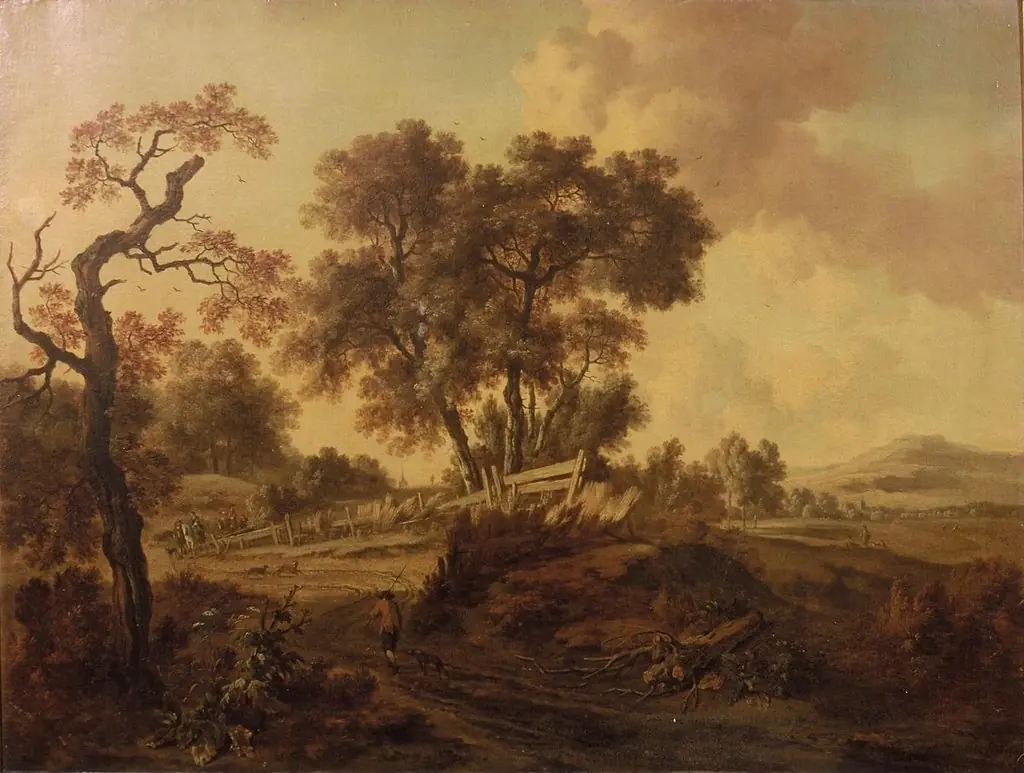 Road in a Dune Landscape
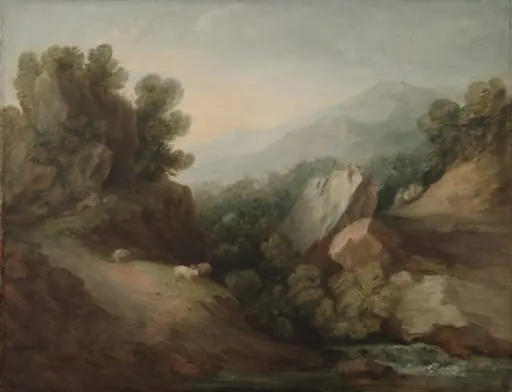 Rocky, Wooded Landscape with a Dell and Weir
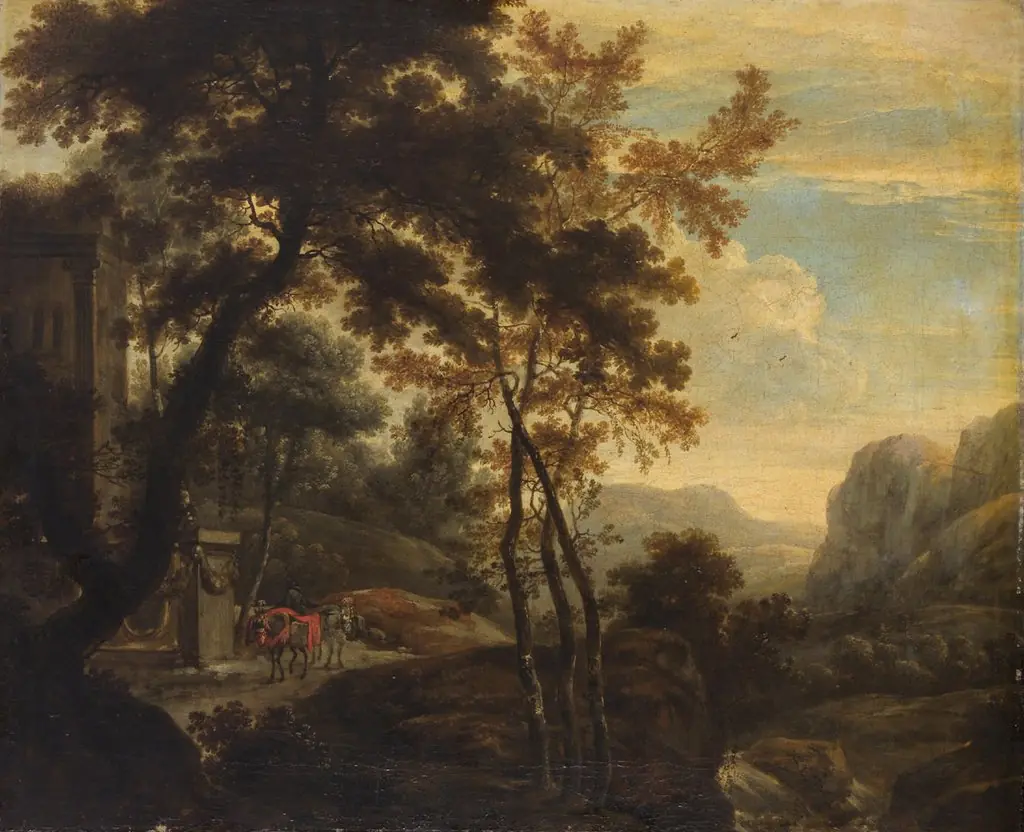 Mountainous landscape