Artwork
The Last of the Brotherhood
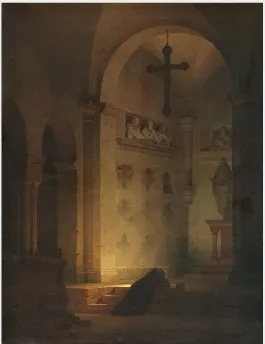
The Last of the Brotherhood is an oil painting by Hermann Dyck. It dates from 1855 and is held in the collection of the National Gallery of Ireland.
About this work
Overview
Hermann Dyck, a Bavarian artist active in the mid‑nineteenth century, completed the oil painting *The Last of the Brotherhood* in 1855. Executed in the detailed manner associated with the Nazarene school, the work presents a solemn interior scene that invites quiet reflection.
Subject & Meaning
The composition portrays a dimly lit church nave, its stone arches and columns framing a solitary figure seated on the steps. A large crucifix hangs overhead, while a warm glow seems to emanate from the central character, suggesting an inner contemplation or prayerful meditation at the close of a gathering.
Technique & Style
Dyck employs a restrained palette and careful modeling of light and shadow, recalling the chiaroscuro techniques favored by his contemporaries. The precise rendering of architectural elements and the controlled, almost reverent atmosphere align the painting with the Nazarene emphasis on historical and religious subjects rendered with academic exactness.
History & Provenance
Trained in Munich in both architectural and genre painting, Dyck was also known for satirical illustrations in the periodical *Fliegende Blätter*. *The Last of the Brotherhood* reflects his capacity for serious, original composition beyond his humorous work, and it remains documented as part of his 1855 output, though its later ownership history is not extensively recorded.
Artist & collection
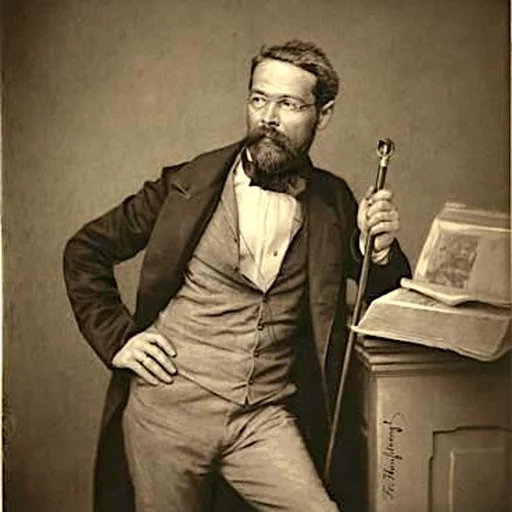
Artist
Hermann Dyck (4 October 1812 – 25 March 1874), a Bavarian painter, born at Würzburg in the Grand Duchy of Würzburg in 1812, studied architectural and genre painting at Munich.

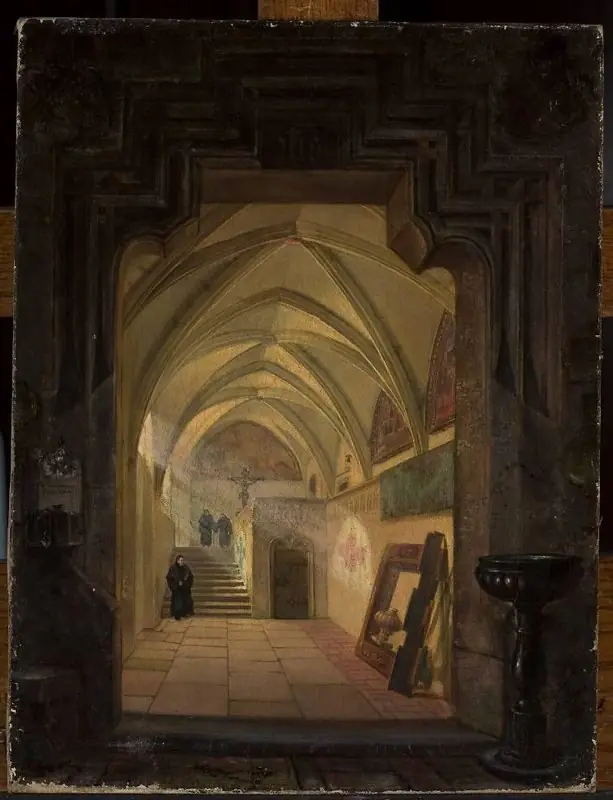 Interior of the cloister at the church of St. Catherine in Kraków
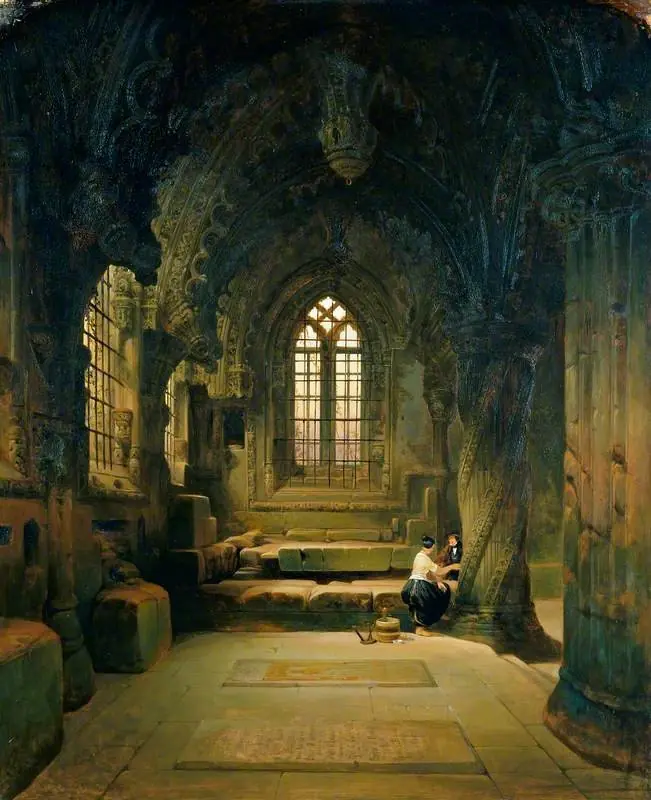 Entrance to the Crypt, Roslin Chapel
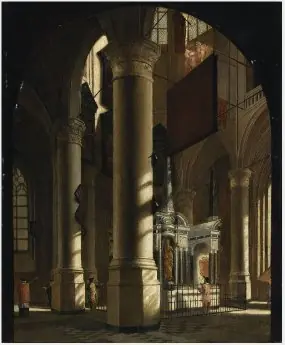 Interior of the Nieuwe Kerk in Delft with the Tomb of William the Silent
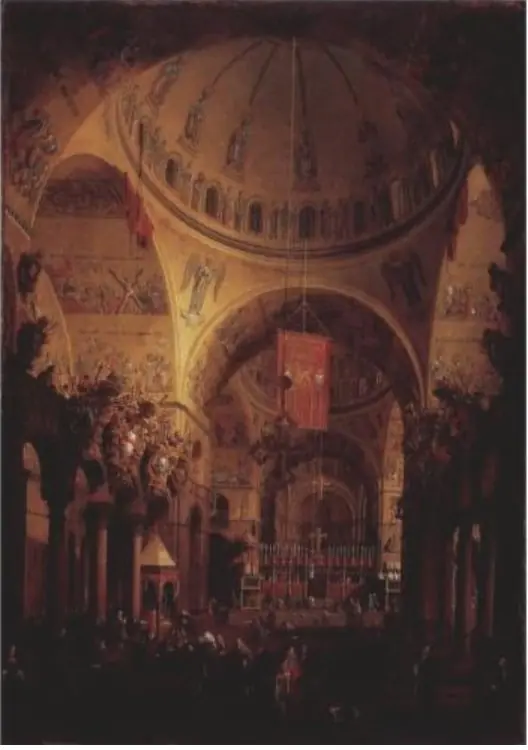 Interior of San Marco, Venice
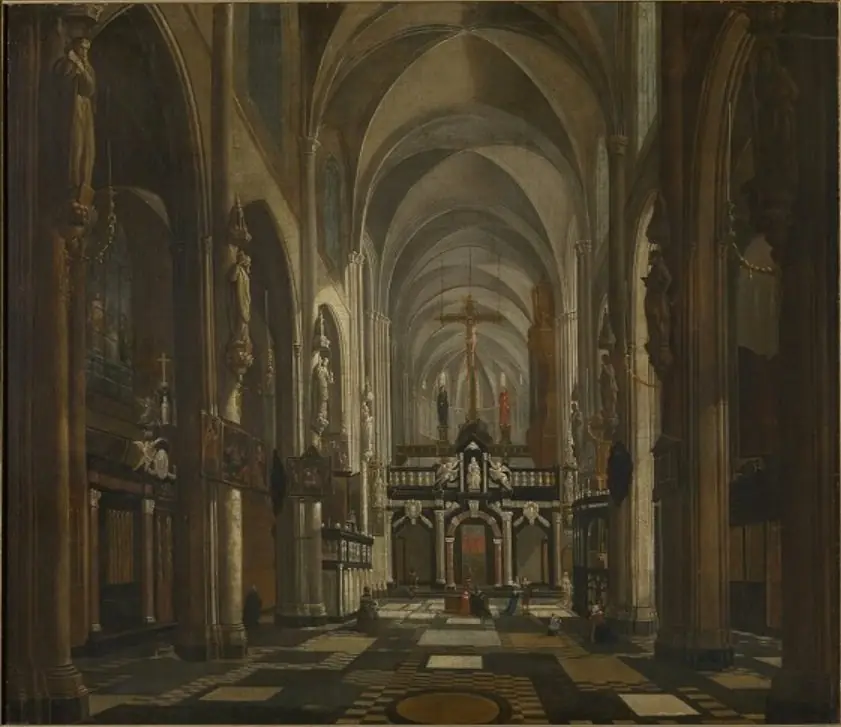 Interior of the former Saint Donatus Church in Bruges
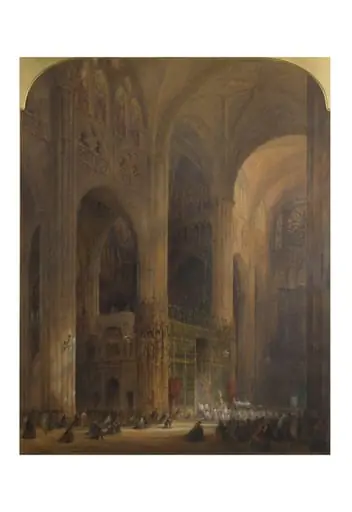 Toledo Cathedral : Interior
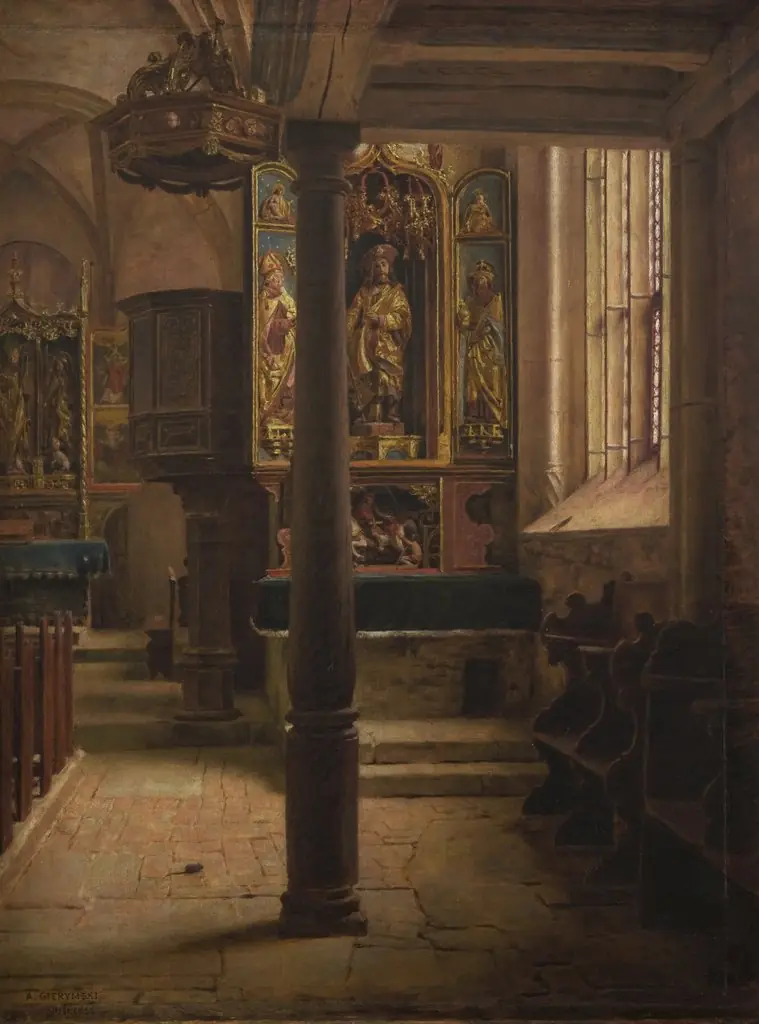 Interior of St Wolfgang's Church in Rothenburg
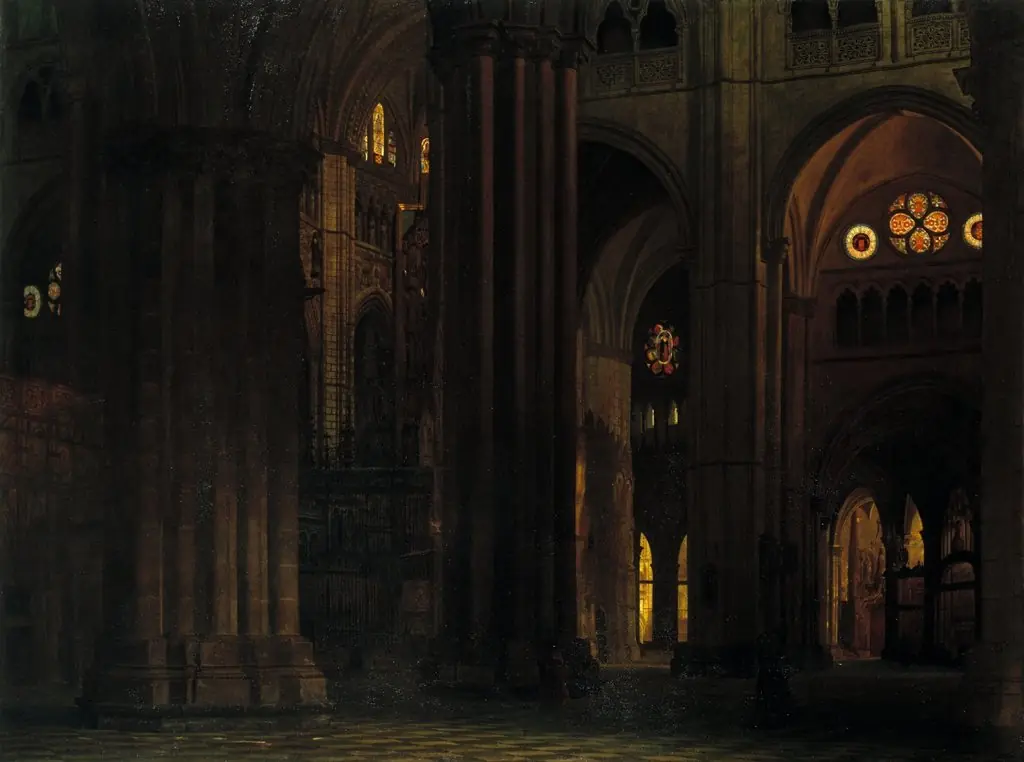 Interior de la Catedral de Toledo
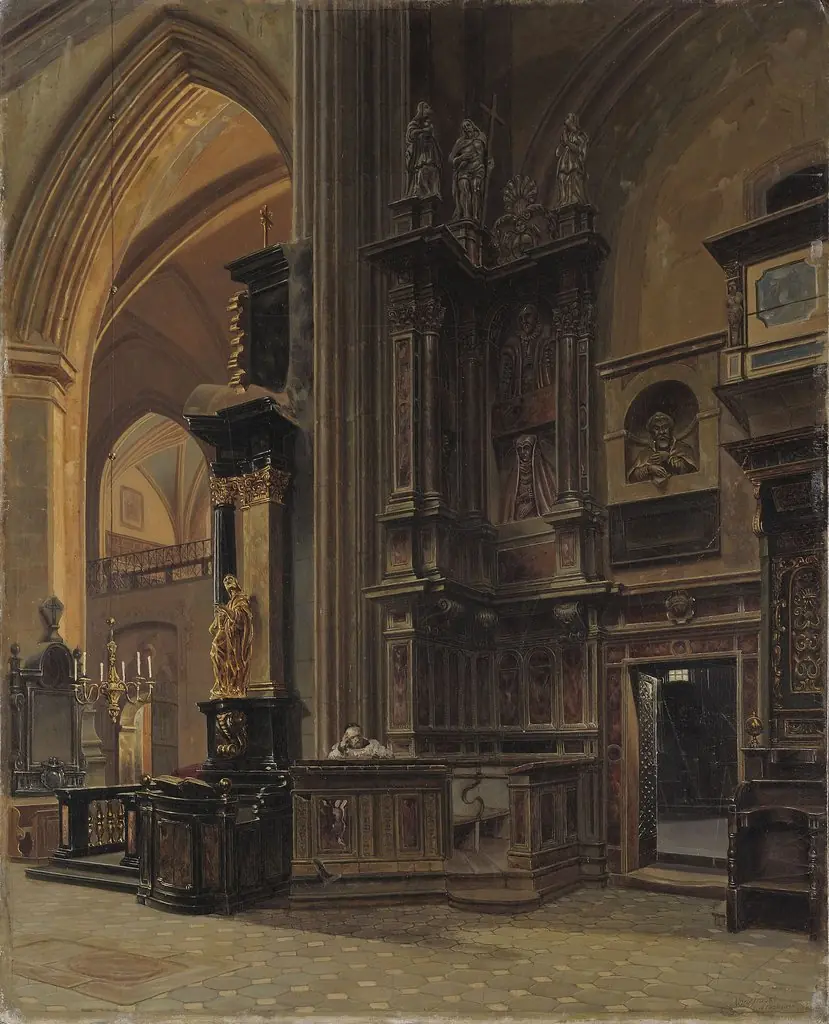 Interior of Saint Mary’s Basilica in Kraków
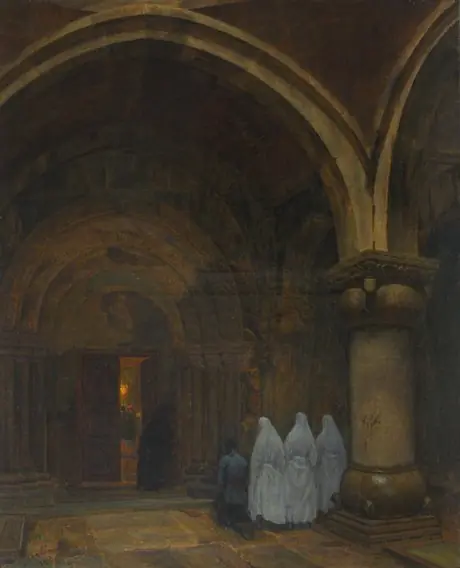 Sanahin monastery courtyard
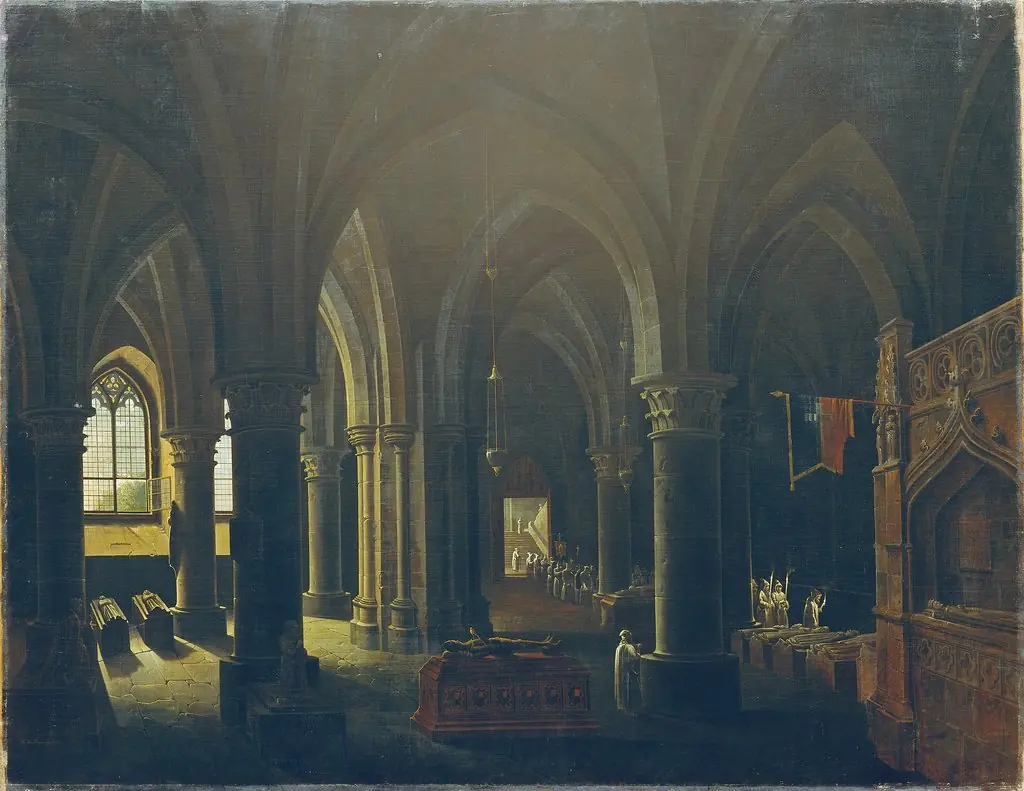 Gotisches Gruftgewölbe
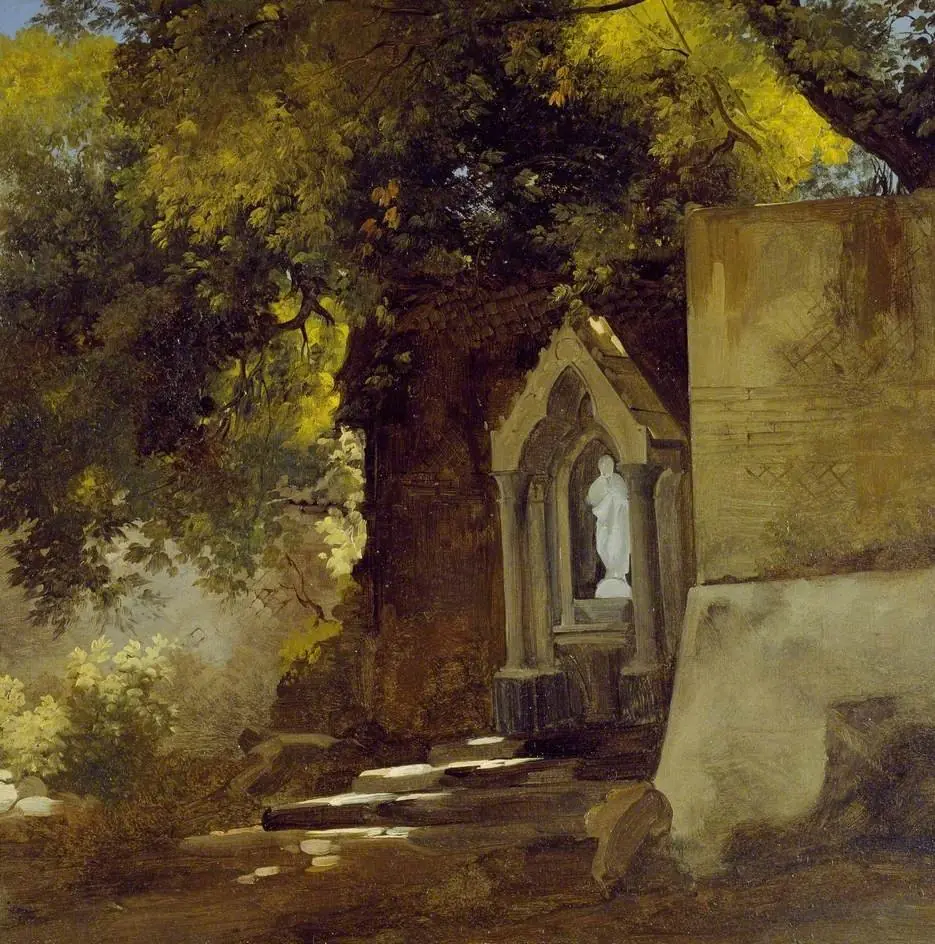 A Wayside Shrine