Artwork
Interior of the Nieuwe Kerk in Delft with the Tomb of William the Silent
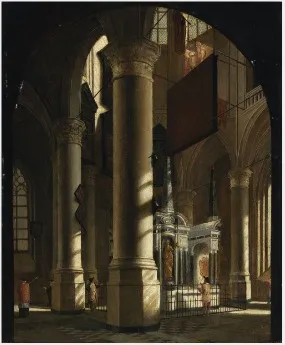
Interior of the Nieuwe Kerk in Delft with the Tomb of William the Silent is an unspecified painting by the Dutch Golden Age artist Gerard Houckgeest. It dates from 1640 and is held in the collection of the National Gallery of Ireland.
About this work
Overview
Gerard Houckgeest’s oil painting, dated around 1640, portrays the vaulted interior of Delft’s Nieuwe Kerk, focusing on the elaborate tomb of William the Silent. The work is part of the collection of the National Gallery of Ireland, where it is displayed as an example of 17th‑century Dutch interior architecture rendered in a highly detailed manner.
Subject & Meaning
The composition centers on the monumental tomb of William of Orange, the founder of the Dutch Republic, set within the church’s nave. By emphasizing the tomb’s architectural framing, Houckgeest underscores the political and religious significance of the site, inviting viewers to contemplate the interplay between sacred space and national memory.
Technique & Style
Houckgeest employs a precise linear perspective to convey depth, guiding the eye toward the distant altar. The painting is characterized by a muted palette of ochres and grays, with careful attention to light falling on stone surfaces, highlighting texture and the reflective quality of marble and gilt.
History & Provenance
Created in the early 1640s, the canvas entered the National Gallery of Ireland’s holdings in the 20th century, though earlier ownership records are sparse. Its acquisition reflects the museum’s interest in Dutch Golden Age works that document architectural interiors.
Context
During the Dutch Golden Age, artists frequently depicted church interiors to explore perspective and light. Houckgeest, known for such subjects, contributed to this tradition by selecting a site linked to the nation’s founding figure, thereby merging architectural study with historical commemoration.
Artist & collection

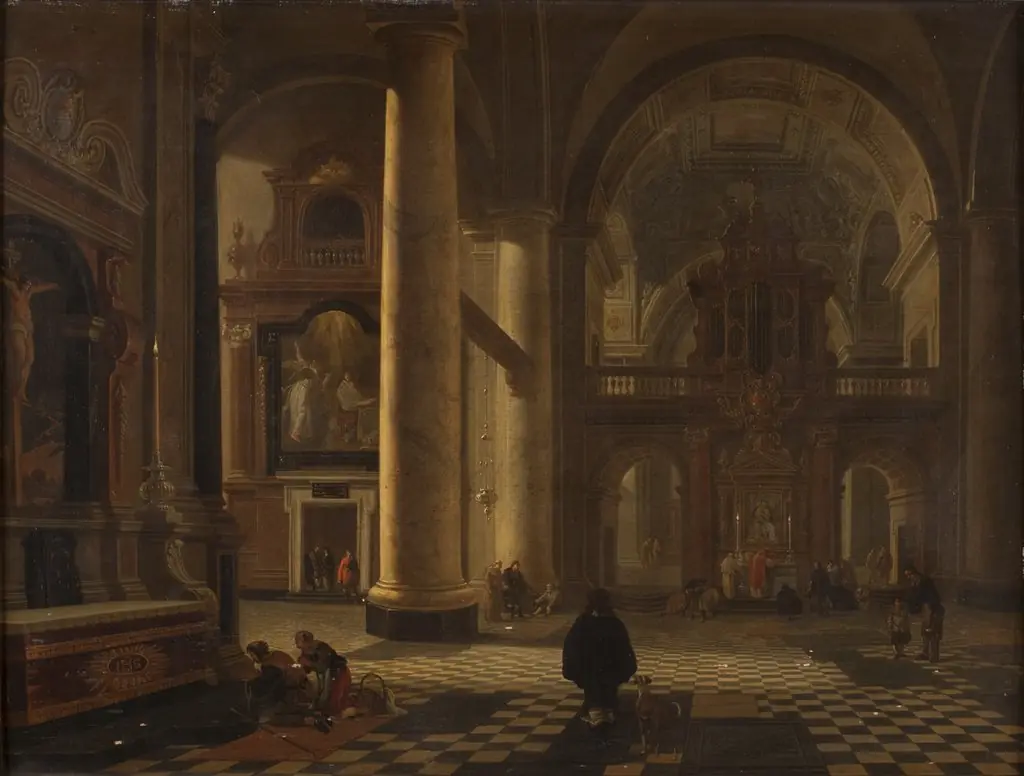 Interior of a Catholic Church
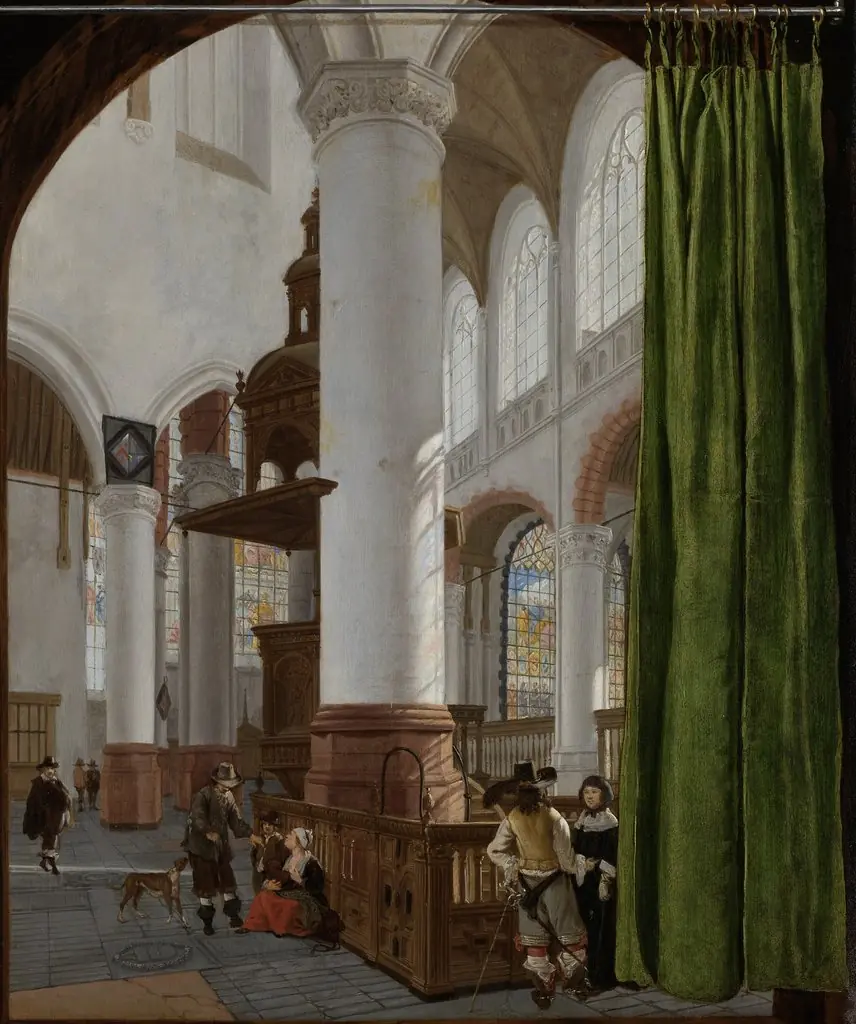 Interior of the Old Church in Delft
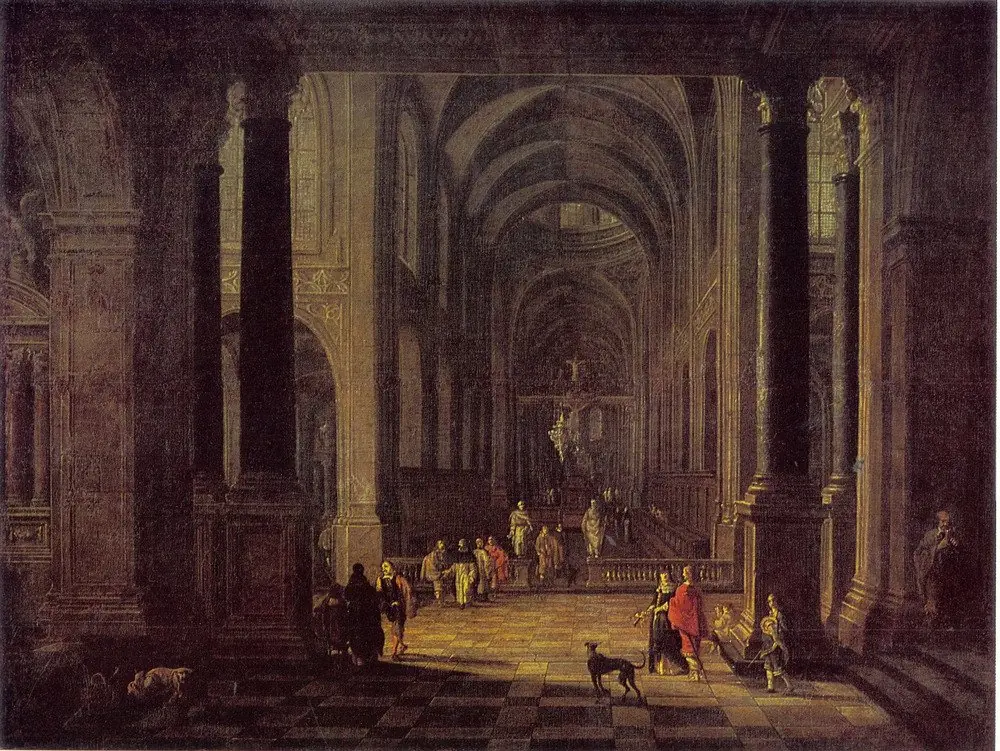 Interior of a Church
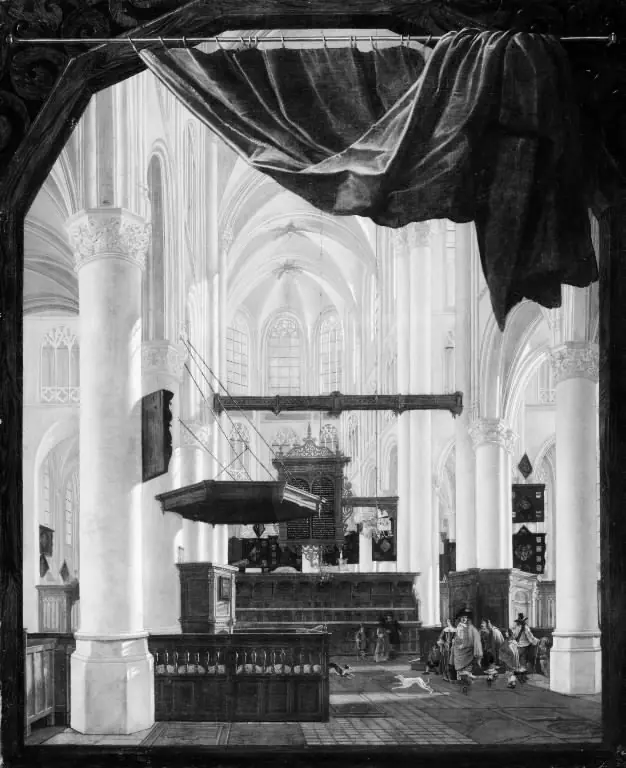 Interior of Sint Gertrudiskerk in Bergen op Zoom
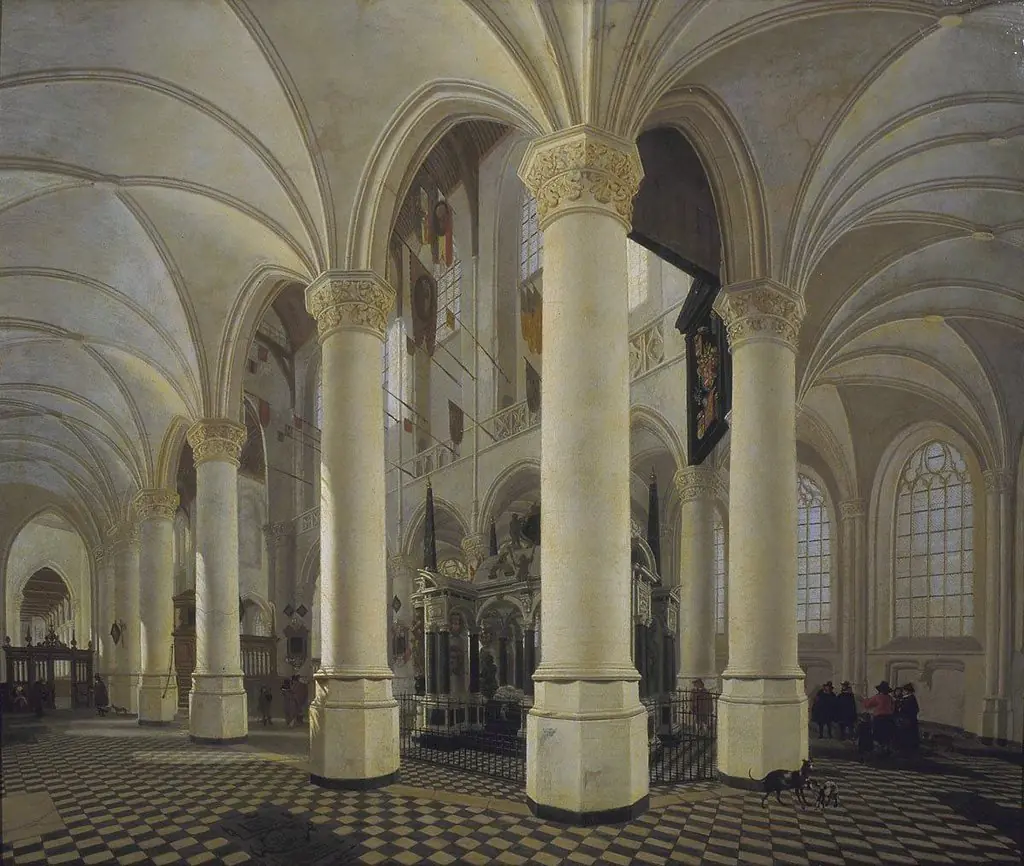 Choir of the Nieuwe Kerk in Delft with the tomb of William the Silent
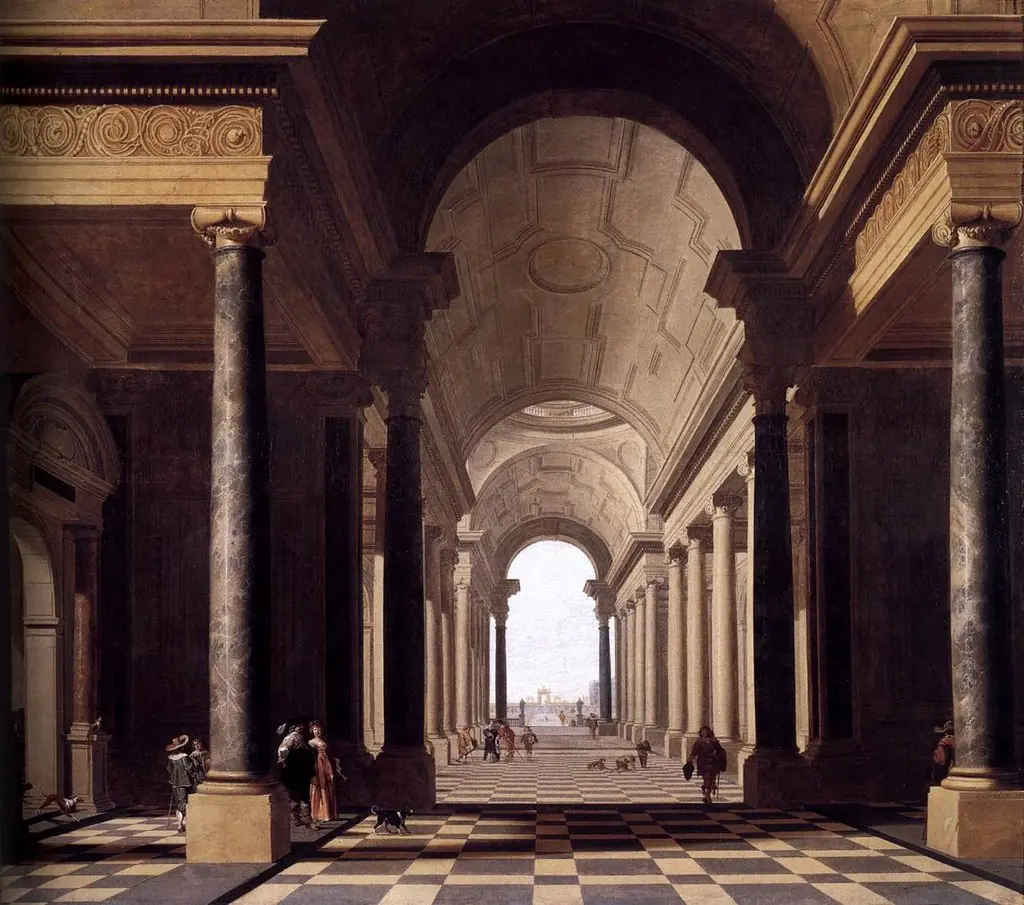 An Architectural Fantasy with Figures
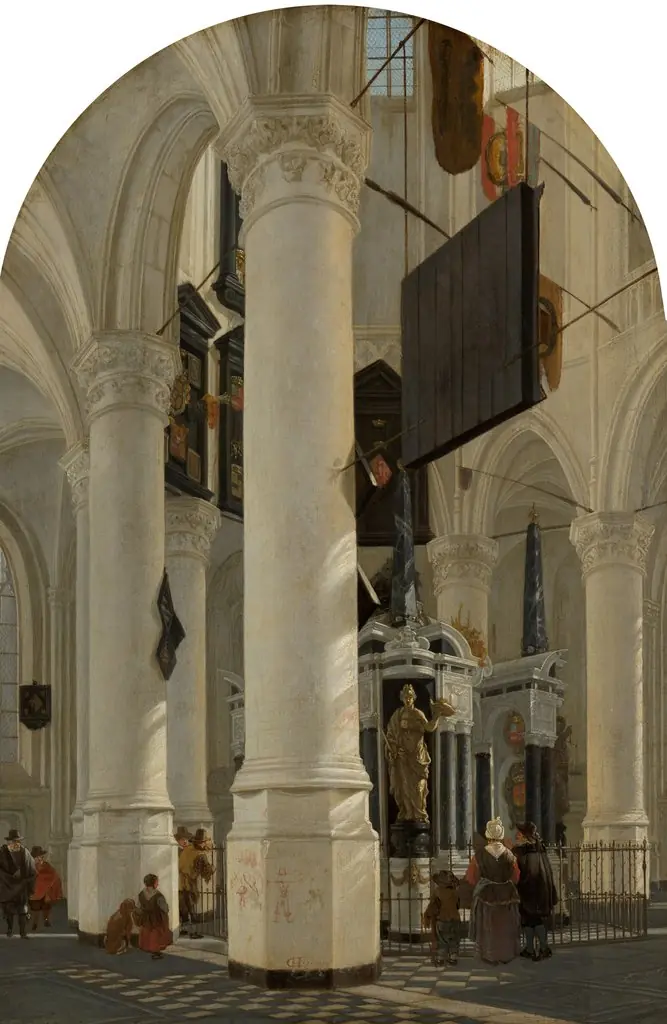 The Tomb of William the Silent in the Nieuwe Kerk in Delft
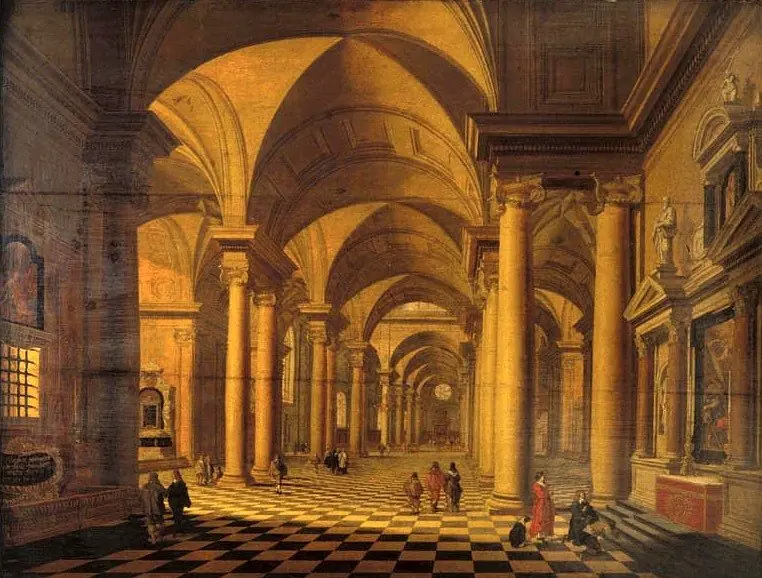 Interior de Igreja Católica
 The Nieuwe Kerk in Delft with the Tomb of William the Silent
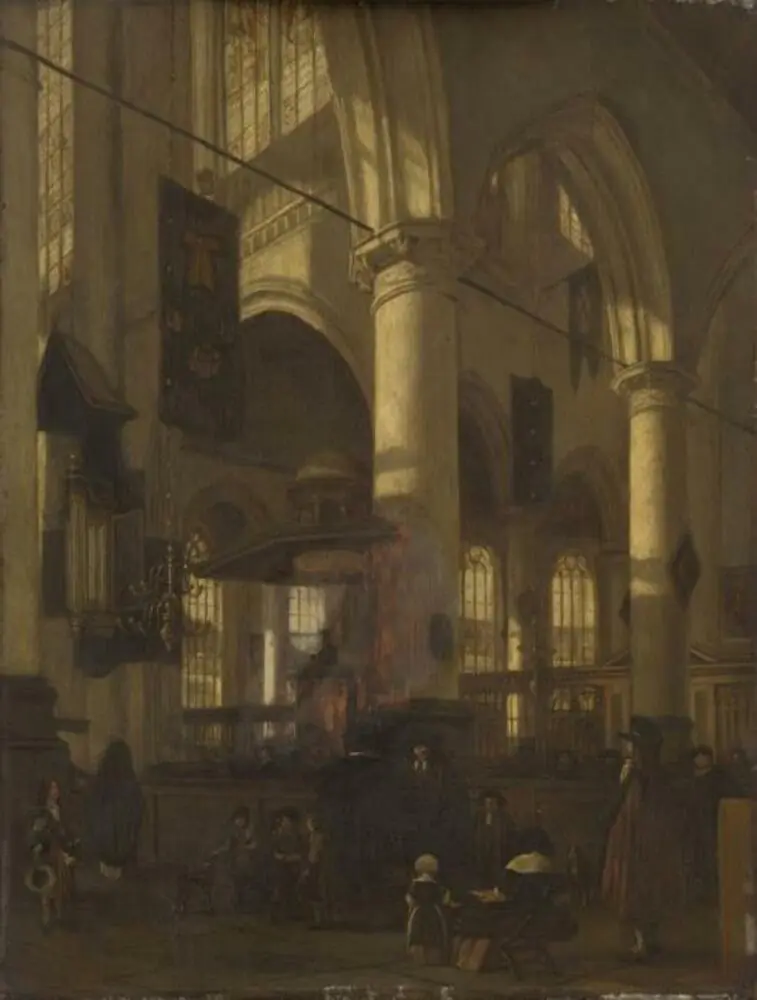 Interior of the Oude Kerk, Delft
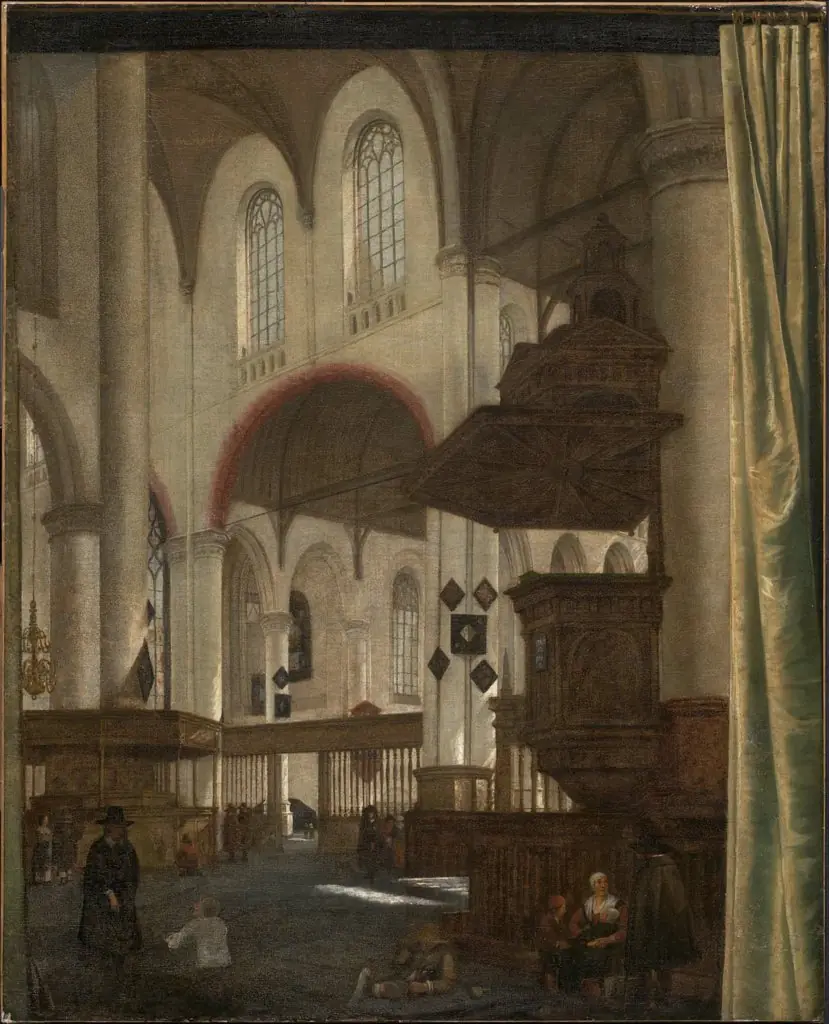 Interior of the Oude Kerk, Delft
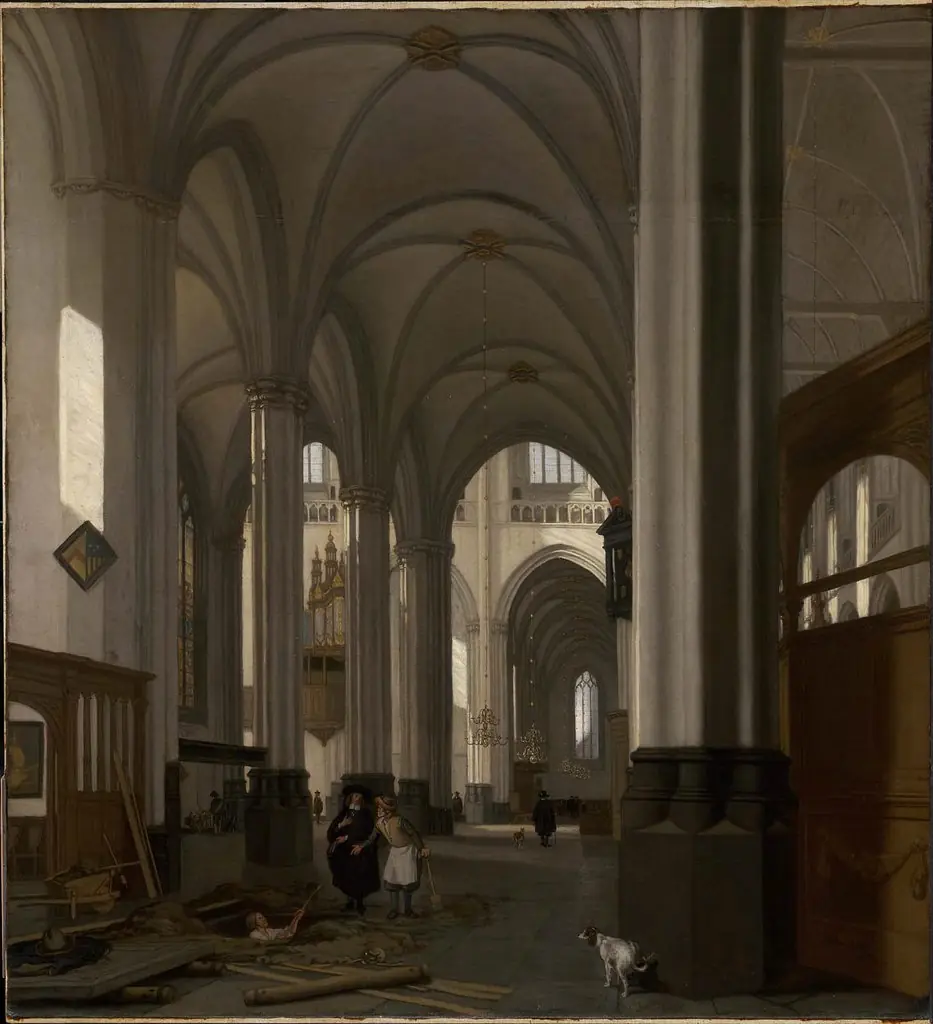 Interior of the Nieuwe Kerk, Amsterdam
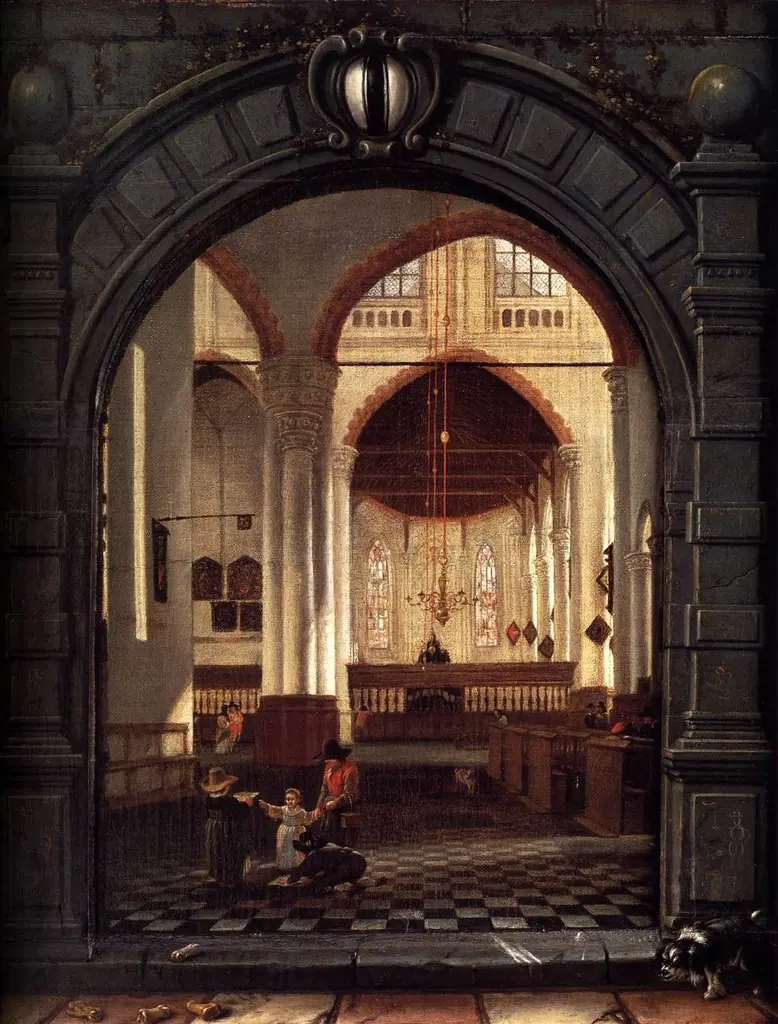 Interior of the Oude Kerk, Delft, Seen through a Stone Archway
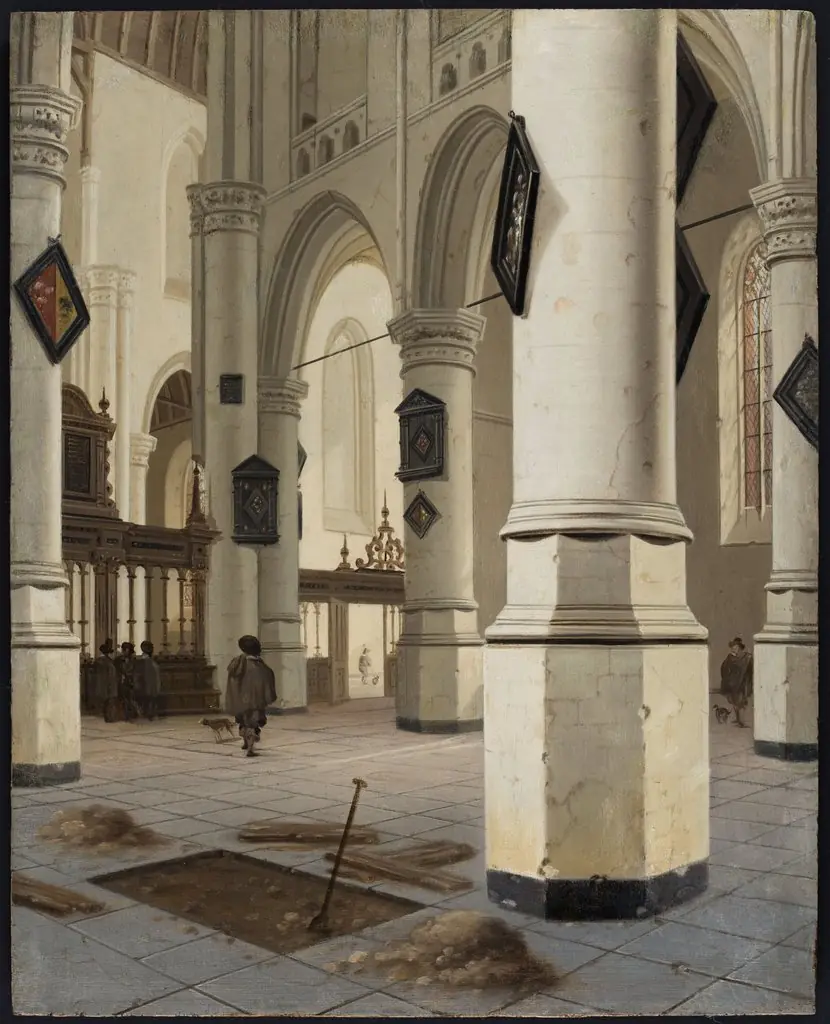 Interior of an old church in Delft
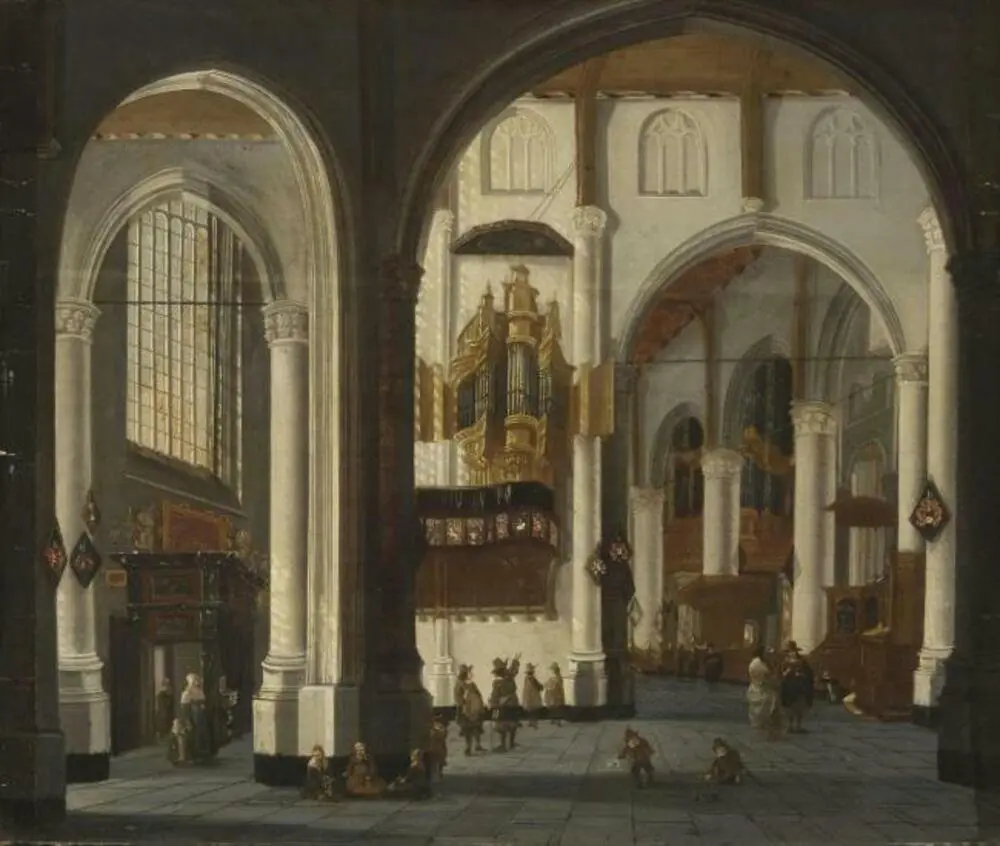 Interior of the St. Laurenskerk, Rotterdam
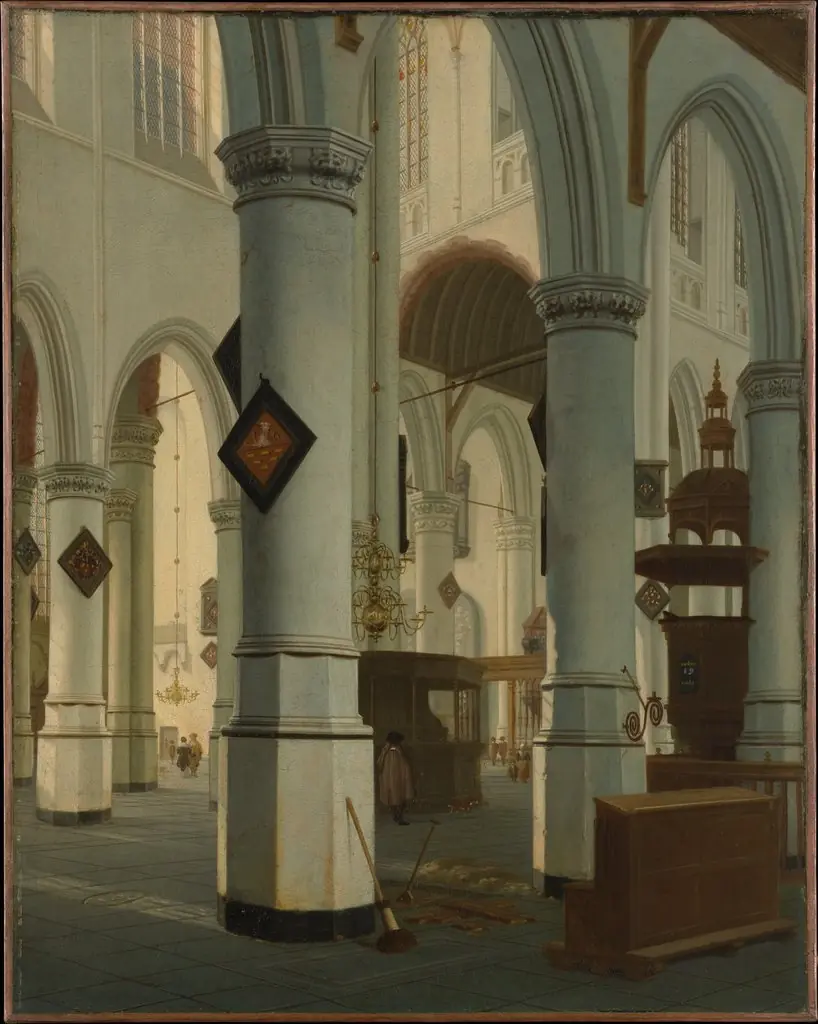 Interior of the Oude Kerk, Delft
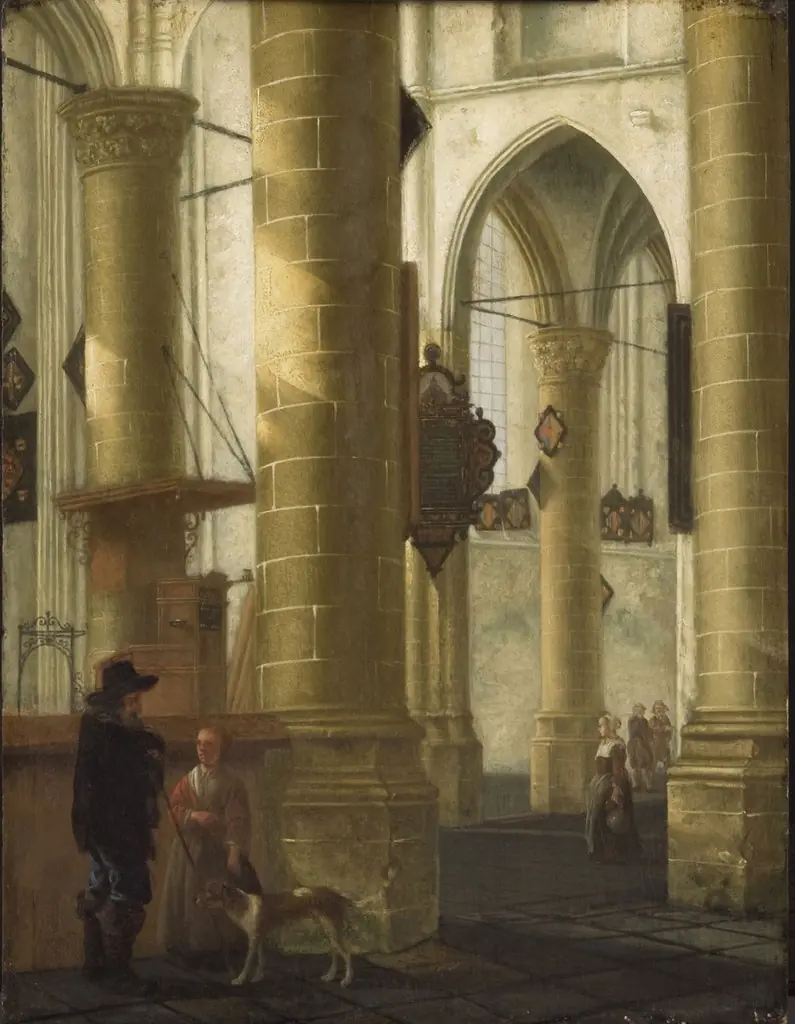 Interior of the Groote Kerk, Dordrecht