Artwork
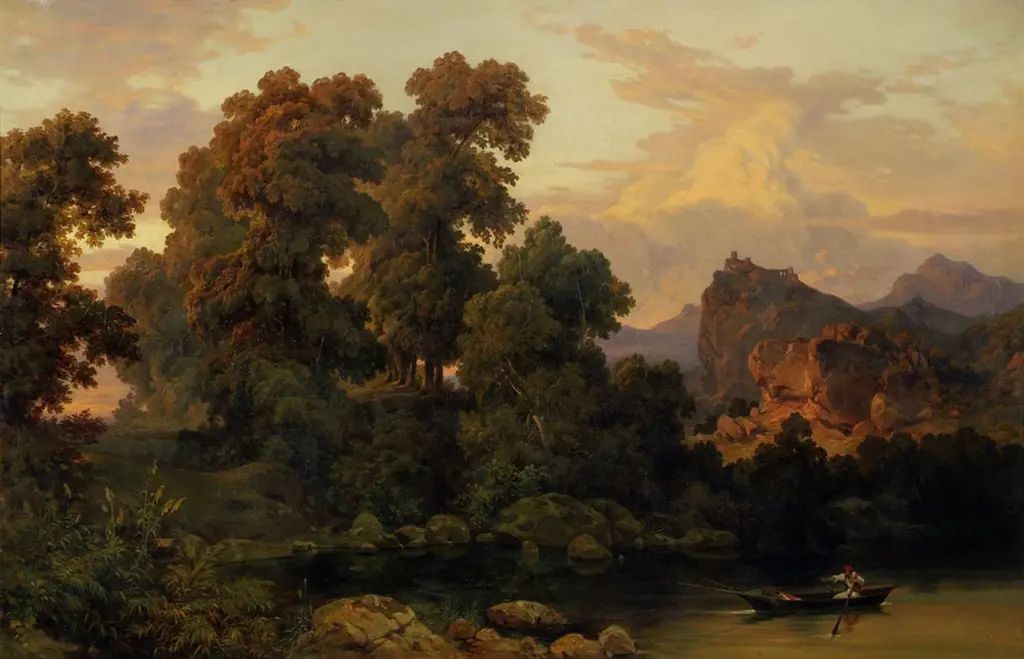
Der Ilsenstein am Fuße des Brockens im Harzgebirge
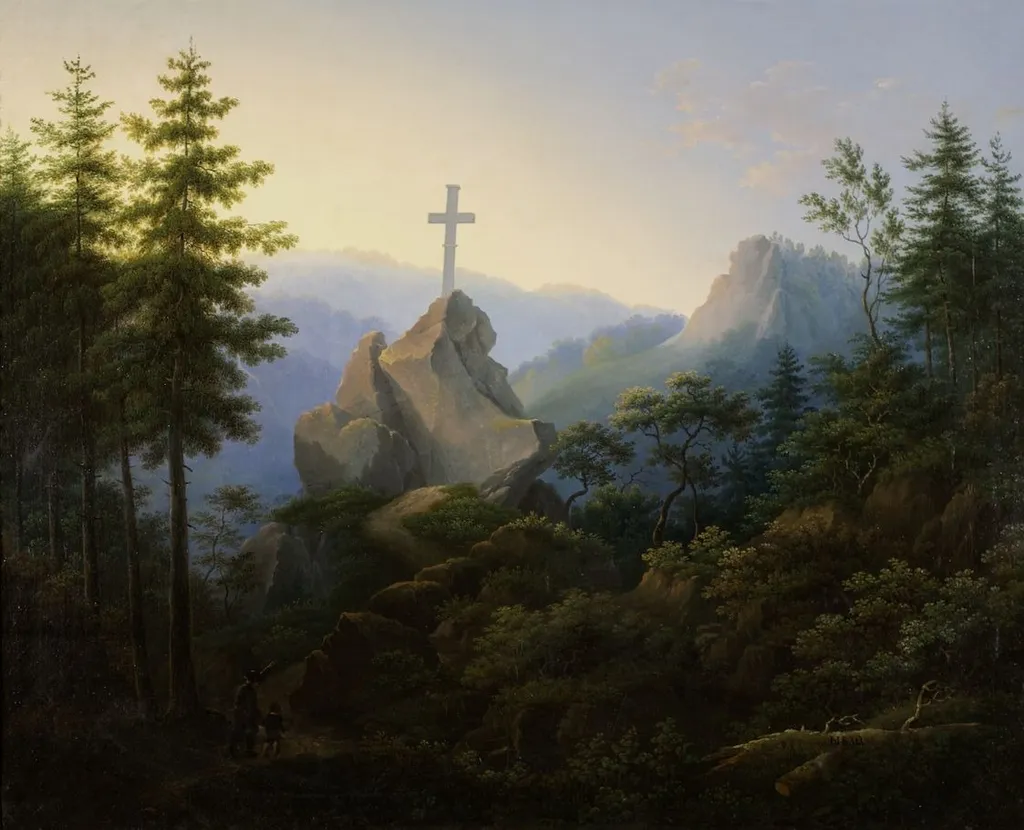
Der Ilsenstein am Fuße des Brockens im Harzgebirge is an oil painting by the Biedermeier artist Hermann Joseph Neefe. It dates from 1830 and is held in the collection of the Kunsthistorisches Museum.
About this work
Overview
Created in 1830, this oil on canvas by Hermann Joseph Neefe presents a quiet mountainous scene. The composition centers on a rocky prominence crowned by a solitary cross, while gentle hills and distant peaks recede beneath a sky washed in pale yellow and blue. The work is part of the collection of the Kunsthistorisches Museum.
Subject & Meaning
The painting portrays a tranquil landscape where nature and a modest religious symbol coexist. The solitary cross atop the crag suggests contemplation and spiritual presence within an otherwise unspoiled environment, inviting viewers to reflect on the harmony between the natural world and human faith.
Technique & Style
Neefe employs a restrained palette and soft transitions to render atmospheric effects. Subtle gradations of light and shadow model the rock and foliage, while a delicate mist softens the distant hills. The overall handling reflects a calm, naturalistic approach characteristic of early‑19th‑century German landscape painting.
History & Provenance
The canvas was completed in 1830 and later entered the holdings of Vienna’s Kunsthistorisches Museum, where it remains on display. Its acquisition history is not extensively documented, but the work has been part of the museum’s German Romantic collection for many decades.
Context
Neefe worked during a period when German artists increasingly turned to the Harz mountains for inspiration, valuing their rugged scenery and atmospheric qualities. This painting aligns with that tradition, emphasizing the serene, mist‑laden vistas that were popular among contemporaries seeking to evoke the sublime in nature.
Artist & collection

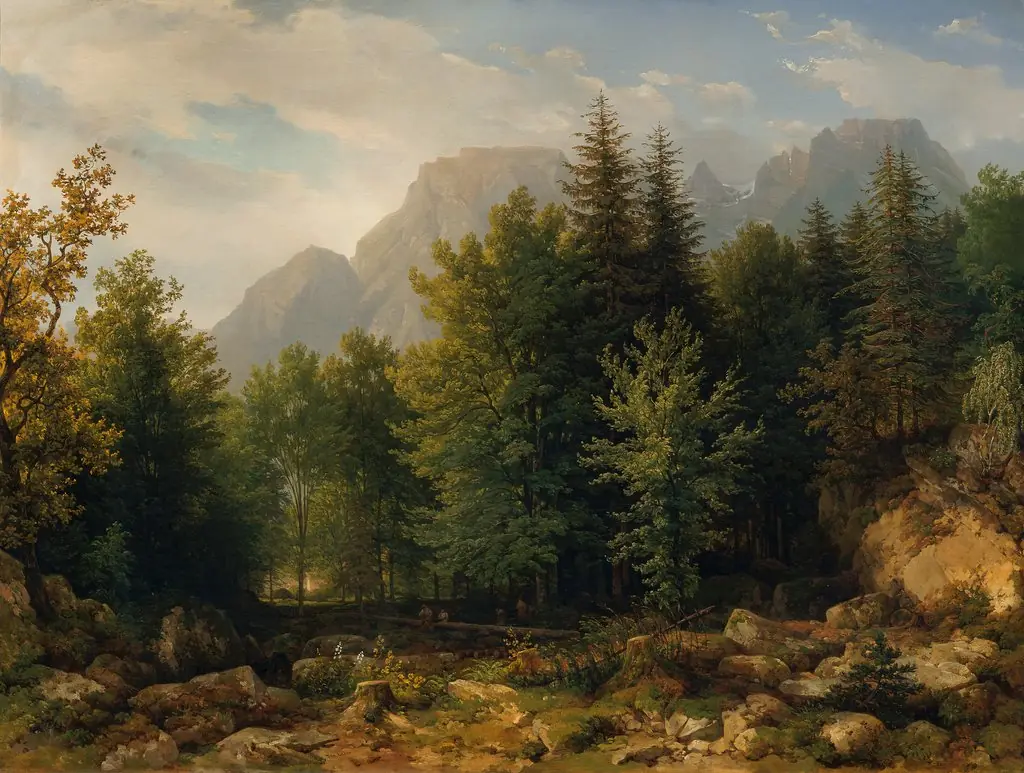 Forest Landscape in the High Mountains
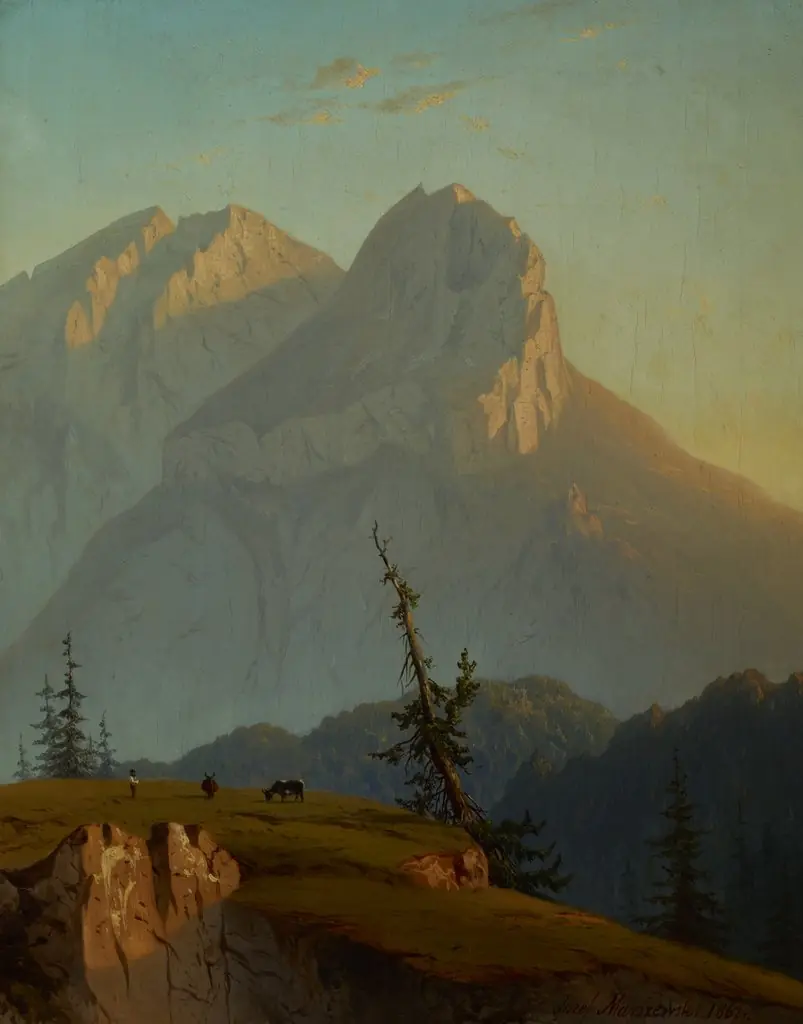 Mount Murań in the Tatra Mountains at Sunrise
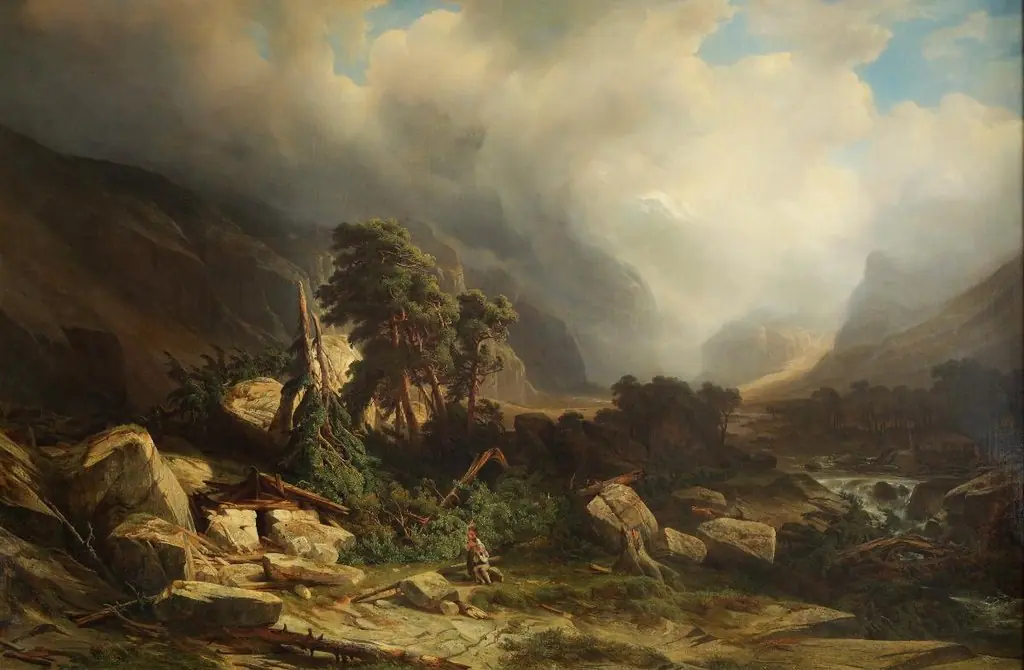 L'Éboulement (après l'orage)
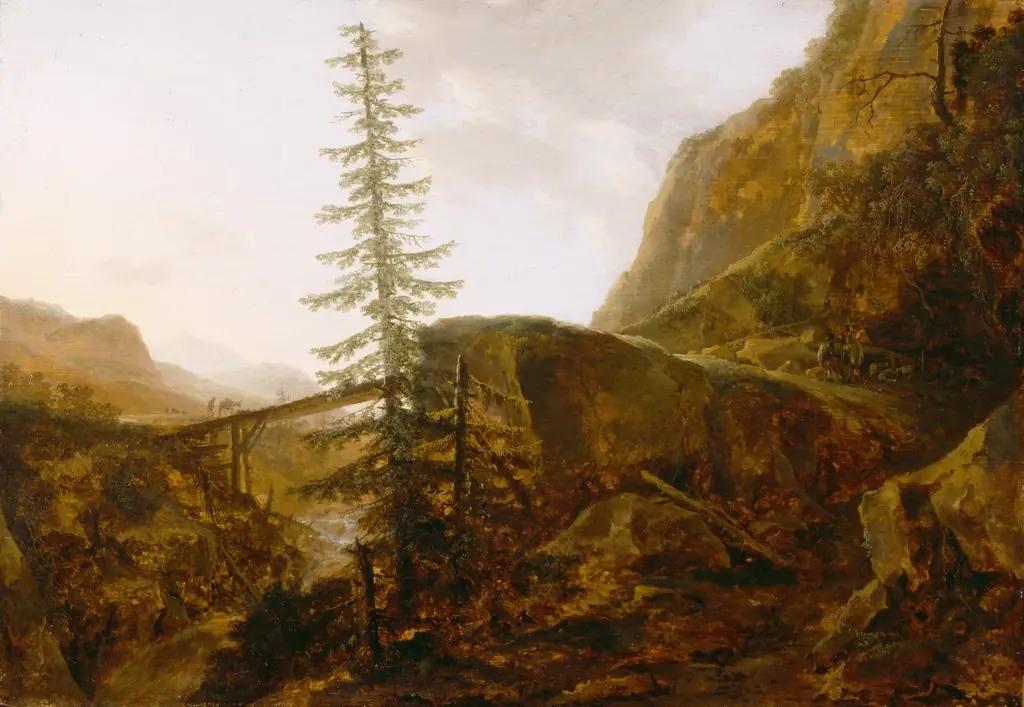 A Pass in the Apennines
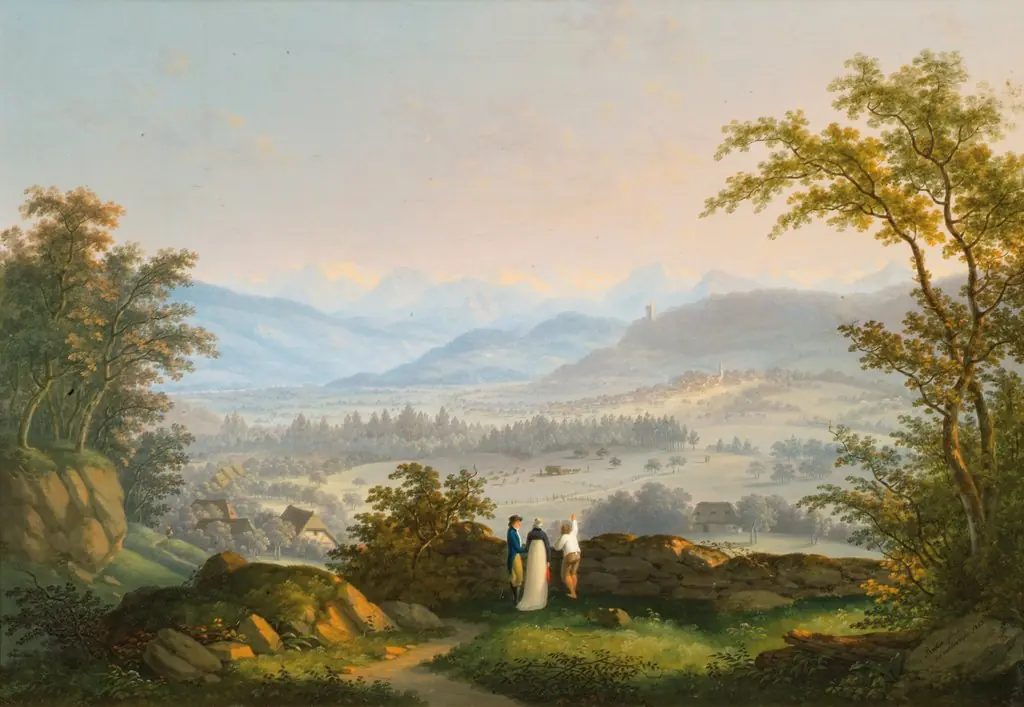 Surroundings of the Habsburg Ruin
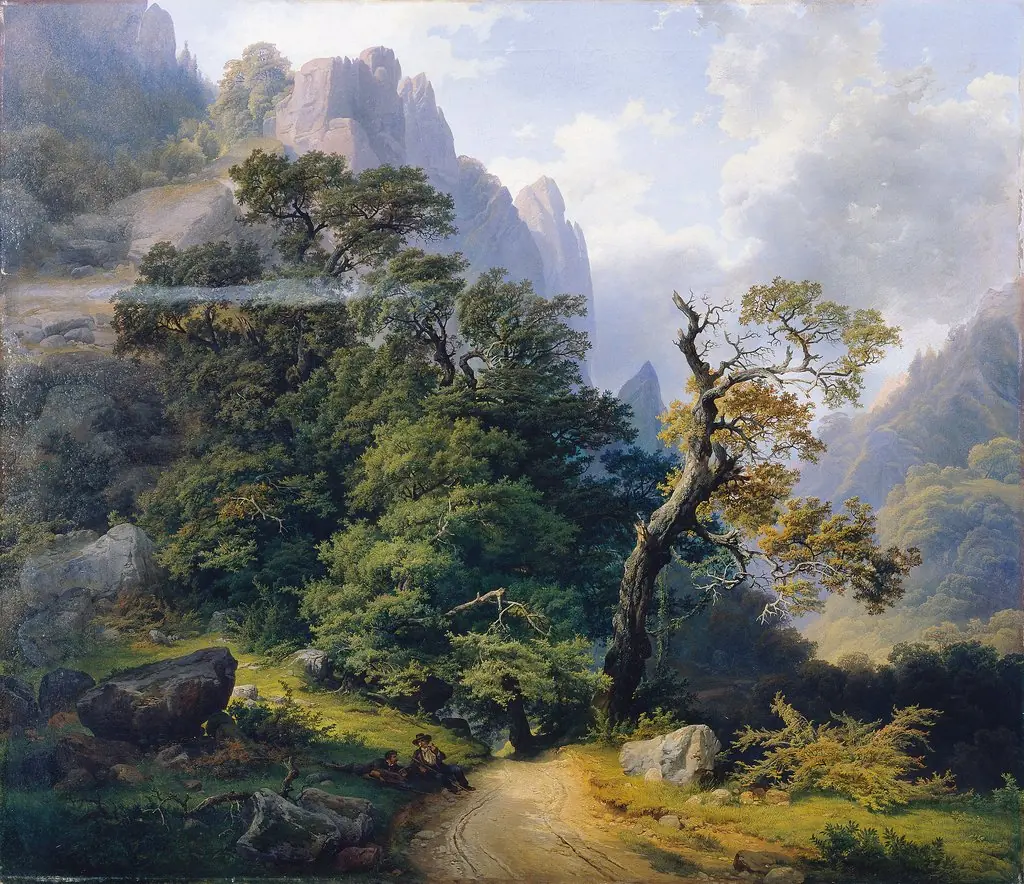 Berglandschaft
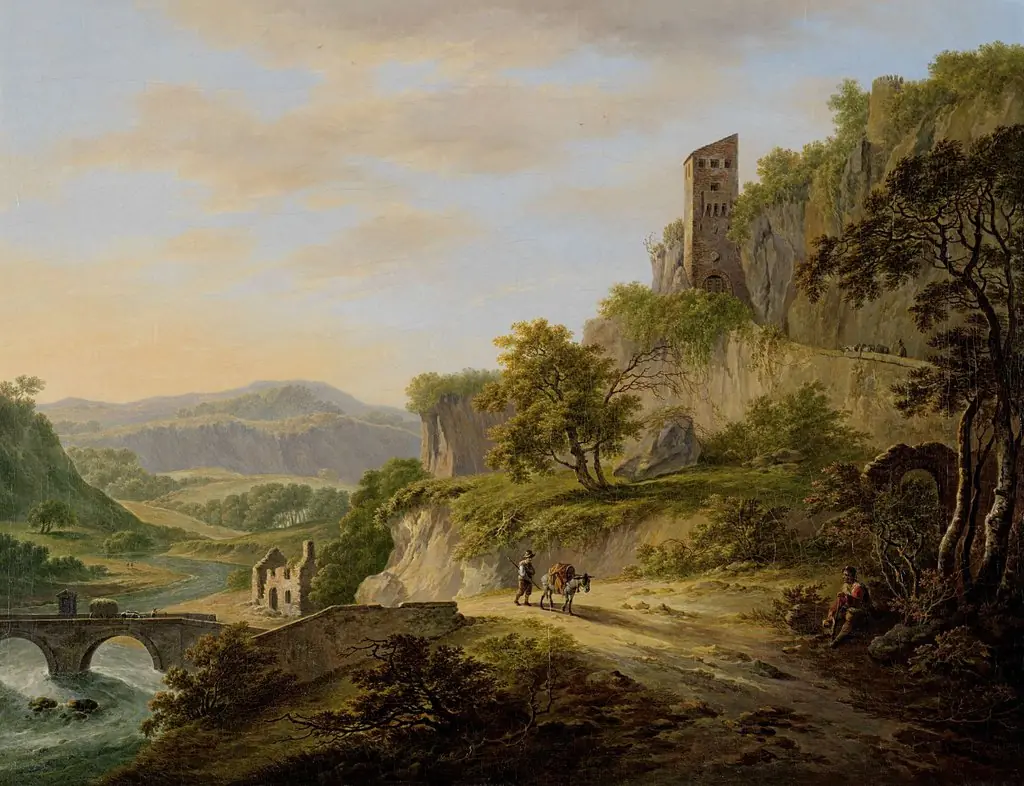 Gezicht op Civita Castellana
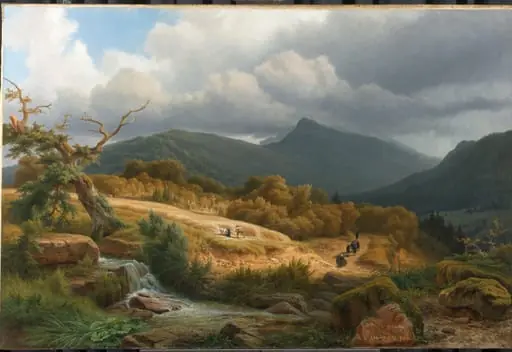 The Cemetery at Baden-Baden
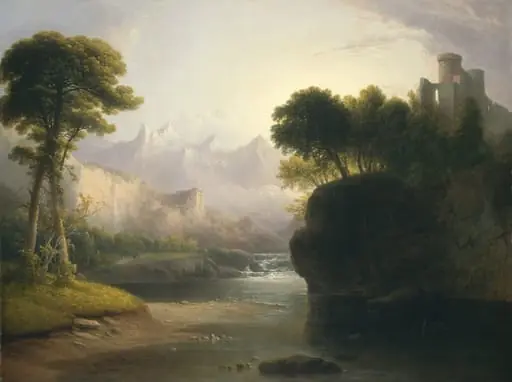 Fanciful Landscape
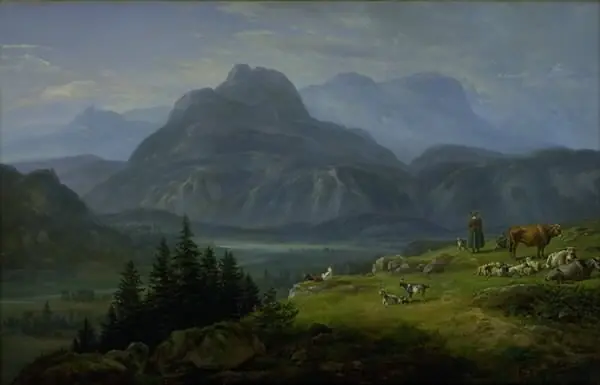 The Etsch Valley near Roveredo
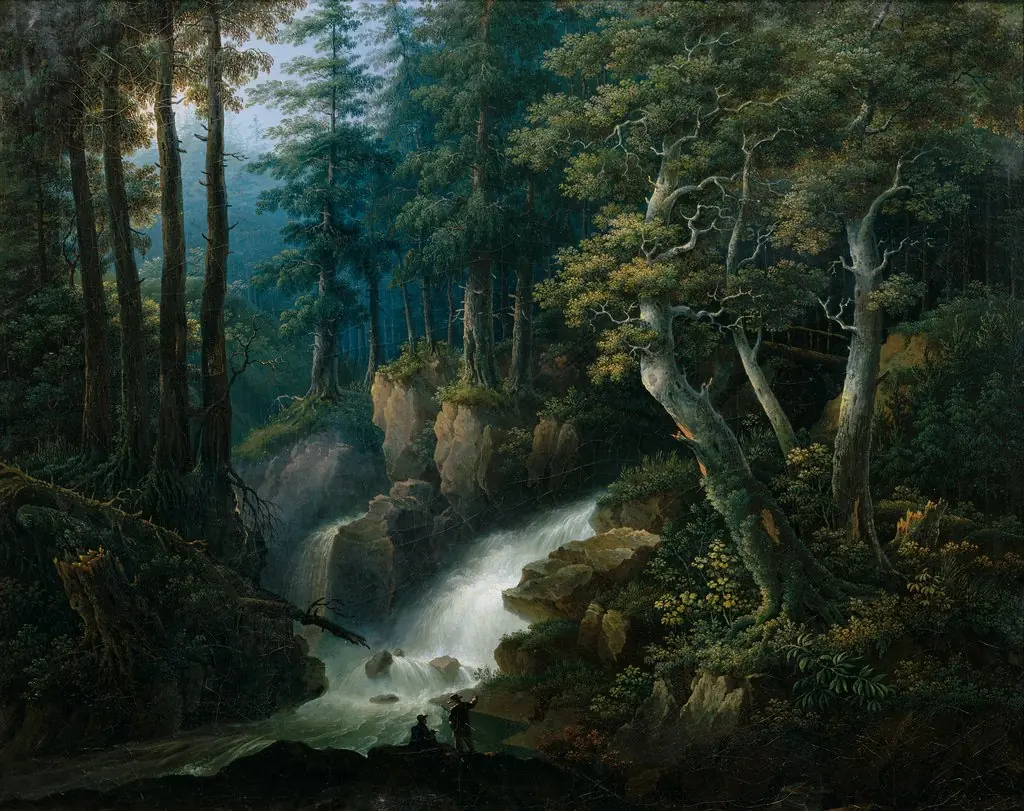 Der Wasserfall der Ilse auf dem Brocken im Harzgebirge
 Italienische Landschaft