Artwork
Virgil
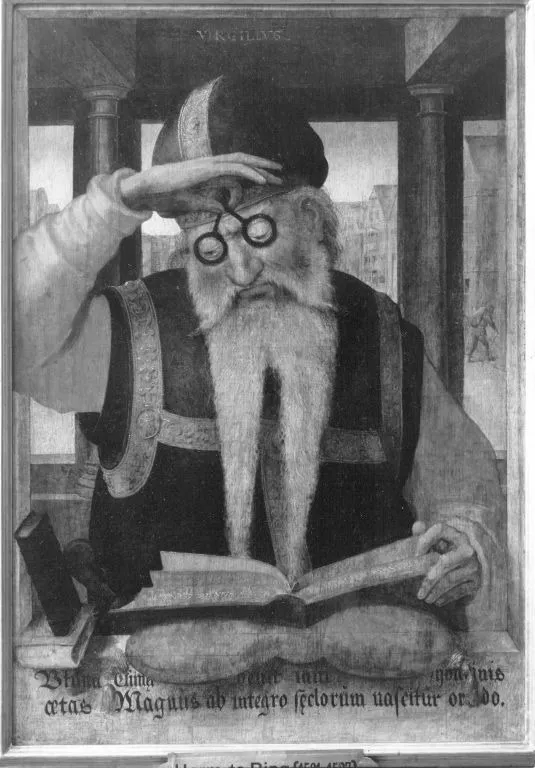
Virgil is an unspecified painting by Hermann tom Ring. It dates from 1568 and is held in the collection of the Bavarian State Painting Collections.
About this work
Overview
This work, now in the Alte Pinakothek in Munich, reflects the Northern Renaissance focus on individual character and material detail.
Hermann tom Ring, a German painter active in the mid-16th century, completed the portrait of Virgil circa 1568. Born in Münster in 1521, he was known for his precise rendering of individuals and religious subjects. This work, now in the Alte Pinakothek in Munich, reflects the Northern Renaissance focus on individual character and material detail. It stands as one of several portraits by tom Ring that convey intellectual presence through careful observation.
Subject & Meaning
The painting portrays the Roman poet Virgil, traditionally regarded as a symbol of literary wisdom and classical learning. His white beard, contemplative gesture, and seated posture suggest deep thought. The book in his lap and the architectural setting imply a scholarly environment. Rather than idealizing the figure, tom Ring presents him as a grounded, human thinker, aligning with Renaissance values that honored classical antiquity through realistic depiction.
Technique & Style
Tom Ring employed fine brushwork to capture the texture of fabric, the sheen of skin, and the grain of wood in the book. The palette is restrained, with deep browns and muted tones creating a somber, introspective mood. Light falls subtly across the face and hands, modeling form without dramatic contrast. The background, with its architectural elements, is rendered with equal precision, reinforcing the sitter’s association with learned spaces.
History & Provenance
The painting entered the Alte Pinakothek’s collection in the 19th century, likely through royal Bavarian acquisitions. Its attribution to tom Ring is supported by stylistic comparisons with his other signed portraits. No earlier documentation of its ownership is known, but its condition and style suggest it was commissioned by a patron familiar with humanist ideals, possibly in a northern German or Netherlandish context.
Context
During the 1560s, German artists increasingly turned to secular subjects alongside religious themes, reflecting broader humanist interests. Portraits of classical figures like Virgil served as cultural touchstones, linking contemporary viewers to antiquity. Tom Ring’s work fits within this trend, where intellectual heritage was visualized through lifelike representation rather than allegory, responding to the era’s scholarly revival of Latin literature.
Legacy
Though not widely known today, tom Ring’s portraits contribute to the understanding of Northern Renaissance portraiture beyond major centers like Antwerp or Nuremberg. His depiction of Virgil exemplifies how regional artists engaged with classical themes through meticulous technique. The painting remains a quiet testament to the period’s reverence for learning, preserved as part of a broader European tradition of honoring intellectual figures in visual form.
Artist & collection
Artist
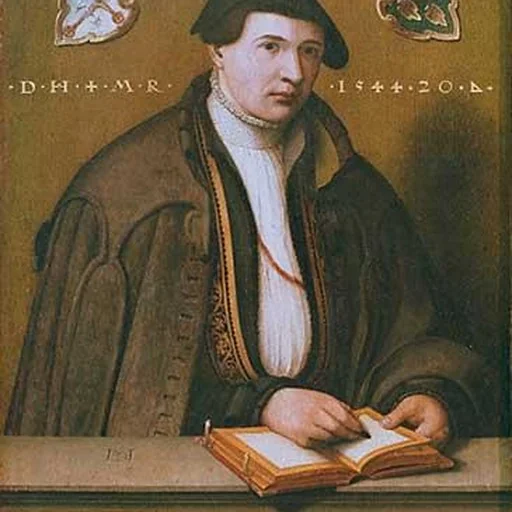
Hermann tom Ring (German pronunciation: ; 2 January 1521 in Münster – 18 October 1596 in Münster), was a German Renaissance painter.

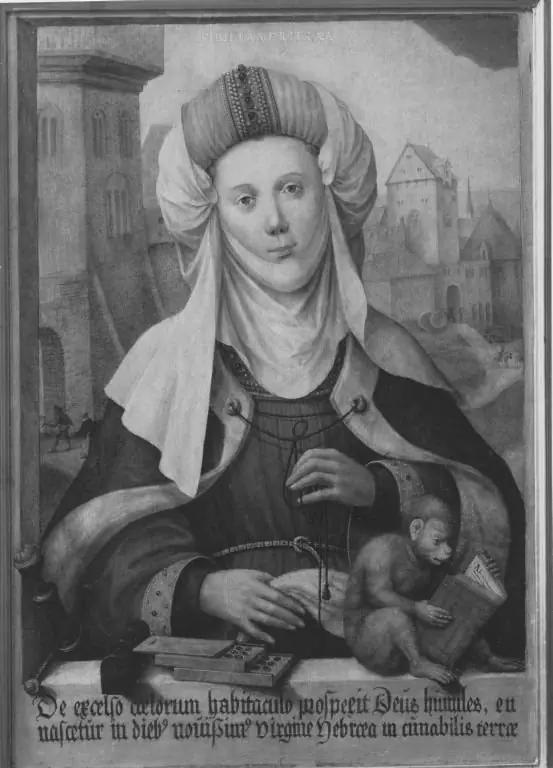
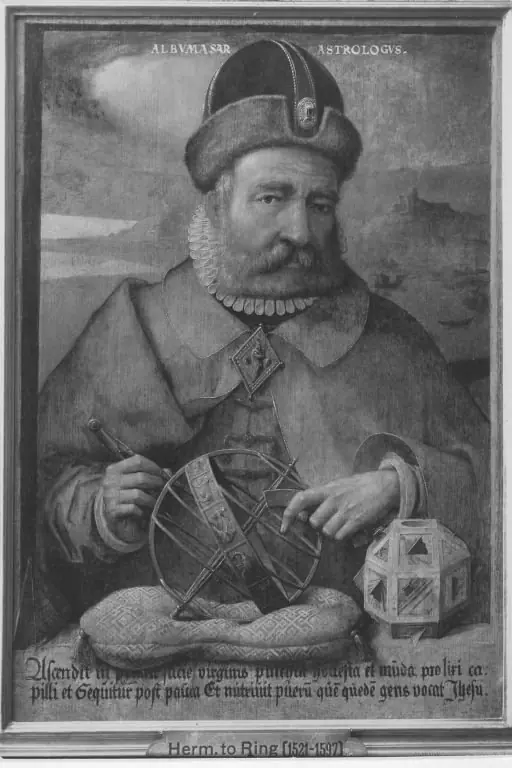
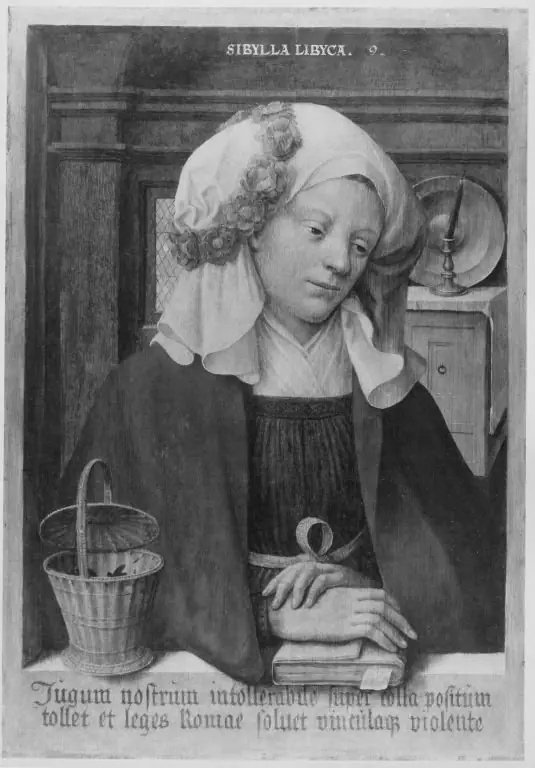
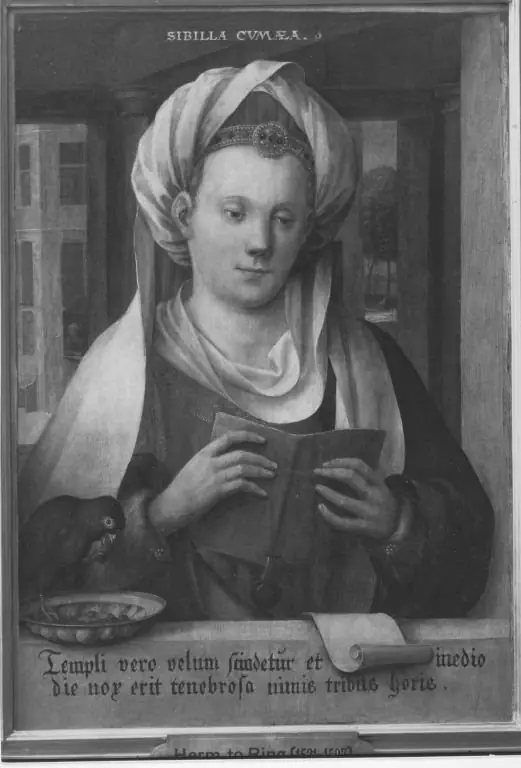
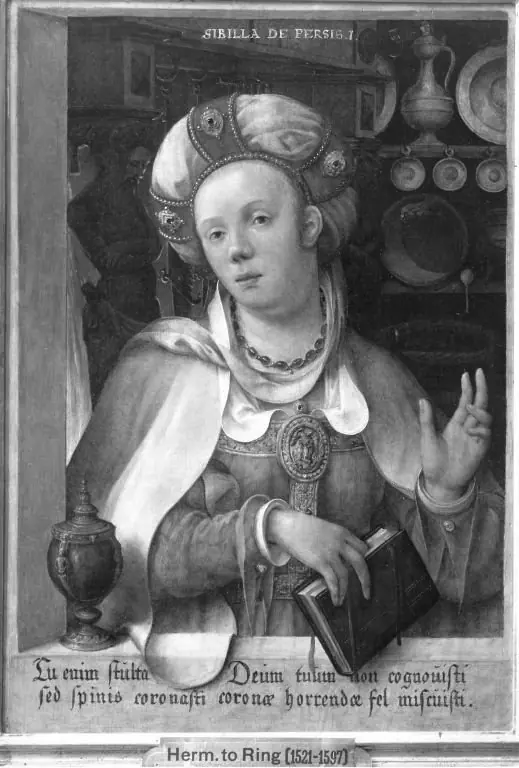
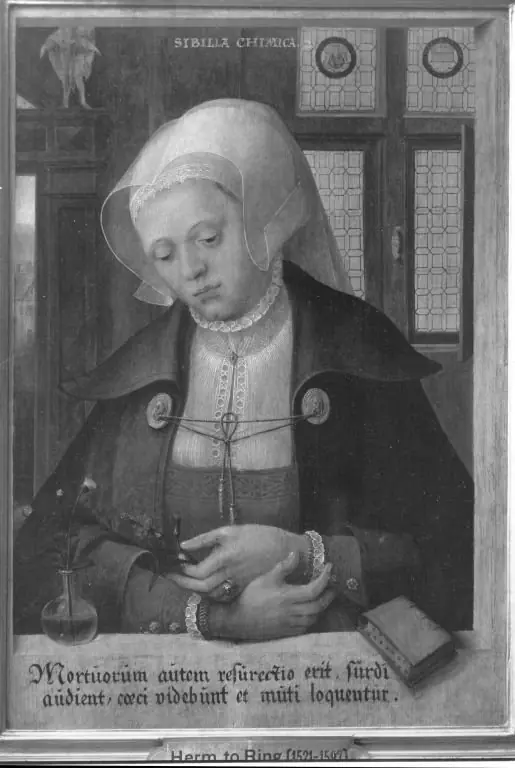
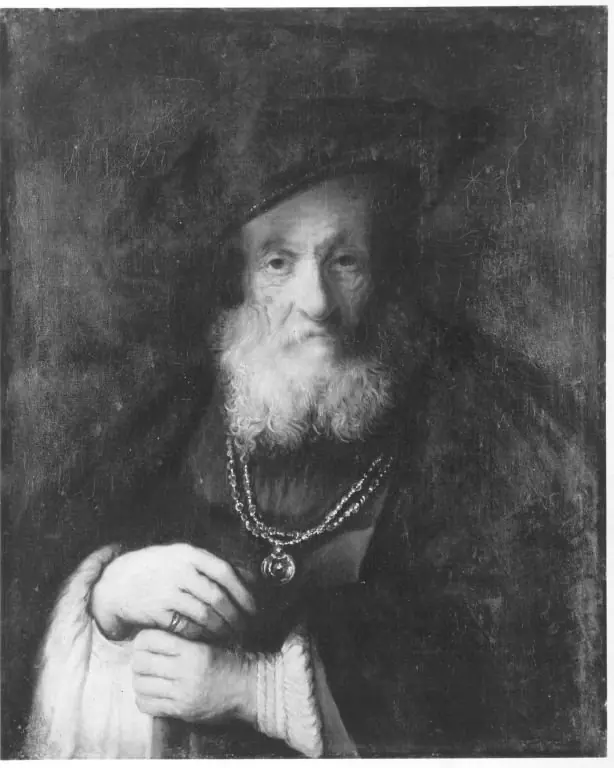 Bildnis eines alten Mannes (Kopie nach)
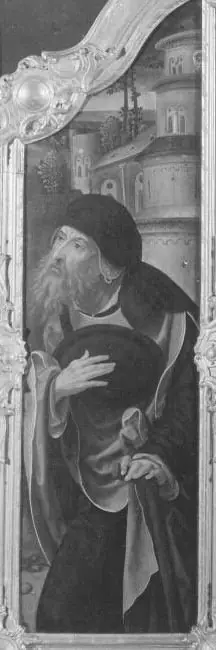 Triptych: St. Joseph, around 1530/40
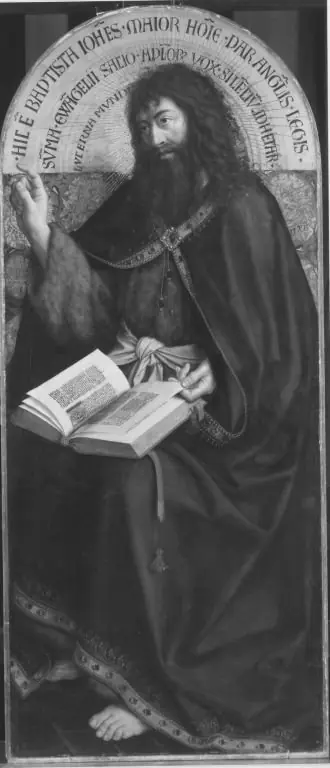 Saint John the Baptist (after The Ghent Altarpiece)
 Saint Jerome
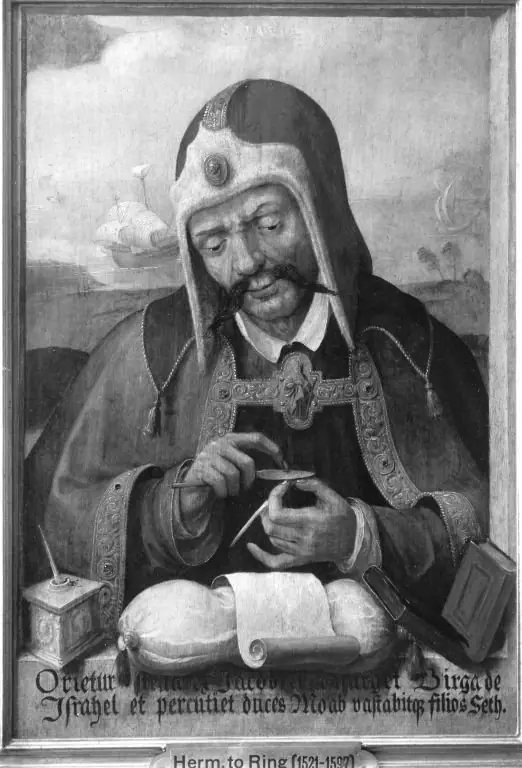 Balaam (?)
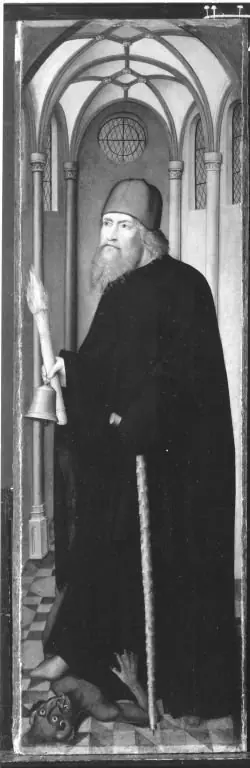 Rinck-Epitaph(?): Hl. Antonius Eremita (und Werkstatt)
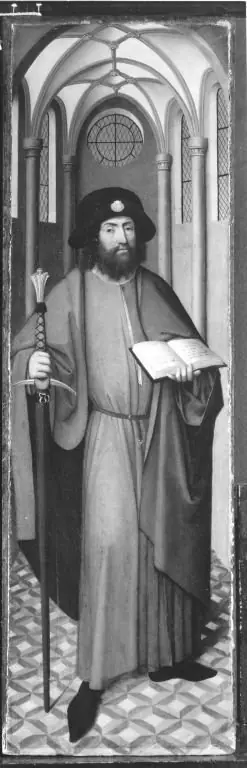 Saint James the Great
 Saint Jerome
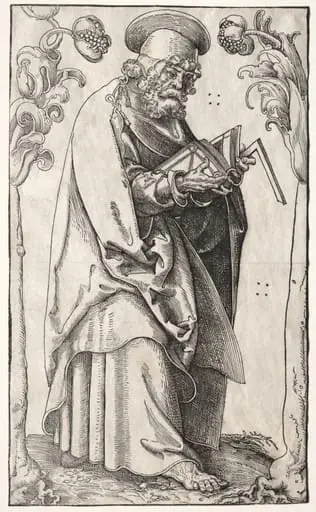 The Apostle Matthew
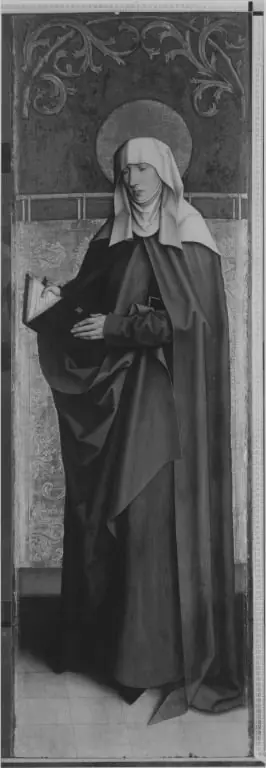 Flügel eines Altares: Hl. Brigitta (abgesägte Rückseite von WAF 1205)
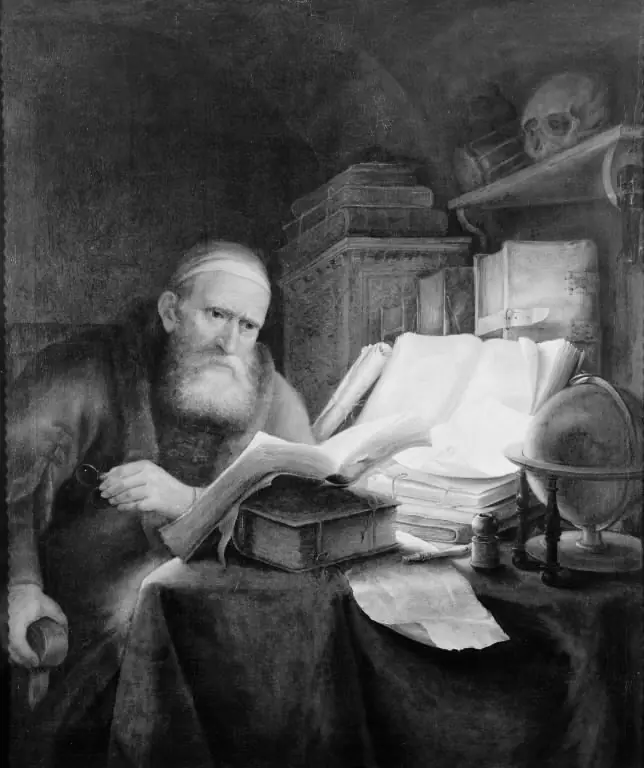 A Scholar
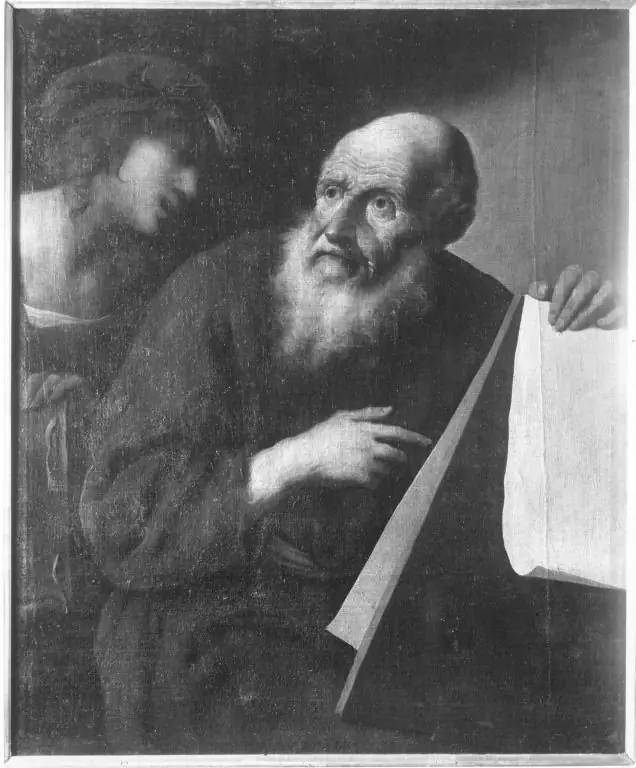 Greiser Gelehrter