Artwork
Untitled
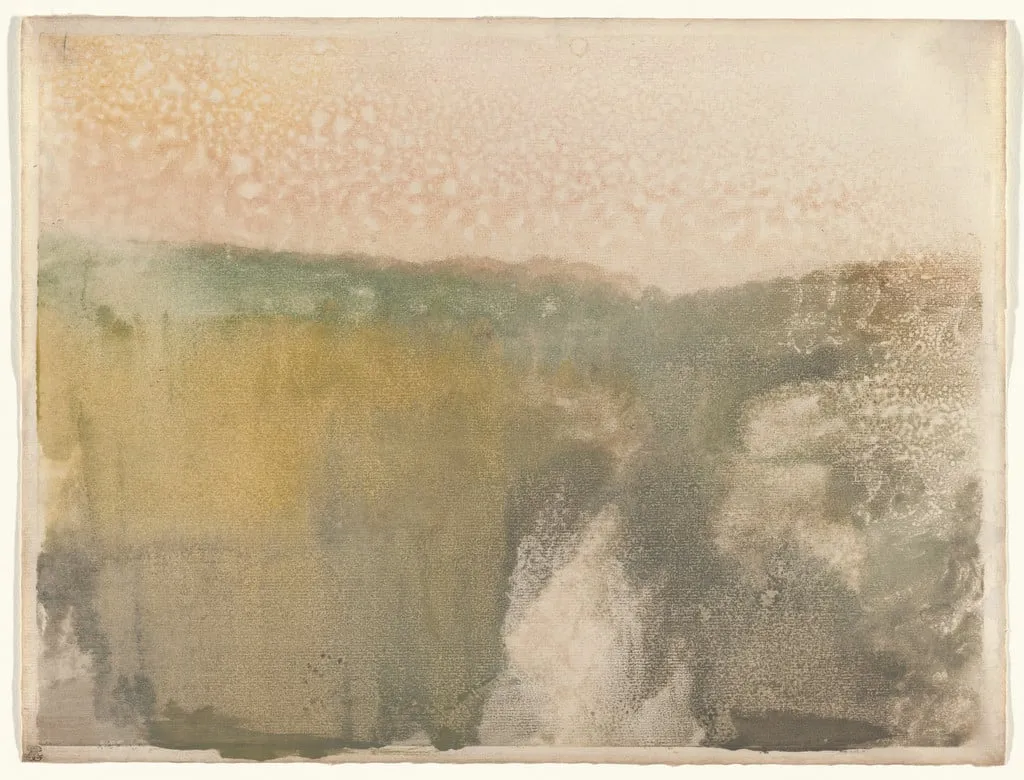
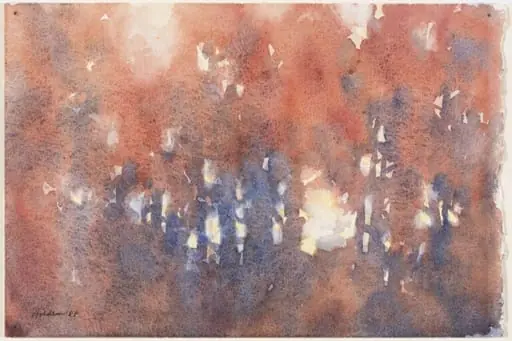
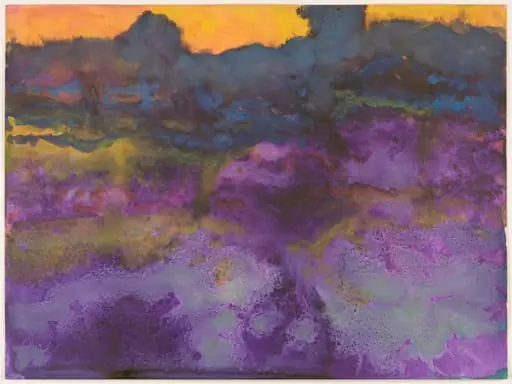
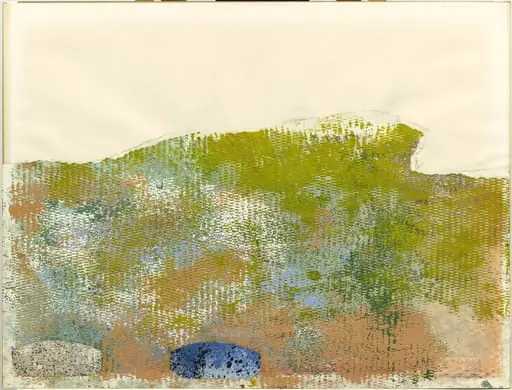
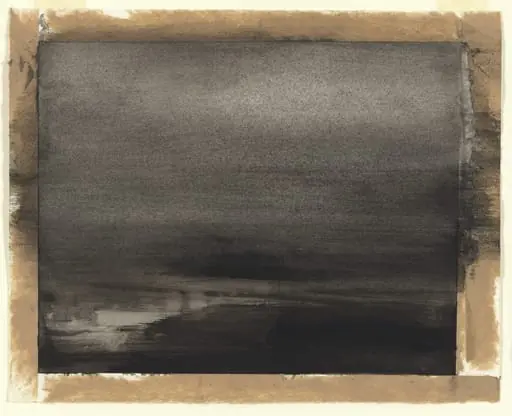
Untitled is a print by the Impressionist artist Edgar Degas. It dates from 1890 and is held in the collection of the Museum of Modern Art.
About this work
Overview
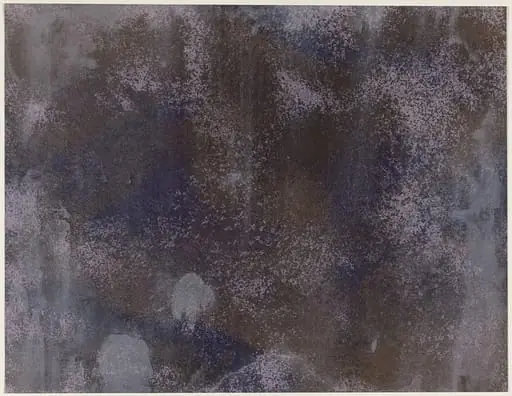
Created around 1890, this monotype on paper is one of Edgar Degas’s experimental prints, made during a period when he increasingly turned to printmaking.
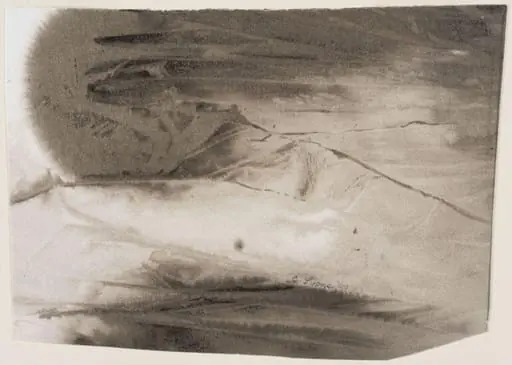
Created around 1890, this monotype on paper is one of Edgar Degas’s experimental prints, made during a period when he increasingly turned to printmaking. Though often linked to Impressionism, Degas resisted the label, favoring a focus on observation and structure. The work belongs to a series in which he pushed the boundaries of the monotype technique, using its fluidity to capture fleeting forms rather than defined subjects.
Subject & Meaning
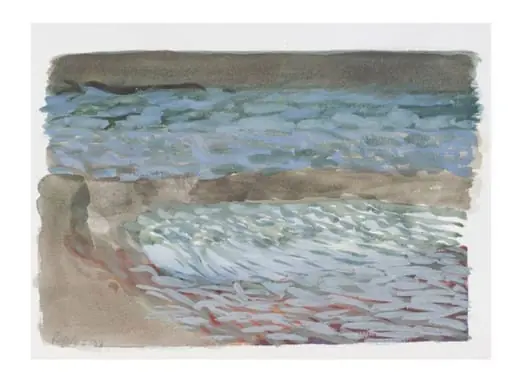
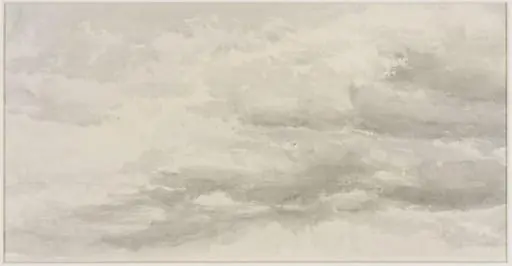
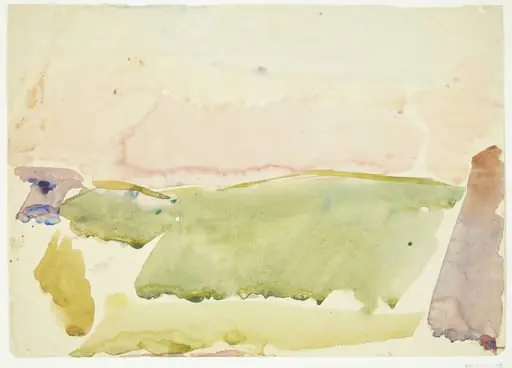
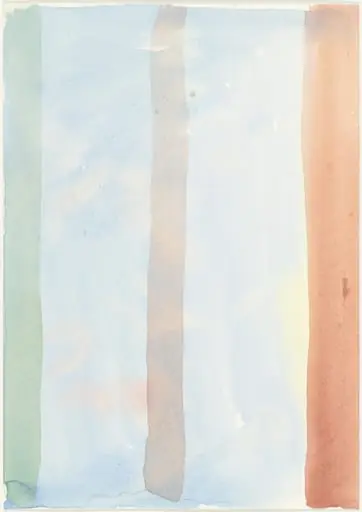
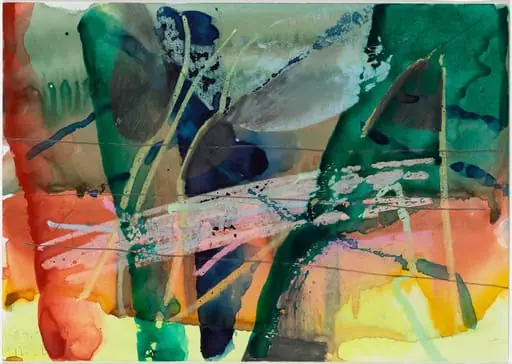
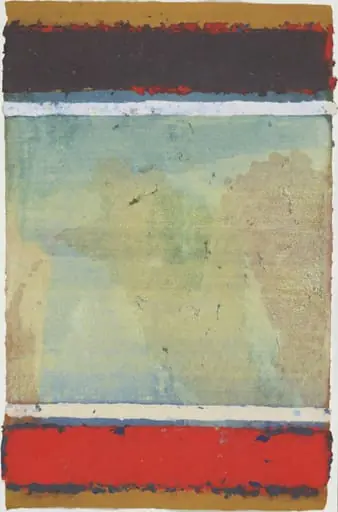
Unlike Degas’s more recognizable dancer or bathers scenes, this piece avoids clear narrative or figures. Instead, it presents ambiguous, atmospheric shapes—softly blended tones of pale green, yellow, and gray—that suggest a landscape or interior space without defining it. The lack of detail invites contemplation of perception itself, reflecting Degas’s interest in how vision and memory shape experience.
Technique & Style
Degas employed monotype, a process involving ink applied to a plate and transferred to paper with pressure. Here, he manipulated the ink with brushes and rags, creating blurred edges and translucent layers that mimic watercolor’s diffusion. The absence of sharp contours and the emphasis on tone over line align with his broader move toward abstraction, prioritizing mood over precision.
History & Provenance
The work entered the collection of The Museum of Modern Art in New York, where it remains part of its holdings of modern printmaking. While its early ownership history is not widely documented, its inclusion in MoMA’s collection reflects postwar recognition of Degas’s printwork as central to his artistic evolution, not merely a sideline to his paintings and sculptures.
Context
In the 1880s and 1890s, Degas increasingly explored printmaking as a means to break from traditional composition. Monotype allowed him to work rapidly, embracing chance and imperfection. This period coincided with his declining eyesight, which may have influenced his shift toward looser, more suggestive forms—echoing broader trends in late 19th-century art toward subjective expression over realism.
Legacy
This monotype exemplifies Degas’s contribution to expanding the possibilities of printmaking beyond reproduction. His experimental approach influenced later artists who valued process and ambiguity over finish. Though less known than his dancers, these works reveal a quiet radicalism in his late career—prioritizing sensation over clarity, and paving the way for modernist abstraction.
Artist & collection
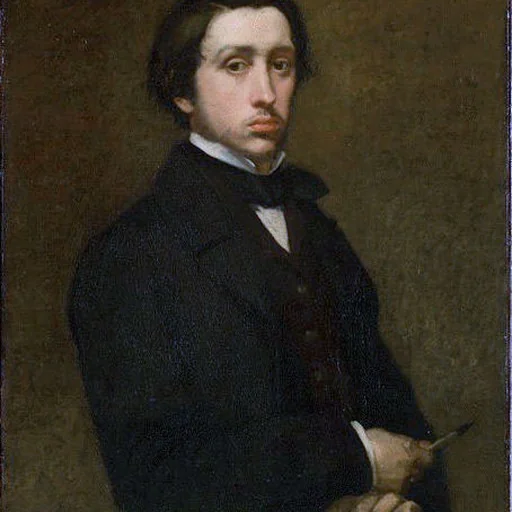
Artist
Born Hilaire-Germain-Edgar De Gas on 19 July 1834 in Paris, Edgar Degas came from an affluent banking family with aristocratic roots and spent his childhood among the cultivated circles of the French capital.