Artwork
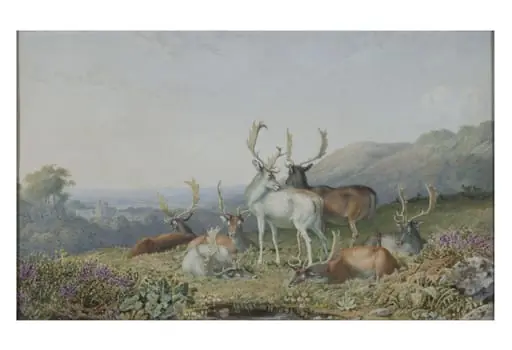
Stags in Knole Park, Kent
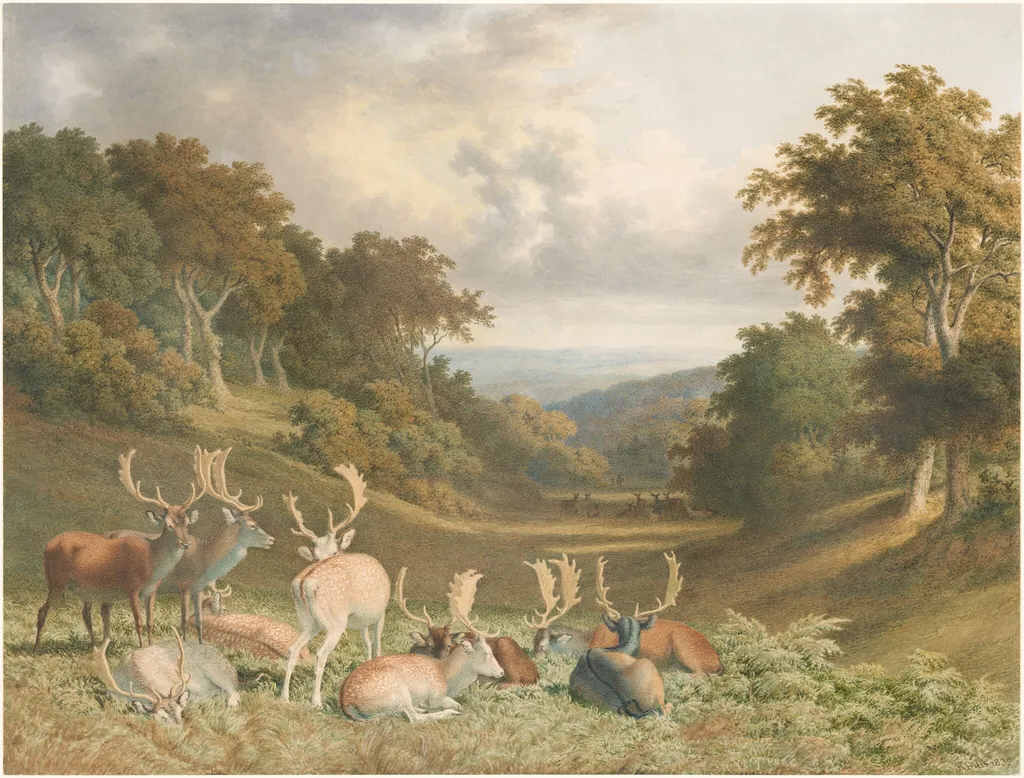
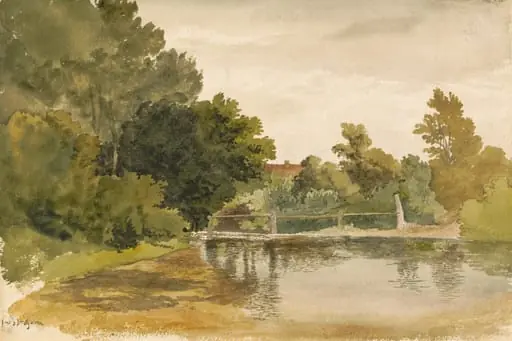
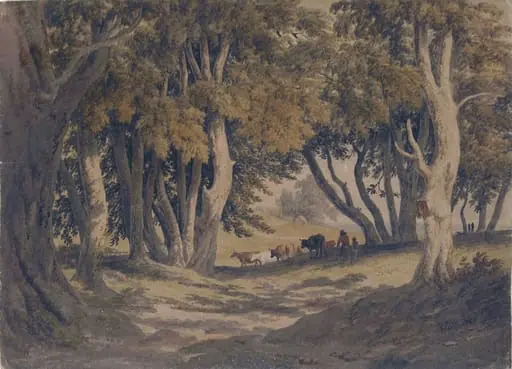
Stags in Knole Park, Kent is a watercolor drawing by the Romanticist artist Robert Hills. It dates from 1839 and is held in the collection of the National Gallery of Art.
About this work
Overview
Hills, trained at the Royal Academy and known for his focus on rural life, applied delicate layers of pigment to render deer within their natural setting.
Created in 1839, *Stags in Knole Park, Kent* is a watercolor and gouache drawing on wove paper by English artist Robert Hills. Executed with graphite underdrawing, the work captures a quiet moment in a pastoral landscape. Hills, trained at the Royal Academy and known for his focus on rural life, applied delicate layers of pigment to render deer within their natural setting. The piece resides in the National Gallery of Art, Washington, as part of its collection of 19th-century British drawings.
Subject & Meaning
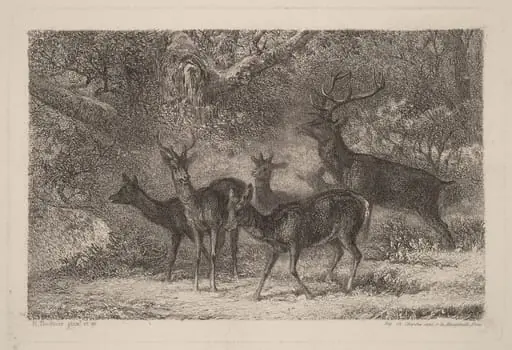
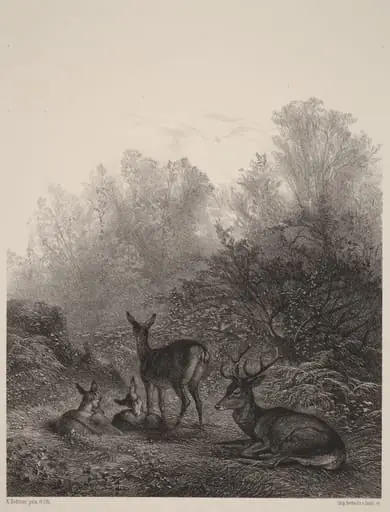
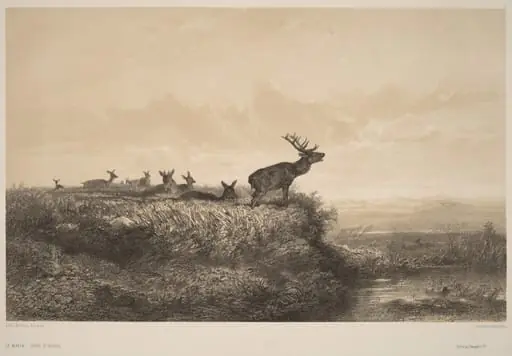
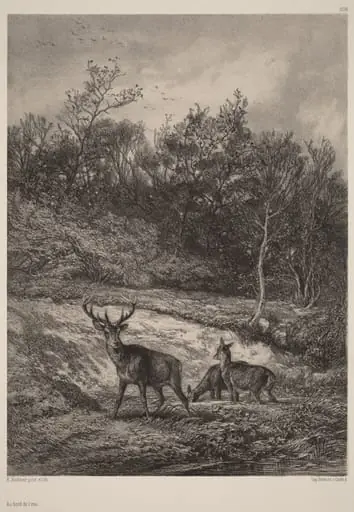
The drawing depicts a group of male deer—stags—in a meadow within Knole Park, a historic estate in Kent. Some stand alert with antlers raised, while others lie resting, suggesting a moment of stillness amid the day. The absence of human figures or signs of cultivation emphasizes the animals’ autonomy within the landscape. Hills presents them not as trophies or symbols, but as integral elements of the natural environment, observed with quiet attentiveness.
Technique & Style
Hills employed a restrained palette of soft washes and opaque gouache over a light graphite sketch to achieve subtle tonal variations. His brushwork is gentle and deliberate, avoiding sharp outlines in favor of blended edges that mimic the texture of fur and foliage. The sky, rendered with translucent washes, adds atmospheric depth without distraction. This method reflects a tradition of topographical drawing adapted to convey serenity rather than dramatic effect.
History & Provenance
Robert Hills, born in Islington in 1769, studied under John Alexander Gresse and enrolled at the Royal Academy in 1788. He spent much of his career documenting rural England, particularly livestock and deer in parkland settings. *Stags in Knole Park* was likely made during a period when Hills was commissioned to record estates and their wildlife. The work entered the National Gallery of Art’s collection through established acquisition channels, preserving its connection to British landscape traditions.
Context
In early 19th-century Britain, interest in natural history and landed estates grew alongside Romantic ideals of nature. Artists like Hills contributed to a visual culture that valued observation over idealization. Knole Park, owned by the Sackville family, was a well-known deer preserve, making it a familiar subject for topographical artists. Hills’ work aligns with this trend, offering a record of wildlife within aristocratic landscapes without overt sentimentality.
Legacy
Hills’ drawings, including this one, represent a quiet but persistent strand of British art that prioritized direct observation of the natural world. Though less celebrated than his contemporaries in oil painting, his watercolors contributed to the documentation of rural England’s fauna and terrain. The preservation of *Stags in Knole Park* in a major American institution underscores its value as a specimen of skilled, understated naturalism in 19th-century drawing.
Own this work as a print
Artist & collection
Artist
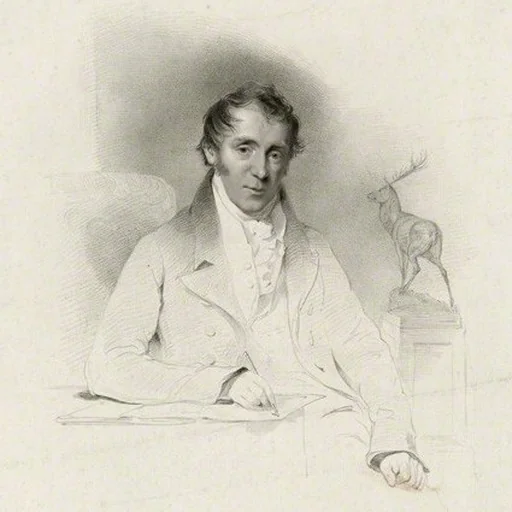
Robert Hills (26 June 1769 – 14 May 1844) was an English painter and etcher. Hills was born in Islington. He initially studied under John Alexander Gresse, then enrolled at the Royal Academy of Arts in 1788. He…