Artwork
Plate 39: A Scaup with Two Other Waterfowl beneath a Garland of Produce
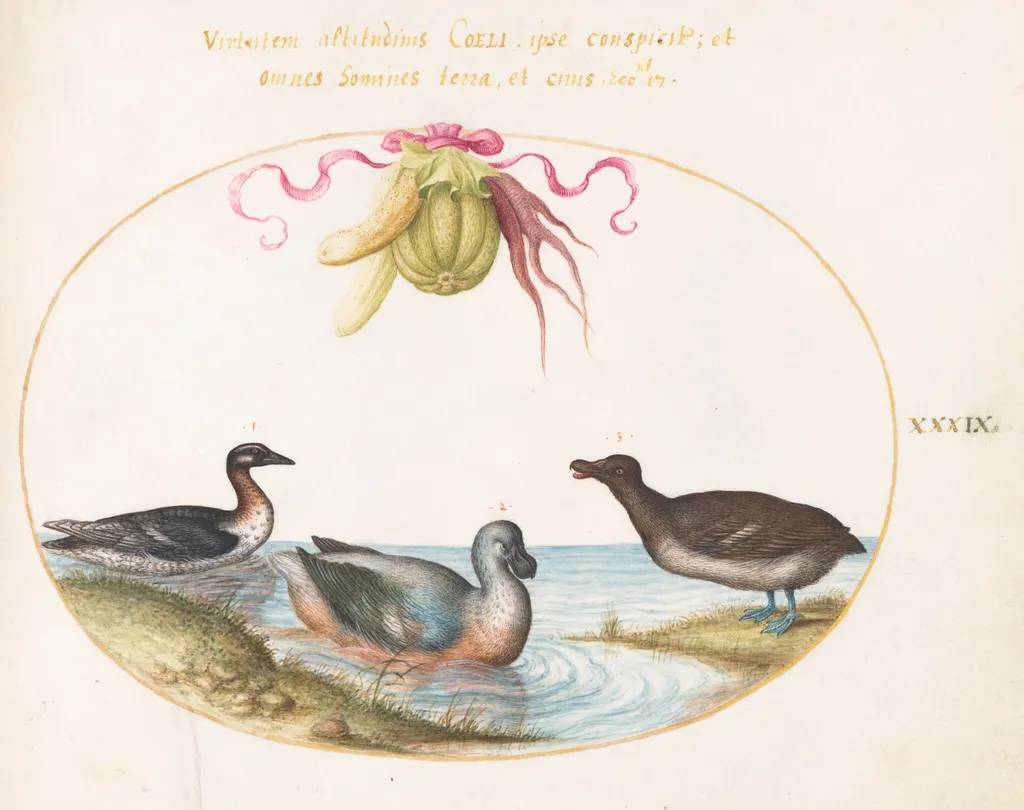
Plate 39: A Scaup with Two Other Waterfowl beneath a Garland of Produce is a gouache drawing by the Renaissance artist Joris Hoefnagel. It dates from 1594 and is held in the collection of the National Gallery of Art.
About this work
Overview
Created around 1594 by Joris Hoefnagel, this watercolor and gold-painted parchment drawing belongs to a series of naturalistic illustrations.
Created around 1594 by Joris Hoefnagel, this watercolor and gold-painted parchment drawing belongs to a series of naturalistic illustrations. It depicts three waterfowl near a pond’s edge, framed above by a circular arrangement of seasonal produce and flowers. The work exemplifies the intersection of scientific documentation and decorative art in late Renaissance manuscript culture, where accuracy and ornamentation coexisted within a single composition.
Subject & Meaning
The three waterfowl—centered around a scaup—are rendered with precise anatomical detail, suggesting observational study. Above them, a garland of gourds, roots, and blossoms encircles the scene like a ceremonial wreath. This juxtaposition of wild birds and cultivated plants may reflect Renaissance ideals of harmony between nature and human cultivation, or serve as a symbolic inventory of earthly abundance.
Technique & Style
Hoefnagel employed fine watercolor washes to capture the subtle textures of feathers and foliage, while gold paint outlines the composition and highlights edges, lending luminosity without overt grandeur. The parchment surface enhances the delicacy of the pigments. The style merges meticulous naturalism with rhythmic, almost heraldic composition, characteristic of northern European manuscript traditions transitioning toward independent still-life forms.
History & Provenance
This plate was likely part of a larger illuminated manuscript commissioned for a noble or scholarly patron, possibly intended as a cabinet of natural wonders. Hoefnagel’s work during this period often circulated in private collections before being bound into codices. Its survival as a single sheet suggests later separation from its original volume, a common fate for illustrated folios after the 17th century.
Context
In late 16th-century northern Europe, interest in natural history surged alongside the rise of empirical observation. Artists like Hoefnagel bridged the gap between medieval manuscript traditions and emerging scientific illustration. His integration of flora and fauna into ornamental frameworks mirrored the broader cultural fascination with collecting, cataloging, and aesthetically organizing the natural world.
Legacy
Hoefnagel’s integration of biological accuracy with decorative structure influenced later still-life painters and naturalists. While not widely exhibited in his time, his works contributed to the visual language of botanical and zoological illustration, helping to establish a precedent for the independent study of nature as both subject and art form in early modern Europe.
Artist & collection

Artist
Joris Hoefnagel or Georg Hoefnagel (1542 – 24 July 1601) was a Flemish painter, printmaker, miniaturist, draftsman and merchant.

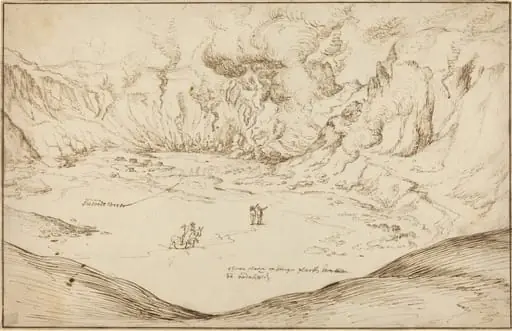 Forum Vulcani: The Hot Springs at Pozzuoli
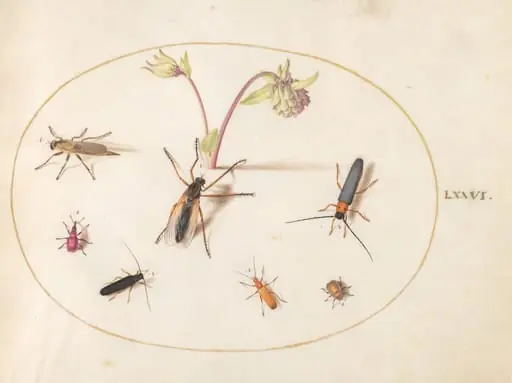 Plate 76: Insects with a Pink and Cream Columbine
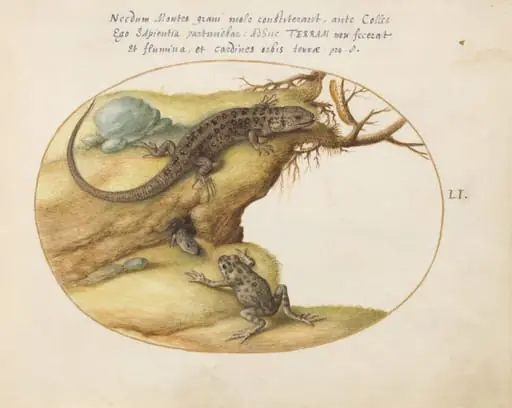 Plate 51: Two Sand Lizards, a Common Parsley Frog(?), and a Caterpillar
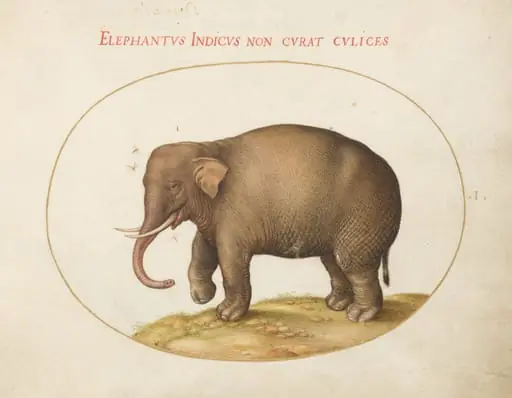 Plate 1: Elephant with Insects
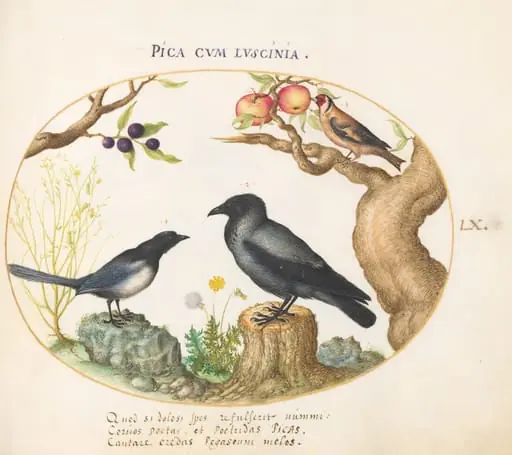 Plate 60: Magpie, Crow, and Goldfinch
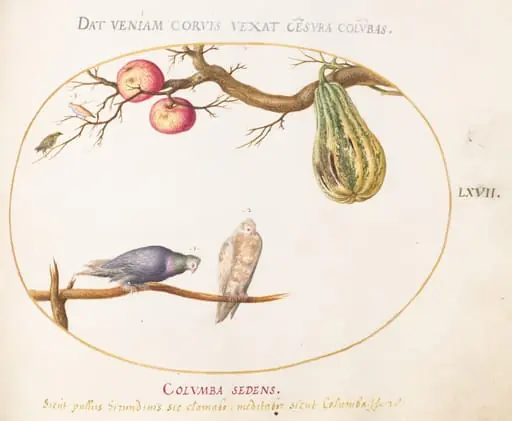 Plate 67: Two Doves beneath a Gourd and Apples
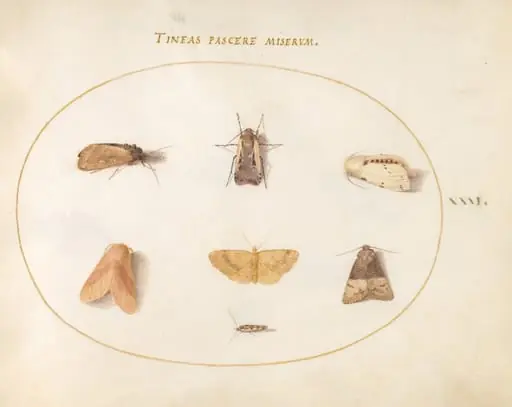 Plate 31: Seven Moths
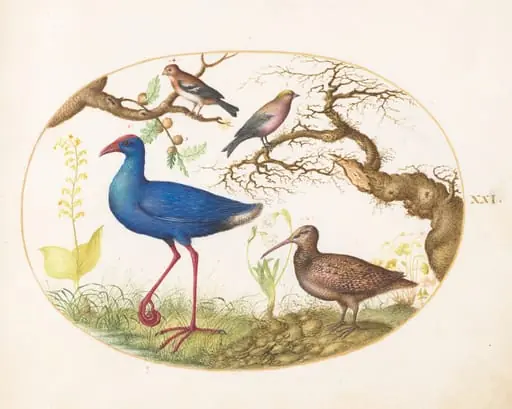 Plate 21: Swamp Hen and Woodcock with a Streaked Rosefinch, a Finch, and Oak Galls
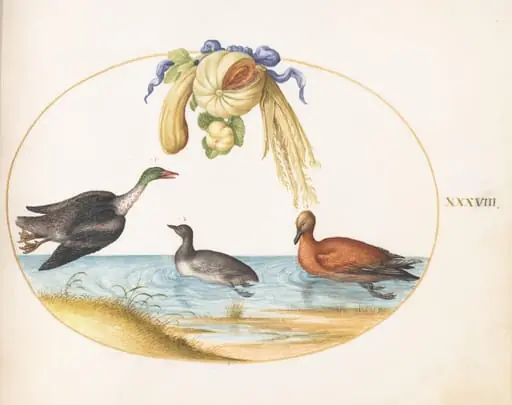 Plate 38: Merganser with Two Other Waterfowl and a Garland of Melons and Gourds
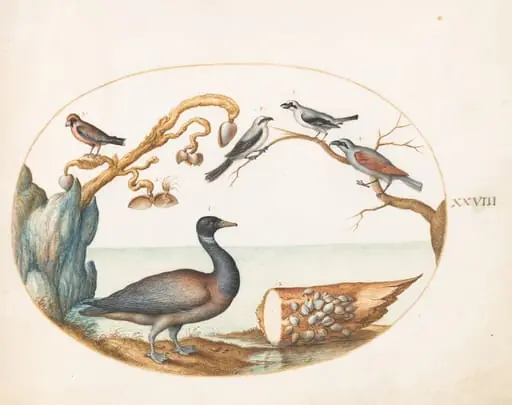 Plate 28: Barnacle Goose with Shrikes and Other Birds
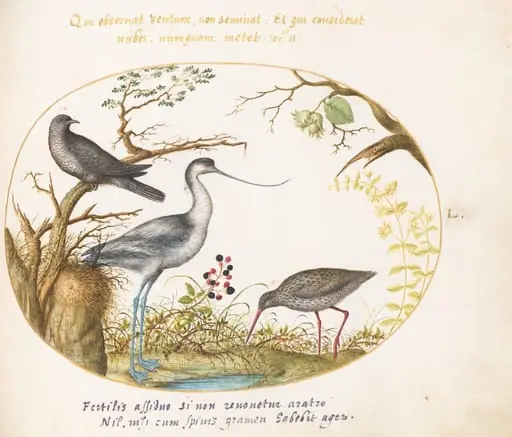 Plate 50: An Avocet with Two Other Birds
 Plate 32: A Green-Winged Teal, a Juvenile Green Woodpecker, and Two Other Birds
 Plate 42: Two Gray Geese with a Third Bird and Hanging Grapes
 Plate 43: Sandpipers and Other Shore Birds Admiring a Garland of Flowers
 Plate 37: Three Waterfowl with Two Nightingales(?) Perched in Citrus Trees
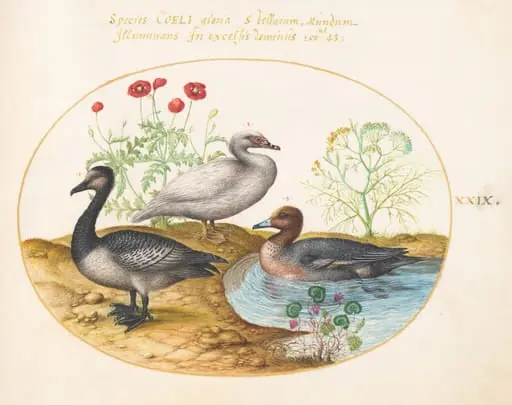 Plate 29: Geese with Poppies and a Cyclamen