Artwork
Plate 50: An Avocet with Two Other Birds
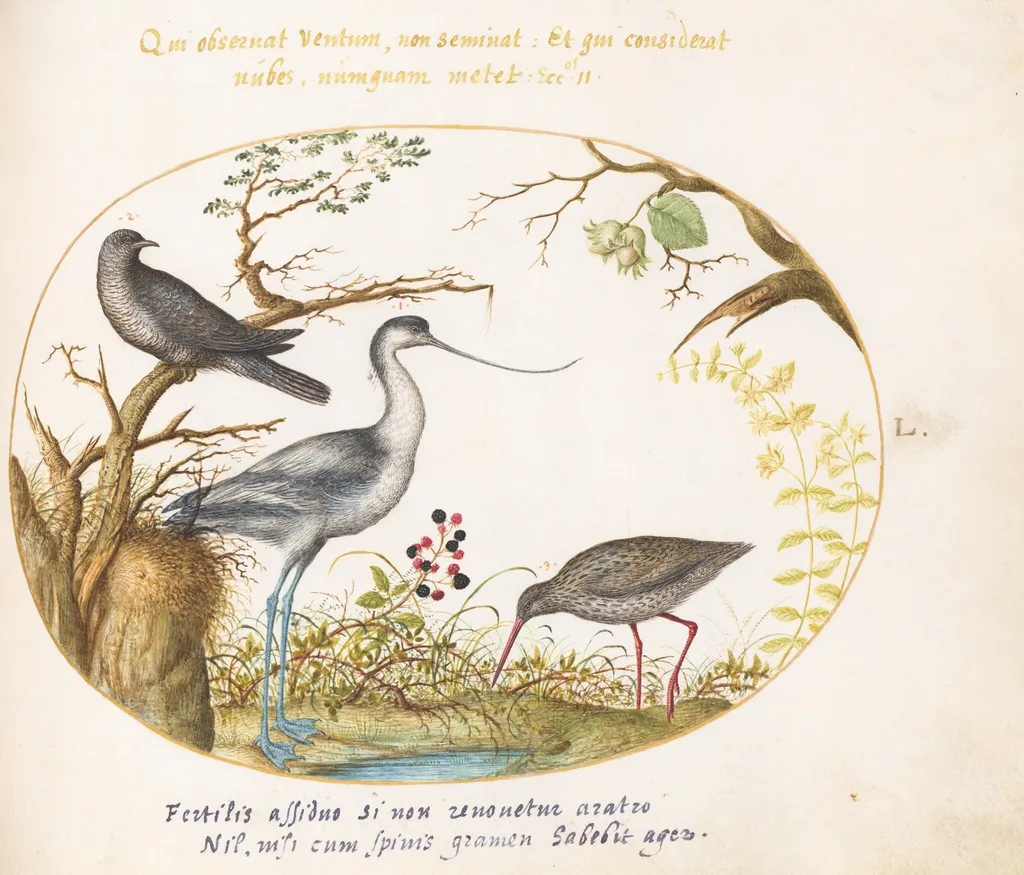
Plate 50: An Avocet with Two Other Birds is a gouache drawing by the Renaissance artist Joris Hoefnagel. It dates from 1594 and is held in the collection of the National Gallery of Art.
About this work
Overview
Created around 1594 by Joris Hoefnagel, this drawing combines watercolor and gold paint on parchment to depict an avocet alongside two other birds.
Created around 1594 by Joris Hoefnagel, this drawing combines watercolor and gold paint on parchment to depict an avocet alongside two other birds. It belongs to a series of natural history illustrations that reflect the transition from medieval manuscript traditions to more empirical approaches in depicting the natural world. Hoefnagel’s precision and attention to detail mark him as a key figure in this shift.
Subject & Meaning
The plate presents three bird species with careful attention to anatomical accuracy and plumage texture. Rather than symbolic or allegorical intent, the focus is on observational fidelity. The inclusion of the avocet, a wading bird with distinctive upturned bill, suggests an interest in regional and migratory species, aligning with broader Renaissance efforts to classify and document nature systematically.
Technique & Style
Hoefnagel applied translucent watercolors with fine brushwork to render feathers and bodily contours, while gold paint highlights subtle details like eye reflections and beak edges. The use of parchment as a support allowed for luminous effects and fine line control. His style merges the decorative conventions of illumination with the emerging naturalism of scientific illustration, avoiding idealization in favor of observed reality.
History & Provenance
This work was part of a larger manuscript project commissioned by Holy Roman Emperor Rudolf II, who collected natural curiosities and supported detailed visual documentation. Hoefnagel’s illustrations were intended for imperial cabinets of wonder, serving both aesthetic and intellectual purposes. The plate’s survival in private or institutional collections reflects its value as a rare example of late 16th-century naturalist art.
Context
In the late 1500s, European scholars increasingly valued direct observation over inherited texts. Hoefnagel’s work emerged alongside early scientific publications like Conrad Gesner’s zoological compendia. His drawings bridged the gap between artisanal manuscript culture and the rise of printed natural history, offering visual records that informed both artists and emerging naturalists.
Legacy
Hoefnagel’s detailed approach influenced later naturalists and illustrators, including those involved in the development of ornithological field guides. His integration of artistic technique with empirical study helped establish a visual language for biological documentation. Though not widely known today, his contributions laid groundwork for the scientific illustration traditions of the 17th and 18th centuries.
Artist & collection

Artist
Joris Hoefnagel or Georg Hoefnagel (1542 – 24 July 1601) was a Flemish painter, printmaker, miniaturist, draftsman and merchant.

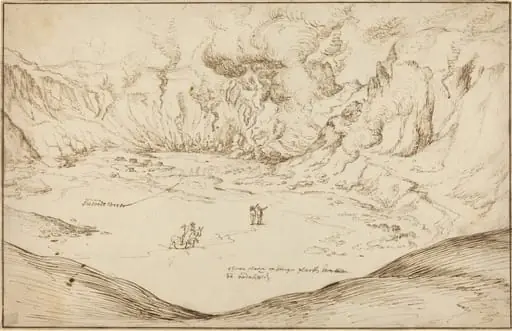 Forum Vulcani: The Hot Springs at Pozzuoli
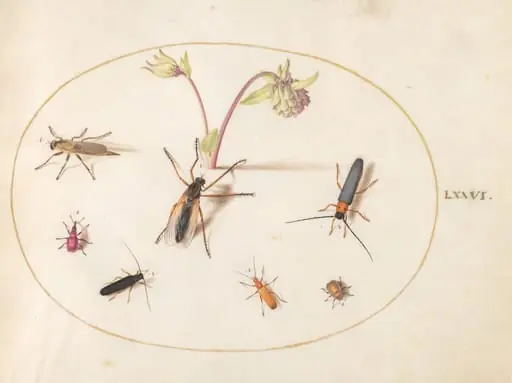 Plate 76: Insects with a Pink and Cream Columbine
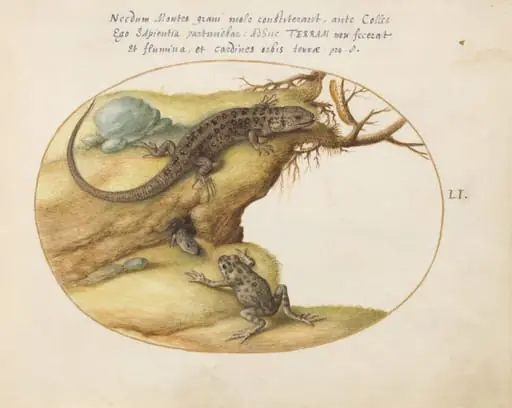 Plate 51: Two Sand Lizards, a Common Parsley Frog(?), and a Caterpillar
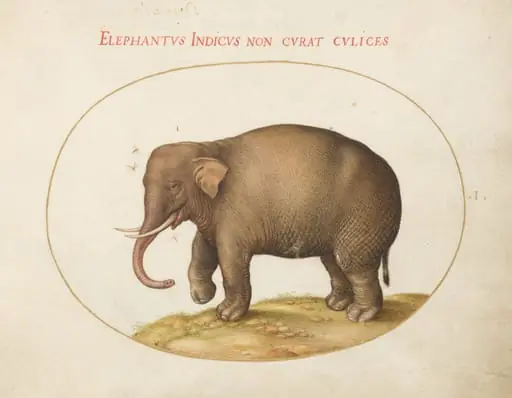 Plate 1: Elephant with Insects
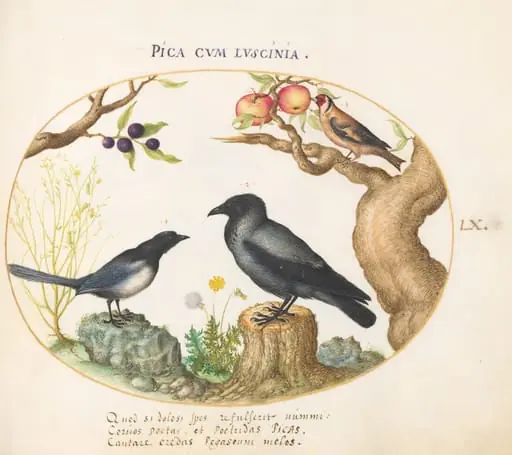 Plate 60: Magpie, Crow, and Goldfinch
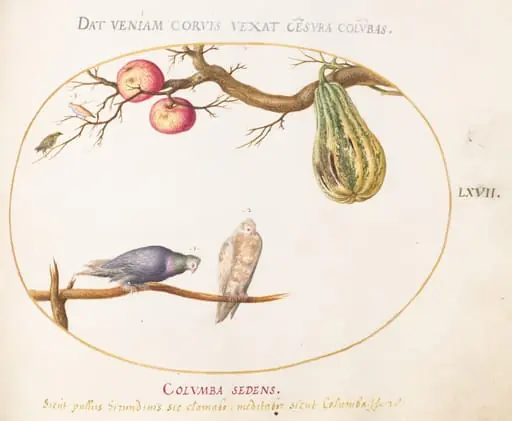 Plate 67: Two Doves beneath a Gourd and Apples
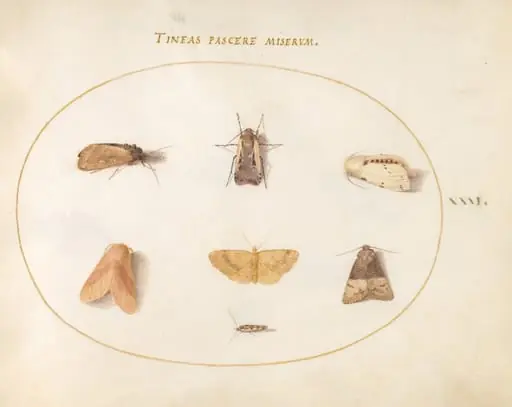 Plate 31: Seven Moths
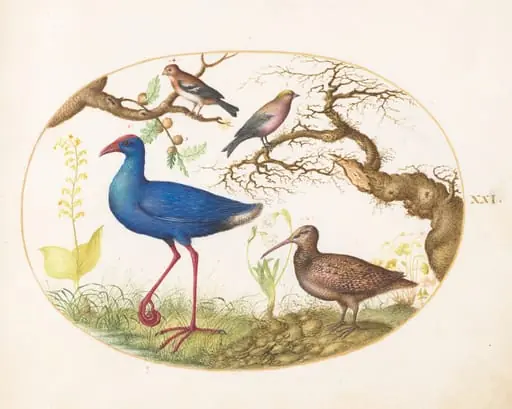 Plate 21: Swamp Hen and Woodcock with a Streaked Rosefinch, a Finch, and Oak Galls
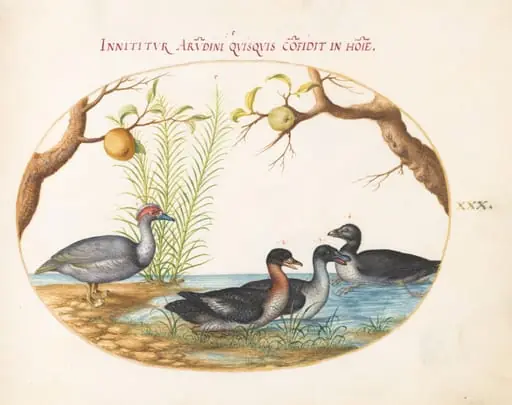 Plate 30: A Muscovy(?) Duck, a Four-Legged Duck, and Two Other Birds
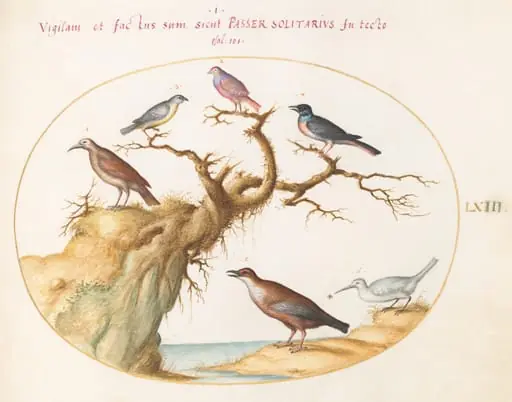 Plate 63: Six Small Birds, Including a Bluethroat and a Cuckoo(?)
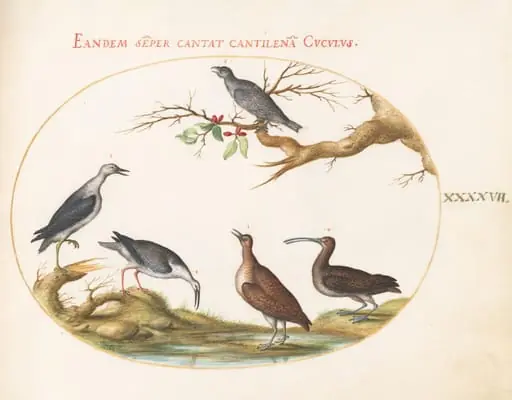 Plate 47: Shore Birds with a Perching Bird
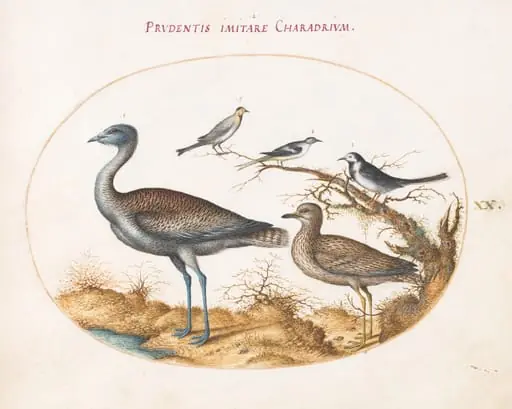 Plate 20: A Plover with Four Other Birds
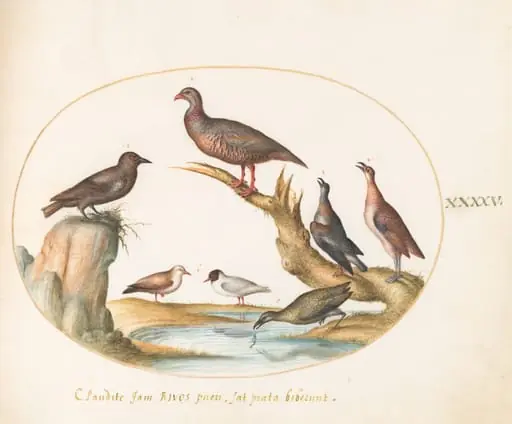 Plate 45: Spotted Nutcracker and Shore Birds
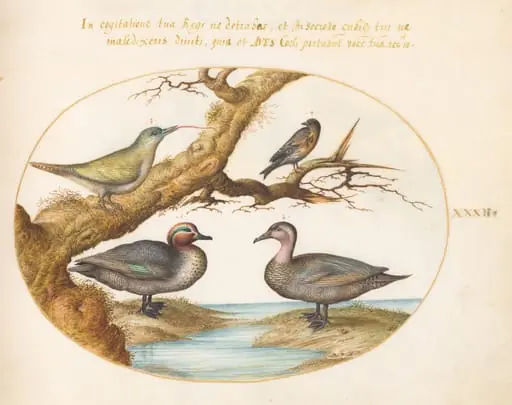 Plate 32: A Green-Winged Teal, a Juvenile Green Woodpecker, and Two Other Birds
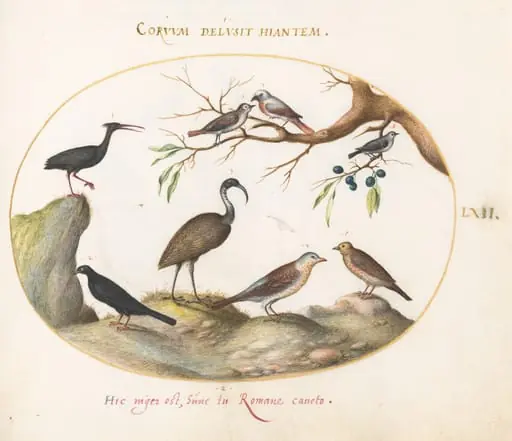 Plate 62: Northern Bald Ibis and Glossy Ibis with Other Birds
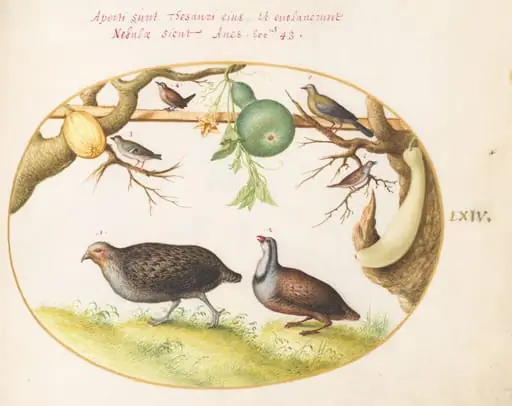 Plate 64: Two Partridges, a Wren, and Other Birds