Artwork
Plate 64: Two Partridges, a Wren, and Other Birds
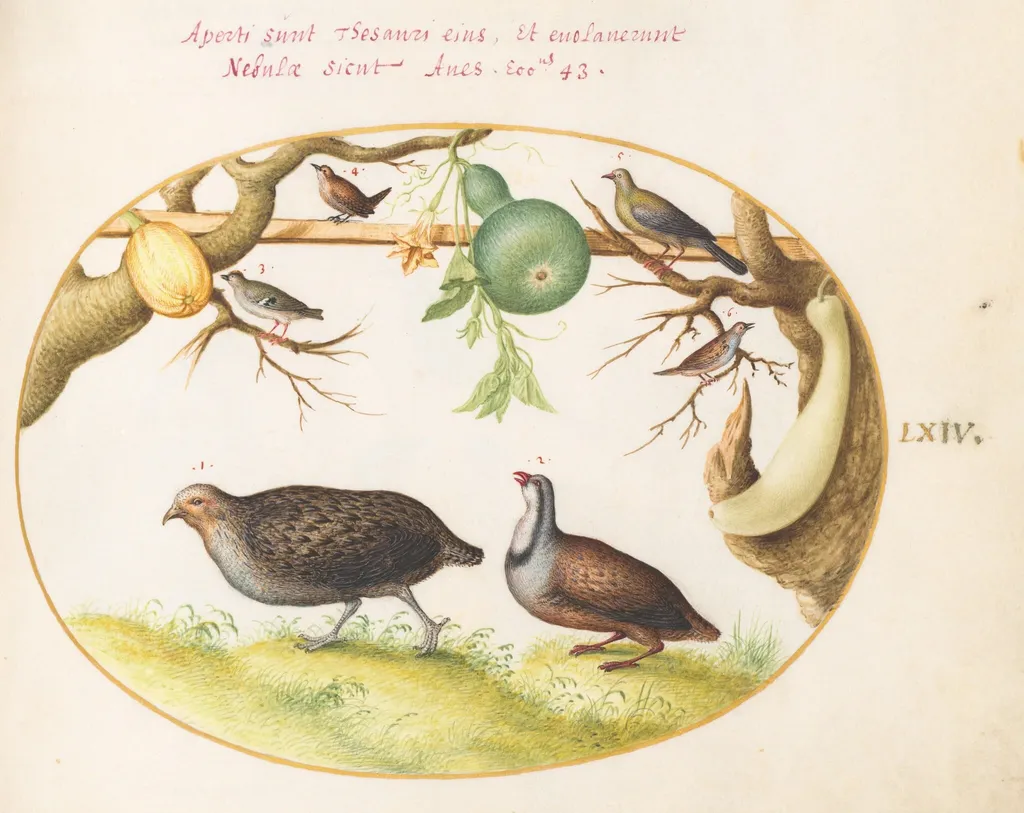
Plate 64: Two Partridges, a Wren, and Other Birds is a gouache drawing by the Renaissance artist Joris Hoefnagel. It dates from 1594 and is held in the collection of the National Gallery of Art.
About this work
Overview
Executed with precision on a small scale, it belongs to a series that combined artistic refinement with close observation of the natural world.
Created circa 1594 by Joris Hoefnagel, this watercolor and gold-painted work on parchment is one of many naturalist studies produced during the late Renaissance. Executed with precision on a small scale, it belongs to a series that combined artistic refinement with close observation of the natural world. The use of parchment and gold reflects traditions of manuscript illumination, while the subject matter signals a shift toward independent natural history illustration.
Subject & Meaning
The composition centers on two partridges moving across a grassy ground, accompanied by a wren and other birds perched or in flight. Fruits—melons and squash—hang from branches, integrating botanical elements with avian life. No symbolic narrative is overt; instead, the scene presents nature as a self-contained system, valued for its observable order. The quiet stillness suggests contemplation rather than drama, aligning with Renaissance ideals of empirical inquiry.
Technique & Style
Hoefnagel employed fine brushwork to render intricate feather textures and fruit surfaces with subtle gradations of brown, green, and yellow. Gold paint highlights select areas without overwhelming the muted palette, adding luminosity while preserving realism. The oval format confines the scene, directing focus to the arranged life forms. Backgrounds are left in pale beige, enhancing the sense of isolation and quietude, typical of illuminated manuscript conventions adapted to naturalist study.
History & Provenance
This plate was part of a larger manuscript commissioned for the Habsburg court, likely intended as a visual record of biodiversity. Hoefnagel’s work in this series was later incorporated into printed natural histories, influencing scientific illustration across Europe. The original manuscript’s whereabouts are uncertain, but surviving plates like this one are held in major institutional collections, preserved for their historical and artistic value.
Context
In late 16th-century Europe, interest in classifying nature grew alongside advances in exploration and printing. Hoefnagel’s drawings responded to this shift, bridging medieval illumination practices with emerging scientific observation. His work stood apart from purely decorative art by prioritizing accuracy and detail, contributing to the foundation of natural history illustration as a discipline in northern Europe.
Legacy
Hoefnagel’s meticulous approach influenced later naturalists and artists who sought to document flora and fauna with fidelity. Though not widely known today, his plates helped establish a visual language for biological study that preceded modern zoological and botanical illustration. His integration of art and observation remains a significant step in the evolution of scientific imagery.
Artist & collection

Artist
Joris Hoefnagel or Georg Hoefnagel (1542 – 24 July 1601) was a Flemish painter, printmaker, miniaturist, draftsman and merchant.

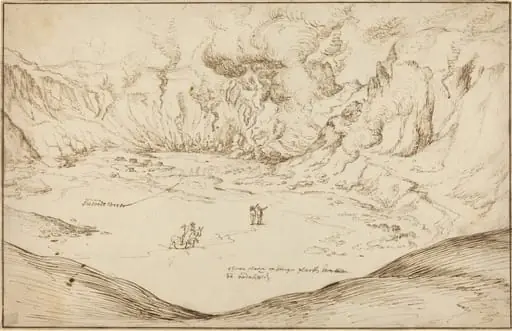 Forum Vulcani: The Hot Springs at Pozzuoli
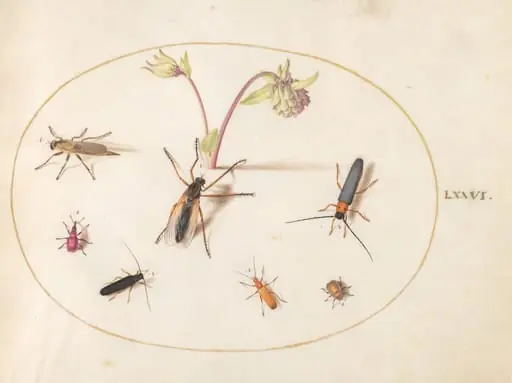 Plate 76: Insects with a Pink and Cream Columbine
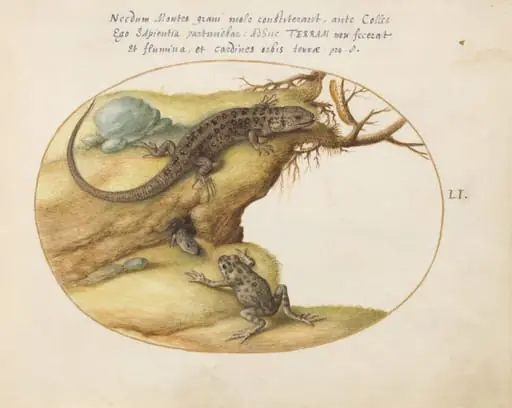 Plate 51: Two Sand Lizards, a Common Parsley Frog(?), and a Caterpillar
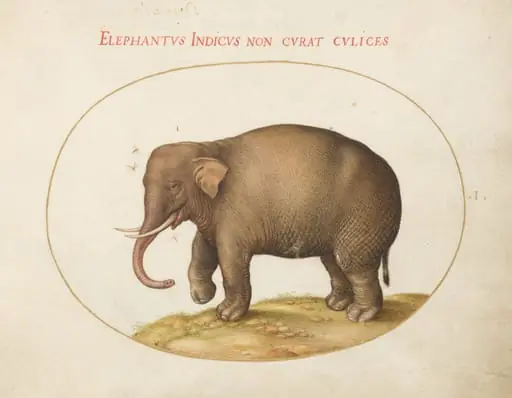 Plate 1: Elephant with Insects
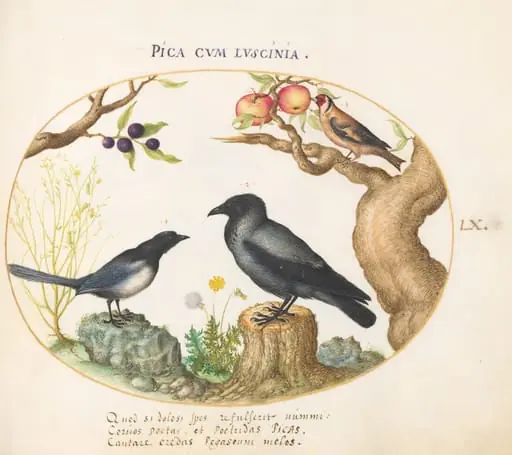 Plate 60: Magpie, Crow, and Goldfinch
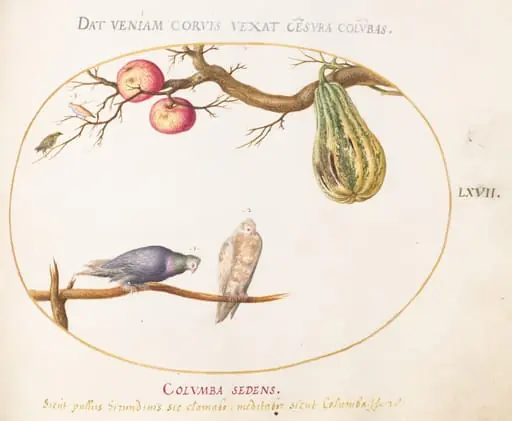 Plate 67: Two Doves beneath a Gourd and Apples
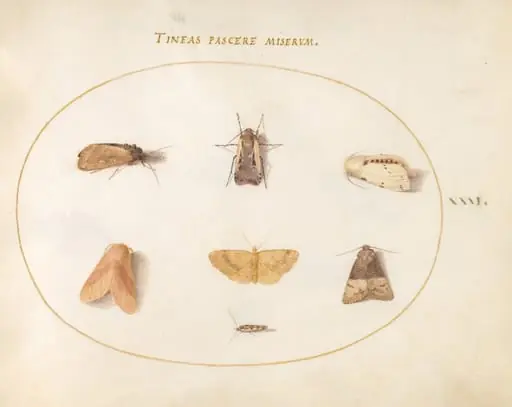 Plate 31: Seven Moths
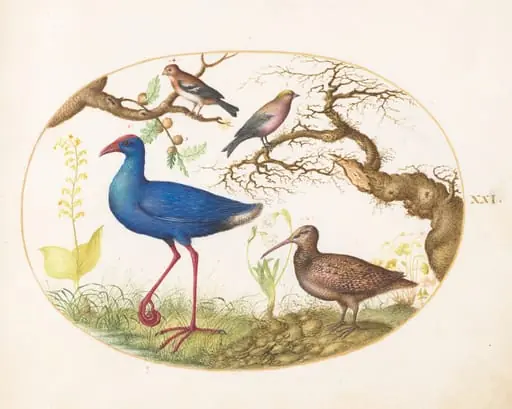 Plate 21: Swamp Hen and Woodcock with a Streaked Rosefinch, a Finch, and Oak Galls
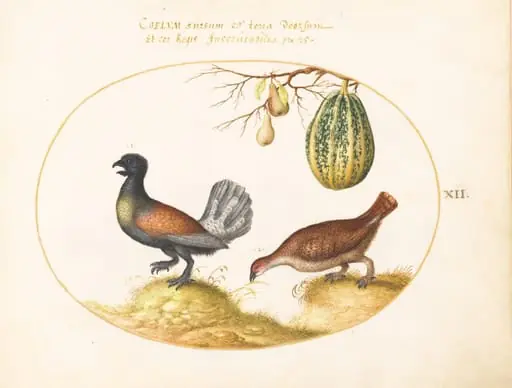 Plate 12: Pair of Wood Grouse with a Melon and Pears
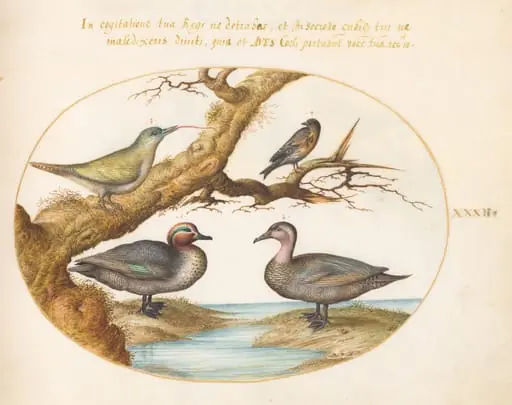 Plate 32: A Green-Winged Teal, a Juvenile Green Woodpecker, and Two Other Birds
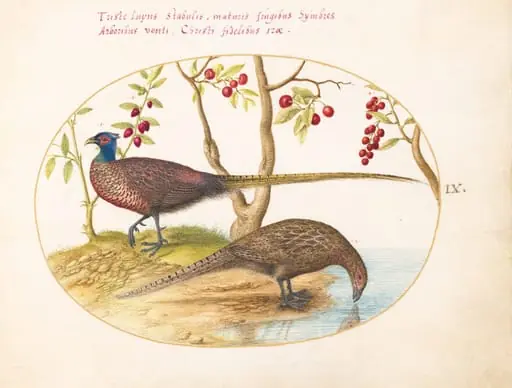 Plate 9: Two Pheasants with Fruiting Plants
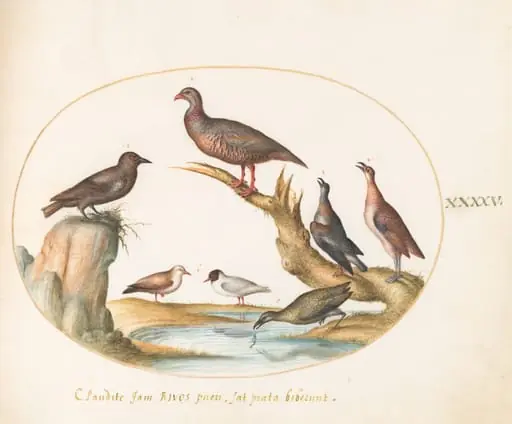 Plate 45: Spotted Nutcracker and Shore Birds
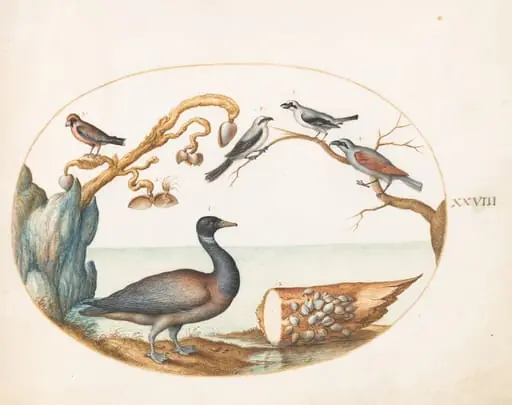 Plate 28: Barnacle Goose with Shrikes and Other Birds
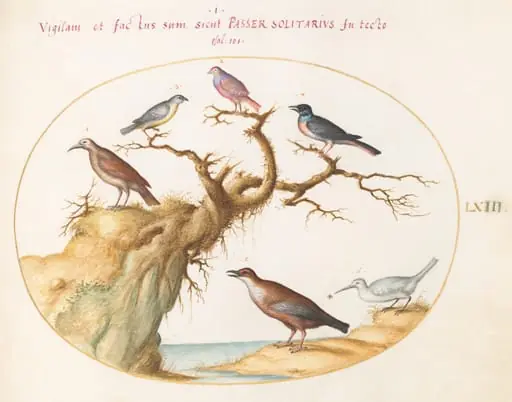 Plate 63: Six Small Birds, Including a Bluethroat and a Cuckoo(?)
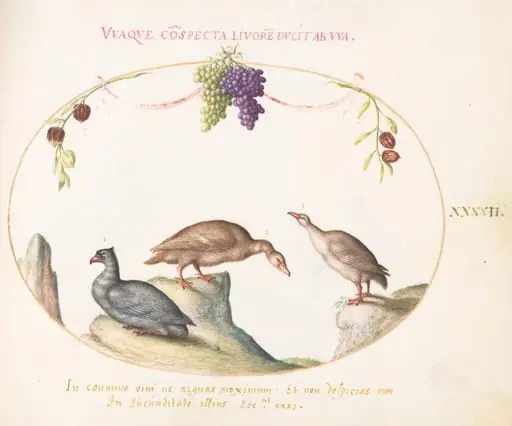 Plate 42: Two Gray Geese with a Third Bird and Hanging Grapes
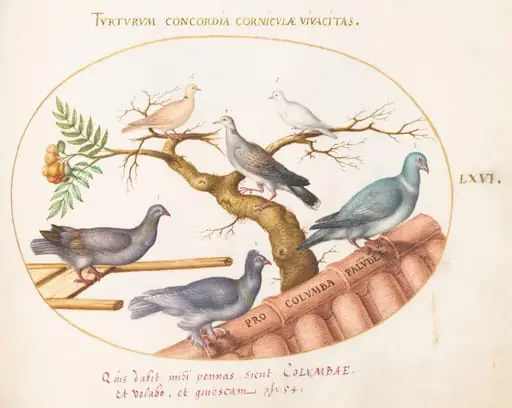 Plate 66: Doves and Pigeons
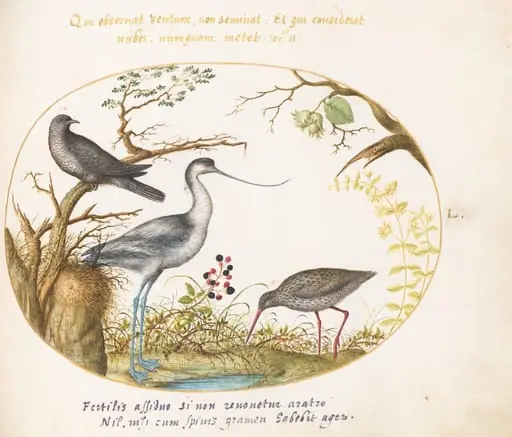 Plate 50: An Avocet with Two Other Birds
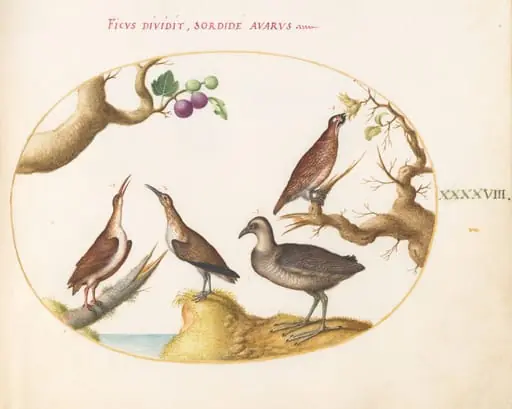 Plate 48: Wood Grouse, Rail, and Curlew with Hazelnuts and Figs