Artwork
Plate 63: Seven Snails
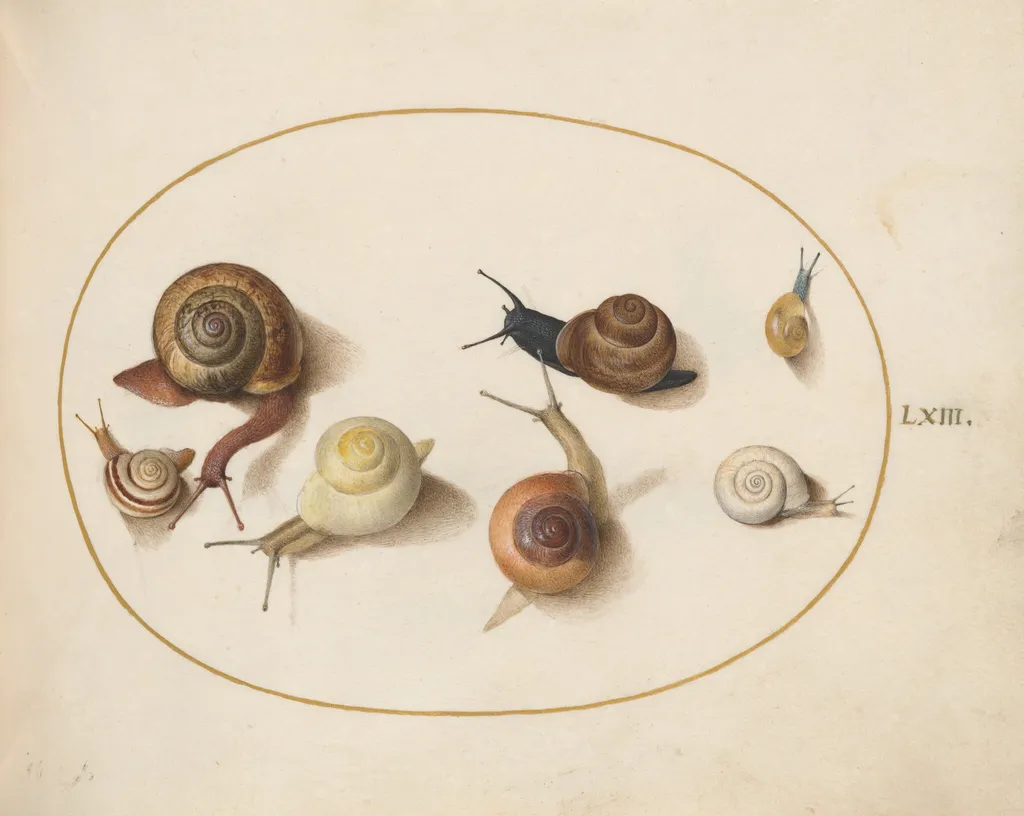
Plate 63: Seven Snails is a gouache drawing by the Renaissance artist Joris Hoefnagel. It dates from 1594 and is held in the collection of the National Gallery of Art.
About this work
Overview
Created around 1594 by Joris Hoefnagel, this watercolor and gold paint drawing on parchment presents seven snails arranged in a circular composition.
Created around 1594 by Joris Hoefnagel, this watercolor and gold paint drawing on parchment presents seven snails arranged in a circular composition. Executed with precision on a small scale, the work exemplifies the late manuscript illumination tradition in northern Europe. The use of gold framing and delicate pigments reflects the transition from devotional codices to naturalistic observation, bridging medieval craft and early modern scientific illustration.
Subject & Meaning
The seven snails are rendered with close attention to anatomical variation—each differs in shell color, size, and texture, from dark brown to pale yellow, with one exhibiting a glossy surface. Their antennae and soft bodies are finely delineated, suggesting movement despite their static placement. The arrangement implies a study of natural diversity rather than symbolic narrative, aligning with emerging interests in empirical observation during the late Renaissance.
Technique & Style
Hoefnagel applied watercolor in thin, layered glazes to achieve subtle tonal shifts across the snail shells, enhancing their three-dimensionality. Gold paint outlines the composition, creating a bounded, meditative space that isolates the subjects from any contextual background. The parchment surface, smooth and receptive, allowed for fine detail, while the absence of landscape or setting directs focus entirely to the organisms themselves.
History & Provenance
This plate likely originated as part of a larger manuscript or album of natural studies, possibly commissioned by a collector interested in the natural world. Hoefnagel’s work in this period often circulated among European elites and scholars. Though its exact early ownership is undocumented, its style and materials place it within the circle of Flemish artists engaged in documenting flora and fauna for private cabinets of curiosity.
Context
In the late 16th century, northern Europe saw a surge in the documentation of natural specimens, fueled by exploration and the rise of empirical science. Hoefnagel’s snails reflect this shift: they are neither allegorical nor decorative in the traditional sense, but precise records of biological form. His work contributed to the development of natural history illustration, influencing later artists and scientific illustrators who prioritized accuracy over symbolism.
Legacy
Hoefnagel’s attention to detail in works like this helped establish a visual language for natural history that moved beyond medieval conventions. His use of watercolor and gold on parchment influenced the aesthetic of early scientific albums, and his approach to isolating subjects against plain backgrounds became a standard in biological illustration. Though little known today, his drawings laid groundwork for the systematic study of nature in art.
Artist & collection

Artist
Joris Hoefnagel or Georg Hoefnagel (1542 – 24 July 1601) was a Flemish painter, printmaker, miniaturist, draftsman and merchant.

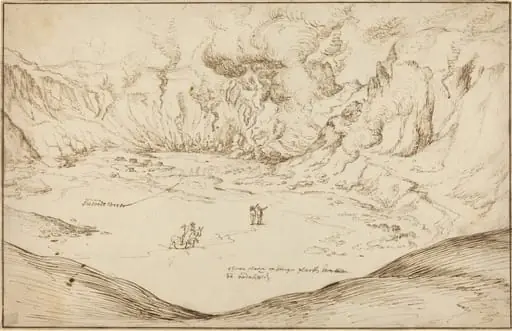 Forum Vulcani: The Hot Springs at Pozzuoli
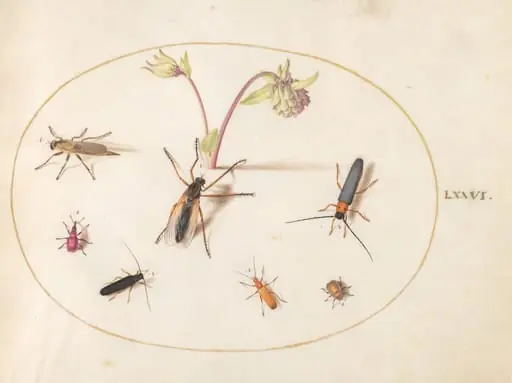 Plate 76: Insects with a Pink and Cream Columbine
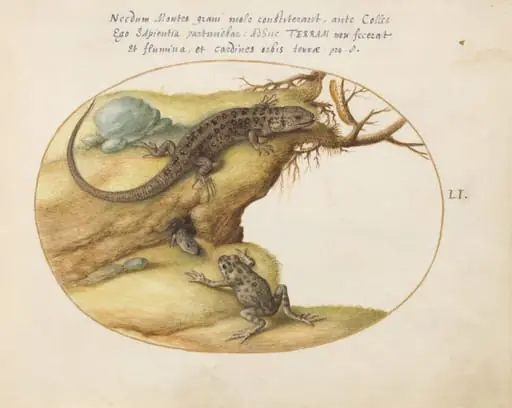 Plate 51: Two Sand Lizards, a Common Parsley Frog(?), and a Caterpillar
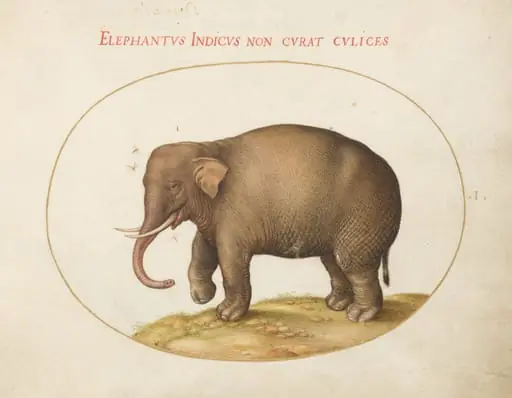 Plate 1: Elephant with Insects
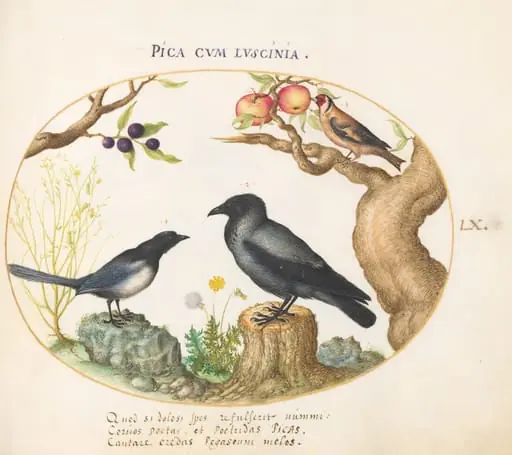 Plate 60: Magpie, Crow, and Goldfinch
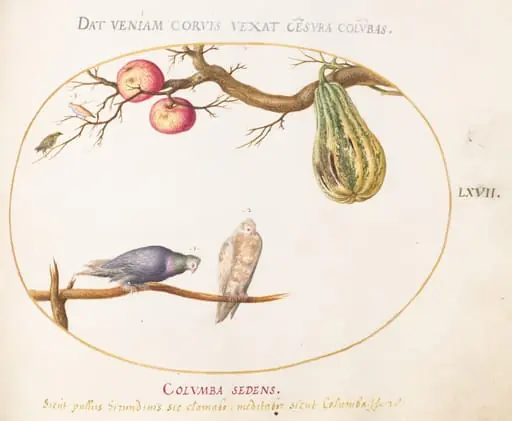 Plate 67: Two Doves beneath a Gourd and Apples
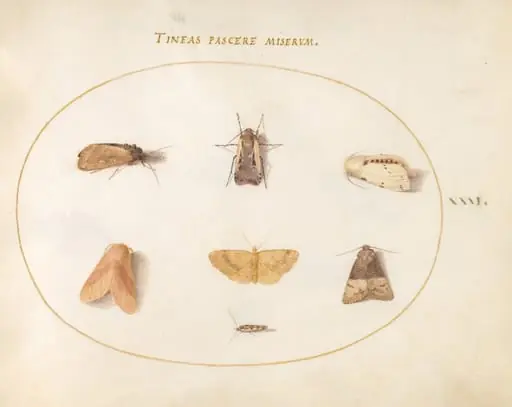 Plate 31: Seven Moths
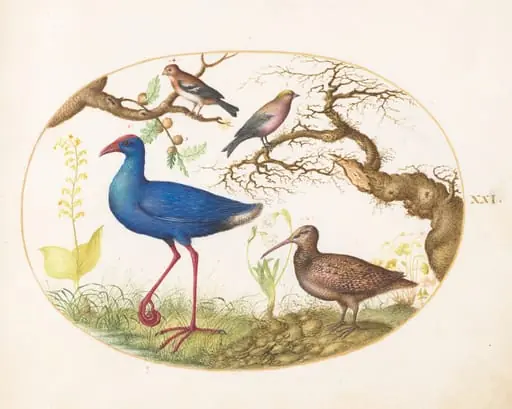 Plate 21: Swamp Hen and Woodcock with a Streaked Rosefinch, a Finch, and Oak Galls
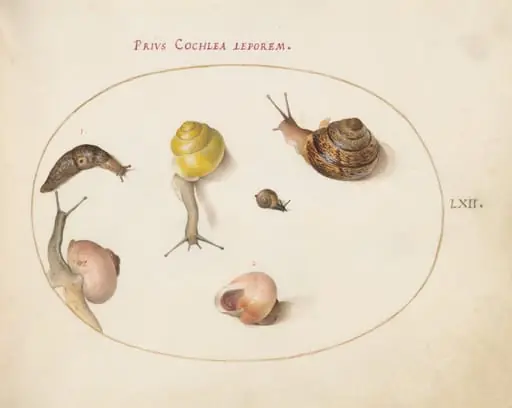 Plate 62: A Slug with Snails
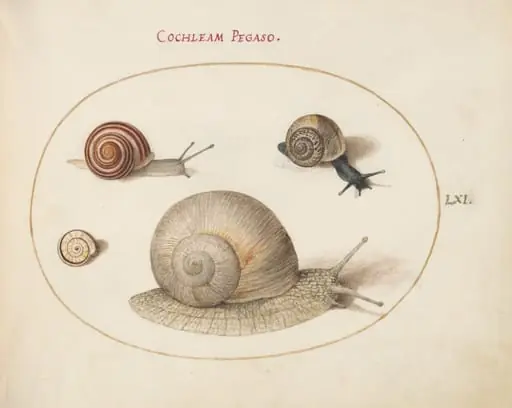 Plate 61: Four Snails
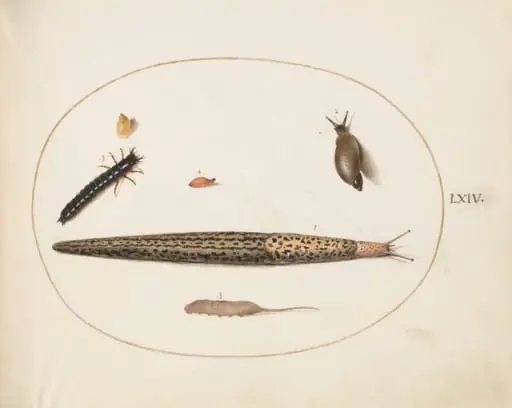 Plate 64: Leopard Slug, Ground Beetle Larva, a Rat-tailed Maggot, and Other Creatures
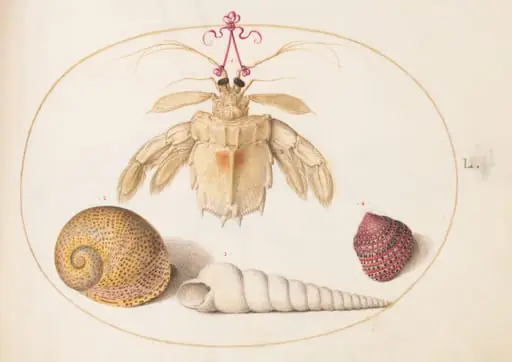 Plate 50: A Partial Mantis Shrimp with Tower Snail Shells
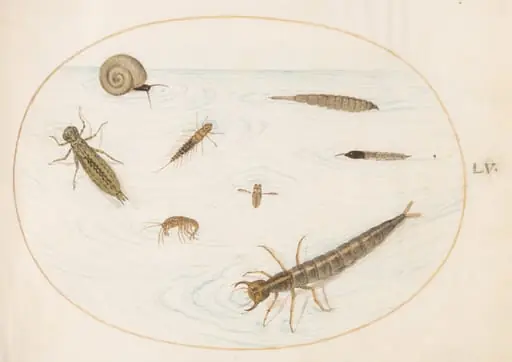 Plate 55: Aquatic Insects and Invertebrates, Including a Snail
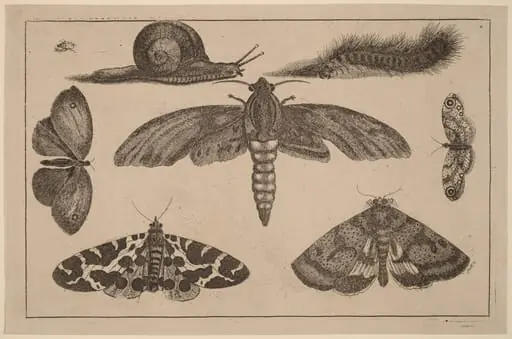 Six Insects, a Caterpillar, and a Snail
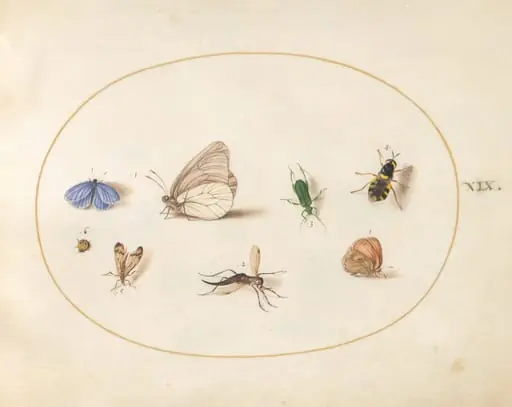 Plate 19: Two Butterflies with Five Other Insects
 Plate 73: Ten Insects
 Plate 51: Murex Mollusks, Shells, Hermit Crabs, a Slug, Insects, and Other Sea Life
 Four Caterpillars and a Snail