Artwork
The South Sea Scheme
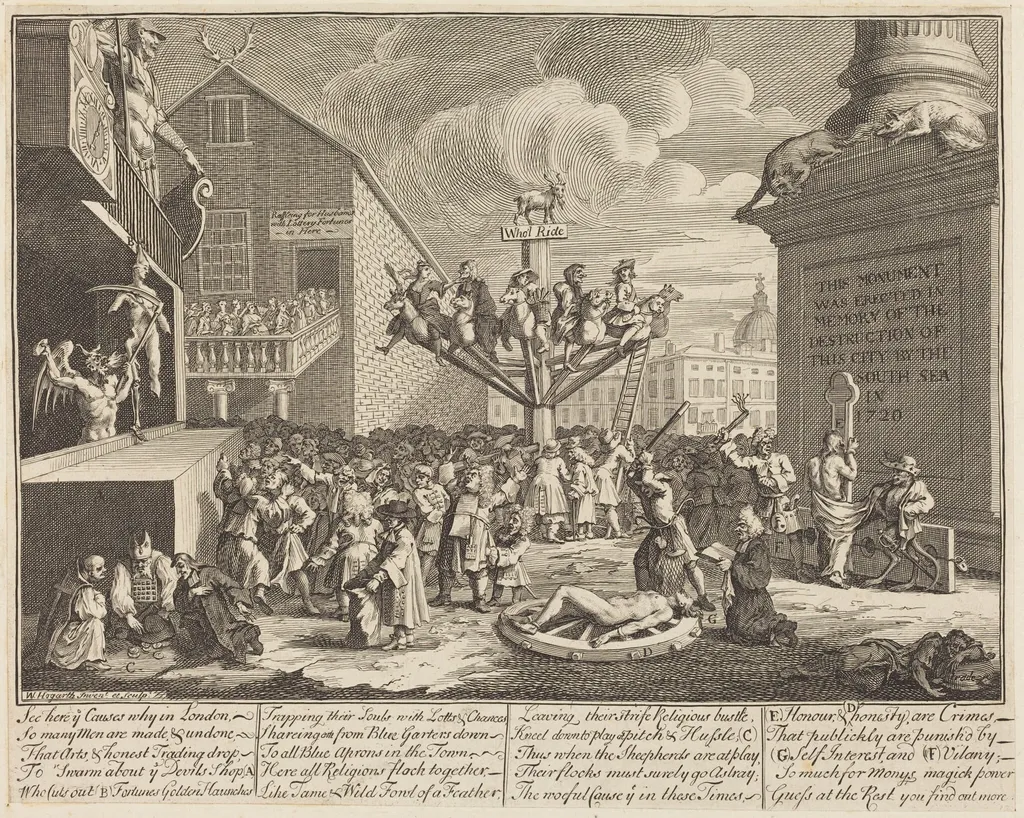
The South Sea Scheme is an ink print by the Baroque artist William Hogarth. It dates from 1721 and is held in the collection of the National Gallery of Art.
About this work
Overview
Created in 1721, *The South Sea Scheme* is a satirical print by William Hogarth that captures the collapse of the South Sea Company’s financial scheme.
Created in 1721, *The South Sea Scheme* is a satirical print by William Hogarth that captures the collapse of the South Sea Company’s financial scheme. Executed in etching and engraving, the work uses intricate line work to depict a chaotic public scene, reflecting Hogarth’s interest in moral critique through visual storytelling. It belongs to a series of prints addressing the social consequences of speculative mania in early 18th-century England.
Subject & Meaning
The print illustrates the frenzy surrounding the South Sea Bubble, a financial collapse triggered by inflated stock speculation. Figures scramble amid ruin: a man on a stretcher symbolizes the victims, while others claw at wealth. A sign reading 'Whole Ride' mocks empty promises, and a devilish figure lures the gullible toward a shop labeled 'Bubbles.' The burning building and detached observer on the balcony underscore societal indifference to widespread loss.
Technique & Style
Hogarth employed fine, sharp etched lines to render dense, crowded compositions with precision. The contrast between detailed figures and blurred backgrounds heightens the sense of disorder. Textual captions at the base clarify the narrative, a hallmark of his approach. His technique blends documentary realism with exaggerated symbolism, allowing viewers to decode moral lessons through visual cues rather than overt allegory.
History & Provenance
Produced shortly after the 1720 collapse of the South Sea Company, the print was widely circulated among London’s literate classes. Hogarth, then emerging as a printmaker, used this work to establish his reputation for social commentary. Early impressions were sold cheaply, making them accessible to a broad audience. The print’s survival in multiple institutional collections attests to its enduring relevance as a historical document.
Context
The South Sea Bubble was a national financial crisis fueled by speculative investing in a company granted a monopoly on trade with South America. When the scheme collapsed, thousands lost fortunes, triggering public outrage. Hogarth’s print responds to this event within a broader cultural moment when print media became a tool for public critique, allowing artists to challenge elite corruption and public gullibility.
Legacy
Hogarth’s approach in this print helped define a tradition of British satirical printmaking. His fusion of narrative detail and moral judgment influenced later artists and cartoonists. *The South Sea Scheme* remains a key example of how visual art can document economic folly, offering a template for later critiques of financial excess. Its enduring presence in museum collections reflects its role as both historical record and social observation.
Artist & collection
Artist
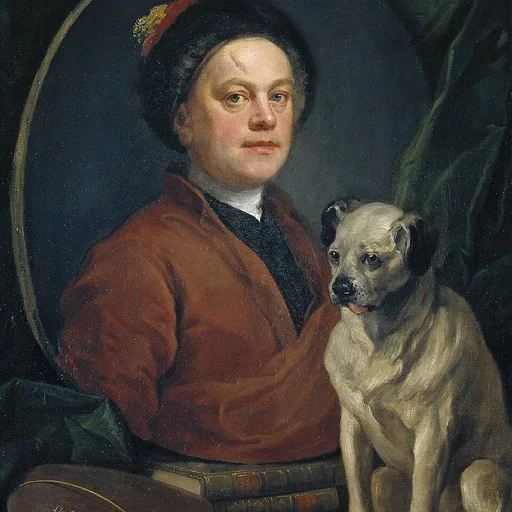
William Hogarth (; 10 November 1697 – 26 October 1764) was an English painter, engraver, satirist, cartoonist and writer.

 The Martyrdom of Saint Bartholomew
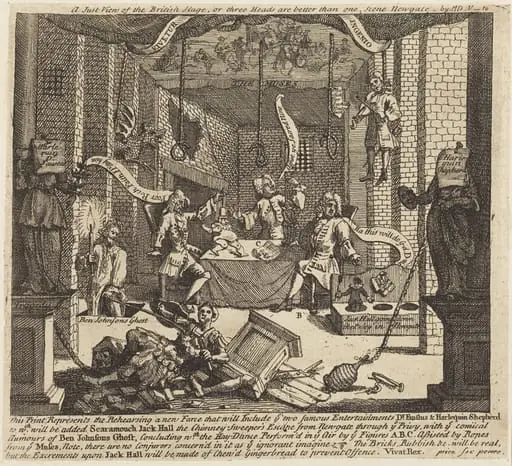 A Just View of the British Stage
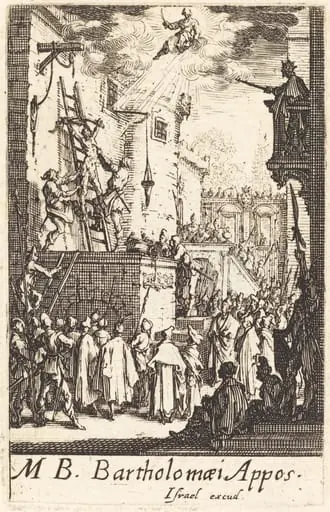 The Martyrdom of Saint Bartholomew
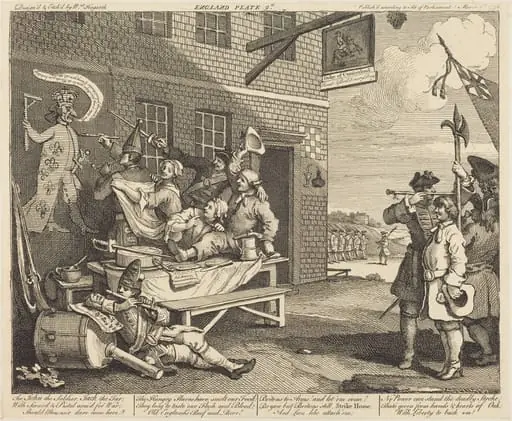 England
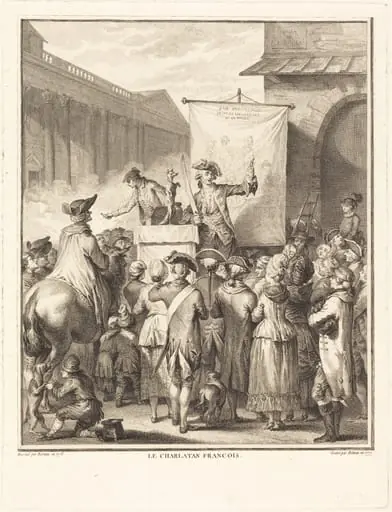 Le charlatan français
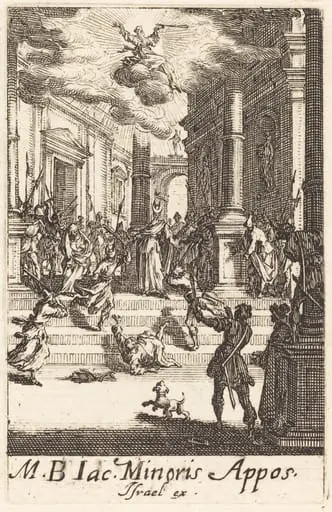 The Martyrdom of Saint James Minor
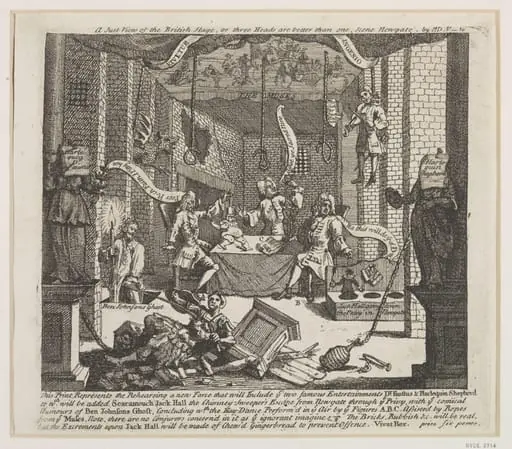 A Just View of the British Stage
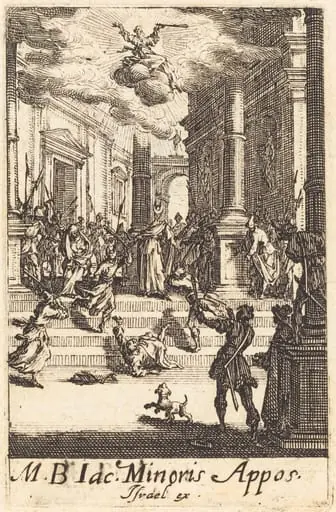 The Martyrdom of Saint James Minor
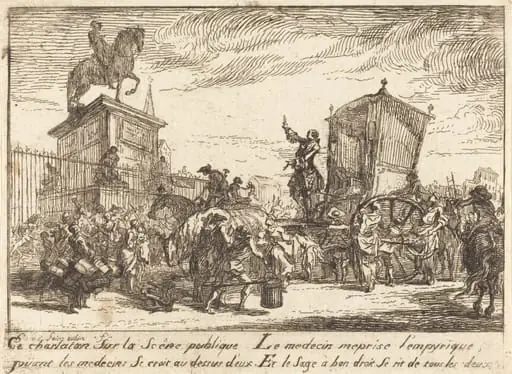 The Charlatan (Le charlatan)
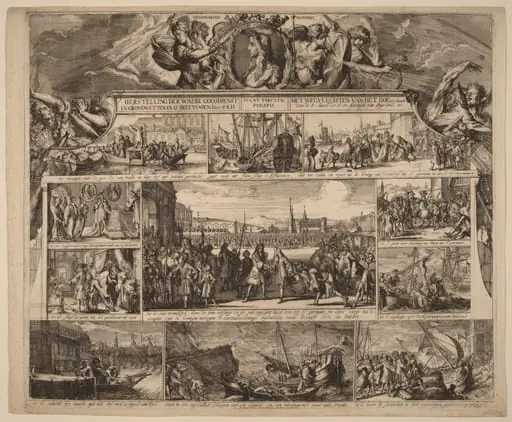 No Monarchy, No Popery
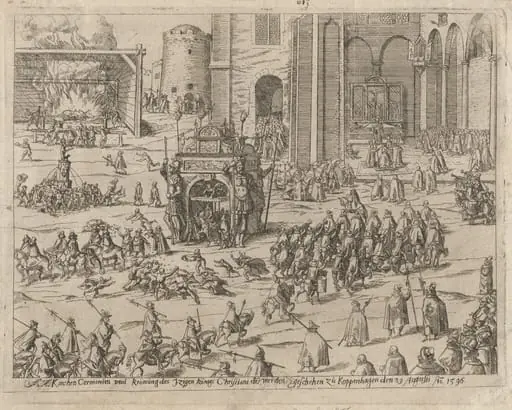 Kirchen Cermonien und Krönung des Zweigen Königs Christiani der Vierden... (Church Ceremonies and Coronation of the Eternal King Christian IV in Copenhagen on August 29, 1596
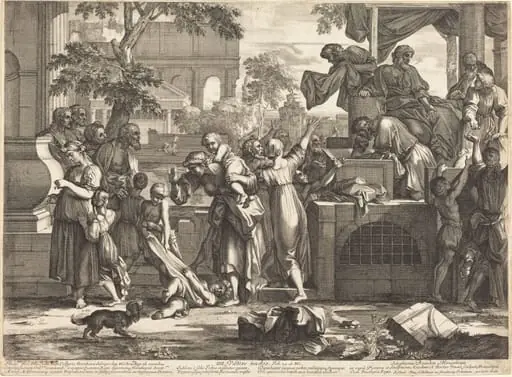 Vestine nudos