Artwork
Portrait of a Lady
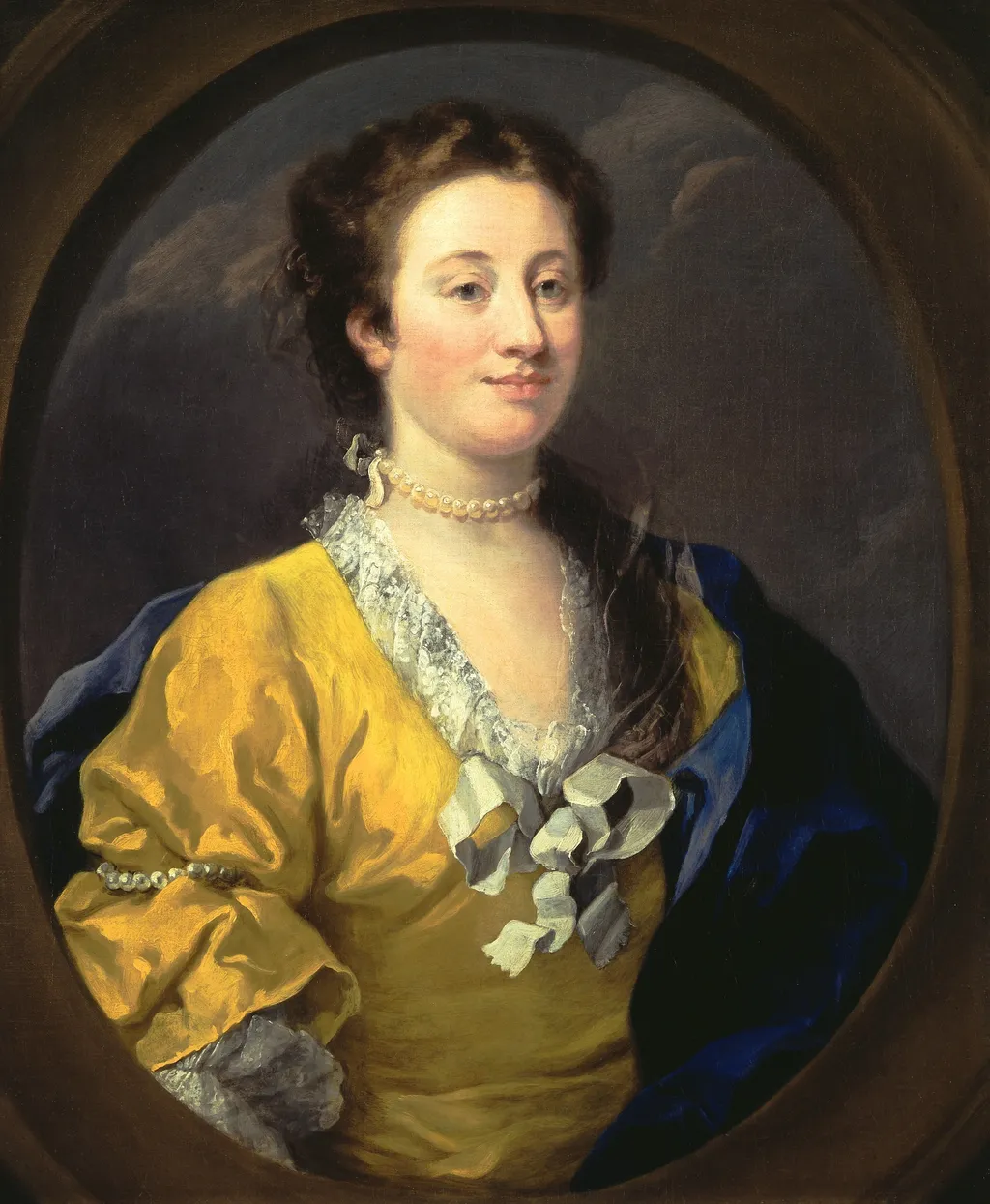
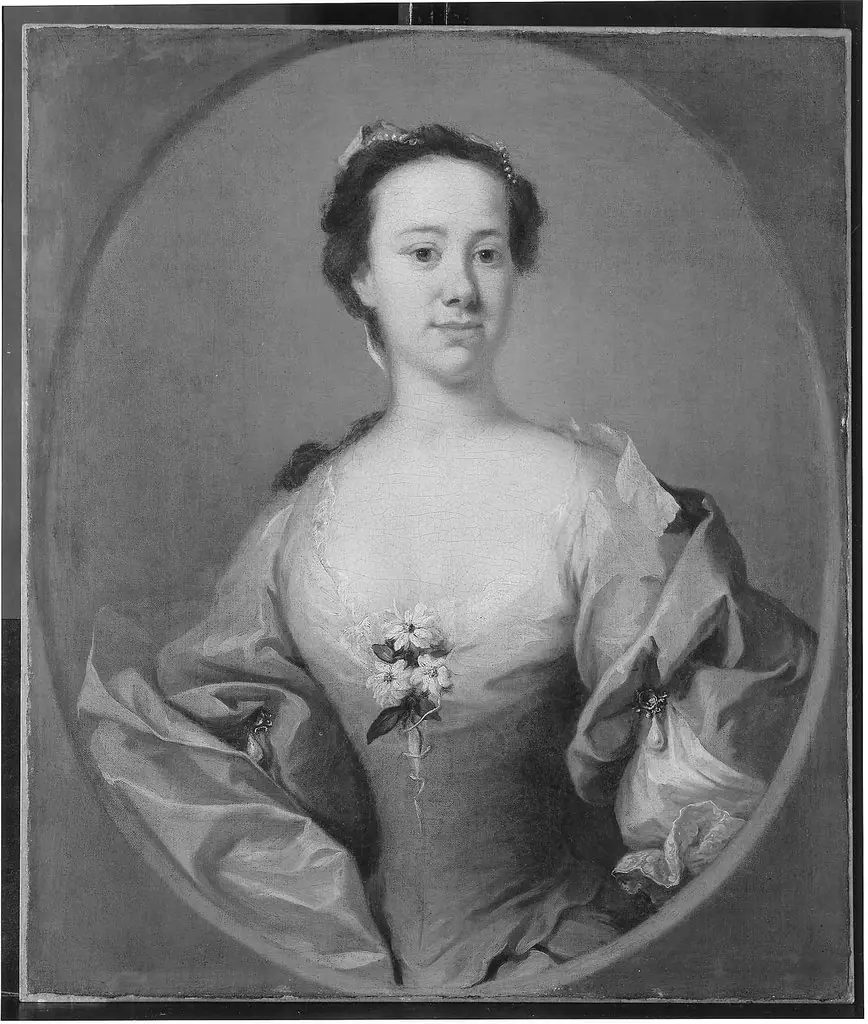
Portrait of a Lady is an oil painting by the Rococo painting artist William Hogarth. It dates from 1740 and is held in the collection of the Detroit Institute of Arts. Created in 1740, this oil painting presents a seated woman rendered in the Rococo style.
About this work
This portrait depicts a woman with dark, curly hair, wearing a yellow dress adorned with a white lace collar and a blue shawl draped over her left shoulder.
This portrait depicts a woman with dark, curly hair, wearing a yellow dress adorned with a white lace collar and a blue shawl draped over her left shoulder. The woman is also wearing a pearl necklace and a pearl bracelet on her right arm. Her attire is complemented by a pearl earring, and her hair is styled in a low bun. The background of the painting is a dark gray color.
The woman's dress features a V-neckline and puffy sleeves, which were popular during the 18th century. The artist's use of chiaroscuro, a technique that uses strong contrasts between light and dark, adds depth and dimension to the painting.
The woman's portrait is a beautiful example of 18th-century art. To learn more about the artist's use of chiaroscuro, look up the technique.
Overview
Created in 1740, this oil painting presents a seated woman rendered in the Rococo style. The composition centers on the sitter, whose dark, curled hair is gathered in a low bun, and who is dressed in a yellow gown with a white lace collar, a blue shawl, and pearl jewelry. A muted dark‑gray backdrop frames the figure, emphasizing the contrast of light and shadow.
Subject & Meaning
The work portrays an unidentified lady, her attire reflecting contemporary fashion with a V‑shaped neckline and puffed sleeves typical of the early eighteenth century. The inclusion of pearls—a necklace, bracelet, and earring—suggests status and refinement, while the serene pose and modest expression convey an ideal of genteel femininity prevalent in the period.
Technique & Style
Hogarth employs chiaroscuro to model the figure, allowing illuminated areas of the dress and face to emerge from the surrounding gloom. The brushwork captures the texture of silk and lace, and the delicate rendering of the pearls demonstrates a careful observation of light on reflective surfaces, hallmarks of his realistic portrait approach.
History & Provenance
The portrait was executed by William Hogarth, an English painter and engraver noted for both satirical series and conventional portraiture. Though primarily recognized for narrative works such as *A Harlot’s Progress* and *Marriage A‑la‑Mode*, this piece illustrates his capacity for formal commissions during his mature period.
Context
In the 1740s, English portraiture was increasingly influenced by continental Rococo aesthetics, favoring lighter palettes and elegant attire. Hogarth’s adoption of these elements aligns the painting with broader European trends while retaining his characteristic attention to detail and social nuance.
Artist & collection
Artist
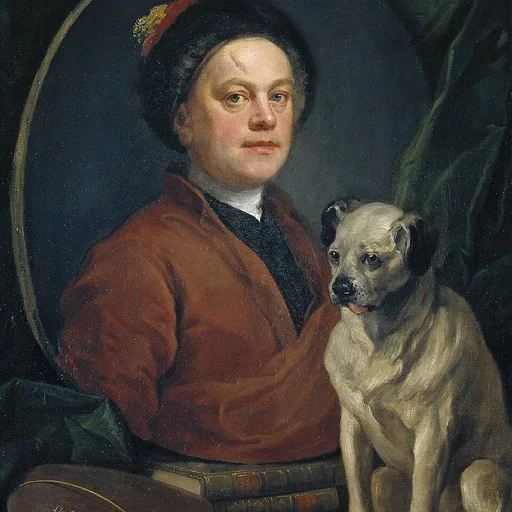
William Hogarth (; 10 November 1697 – 26 October 1764) was an English painter, engraver, satirist, cartoonist and writer.

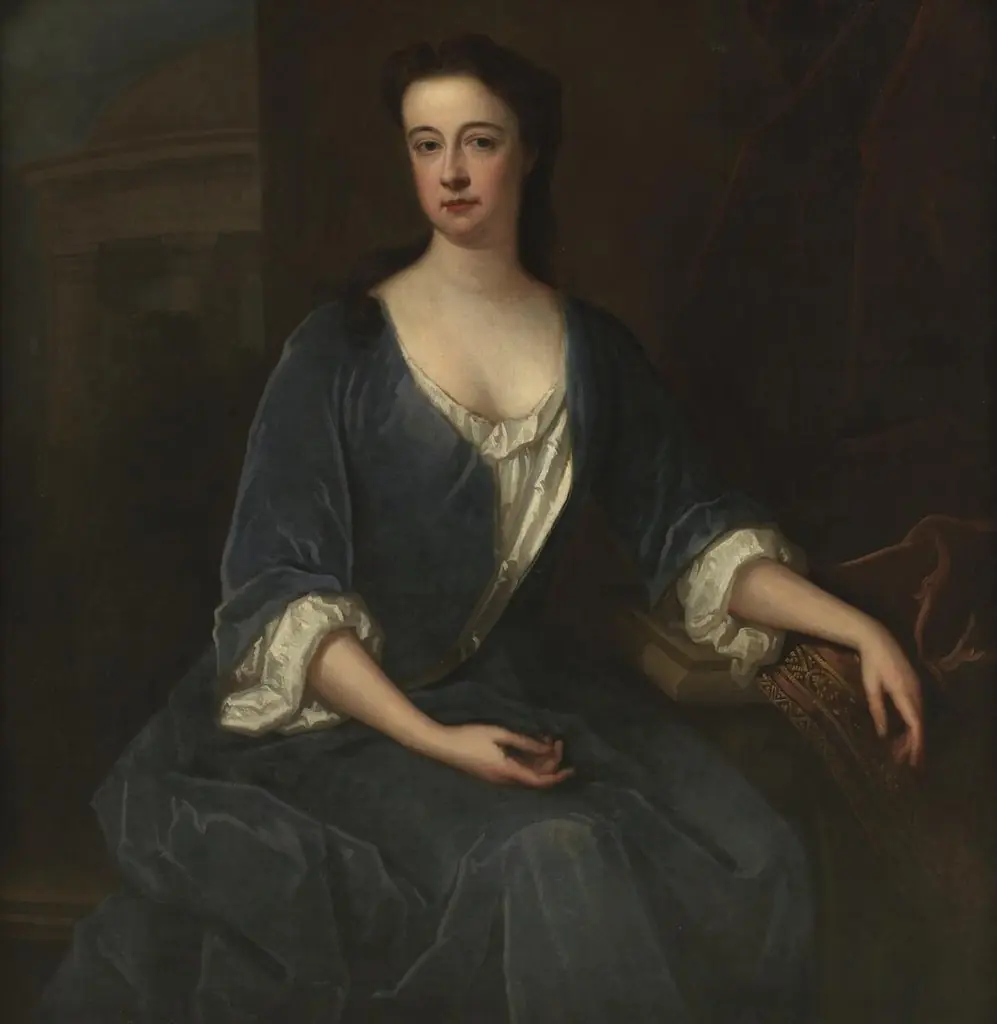 Barbara, Countess of Pembroke & Mont
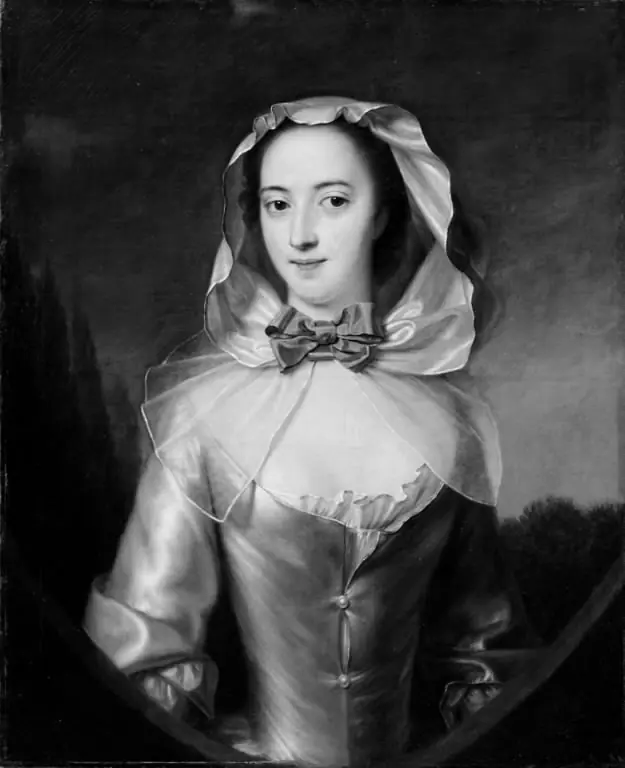 Portrait of a lady
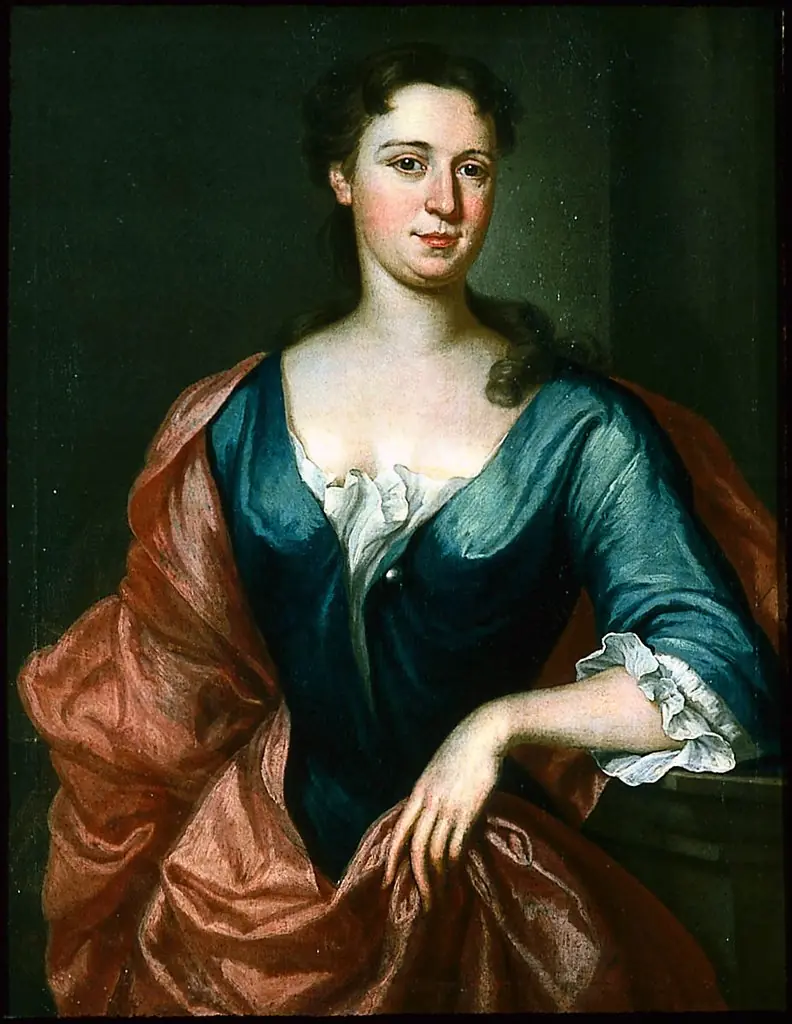 Mrs. Tyng
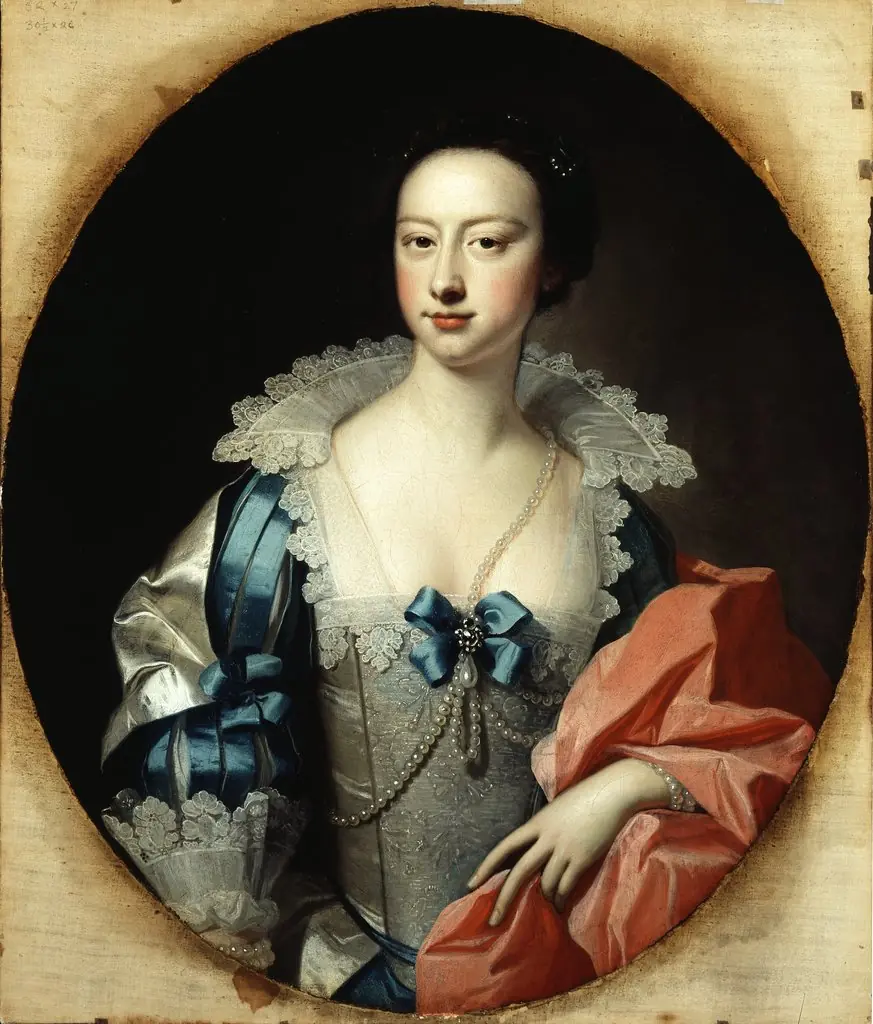 Miss Ashton
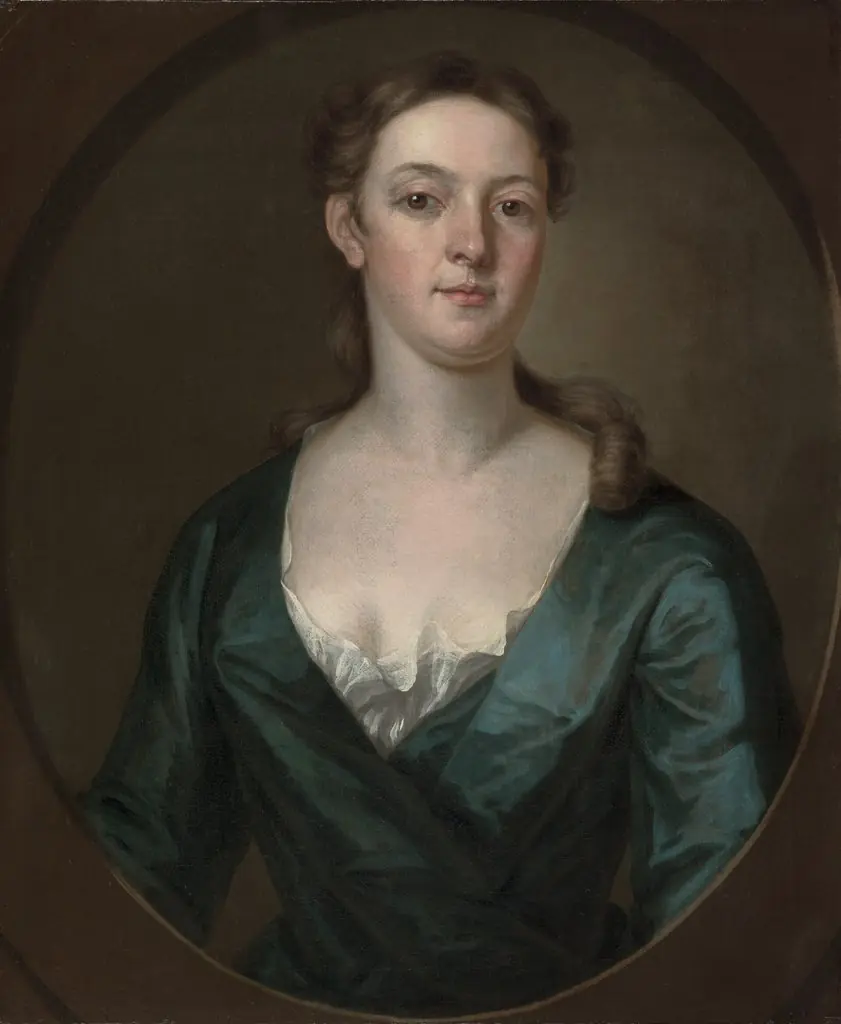 Portrait of a Woman (Judith Colman Bulfinch?)
 Portrait of a Woman (Judith Colman Bulfinch?)
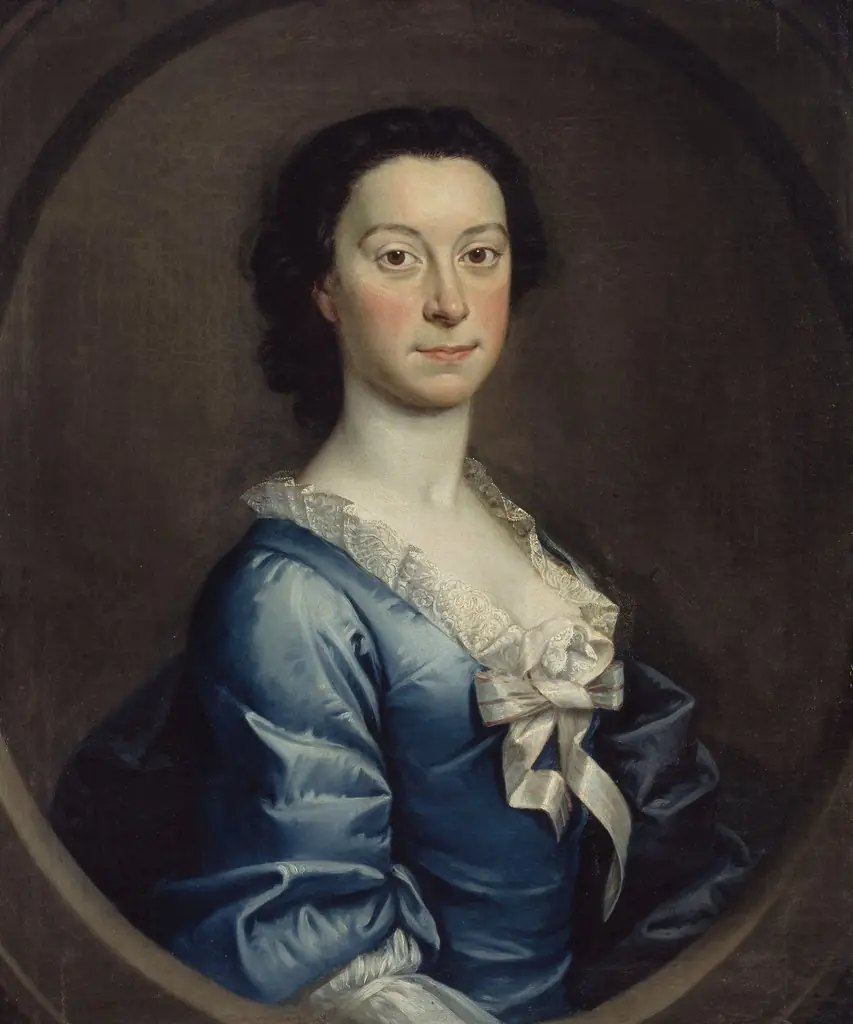 Possible Portrait of Hester Vanhomrigh ('Vanessa') (1690-1723)
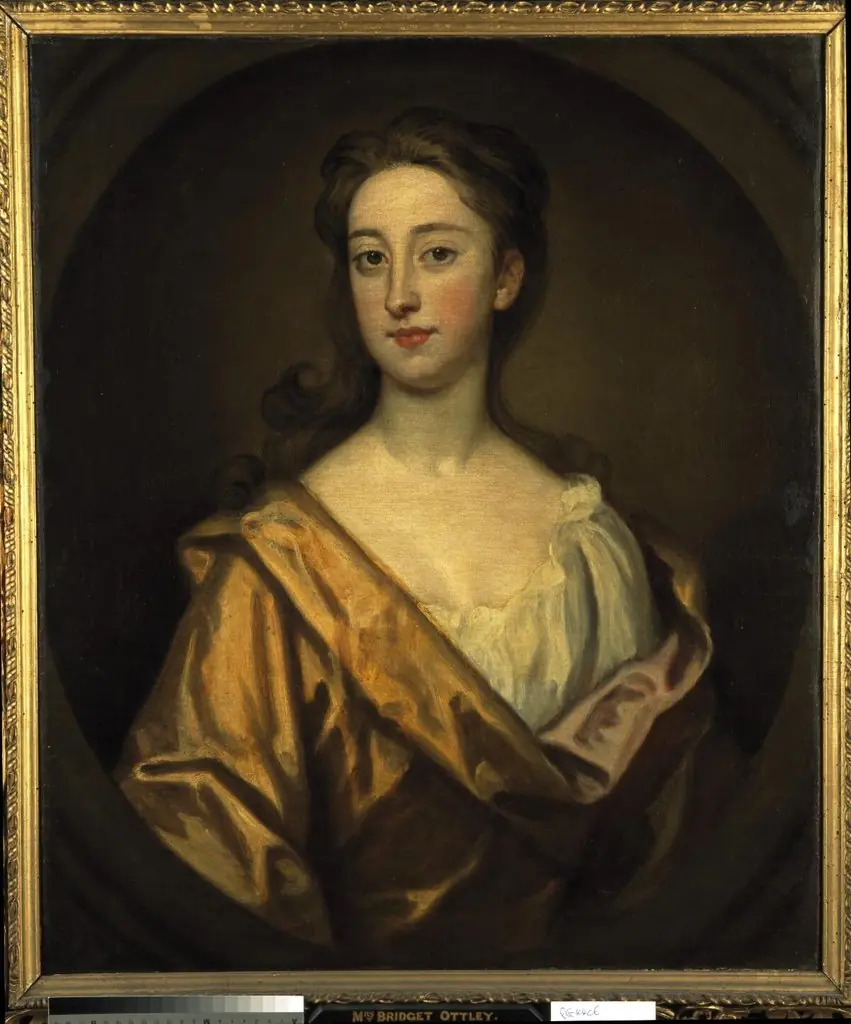 Mrs. Bridget Ottley
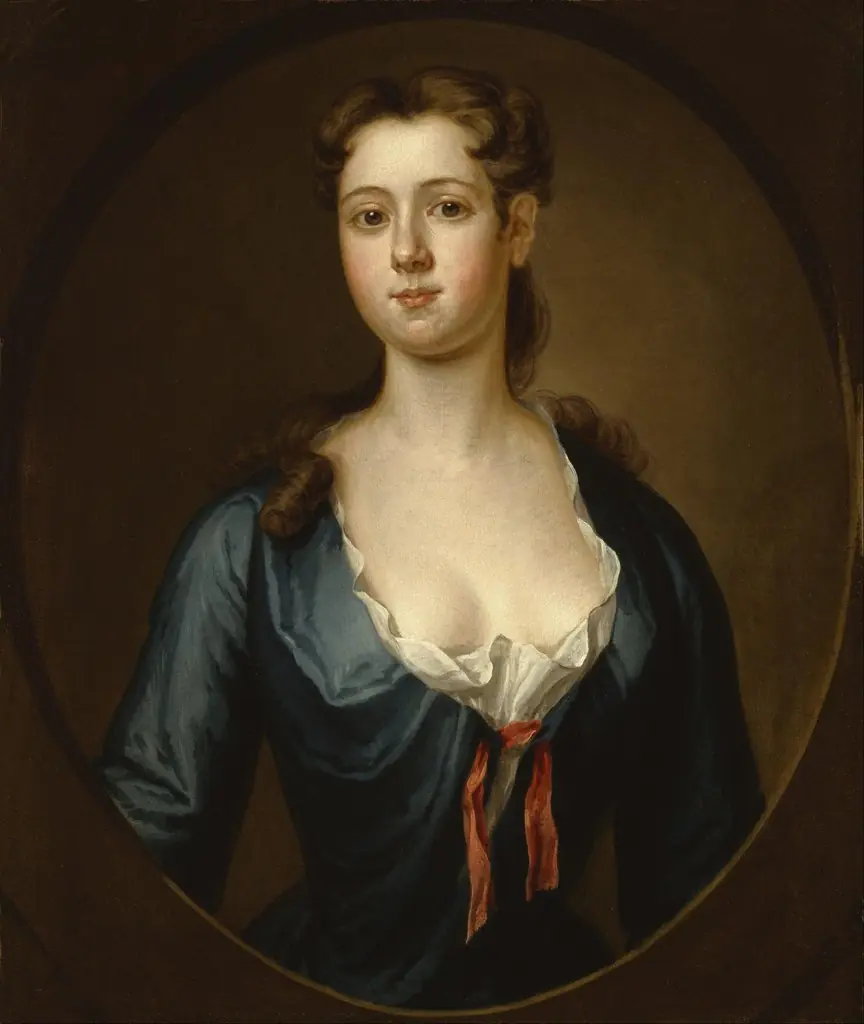 Portrait of Mary Pemberton (1717–1763)
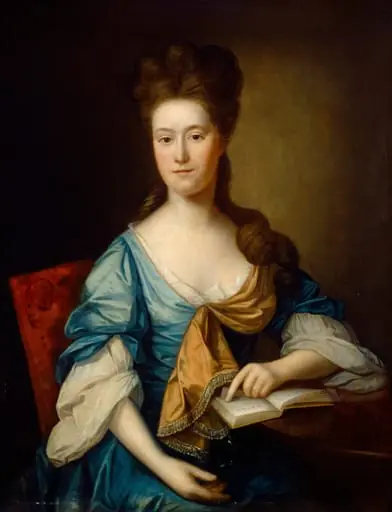 Portrait of a Lady
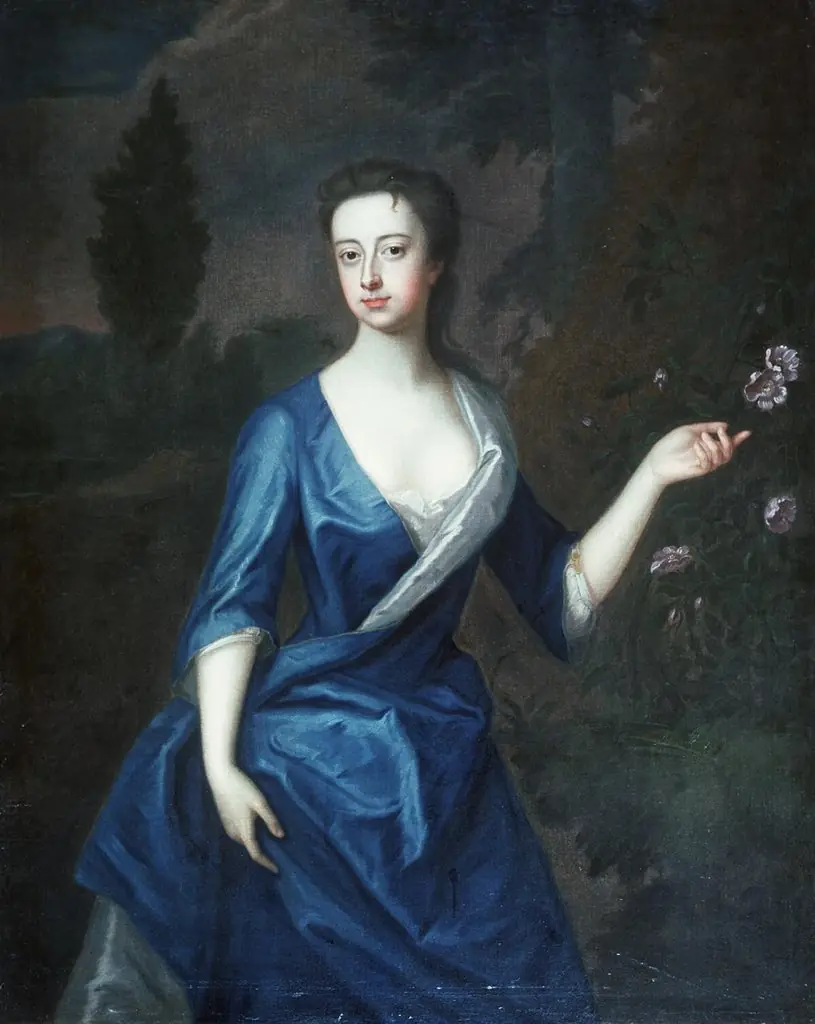 Miss Mary Middleton, Plas Newydd, Wrexham
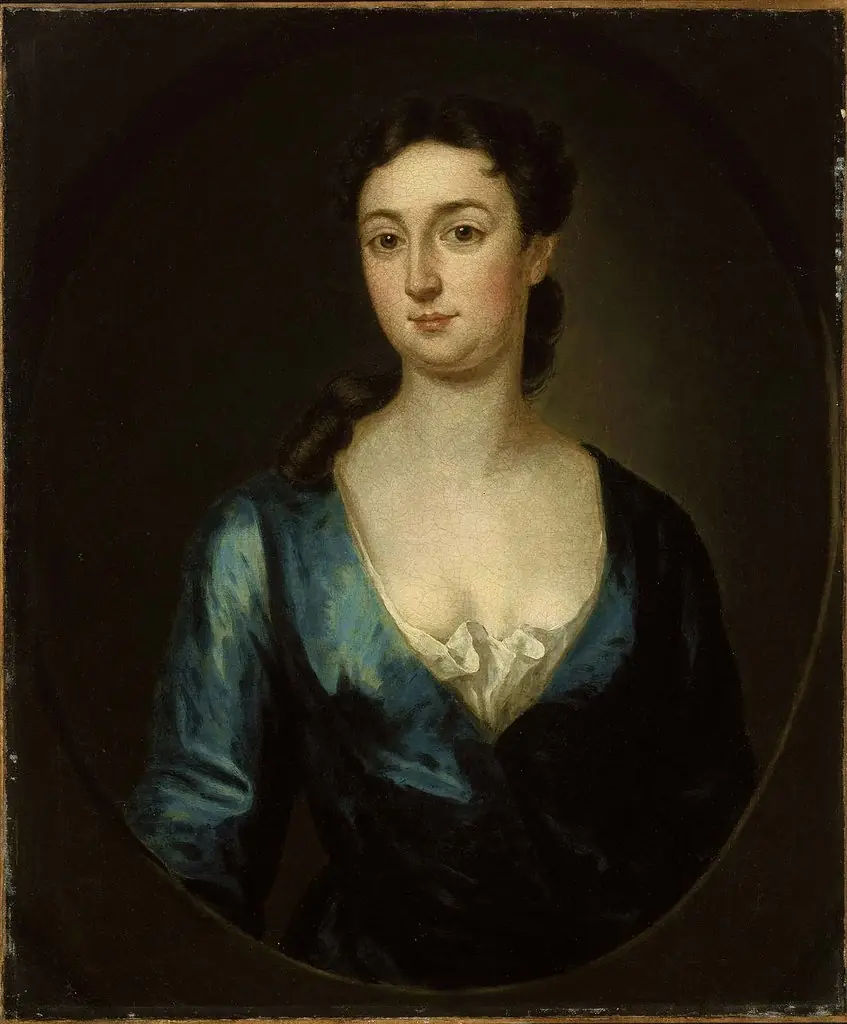 Mrs. James MacSparran (Hannah Gardiner)