Artwork
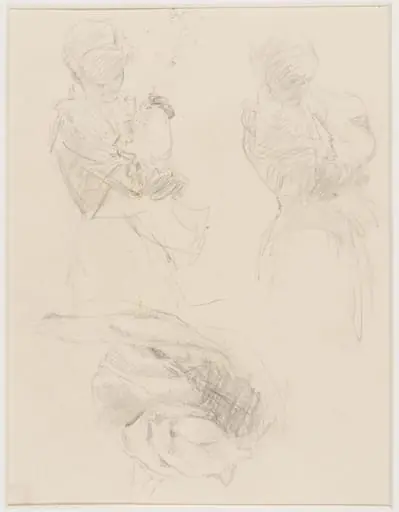
Study for "Army Boots" [verso]
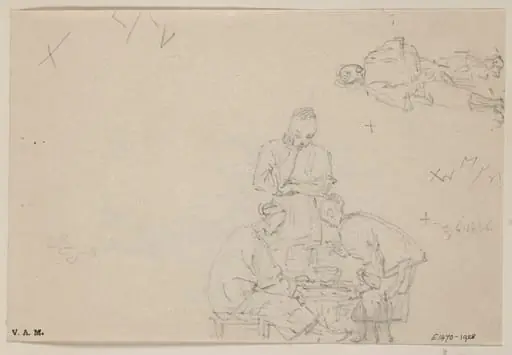
![Study for "Army Boots" [verso], by Winslow Homer, graphite, 1865](https://artifactworldgallery.com/img/winslow-homer--study-for-army-boots-verso--8665969a6ac97838-w1024.webp)
Study for "Army Boots" [verso] is a graphite drawing by the Impressionist artist Winslow Homer. It dates from 1865 and is held in the collection of the National Gallery of Art.
About this work
Overview
Created in 1865, this graphite and white chalk drawing on wove paper is a preparatory study by Winslow Homer, likely related to his later work Army Boots.
Created in 1865, this graphite and white chalk drawing on wove paper is a preparatory study by Winslow Homer, likely related to his later work Army Boots. Executed with rapid, unrefined strokes, it captures a quiet moment between two figures. The paper shows signs of wear, suggesting frequent handling. Its unfinished quality reflects Homer’s process of observing and recording human interaction rather than producing a finished composition.
Subject & Meaning
Two figures sit in close proximity: an older person, facing forward with a gentle expression, and a younger one turned slightly away. The interaction suggests intimacy or quiet companionship, possibly a veteran and a child. No narrative is imposed; instead, the drawing preserves a fleeting, unguarded moment. The absence of context invites contemplation of personal connection amid postwar uncertainty.
Technique & Style
Homer employed loose, economical lines in graphite, accented with white chalk to suggest highlights and volume. The forms are suggested rather than defined, with minimal detail in the background—faint outlines hint at furniture. The sketch’s immediacy comes from its spontaneity; edges blur, shadows are layered lightly, and the paper’s texture remains visible, reinforcing the sense of a working draft.
History & Provenance
The drawing dates to Homer’s early post-Civil War period, when he frequently sketched soldiers and civilians in everyday settings. It was likely made during his travels or studio work as he developed themes for future paintings. Its survival as a standalone sheet indicates it was preserved for its observational value, not as a final product. Its condition reflects decades of handling by collectors and curators.
Context
Created shortly after the Civil War, the drawing aligns with Homer’s shift toward intimate, civilian scenes. Artists of the time increasingly turned from grand historical subjects to ordinary life, influenced by emerging realist ideals. This sketch, like others from the period, reflects a broader cultural interest in individual experience and quiet resilience after national trauma.
Legacy
As a working sketch, it offers insight into Homer’s method of capturing human presence through gesture and light. Unlike polished finished works, this drawing reveals the artist’s process of observation and revision. It remains a testament to his commitment to authenticity, influencing later generations who valued the expressive potential of the unfinished.
Artist & collection
Artist
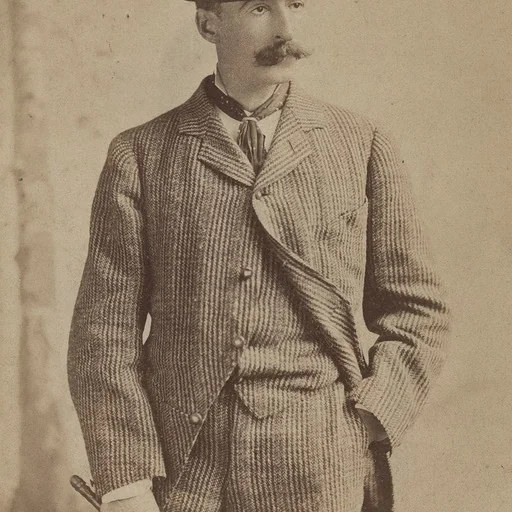
Winslow Homer (February 24, 1836 – September 29, 1910) was an American landscape painter and illustrator, best known for his marine subjects.

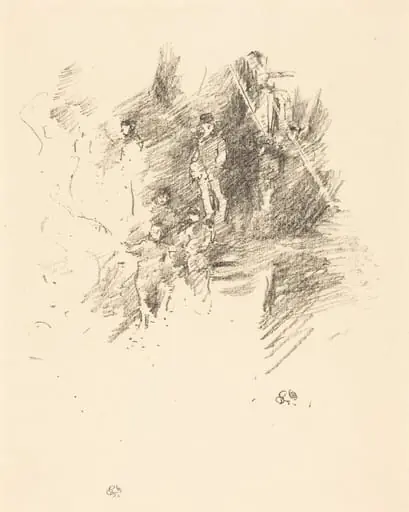
![Grant and Lincoln at City Point, Virginia [recto], by Winslow Homer](https://artifactworldgallery.com/img/winslow-homer--grant-and-lincoln-at-city-point-virginia-recto--d28b6ff299a80812-w320.webp)
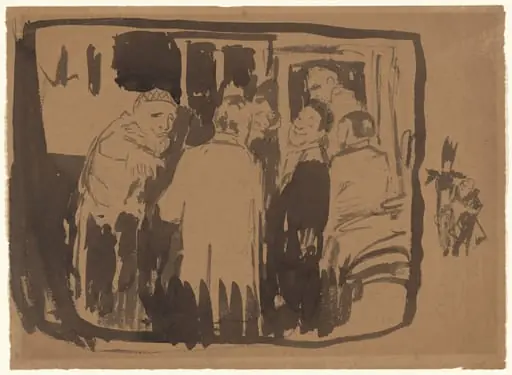
![Men Drinking at a Table [verso], by George Overbury Hart](https://artifactworldgallery.com/img/george-overbury-hart--men-drinking-at-a-table-verso--7e9475e5b5079377-w320.webp)
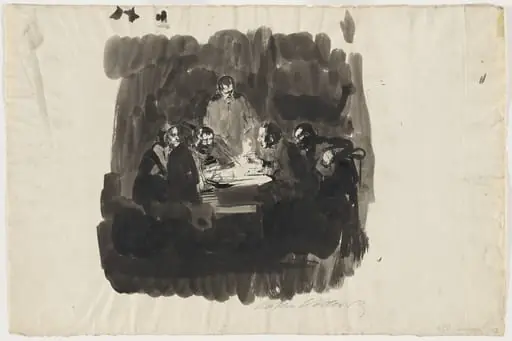
![Two Soldiers Resting [verso], by Winslow Homer](https://artifactworldgallery.com/img/winslow-homer--two-soldiers-resting-verso--989d55e6cbbf0806-w320.webp)