Artwork
Voluntary Partisan
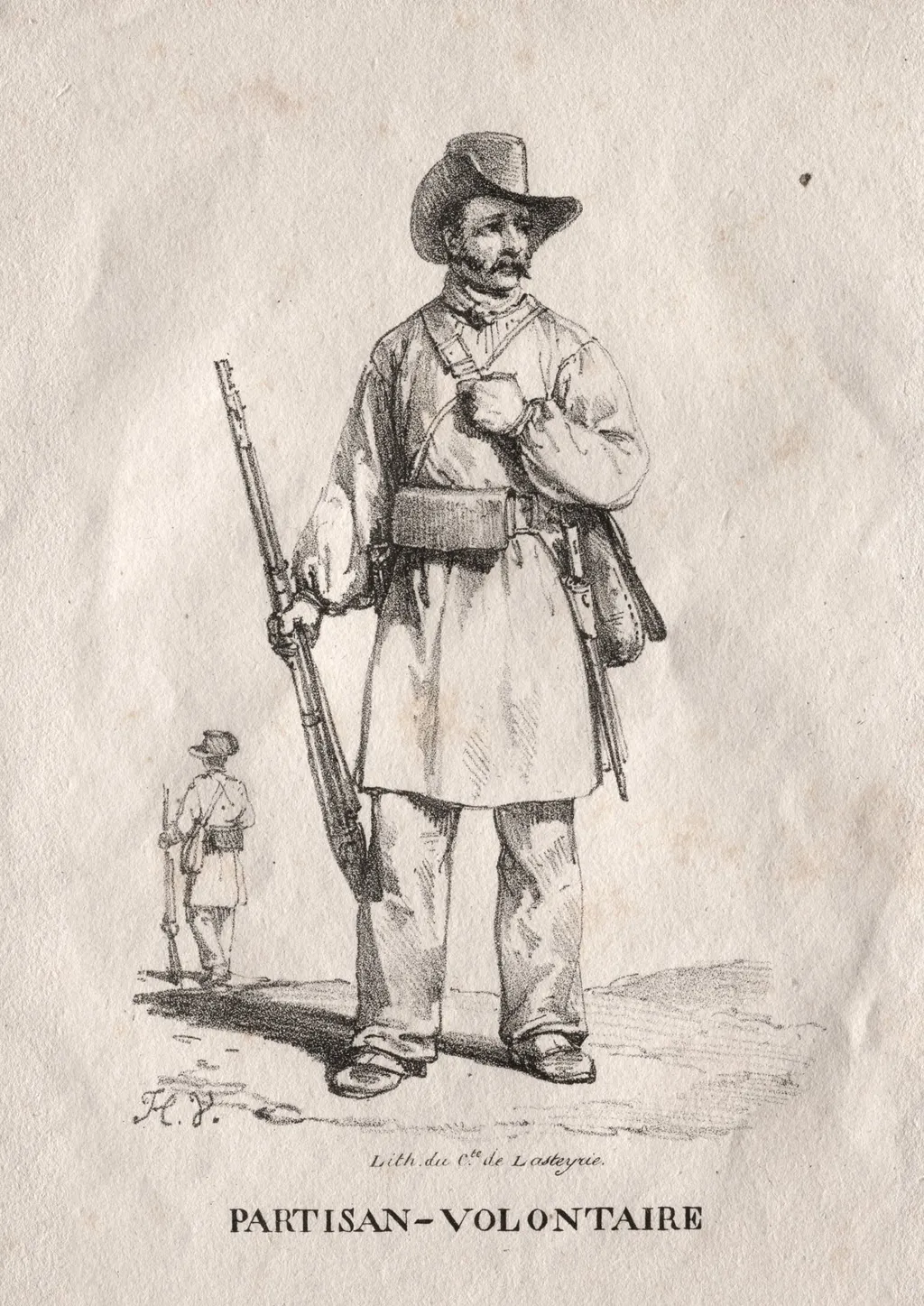
Voluntary Partisan is a print by the Romanticist artist Horace Vernet. It dates from 1822 and is held in the collection of the Cleveland Museum of Art.
About this work
Overview
Vernet, known for his focus on military subjects, rendered this scene with attention to detail and dramatic tension.
Created in 1822 by French artist Horace Vernet, *Voluntary Partisan* is a print that captures a moment of armed resistance during a period of political upheaval. Vernet, known for his focus on military subjects, rendered this scene with attention to detail and dramatic tension. The work is part of the collection at The Cleveland Museum of Art, where it serves as an example of early 19th-century French engagement with themes of national struggle and individual courage.
Subject & Meaning
The image portrays a lone partisan on horseback, clad in period attire and carrying a flag, suggesting a civilian combatant fighting for a cause outside formal military structures. This figure embodies the romantic ideal of the volunteer fighter, common in post-Napoleonic Europe. The flag implies ideological commitment, while the solitary figure evokes both heroism and vulnerability, reflecting contemporary fascination with grassroots resistance and national identity.
Technique & Style
Vernet employs a clear, linear style with defined contours and controlled contrasts to emphasize the figure’s movement and costume. While not overtly using chiaroscuro, the work relies on directional lighting to model the rider and horse, enhancing three-dimensionality. The composition is tightly framed, focusing attention on the central figure and his symbolic banner, avoiding background clutter to heighten narrative immediacy.
History & Provenance
The print was produced during a time when France was redefining its political identity after the fall of Napoleon. Vernet’s depictions of military life gained popularity among the public and state institutions alike. *Voluntary Partisan* entered the Cleveland Museum of Art’s collection through documented acquisition, likely in the early 20th century, as part of broader efforts to build a comprehensive European print collection.
Context
In the early 1800s, partisan imagery resonated across Europe as nations grappled with revolution, occupation, and the rise of nationalism. Vernet’s work aligns with a broader artistic trend that glorified irregular fighters—often idealized as defenders of liberty. Such subjects were popular in print form, making them accessible to a wider audience beyond elite collectors and academic circles.
Legacy
Though not among Vernet’s most widely reproduced works, *Voluntary Partisan* remains a representative example of his engagement with military themes and the cultural memory of resistance. It contributes to the understanding of how 19th-century visual culture framed conflict as moral struggle, influencing later depictions of guerrilla warfare and civic duty in European art and media.
Artist & collection
Artist
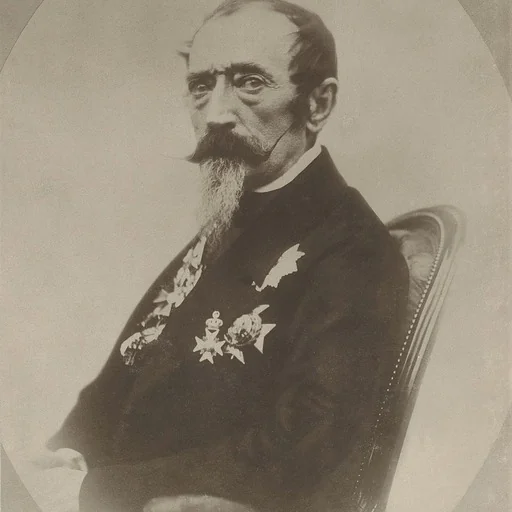
Émile Jean-Horace Vernet (French pronunciation: ; 30 June 1789 – 17 January 1863), better known as Horace Vernet, was a French painter of battles, portraits, and Orientalist subjects.

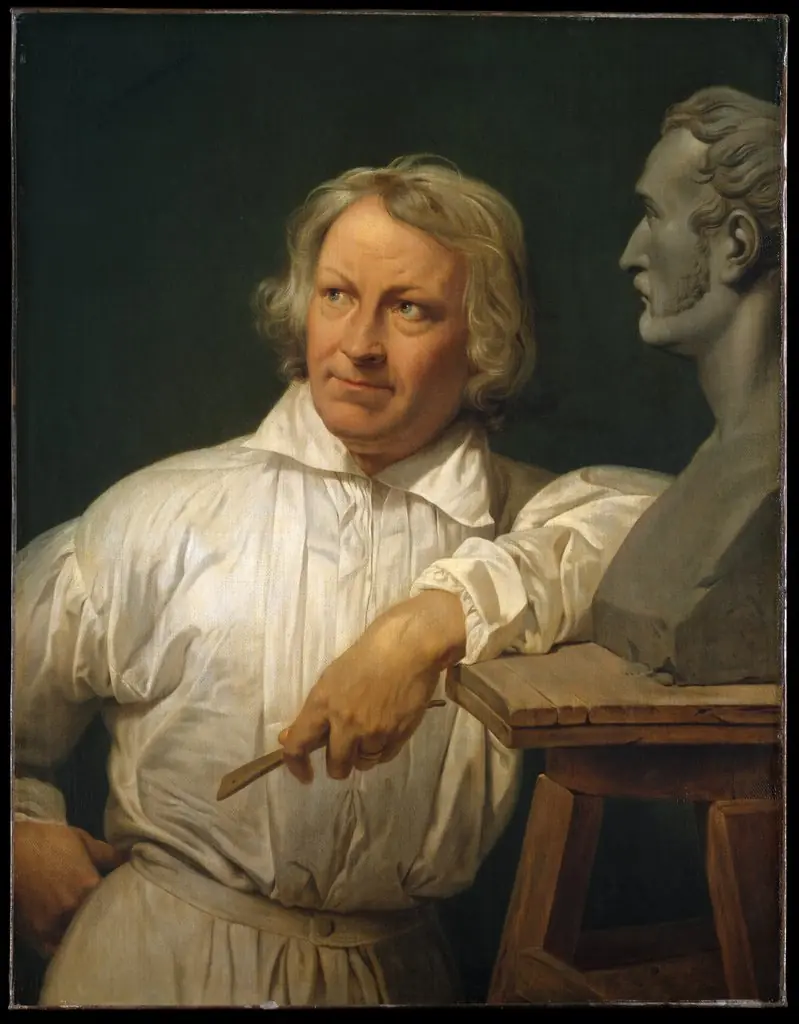 Bertel Thorvaldsen (1768–1844) with the Bust of Horace Vernet
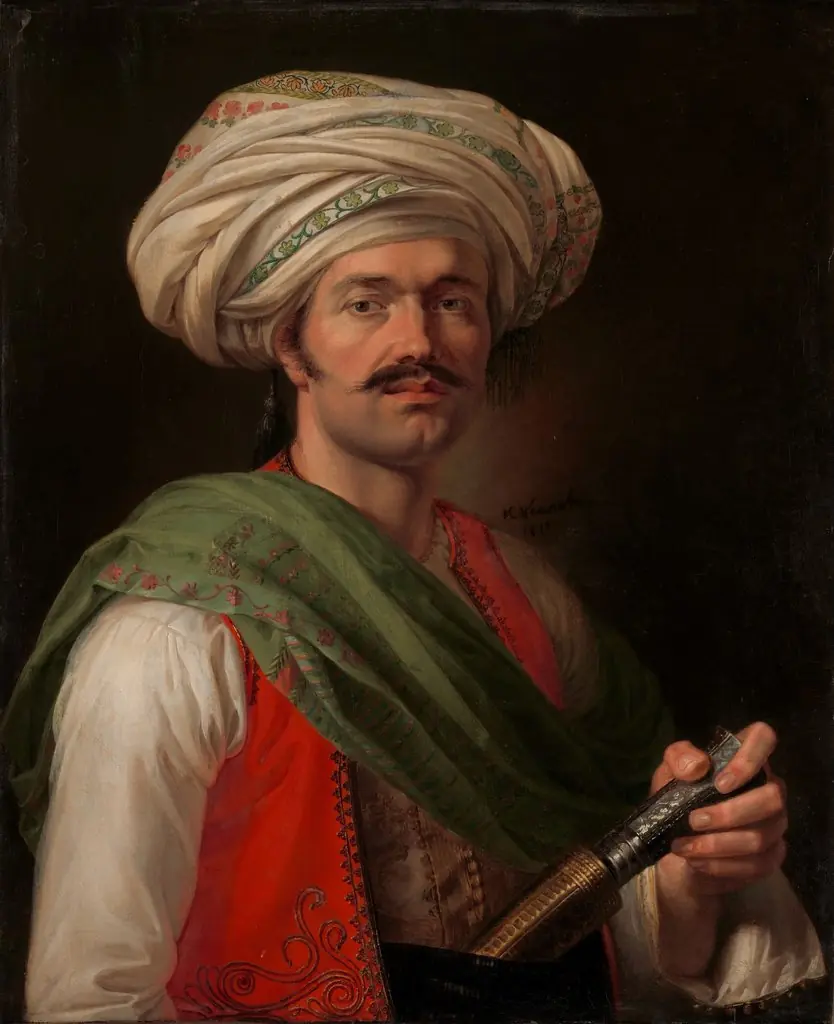 Portrait of a Mameluke, said to be Roustam Raza
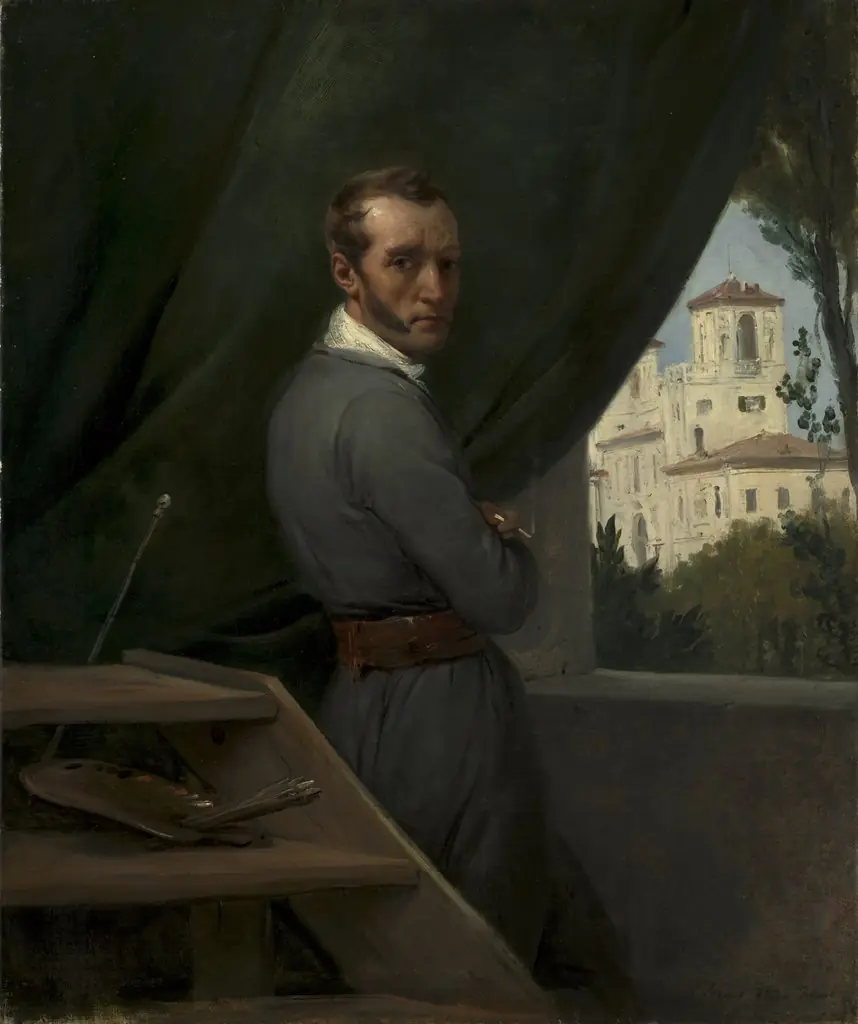 Self-Portrait in Rome
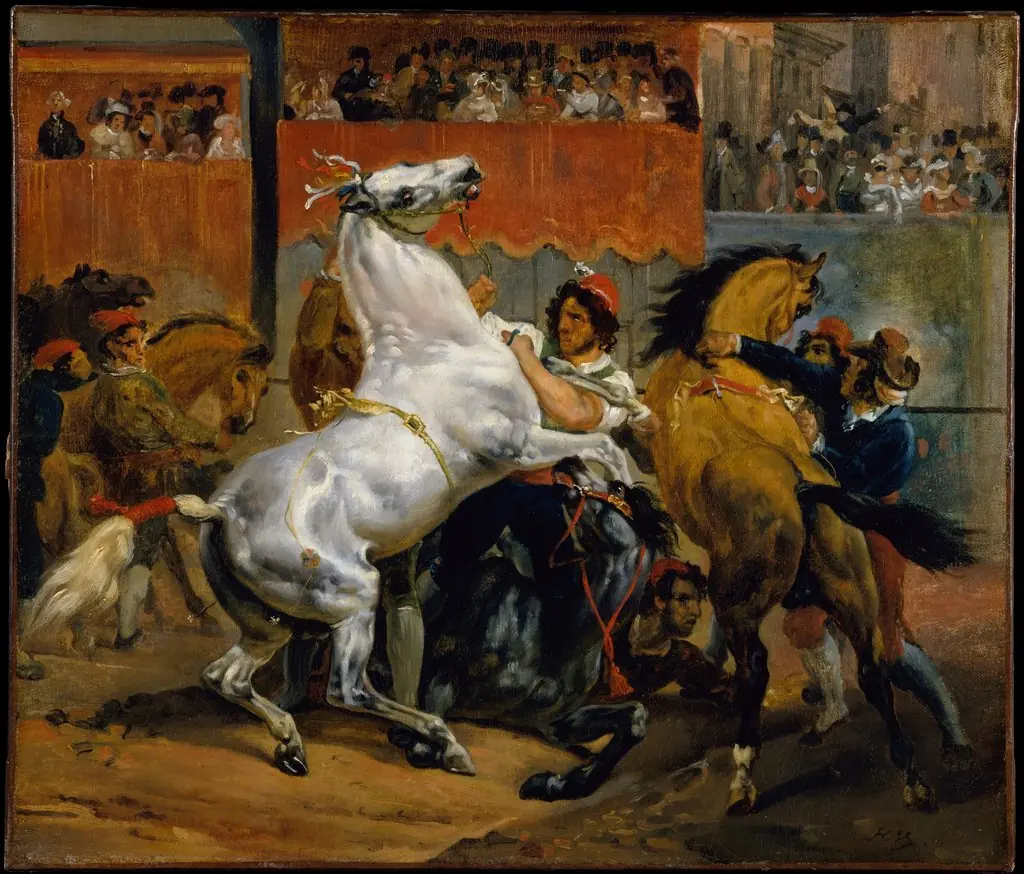 The Start of the Race of the Riderless Horses
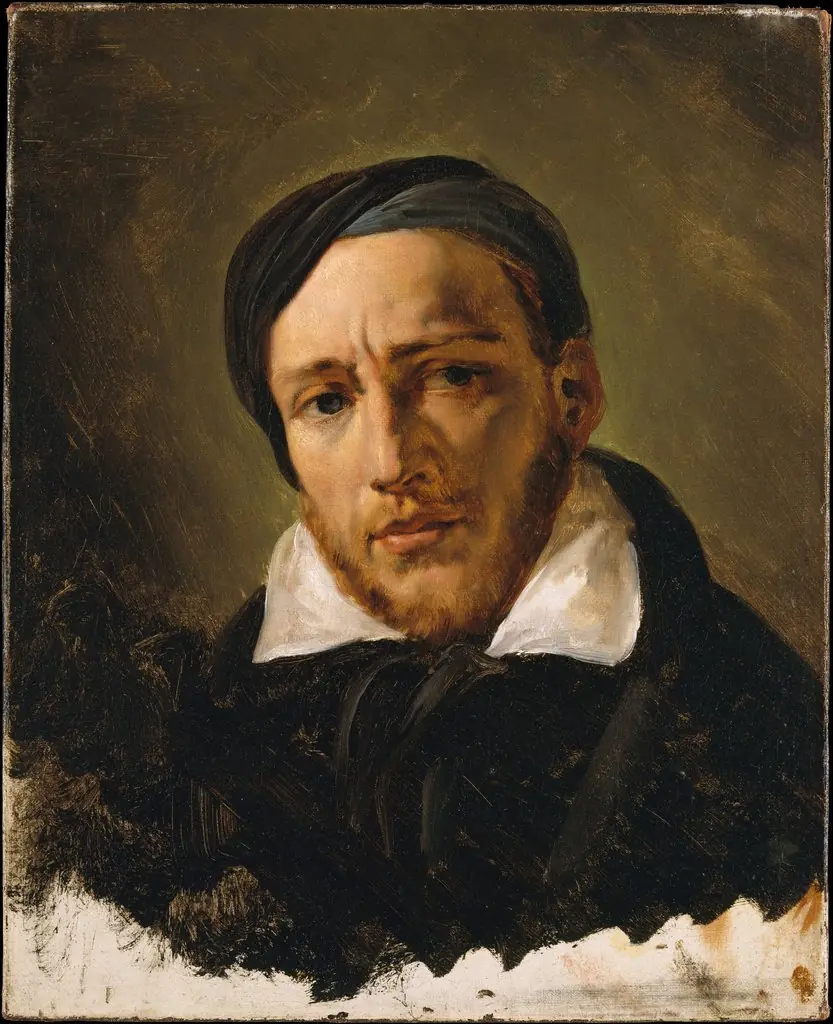 Jean-Louis-André-Théodore Gericault (1791–1824)
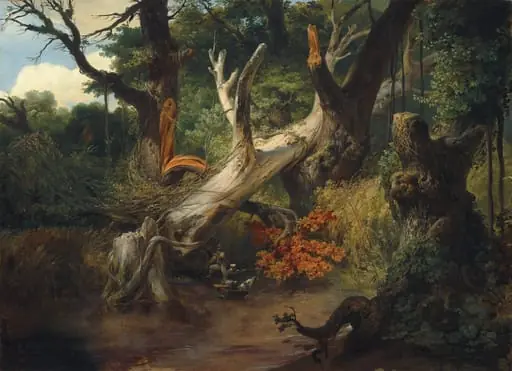 Hunting in the Pontine Marshes
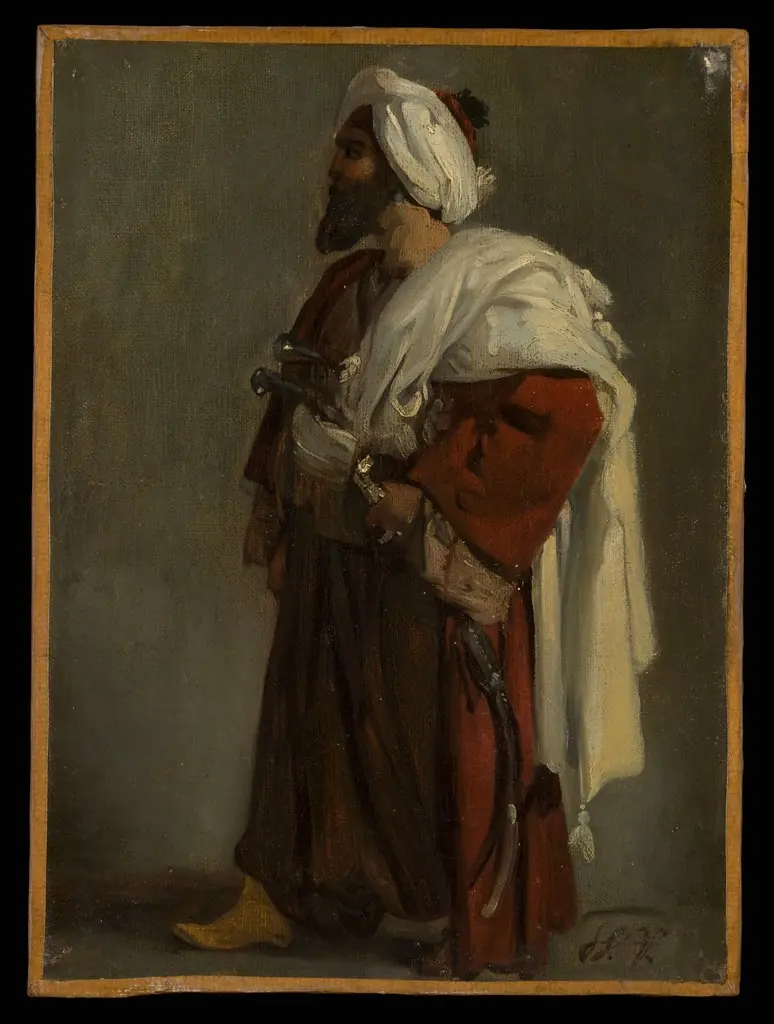 Arab Warrior
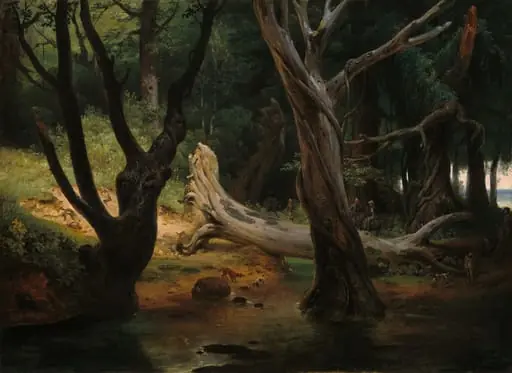 Departure for the Hunt in the Pontine Marshes
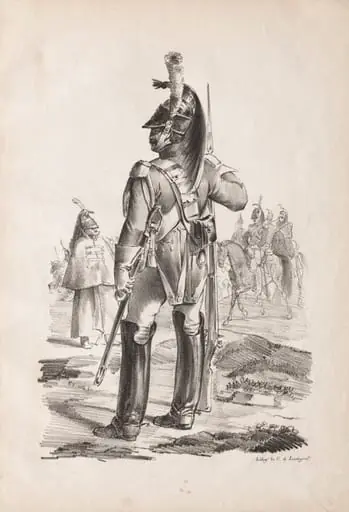 Military Costumes: Grenadier of the Royal Guard
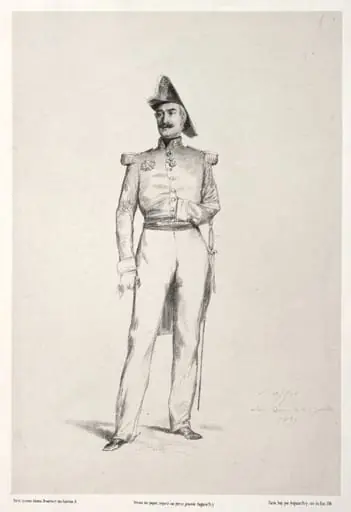 La Maréchal Baraquey d'Hilliers
 Charles Keene as a Volunteer
 Keisarillisen jääkärirykmentin sotilas
 One of Gomez' Men
 Infanterie legère française, Voltigeur
 A Curer of Skin Disease
 A peon
 Military Costumes: Infantry Sargent
 The Out-Post
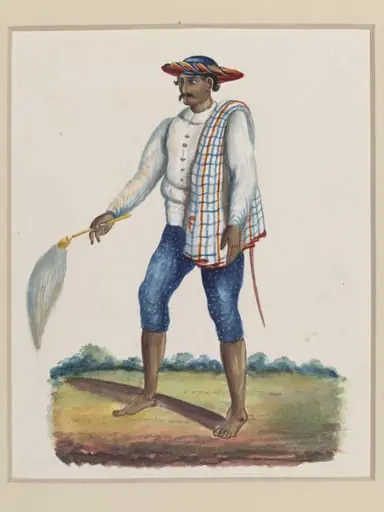 A Sais
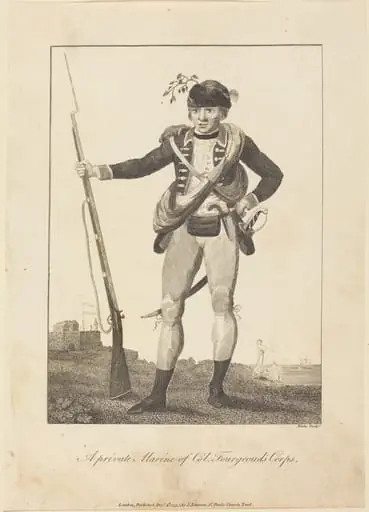 A private Marine of Col. Fourgeoud's Corps