Artwork
The Burgomaster
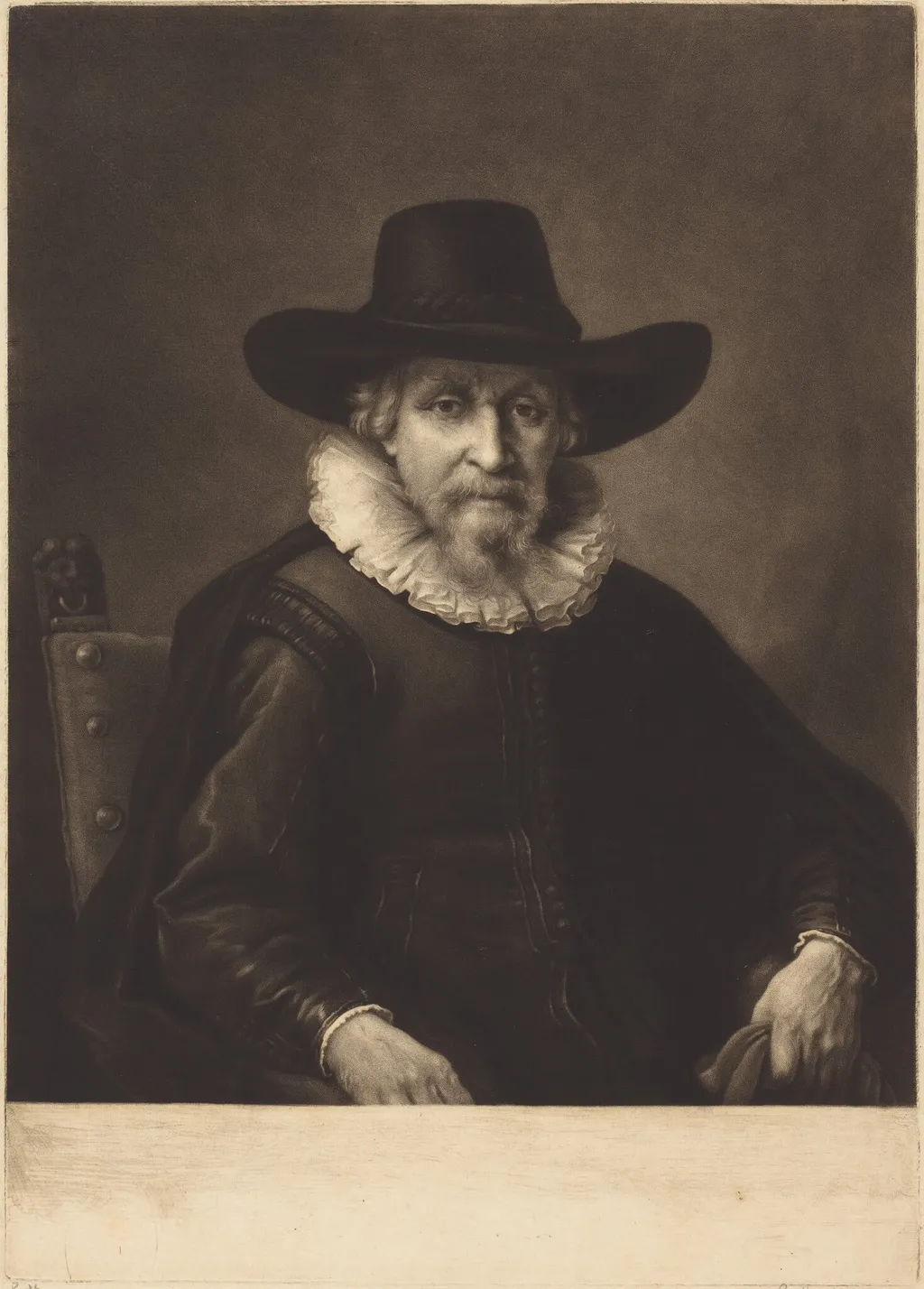
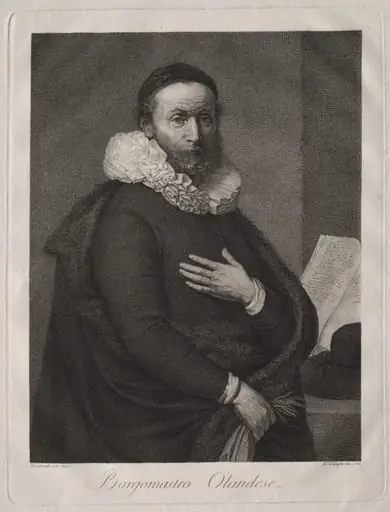
The Burgomaster is an ink print by the Baroque artist Richard Houston. It dates from 1760 and is held in the collection of the National Gallery of Art.
About this work
Overview
Richard Houston’s mezzotint, dated around 1760, presents a formal portrait of a municipal leader, identified by the title as a burgomaster. Executed on laid paper, the image is rendered entirely in black and white, emphasizing the figure’s dignified bearing through careful composition and tonal contrast.
Subject & Meaning
The sitter appears in period attire: a broad-brimmed hat, a white ruffled collar, and a dark, buttoned coat. His hands rest on a ledge, and a small object—perhaps a glove or a tool—lies nearby, suggesting a status of authority and the practical responsibilities of civic office.
Technique & Style
Houston employed the mezzotint process, a method that allows for subtle gradations of tone. By manipulating the surface of a copper plate with a rocker and scraper, he achieved a rich chiaroscuro effect, making the face emerge from a deep, shadowed background and lending the portrait a dramatic, three‑dimensional quality typical of mid‑18th‑century printmaking.
History & Provenance
Created in the mid‑1700s, the print reflects the popularity of portrait mezzotints for disseminating images of local dignitaries. While specific ownership records are scarce, the work is attributed to Houston, a noted British engraver whose prints were widely circulated among collectors and municipal institutions of the period.
Artist & collection

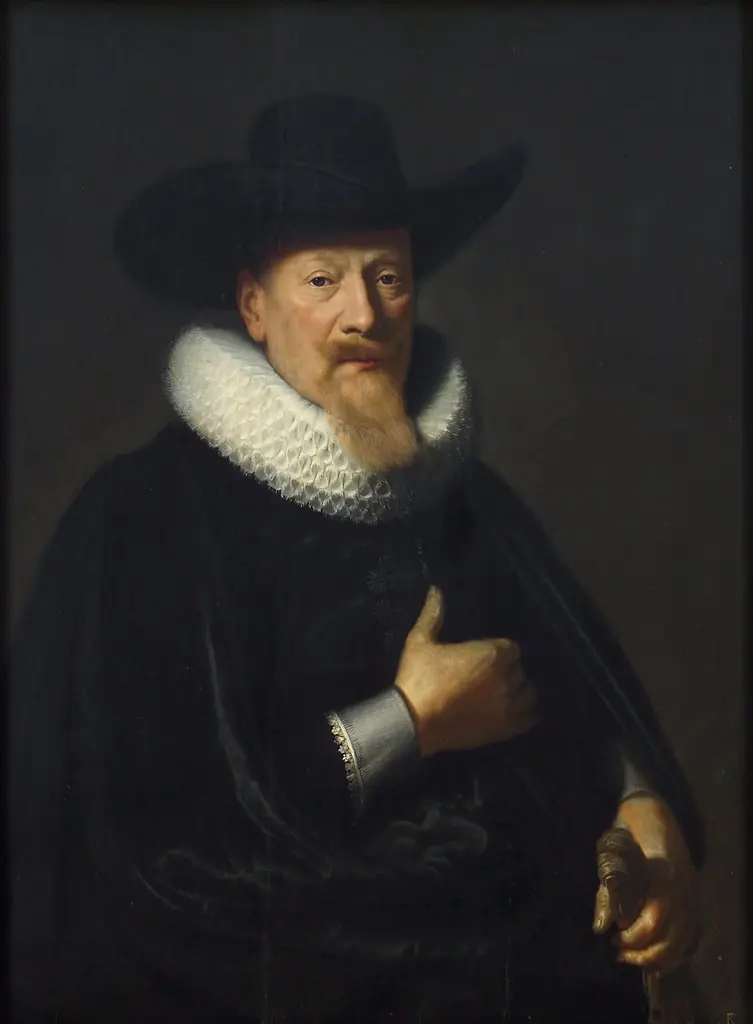 Casanova del Monte Turris, Bürgermeister von Prag
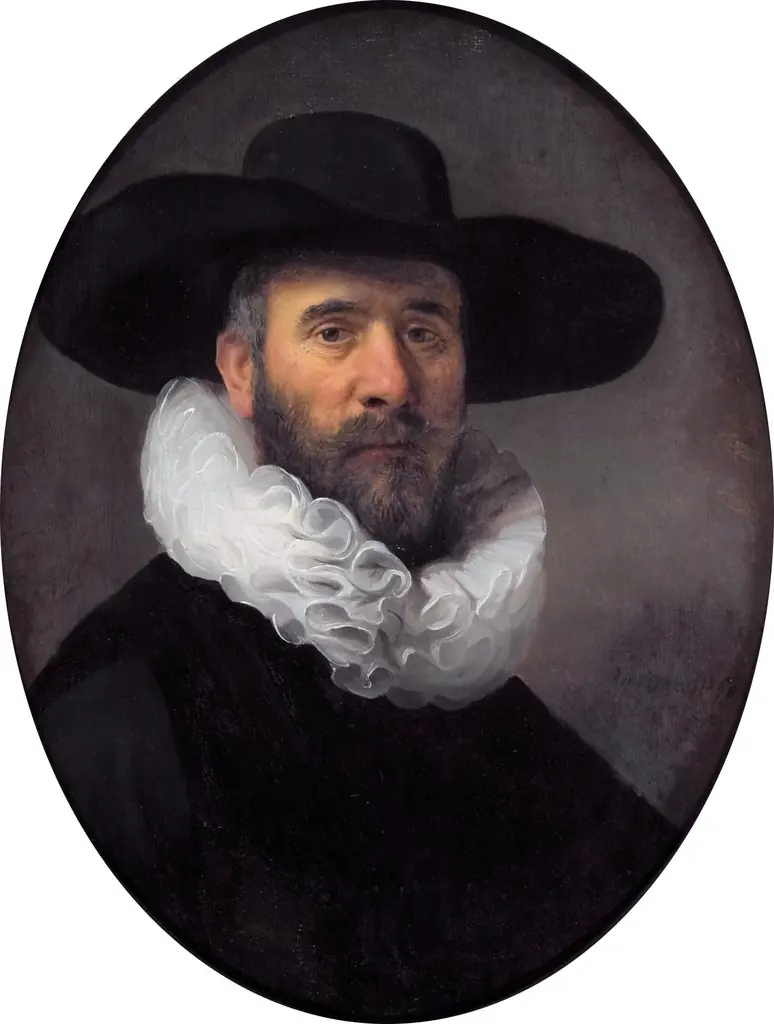 Portrait of Dirck Jansz. Pesser
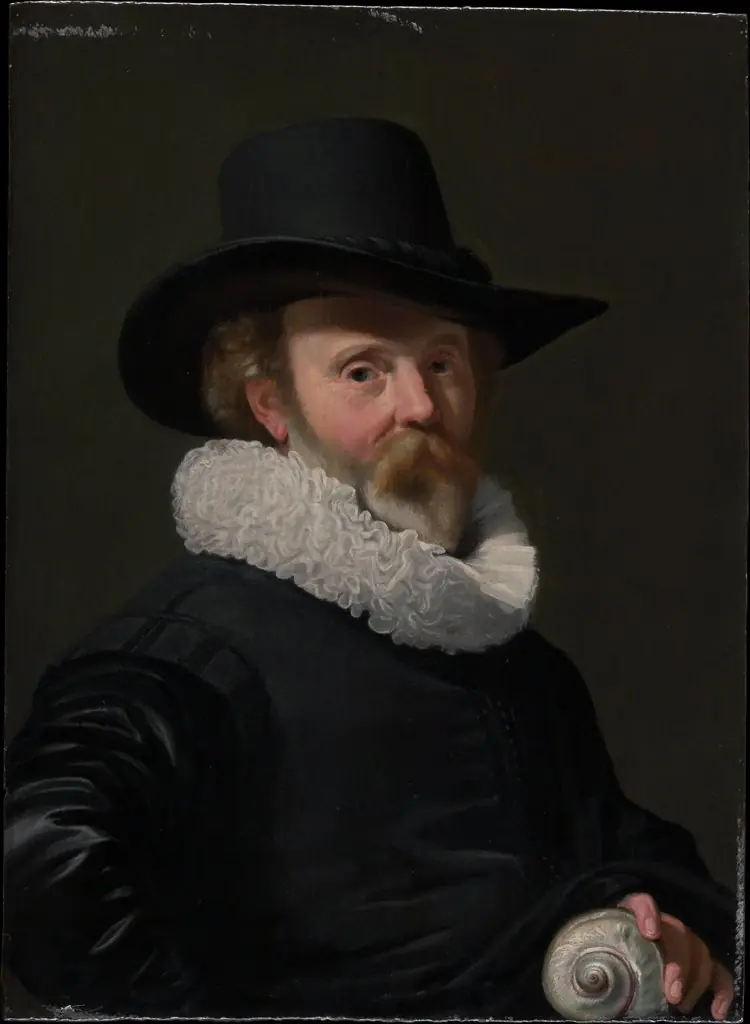 Portrait of a Man with a Shell
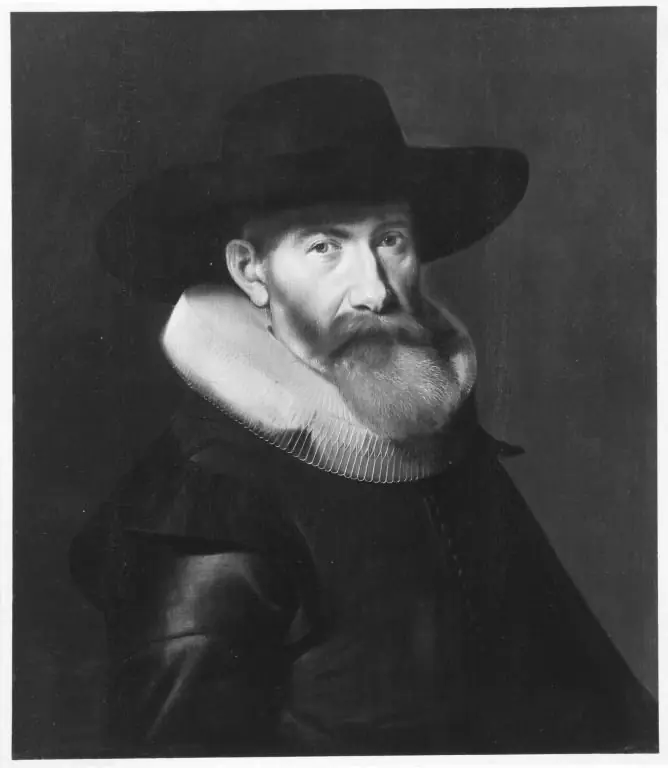 Bildnis eines Mannes
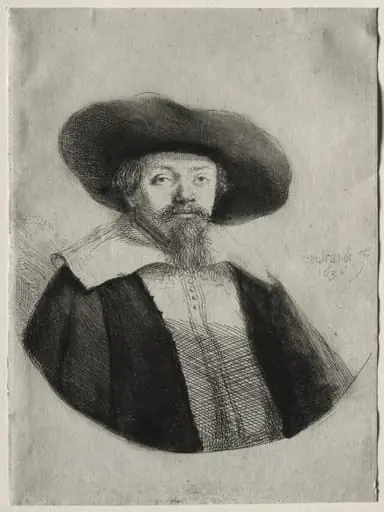 Samuel Manasseh Ben Israel
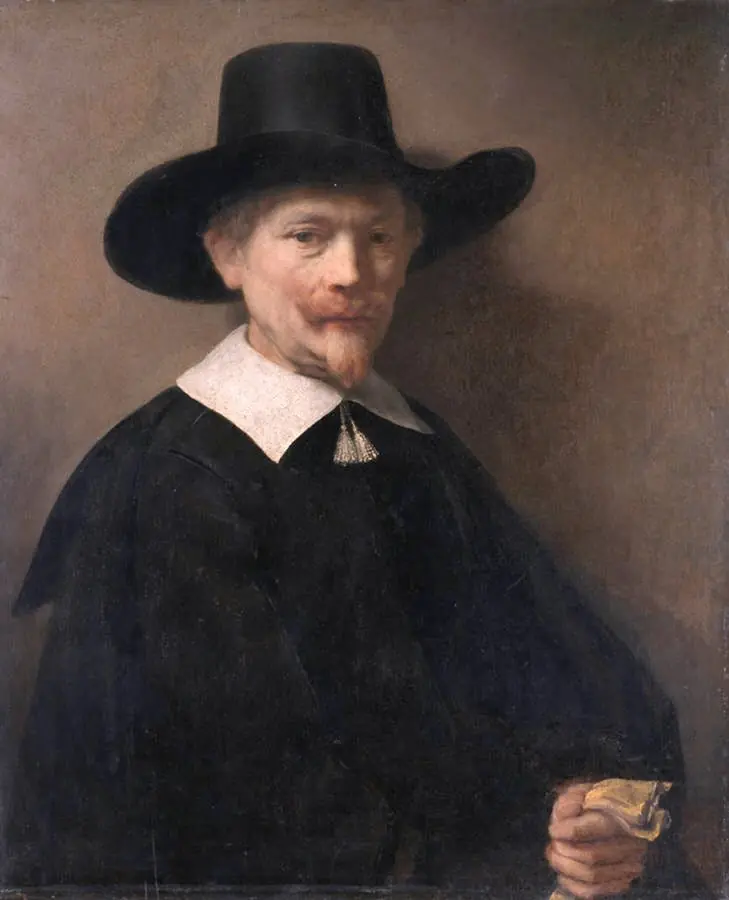 Portrait of a man with gloves in hand
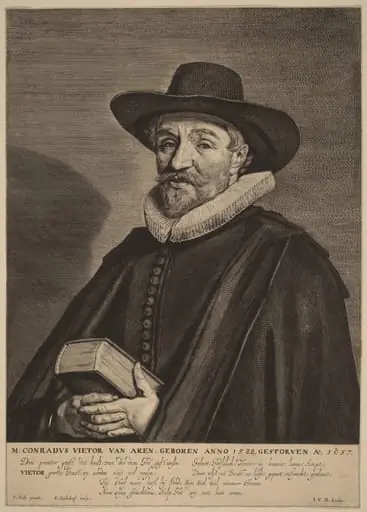 Conrad Vietor van Aken
 Man with a Sheet of Music
 Michel Miereveld
 Portrait of a man
 Man in a Fur Wrap and Pleated Collar
 The Dutch Burgomaster