Artwork
The Dutch Burgomaster
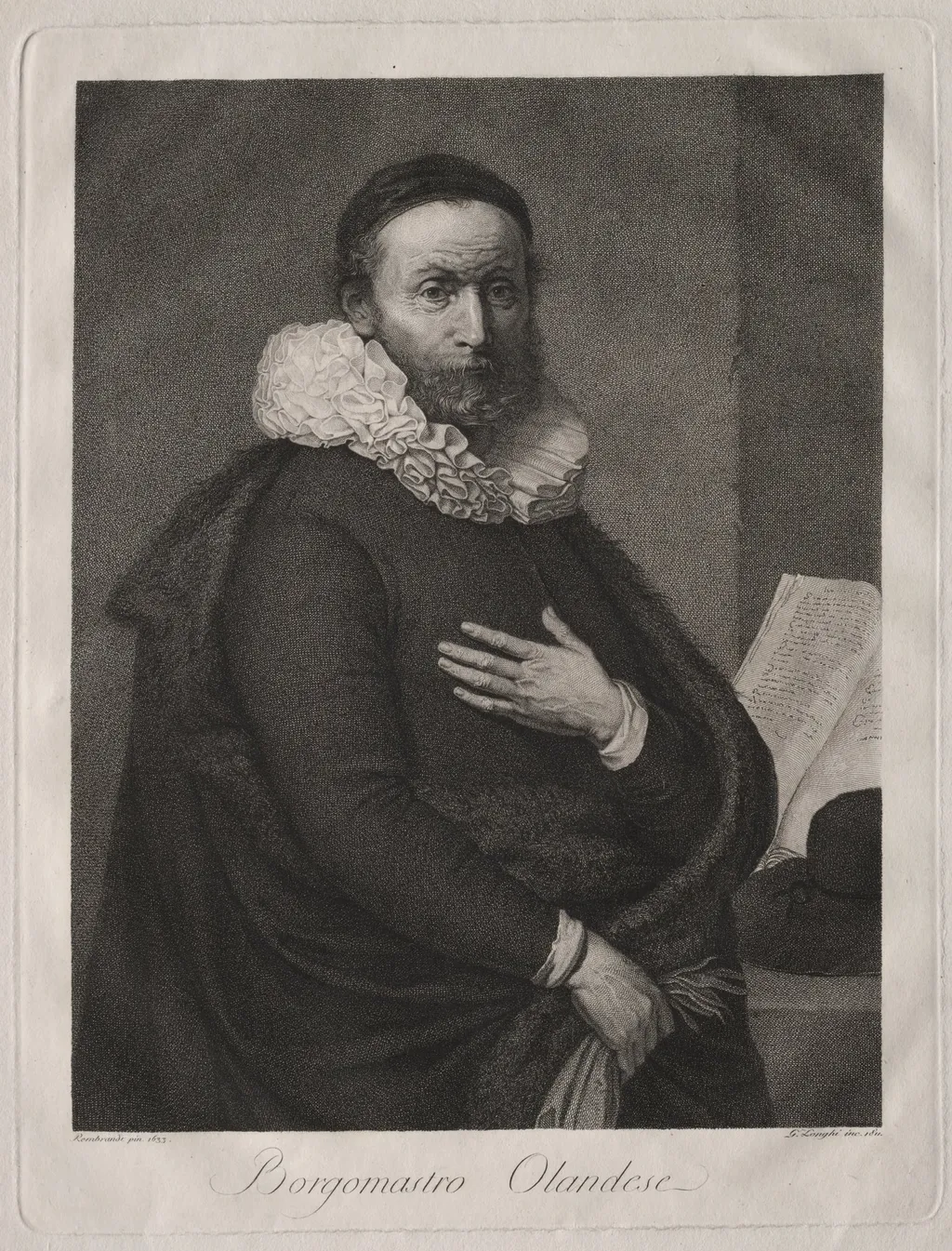
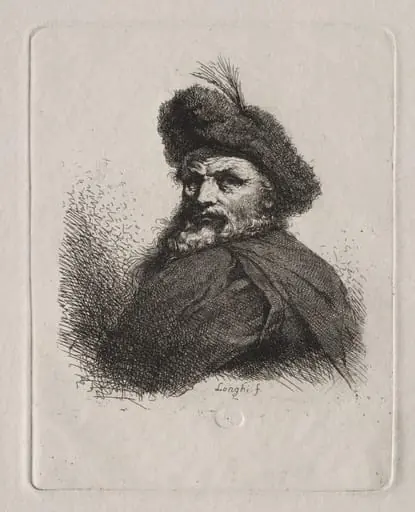
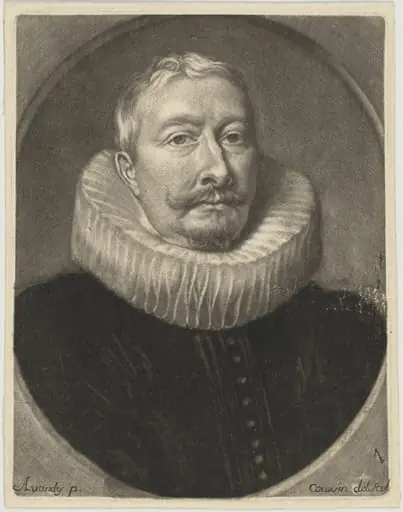
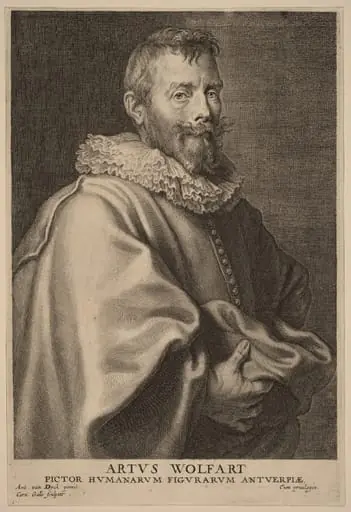
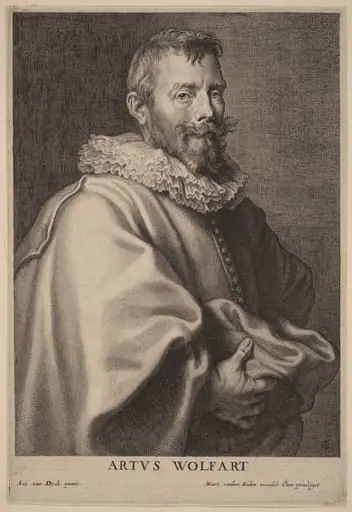
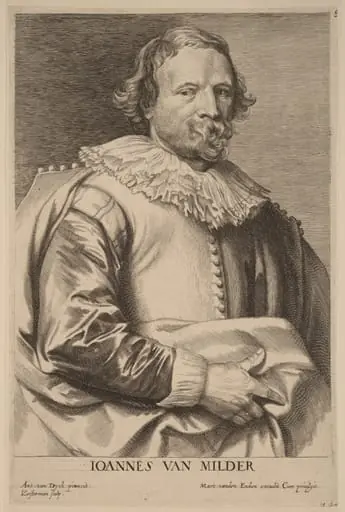
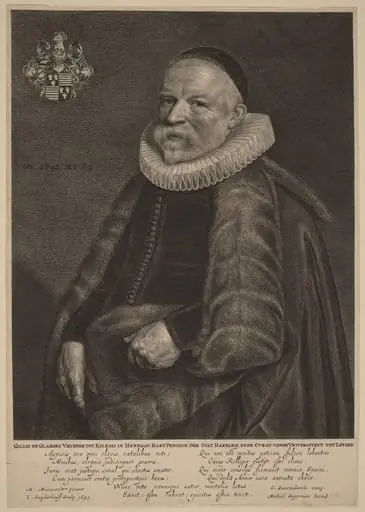
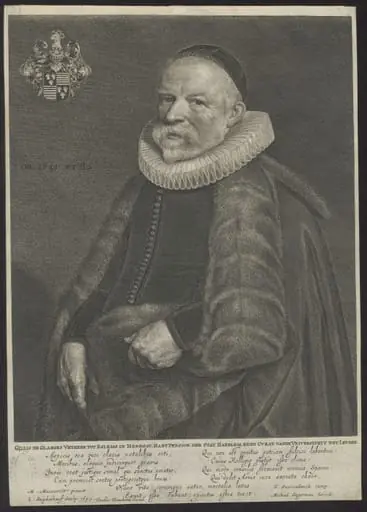
The Dutch Burgomaster is a print by the Romanticist artist Giuseppe Longhi. It dates from 1811 and is held in the collection of the Cleveland Museum of Art.
About this work
Overview
Longhi, trained in Milan and active in the Neo-Classical tradition, employed precise line work to render the subject with quiet authority.
Created in 1811 by Italian engraver Giuseppe Longhi, *The Dutch Burgomaster* is a black-and-white print that captures a dignified male figure in classical attire. Longhi, trained in Milan and active in the Neo-Classical tradition, employed precise line work to render the subject with quiet authority. The print is part of the Cleveland Museum of Art’s collection, reflecting 19th-century European interest in portraiture that blended realism with idealized form.
Subject & Meaning
The figure is portrayed as a Dutch civic official, suggested by his formal coat and the title inscribed beneath. His posture—hand resting on the chest, the other holding an open book of sheet music—hints at a cultivated identity, bridging public duty and private artistic sensibility. The inclusion of music implies intellectual refinement, challenging narrow associations of burgher status with commerce alone.
Technique & Style
Longhi used fine engraving lines to model the face and fabric with subtle gradations of tone, employing chiaroscuro to isolate the subject against a deep shadow. The soft contrast enhances the three-dimensionality of the features without overt dramatization. The meticulous rendering of the collar, beard, and book pages reflects his training in both painting and printmaking, prioritizing clarity and restraint over ornament.
History & Provenance
Giuseppe Longhi, born in Monza in 1776, worked primarily in Milan as an engraver and painter during the early 19th century. *The Dutch Burgomaster* was produced during a period when Italian artists frequently engaged with Northern European subjects, often reinterpreting them through a classical lens. The print entered the Cleveland Museum of Art’s collection in the 20th century, where it remains as an example of transnational artistic exchange.
Context
In the early 1800s, European printmakers often depicted foreign dignitaries to satisfy an appetite for cultural curiosity and idealized civic virtue. Longhi’s subject, though labeled Dutch, likely reflects a generalized archetype rather than a specific individual. The Neo-Classical emphasis on moral character and rational poise shaped how such figures were rendered, aligning portraiture with Enlightenment ideals of civic responsibility.
Legacy
Longhi’s print contributes to a broader tradition of engraved portraiture that elevated everyday elites through formal composition. While not widely reproduced, it exemplifies how Italian engravers adapted Northern European themes to suit domestic aesthetic values. Its preservation in a major American museum underscores its role as a quiet artifact of cross-cultural artistic dialogue in the post-Napoleonic era.
Artist & collection
Artist
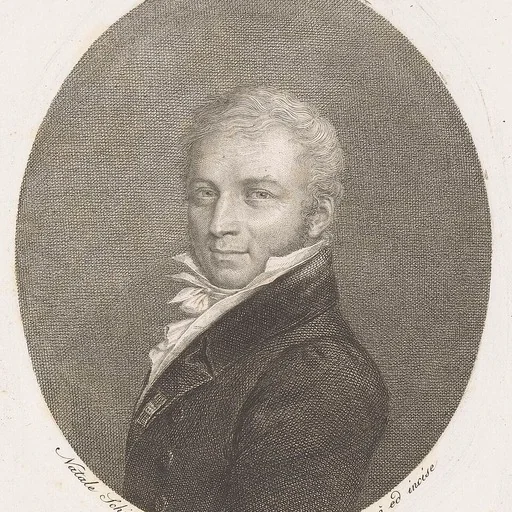
Giuseppe Maria Longhi (13 October 1766, Monza – 2 January 1831, Milan) was an Italian painter and engraver, in the Neo-Classical style.