Artwork
Portrait of Dirck Jansz. Pesser
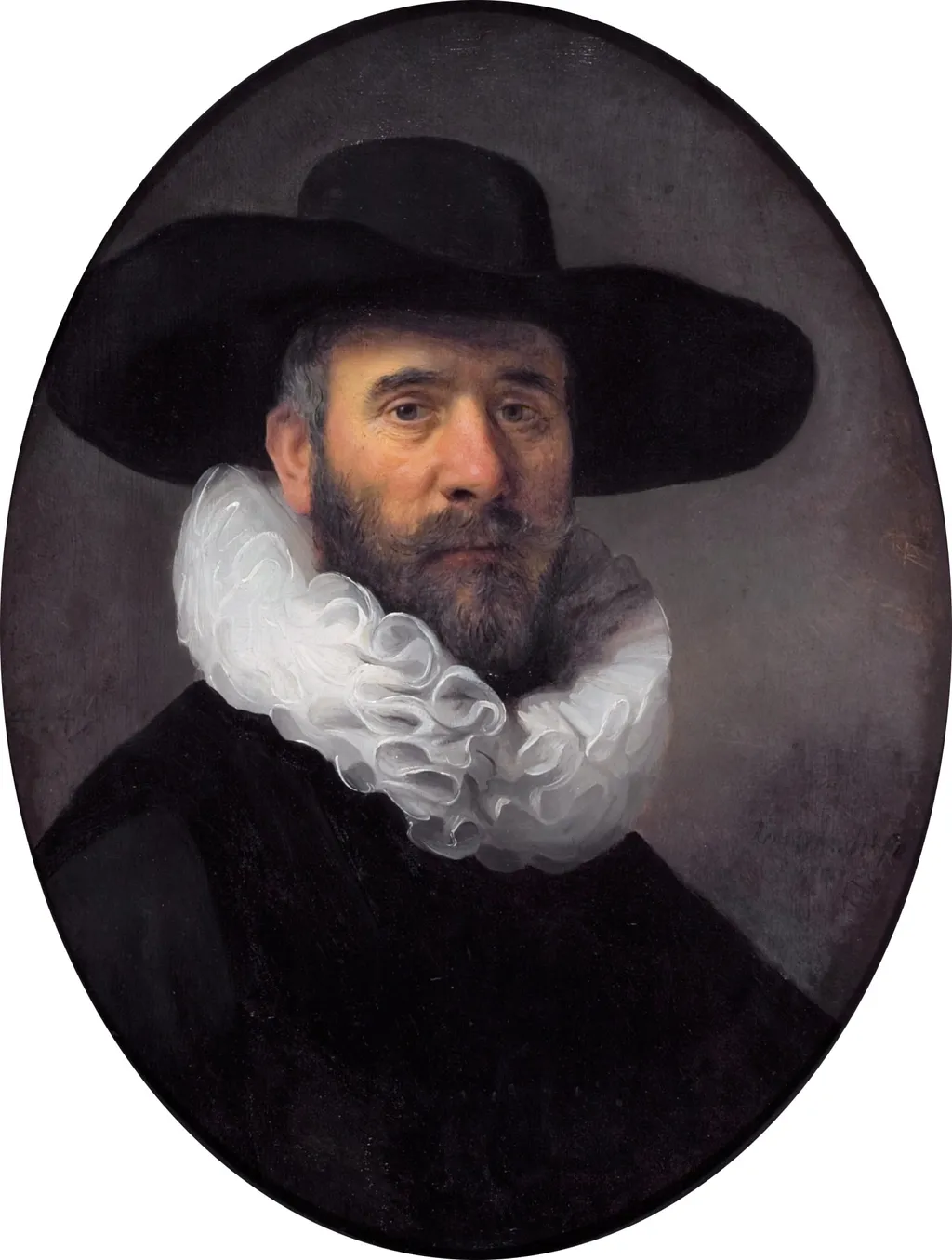
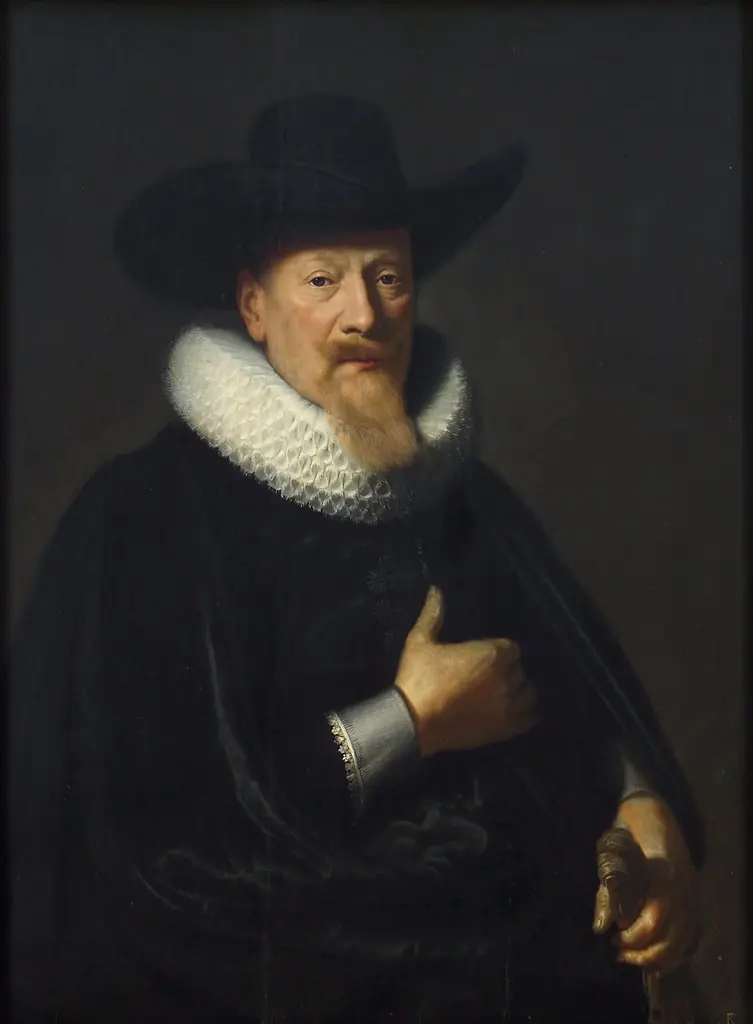
Portrait of Dirck Jansz. Pesser is an oil painting by Rembrandt. It dates from 1634 and is held in the collection of the Führermuseum. Painted in 1634, this oil-on-canvas portrait captures Dirck Jansz.
About this work
Overview
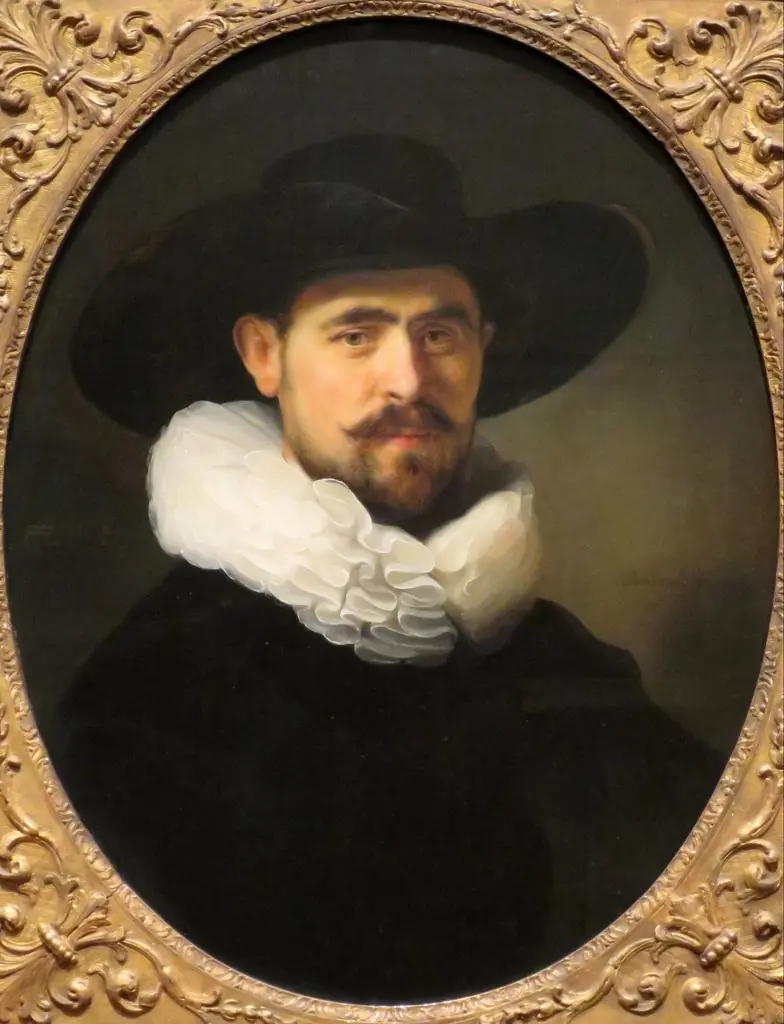
Painted in 1634, this oil-on-canvas portrait captures Dirck Jansz. Pesser, a Dutch citizen of Amsterdam, rendered in mid-life. Executed by Rembrandt van Rijn during his early professional peak, the work exemplifies his growing mastery in conveying psychological depth through subtle lighting and restrained composition. It is now part of the Los Angeles County Museum of Art’s permanent collection.
Subject & Meaning
Dirck Pesser, a local merchant, is portrayed not as a figure of public prominence but as a private individual. His neutral expression and faint, unassuming smile suggest introspection rather than performative dignity. The absence of symbolic objects or elaborate setting shifts focus to his presence, inviting quiet engagement with his demeanor rather than his status.
Technique & Style
Rembrandt employed layered oil glazes to model the face with soft transitions between light and shadow, particularly around the eyes and cheekbones. The dark clothing contrasts with the luminous ruffle of the collar, drawing attention to the subject’s face. The muted gray background recedes gently, enhancing the three-dimensionality of the figure without distraction.
History & Provenance
The painting remained in private Dutch collections until the 20th century, passing through several hands before entering LACMA’s holdings. Its attribution to Rembrandt has been consistently supported by stylistic analysis and technical examination, with no significant scholarly dispute over its authorship since its early documentation.
Context
Created during Amsterdam’s economic and cultural flourishing, the portrait reflects a shift in portraiture toward intimate, psychologically nuanced depictions of non-noble subjects. Unlike formal civic portraits, this work emphasizes individual character over social rank, aligning with broader trends among Dutch artists of the period.
Legacy
The portrait stands as a quiet example of Rembrandt’s ability to convey humanity through understated means. It influenced later generations of portraitists who valued emotional authenticity over grandeur. Though not among his most famous works, it remains a refined study in presence and restraint.
Artist & collection
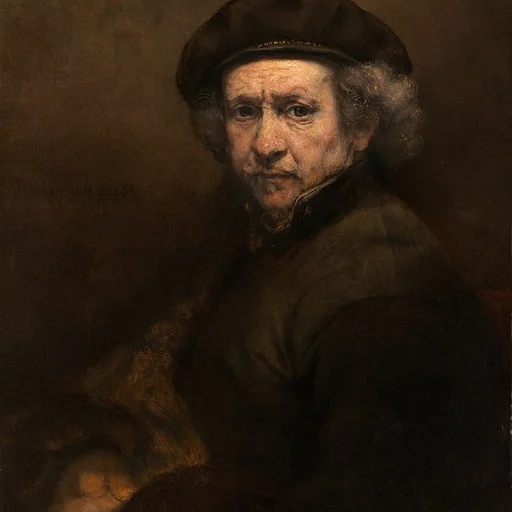
Artist
Rembrandt Harmenszoon van Rijn (15 July 1606 – 4 October 1669), known mononymously as Rembrandt, was a Dutch Golden Age painter, printmaker, and draughtsman.
 The Burgomaster
 Portrait of a Bearded Man in a Wide-Brimmed Hat, probably Pieter Seijen (1592-1652)
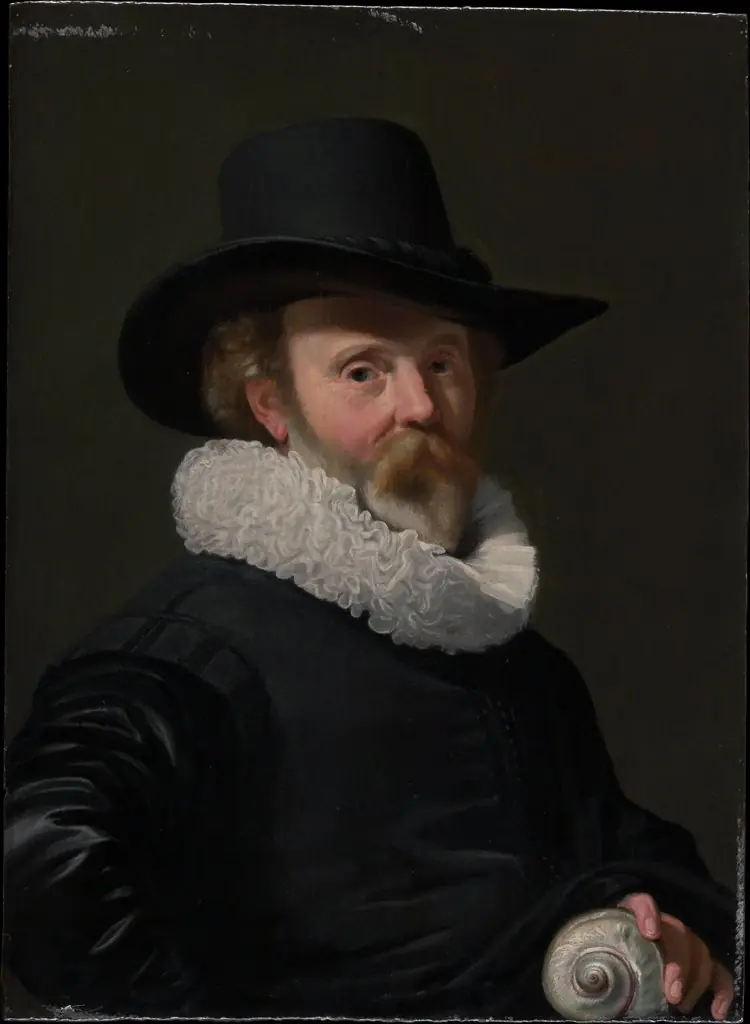 Portrait of a Man with a Shell
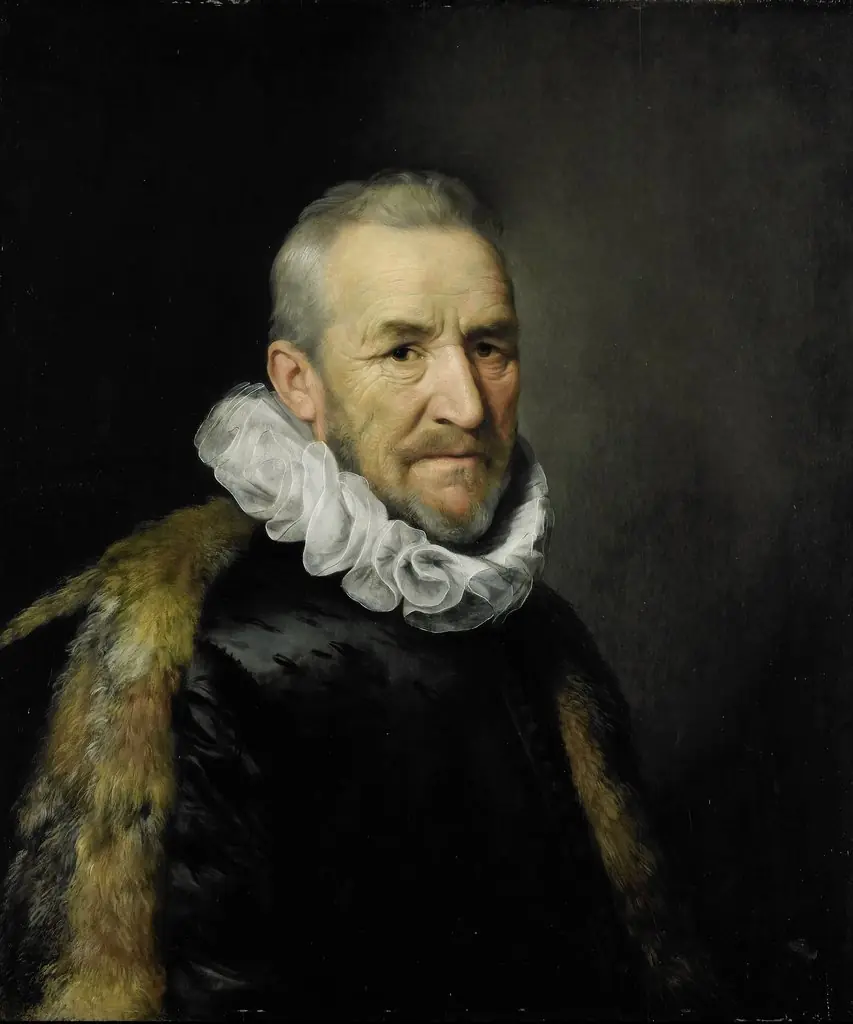 Portrait of a man formerly identified as Johan van Oldenbarnevelt (1547-1619)
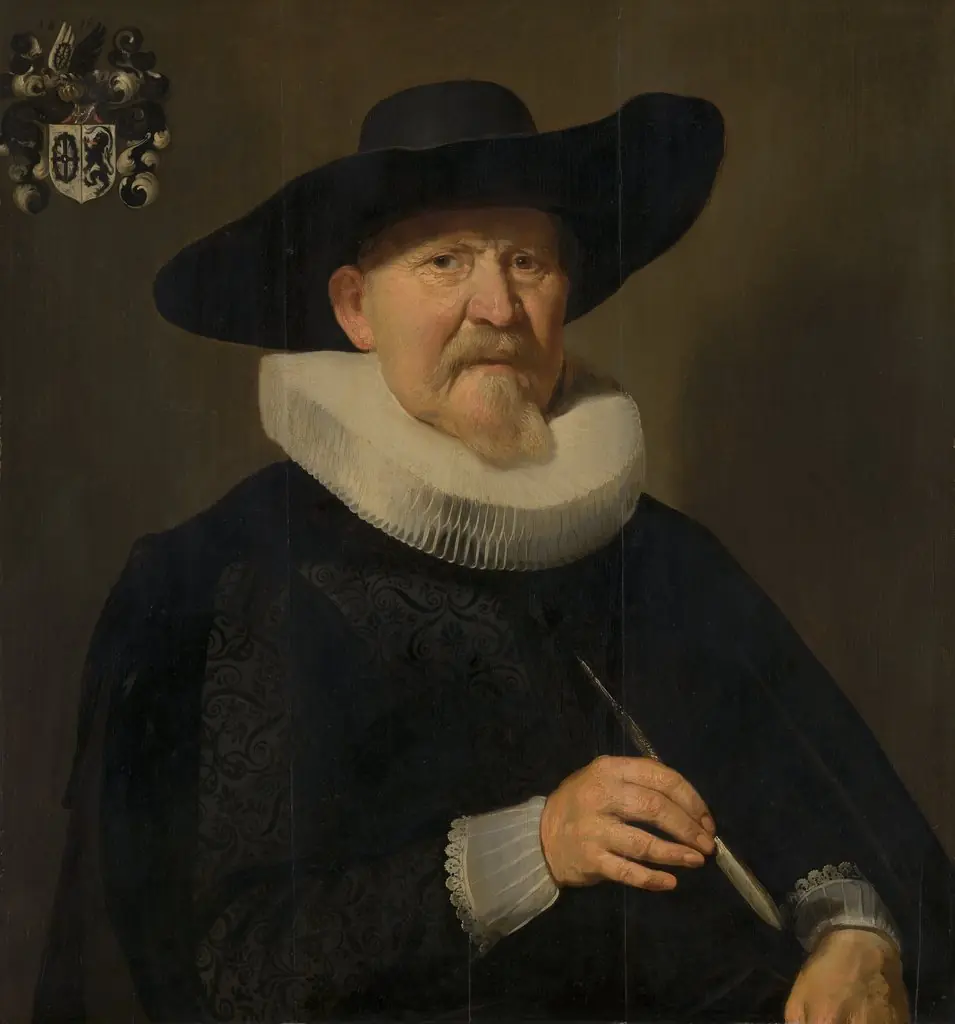 Portrait of a Man, probably Hans van Hogendorp
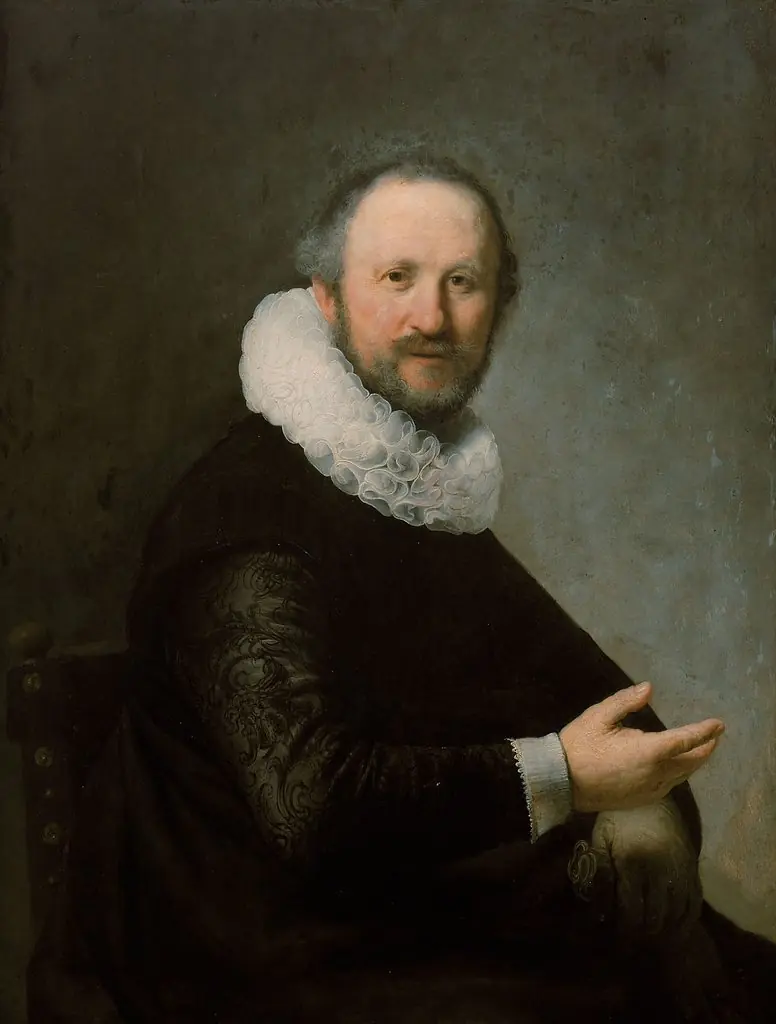 Portrait of a Man Seated
 Casanova del Monte Turris, Bürgermeister von Prag
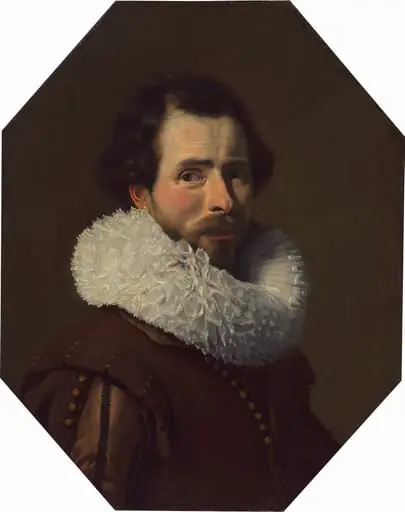 Portrait of a Gentleman Wearing a Fancy Ruff