Artwork
Julius Sigerus, copil
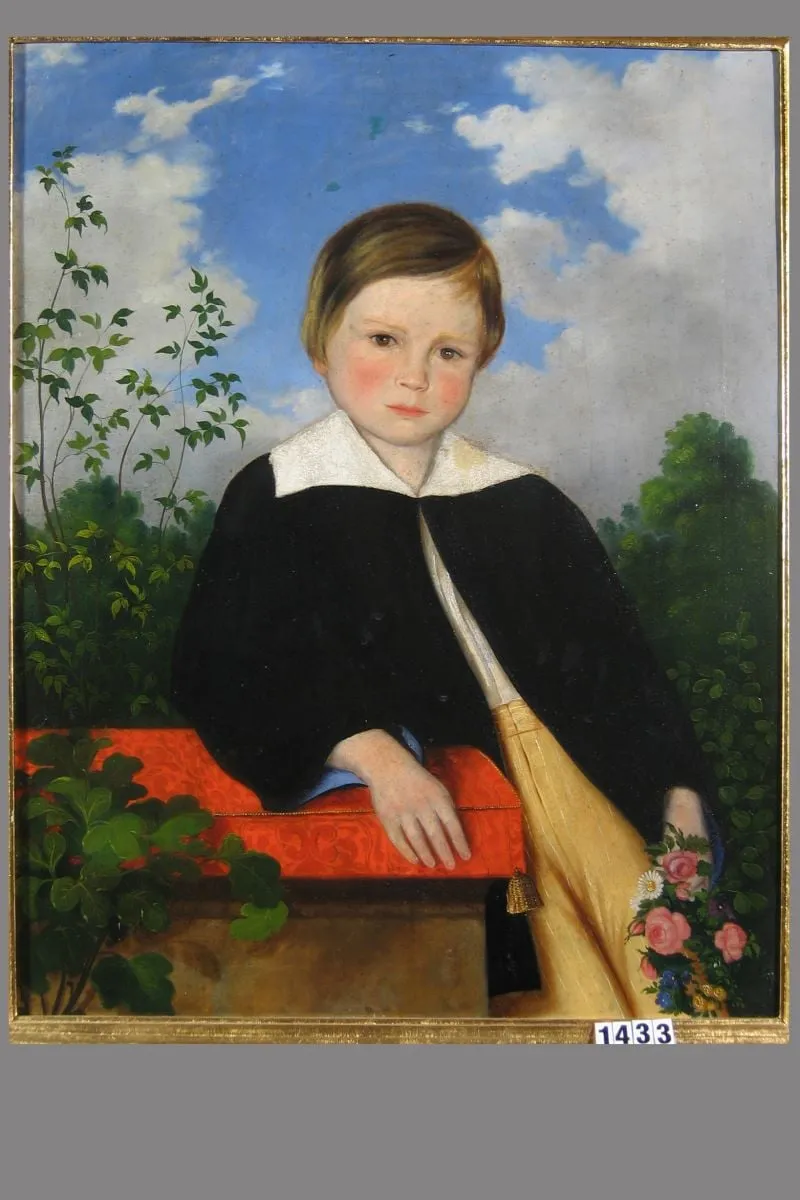
Julius Sigerus, copil is an unspecified painting by Henric Trenk. It is held in the collection of the Brukenthal National Museum. This portrait depicts Julius Sigerus, a young boy, rendered in oil on panel.
About this work
Overview
This portrait depicts Julius Sigerus, a young boy, rendered in oil on panel. The composition centers him on a red bench, framed by verdant foliage and a soft, cloud-dappled sky. His attire—a black jacket, white collar, and yellow sash—hints at bourgeois status, while the calm setting suggests a private, intimate moment rather than a public display.
Subject & Meaning
Julius Sigerus is portrayed not as a noble heir but as a child of modest gentry, his stillness and direct gaze conveying quiet dignity. The absence of symbolic objects or elaborate props shifts focus to his presence alone, emphasizing personal identity over social status. The natural backdrop may reflect contemporary ideals of innocence and harmony with nature.
Technique & Style
The artist employs subtle chiaroscuro to model the boy’s face and clothing, lending volume without dramatic contrast. Colors are restrained yet deliberate: the yellow sash draws the eye without overwhelming, while the greenery and sky create a tonal harmony. Brushwork is precise but not overly refined, suggesting a focus on naturalism over ornamentation.
History & Provenance
The painting’s origins trace to the Dutch Republic in the early 17th century, likely commissioned by the Sigerus family. Its survival through centuries implies careful ownership, though its early provenance remains undocumented. It entered institutional collection in the late 19th century, where it has been preserved without significant alteration.
Context
During this period, portraiture of children became increasingly common among urban elites, reflecting shifting attitudes toward childhood as a distinct, valued phase of life. Unlike formal royal portraits, these works favored quiet realism, often set in gardens or domestic interiors, aligning with Protestant cultural values of modesty and introspection.
Legacy
The painting contributes to a broader genre of Dutch child portraiture that prioritized authenticity over idealization. Though not widely known today, it exemplifies how regional artists captured individual character through restrained composition and naturalistic detail, influencing later generations of Northern European painters.
Artist & collection
Artist
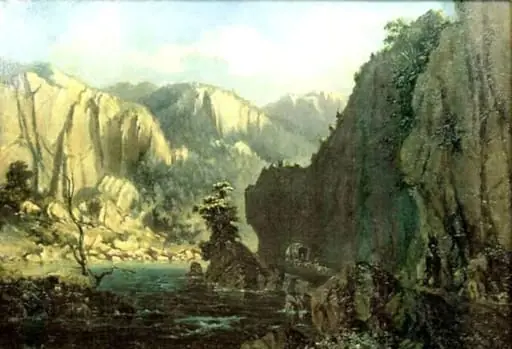
A 19th-century painter from Romania, Henric Trenk captured local life and mountain landscapes in oil.


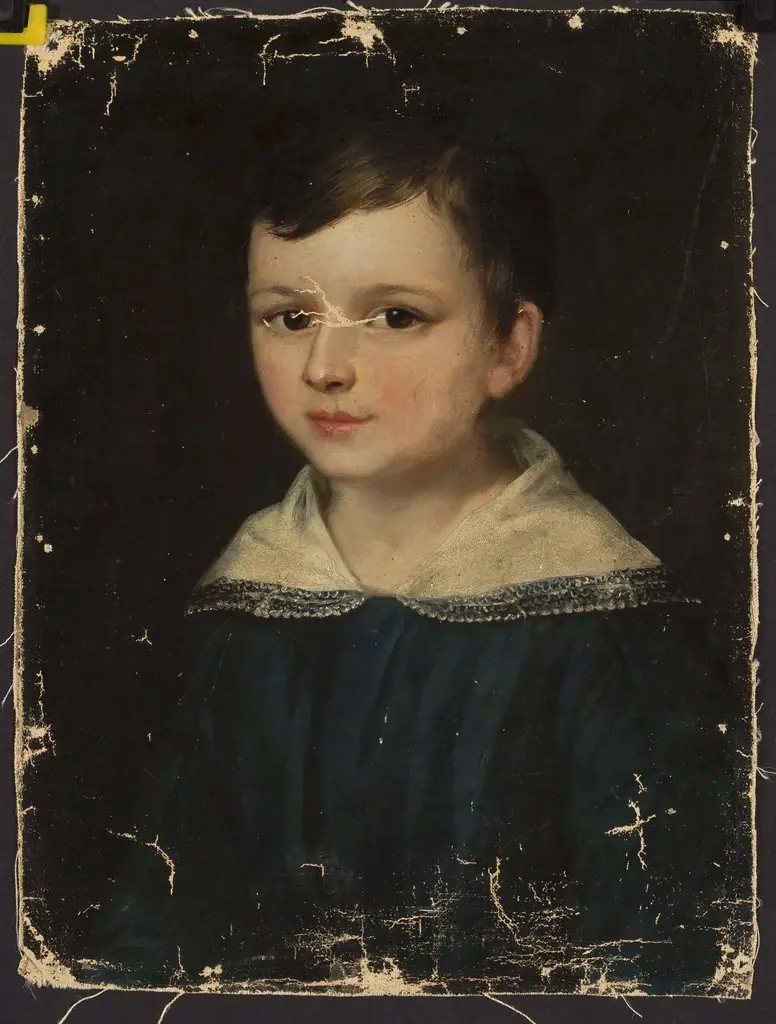 Portrait of Oktawian Szukiewicz as a child
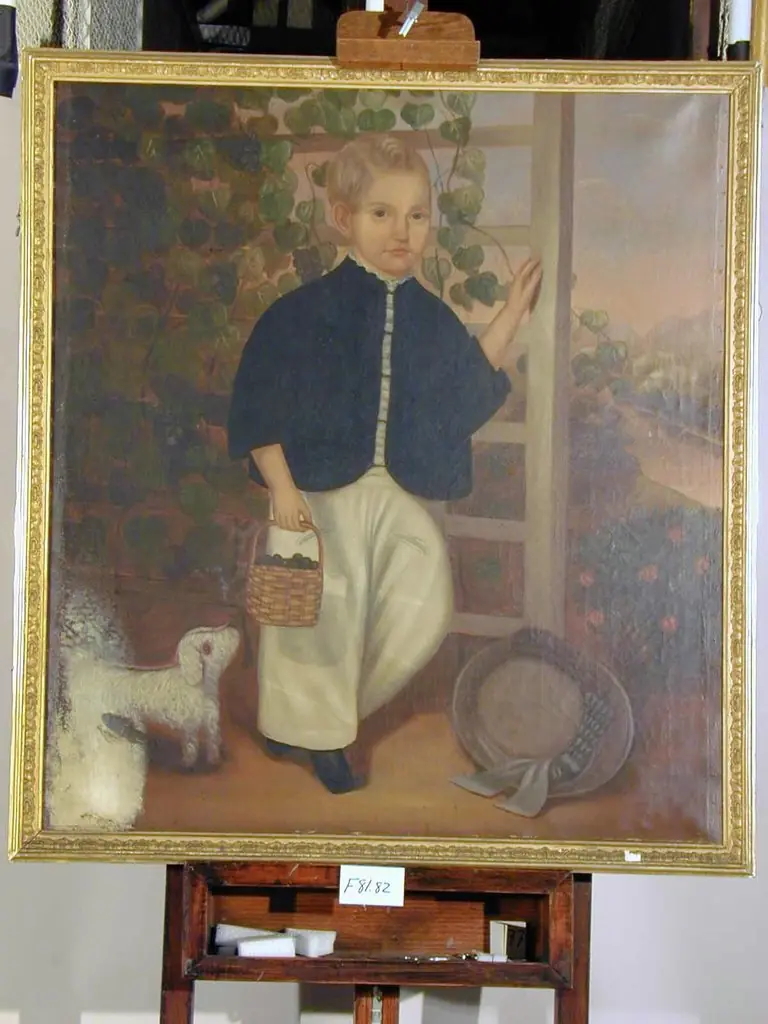 Boy with Dog
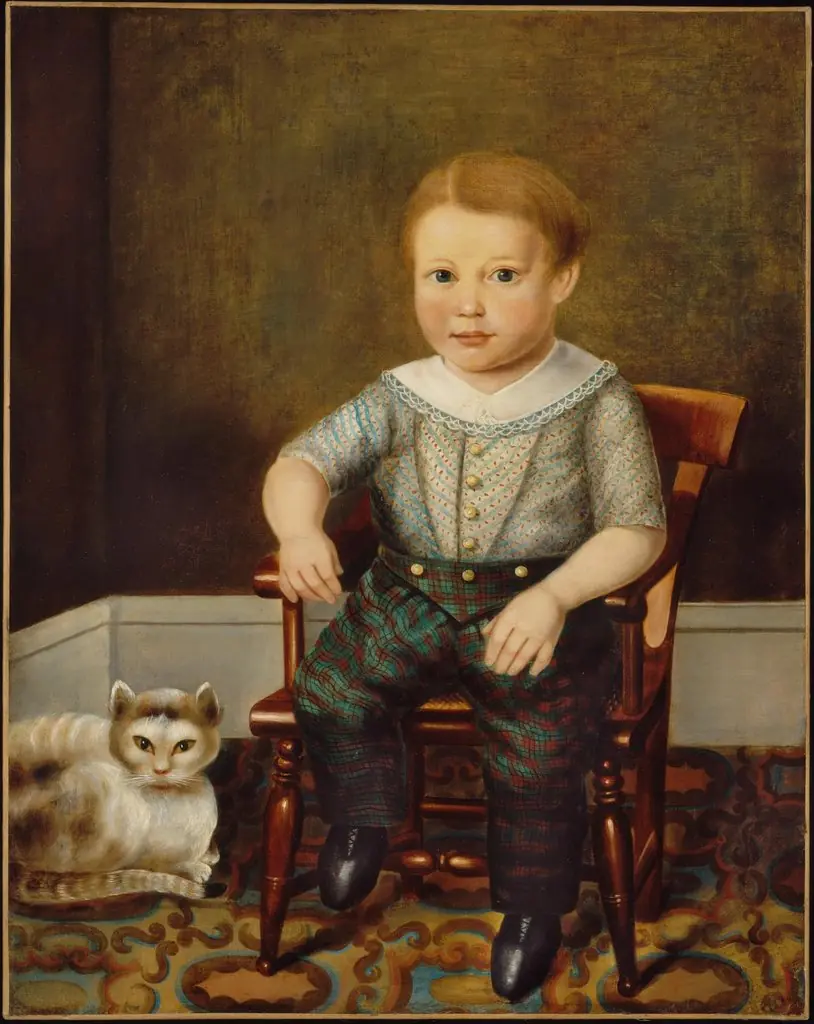 Boy with a Cat
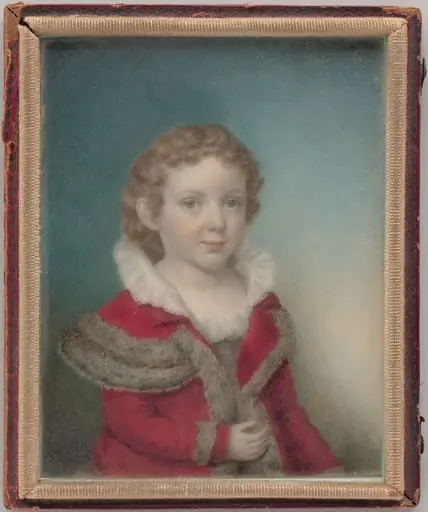 Edward Blake Parkman
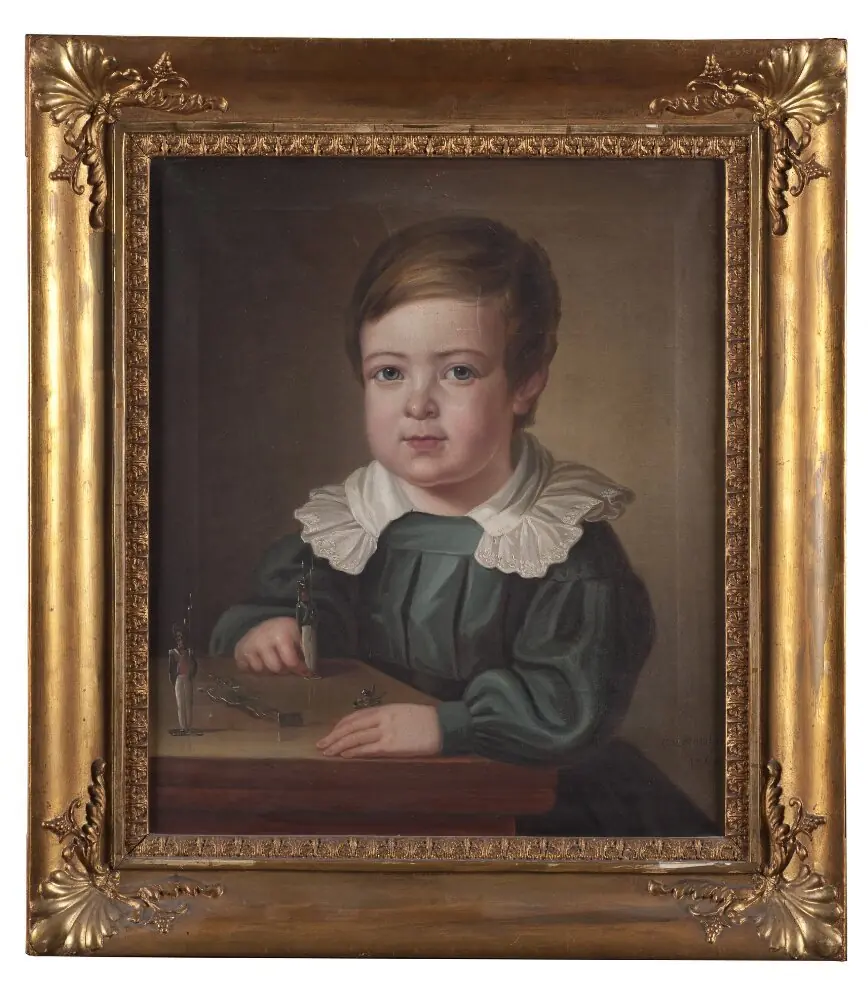 Carl Bror Munck af Fulkila (1836-1905)
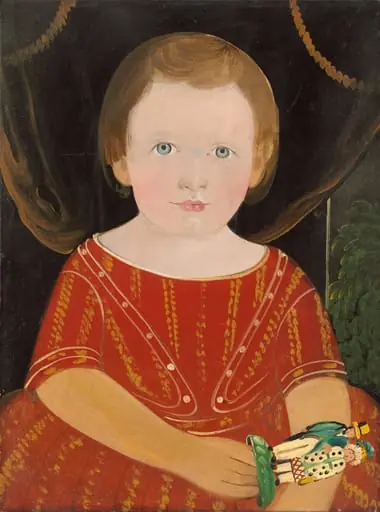 Master Cleeves
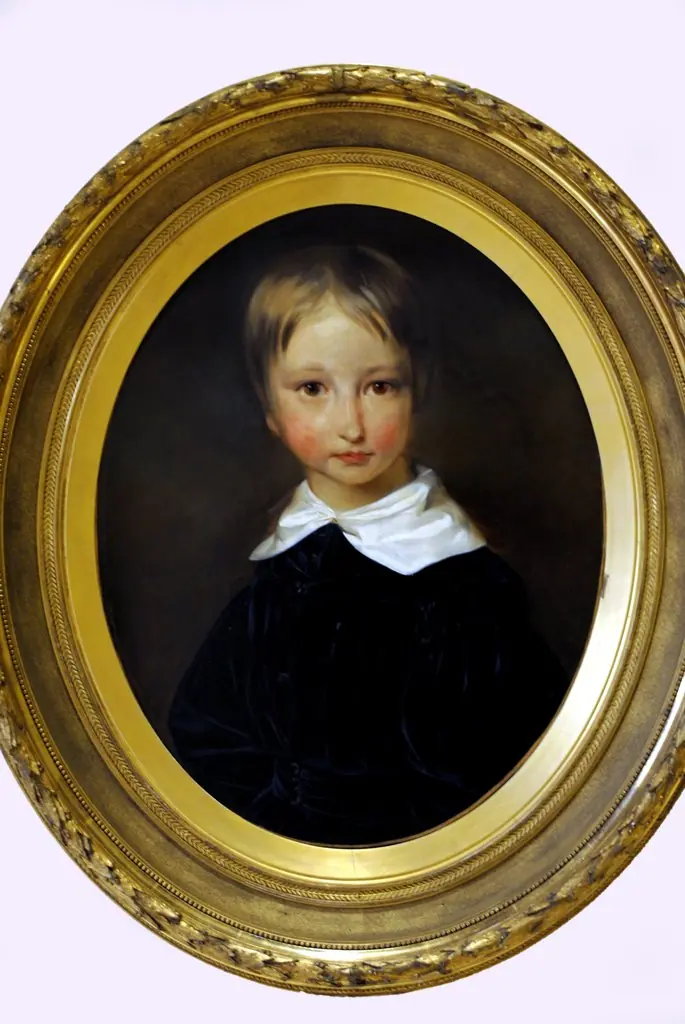 Portret van de jeugdige hertog van Brabant
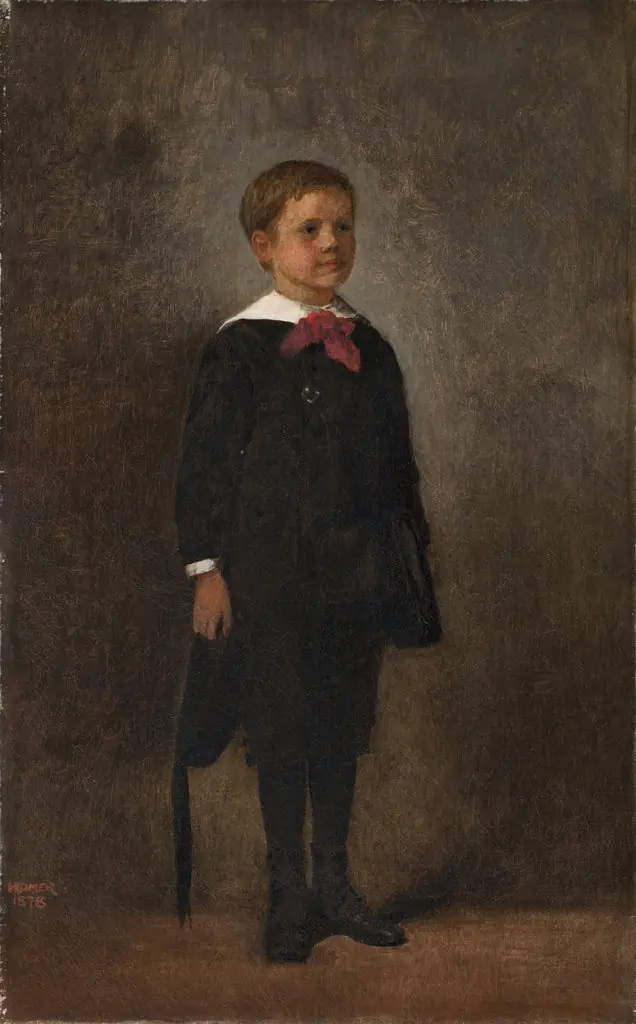 Charles Prentice Howland
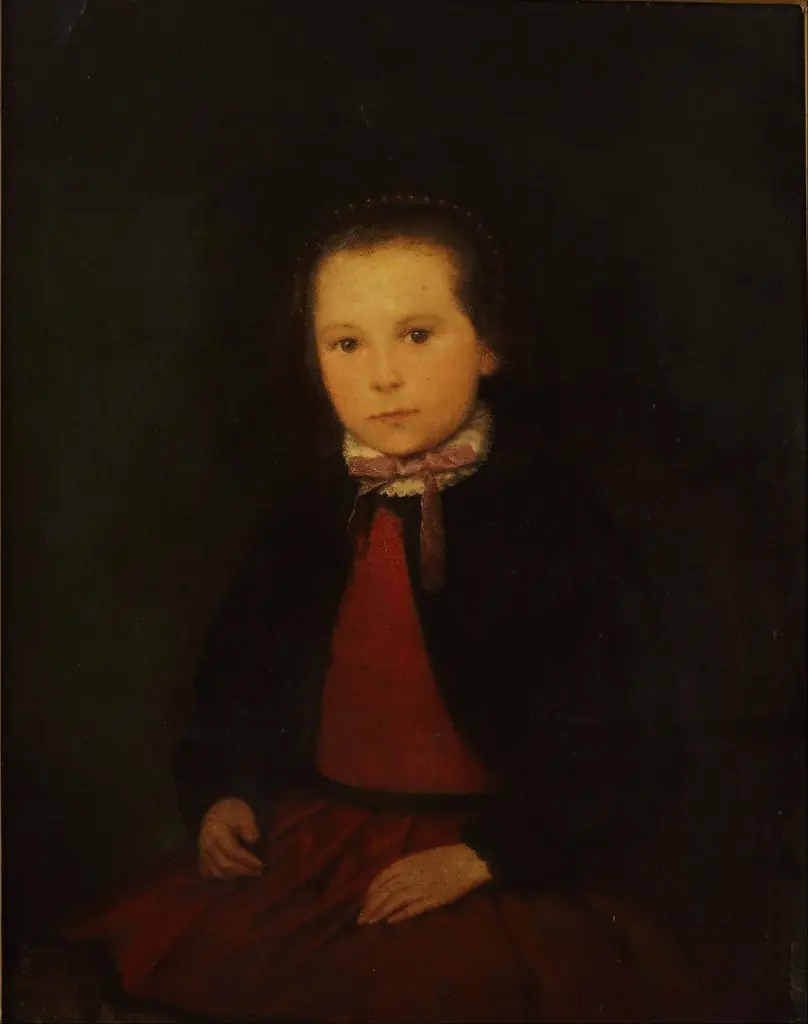 Retrato de la niña M.L.C.
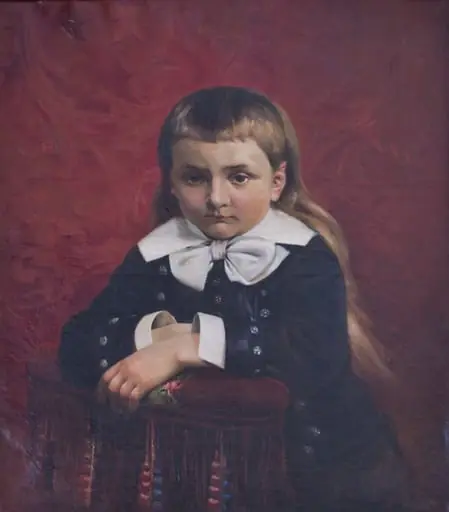 Profesorul George Capșa la vârsta de 8 ani
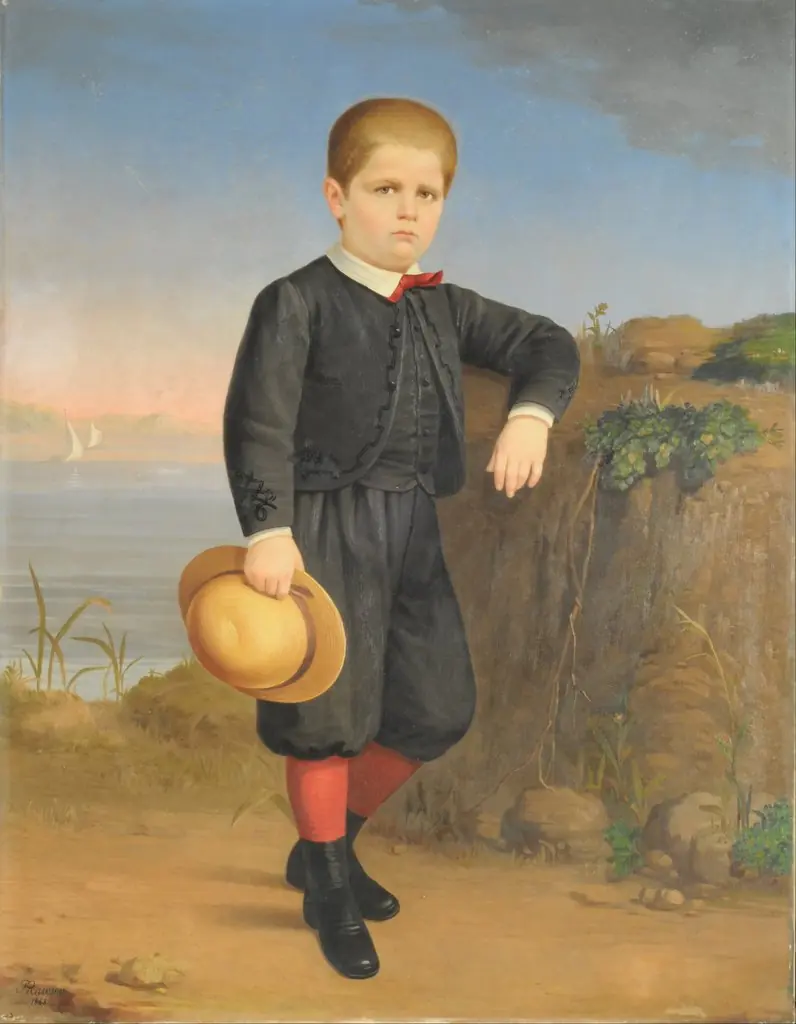 Portrait of Eduardo Lahitte Uribelarrea
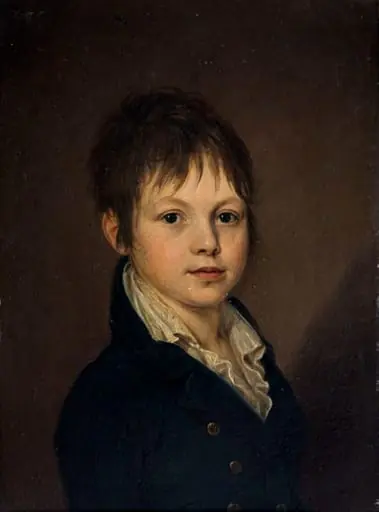 Copilul