Artwork
Ahvenanmaalainen talonpoikaismorsian
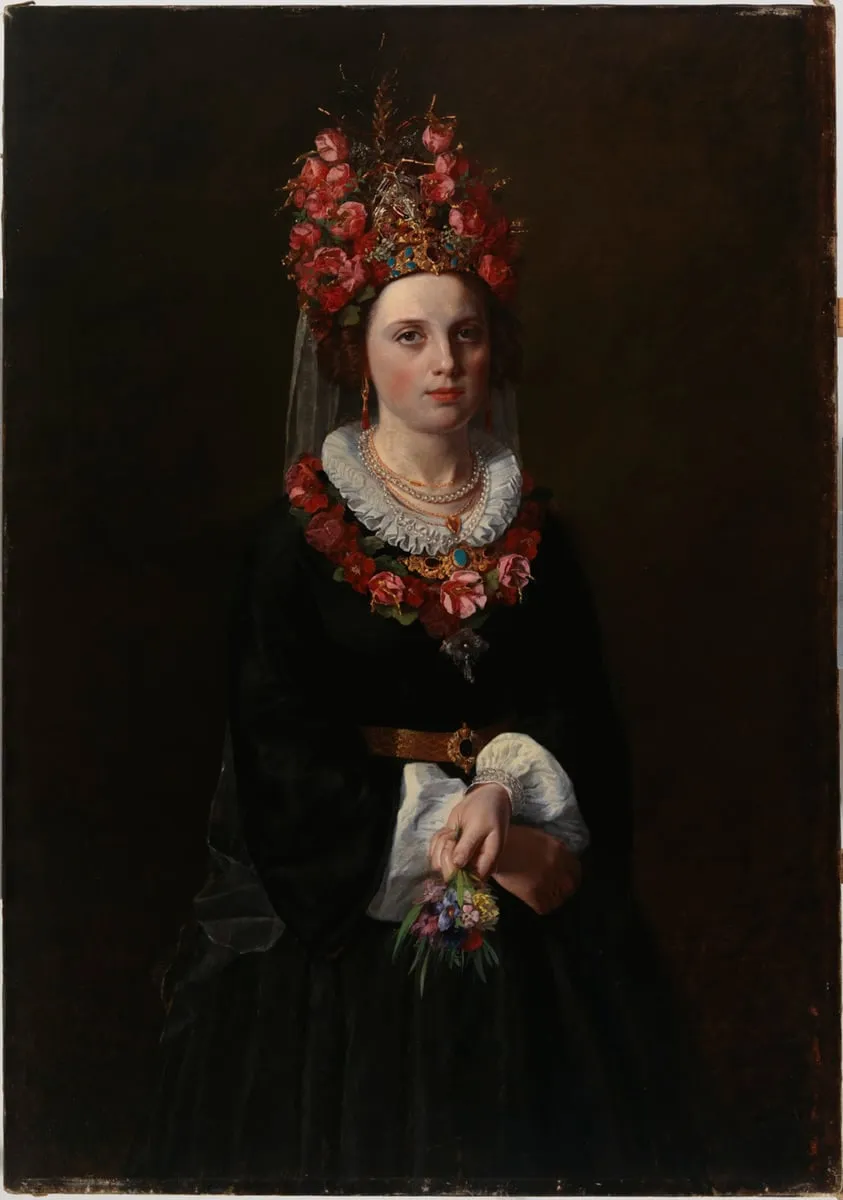
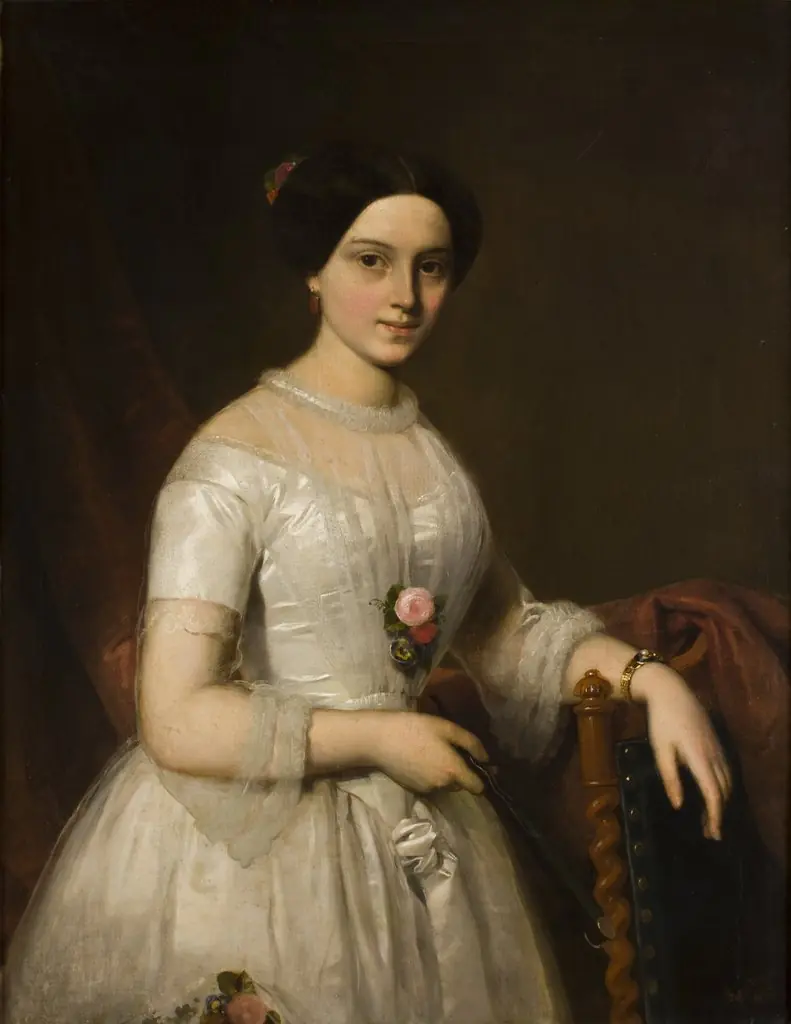
Ahvenanmaalainen talonpoikaismorsian is an unspecified painting by Karl Jansson. It is held in the collection of the Finnish National Gallery. This portrait depicts a young woman from Åland, dressed in traditional attire for a wedding.
About this work
Overview
This portrait depicts a young woman from Åland, dressed in traditional attire for a wedding. She stands against a deep, unbroken background that isolates her figure and draws attention to her detailed clothing and accessories. The composition emphasizes her solemn demeanor and the ceremonial nature of her attire, suggesting a moment of transition or ritual.
Subject & Meaning
The bouquet in her hand and the elaborate belt with a large buckle are elements of regional wedding customs.
The woman is portrayed as a bride, identified by her floral crown, veil, and ornate jewelry. The bouquet in her hand and the elaborate belt with a large buckle are elements of regional wedding customs. Her serious expression conveys gravity rather than joy, reflecting the cultural weight of marriage in 19th-century Åland society, where such rituals marked significant social and familial transitions.
Technique & Style
The artist employs chiaroscuro to model the figure with subtle gradations of light and shadow, giving volume to the fabric of her dress and the texture of her veil. The dark background enhances the contrast, making the white collar and floral crown appear luminous. Details in the jewelry and embroidery are rendered with precision, suggesting a focus on authenticity rather than idealization.
History & Provenance
The painting is attributed to Karl Jansson, an Åland-based artist active in the late 19th century. It likely originated as a commissioned portrait for a local family, documenting a wedding within the community. Its preservation reflects regional interest in recording folk traditions during a period of cultural change in the Nordic archipelago.
Context
In 19th-century Åland, traditional dress was still worn for important life events, even as modernization spread across Scandinavia. This portrait captures a moment when local customs were being preserved through visual art, offering insight into rural identity and the role of women in sustaining cultural practices through ceremonial dress and ritual.
Legacy
The painting remains a documented example of Åland’s folk portraiture tradition. It contributes to scholarly understanding of regional identity in the Nordic periphery and serves as a reference for the study of costume, gender roles, and artistic representation in isolated communities during the late 1800s.
Artist & collection
Artist
Karl Jansson painted scenes and people in a straightforward way, leaving a small but clear trail of work.

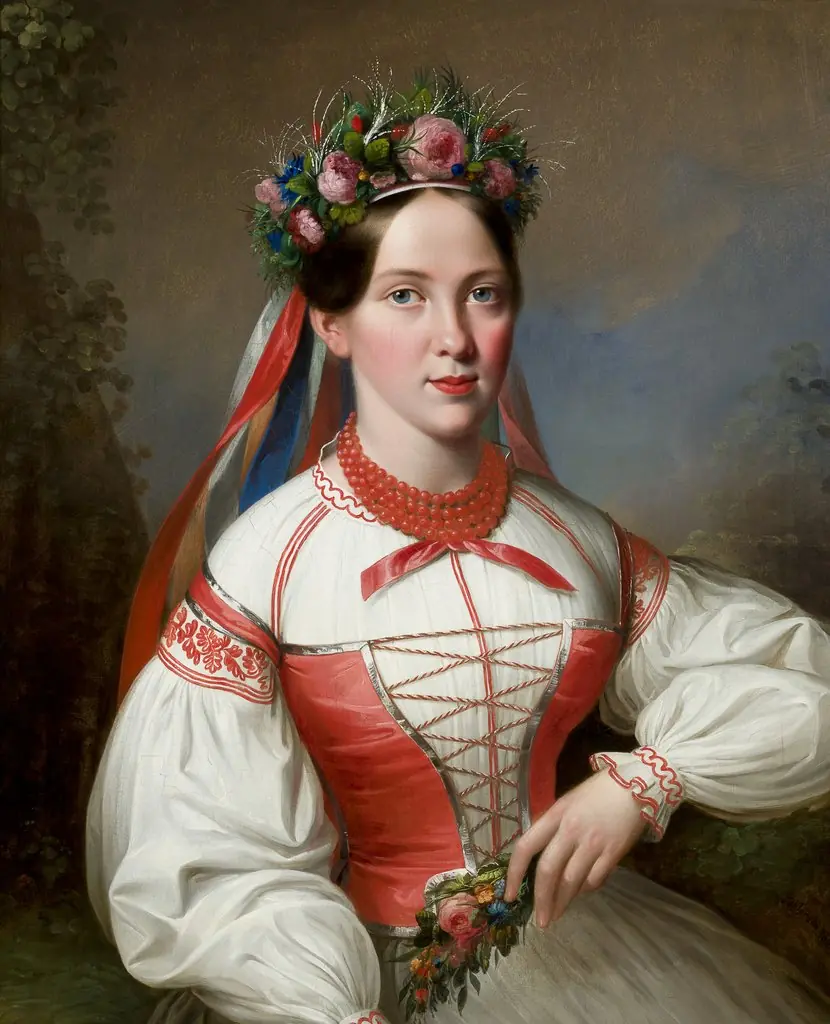 A Krakovian Woman
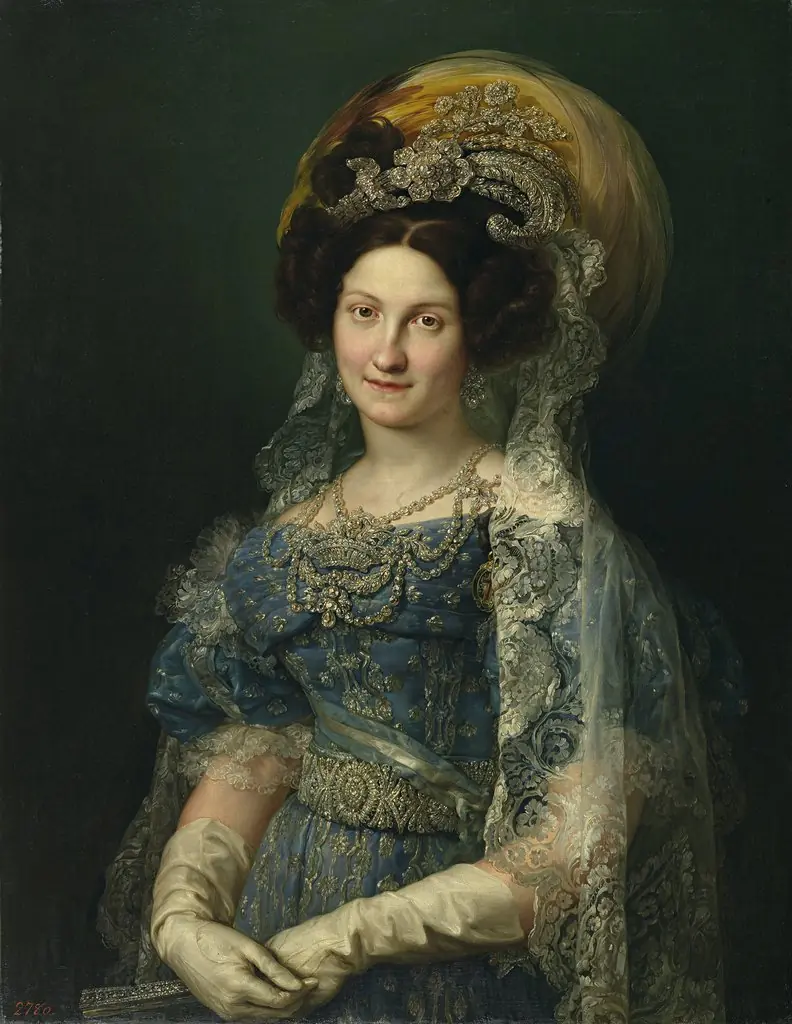 María Cristina de Borbon, Queen of Spain
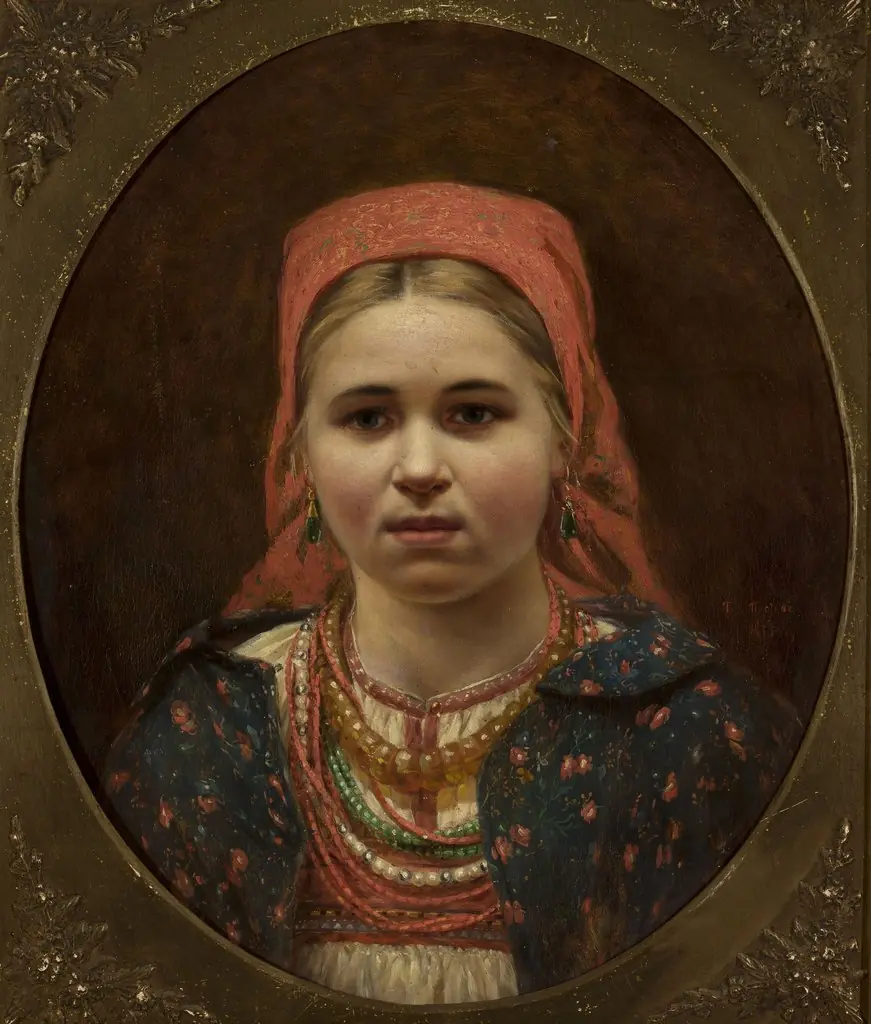 Portrait of a girl in a folk attire
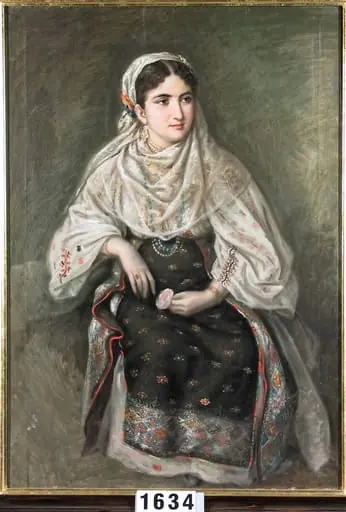 Portret de femeie din Câmpulung (Doamna Georgescu)
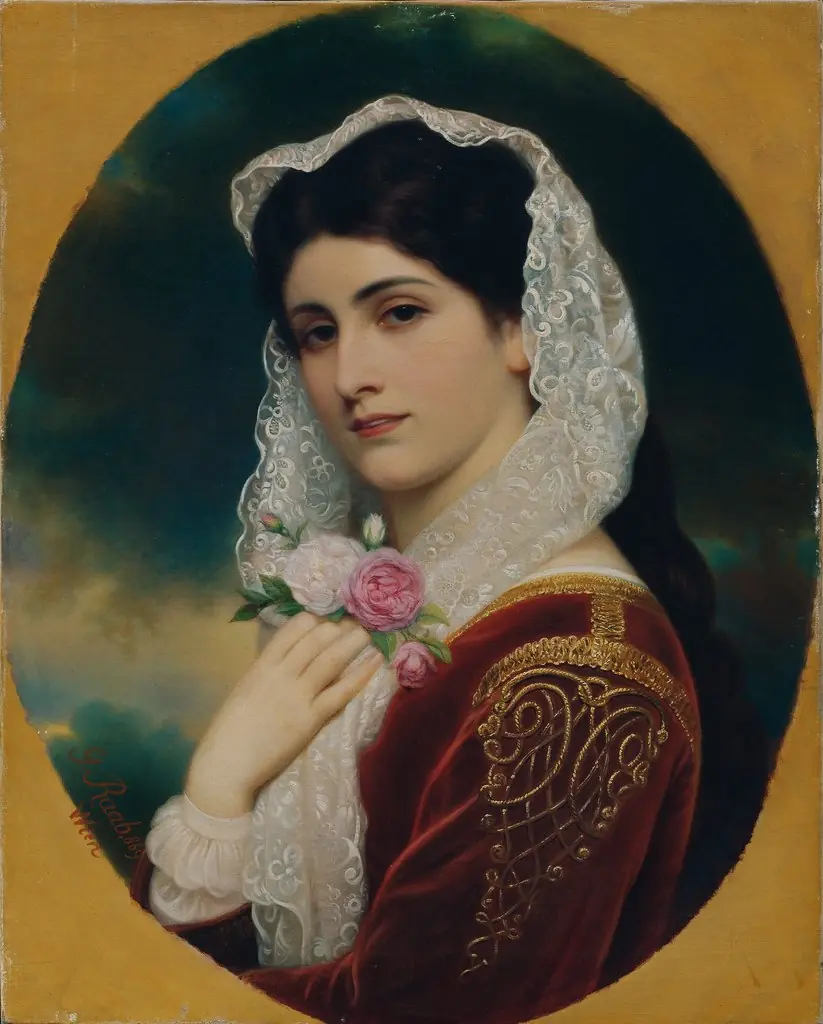 Weiblicher Studienkopf
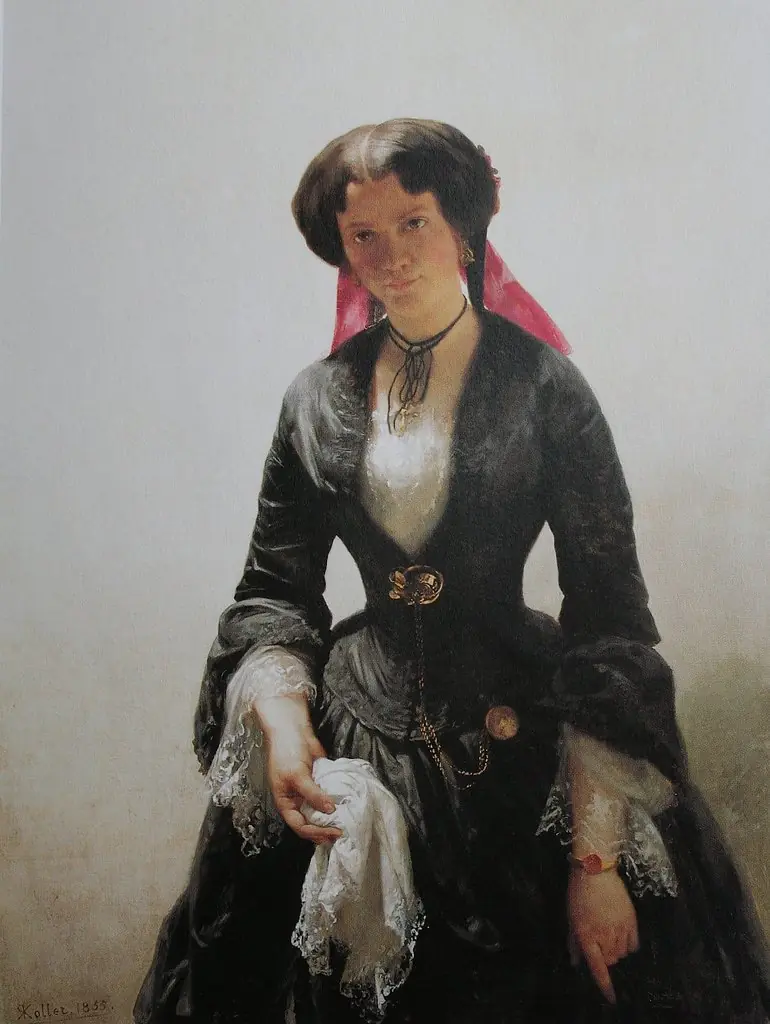 Bertha Schlatter, the Artist's Bride
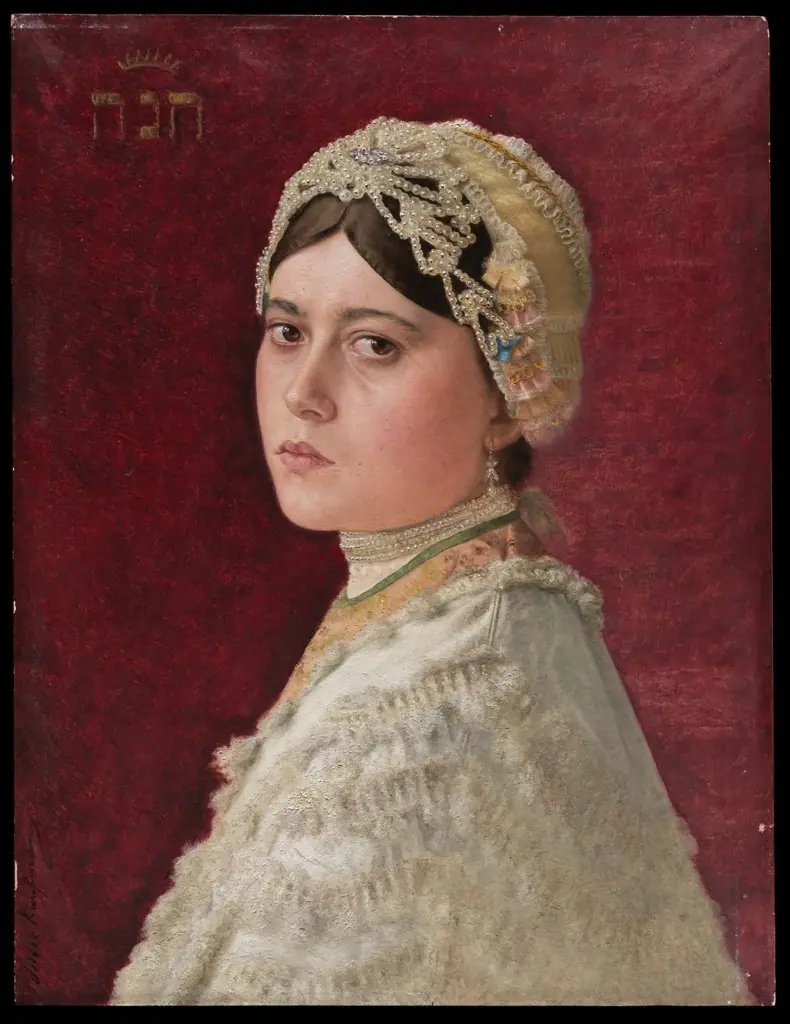 Hannah
 Portrait of Princess Anna Nikolayevna
 Isabel Aragón
 The Artist's Mother
 Theresa Soterius von Sachsenheim (în RI: Clara Soterus von Sachsenheim)
 Portrait of Józefa Jabłonowska née Piwocka