Artwork
Roomalaisia raunioita, harjoitelma
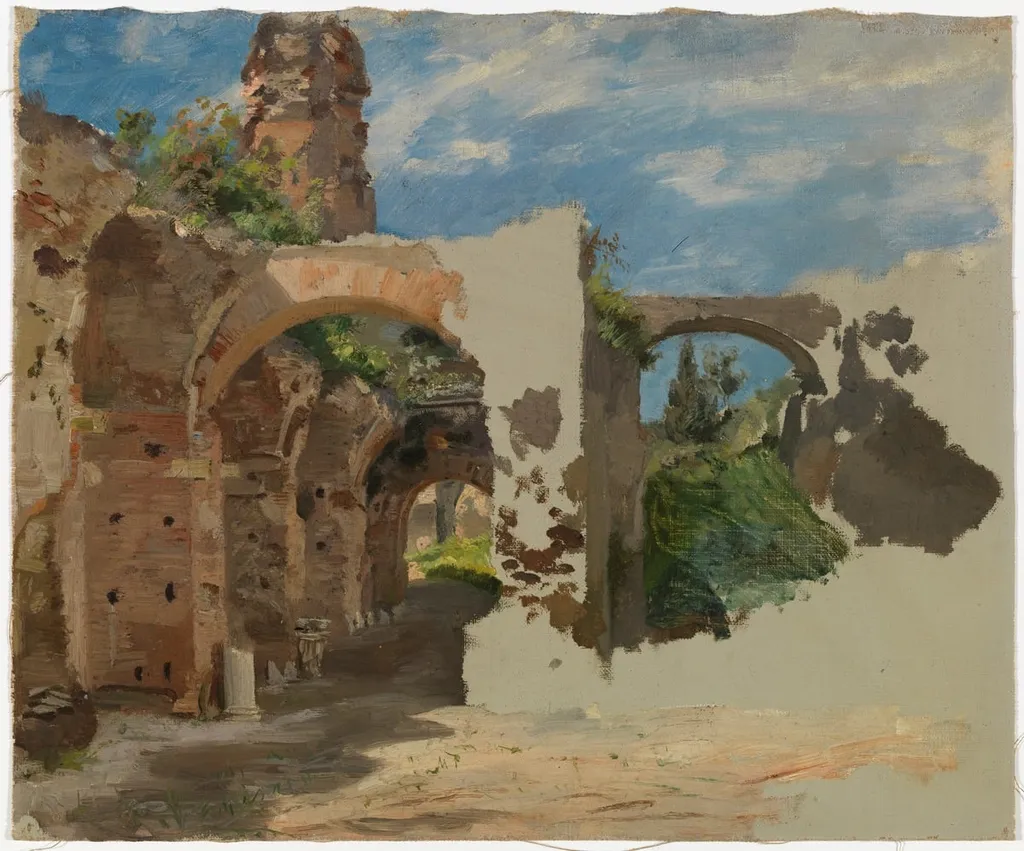
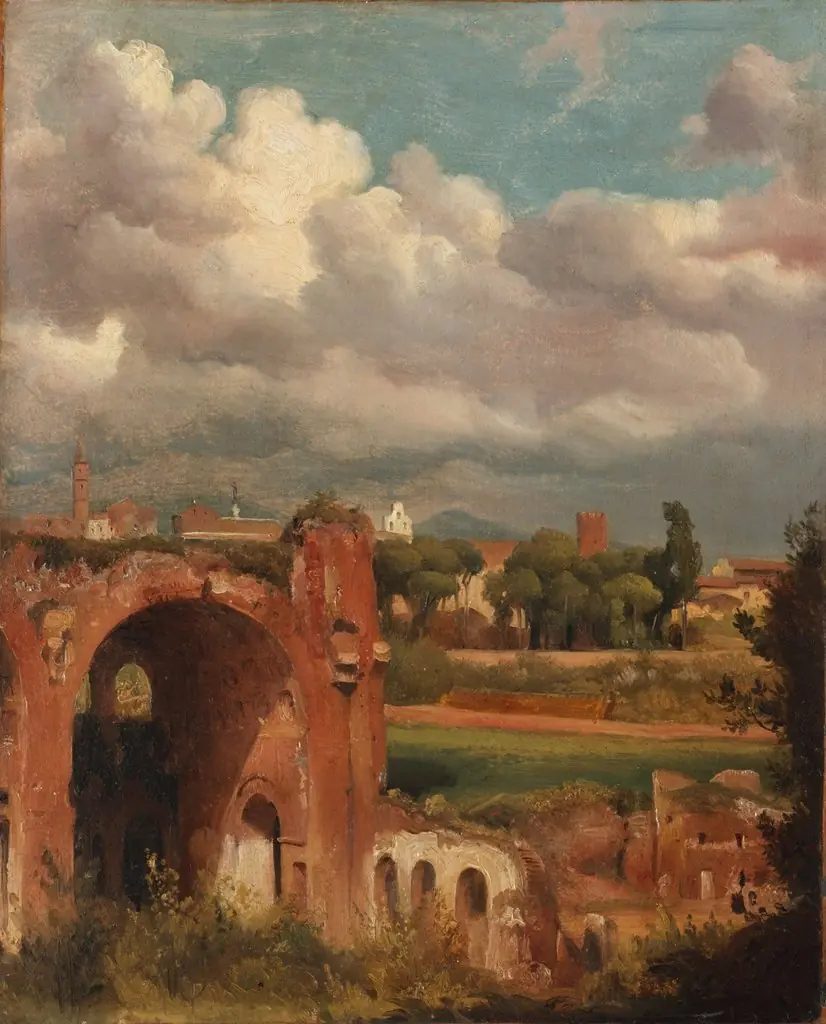
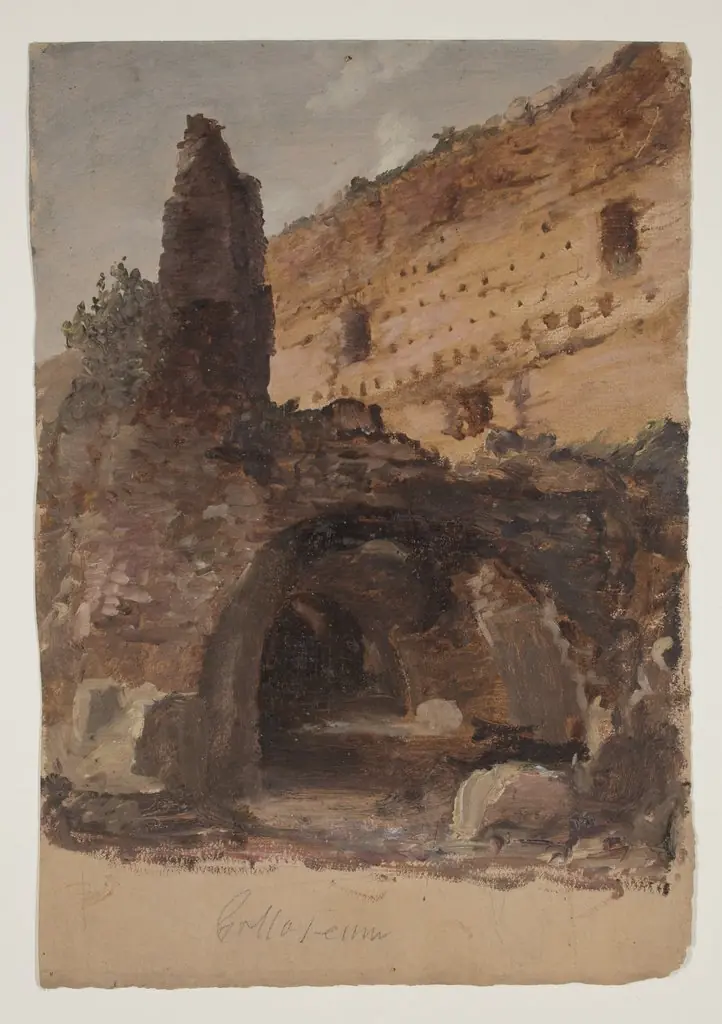
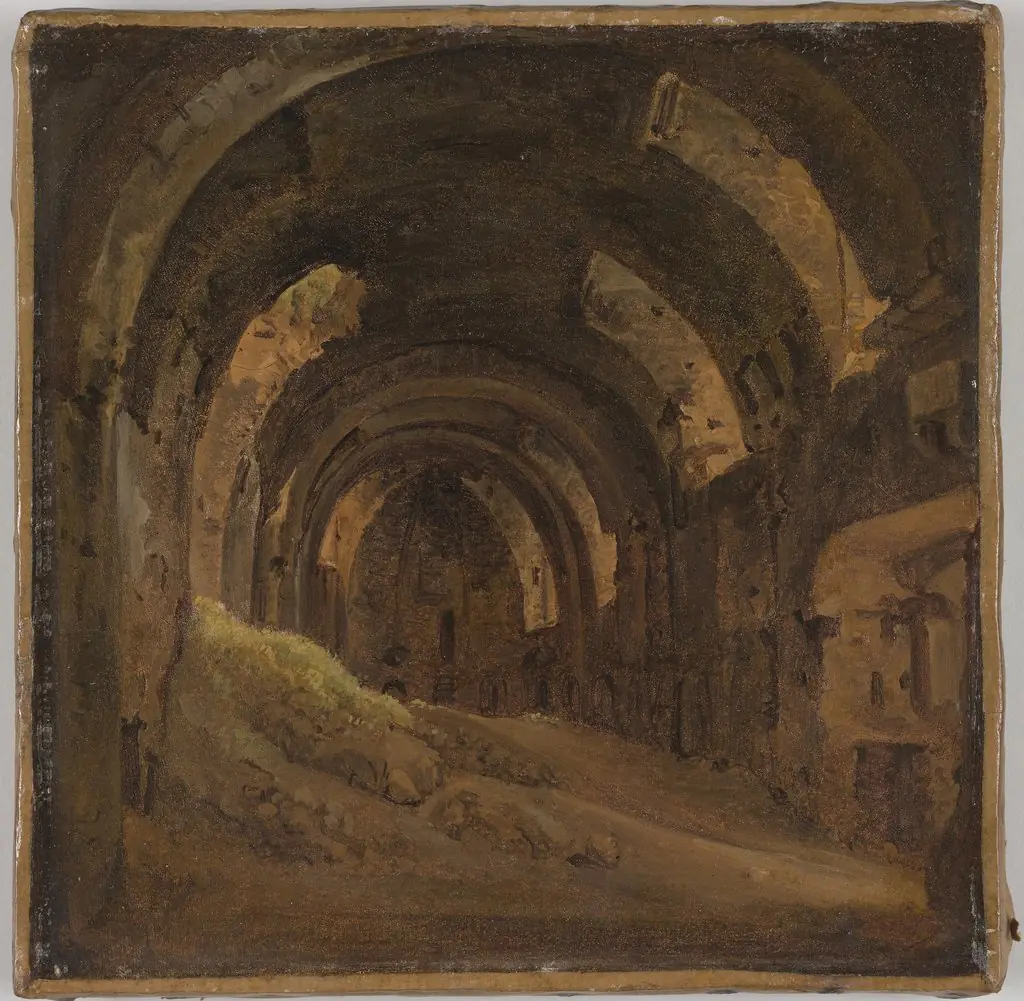
Roomalaisia raunioita, harjoitelma is an unspecified painting by Karl Jansson. It is held in the collection of the Finnish National Gallery. This work depicts the remnants of a stone structure, its arches and walls reduced to weathered fragments.
About this work
Overview
This work depicts the remnants of a stone structure, its arches and walls reduced to weathered fragments. Rendered in oil, the composition balances decay with vitality, as moss and vegetation encroach upon the masonry. The execution is immediate, with visible brushwork that conveys both the physical texture of the ruins and the fleeting quality of light.
Subject & Meaning
The painting presents architectural ruins as a meditation on time and endurance. Rather than idealizing the past, it emphasizes the persistence of nature amid human abandonment. The interplay of crumbling stone and thriving greenery suggests cycles of growth and decay, inviting reflection on transience without overt sentimentality.
Technique & Style
Executed with rapid, unrefined strokes, the work retains the spontaneity of a study rather than a finished composition. Thick impasto in some areas contrasts with looser, more fluid passages, creating a tactile surface that mimics both the roughness of stone and the softness of foliage. The palette is restrained, relying on earth tones and muted greens against a luminous sky.
Context
Ruins were a recurring motif in 19th-century art, often symbolizing the passage of empires or the sublime power of nature. This work aligns with practices of plein-air sketching, where artists captured transient effects of light and atmosphere. The unfinished quality reflects a shift toward valuing immediacy and perceptual truth over polished academic finish.
Legacy
While not widely documented, the painting exemplifies a broader interest in ruins as both aesthetic and philosophical subjects. Its loose handling anticipates later modernist approaches to brushwork and texture, where the materiality of paint itself becomes a means of conveying meaning. Such works contributed to the redefinition of artistic finish in the late 19th century.
Artist & collection
Artist
Karl Jansson painted scenes and people in a straightforward way, leaving a small but clear trail of work.

 View of the Basilica of Constantine from the Palatine, Rome
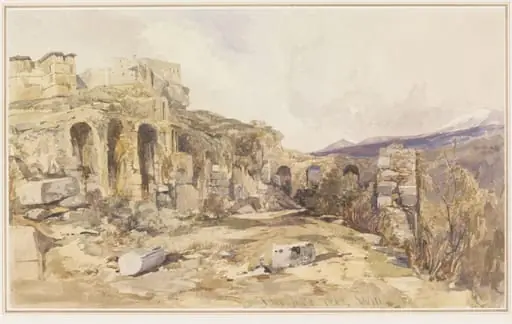 Tlos
Tlos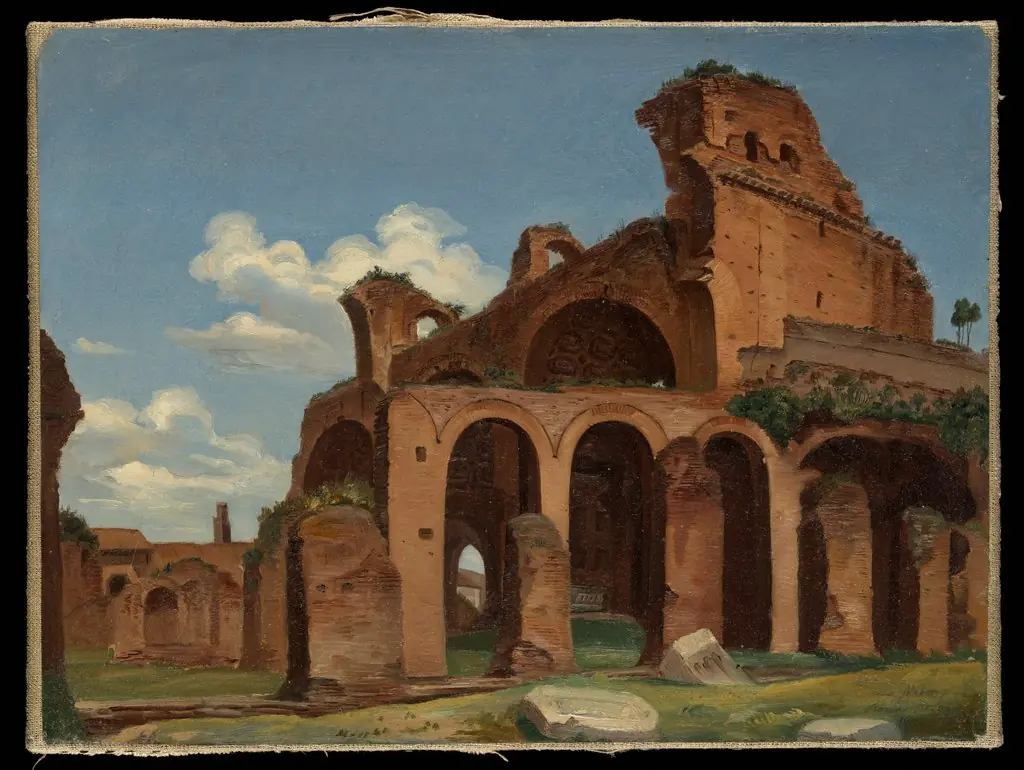 The Basilica of Constantine, Rome
 The Colosseum
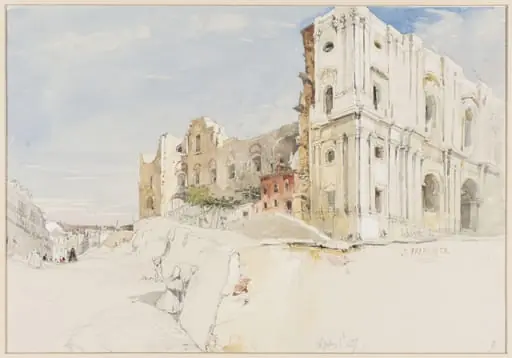 S. Francisco
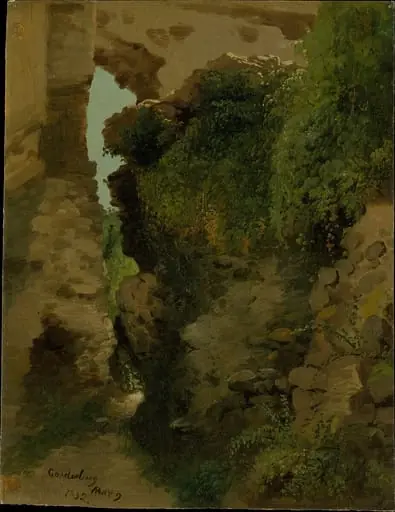 Godesberg
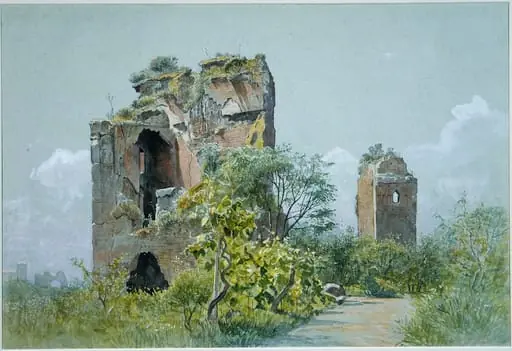 Baths of Trajan (Sette Sale, Villa Brancaccio, Rome)
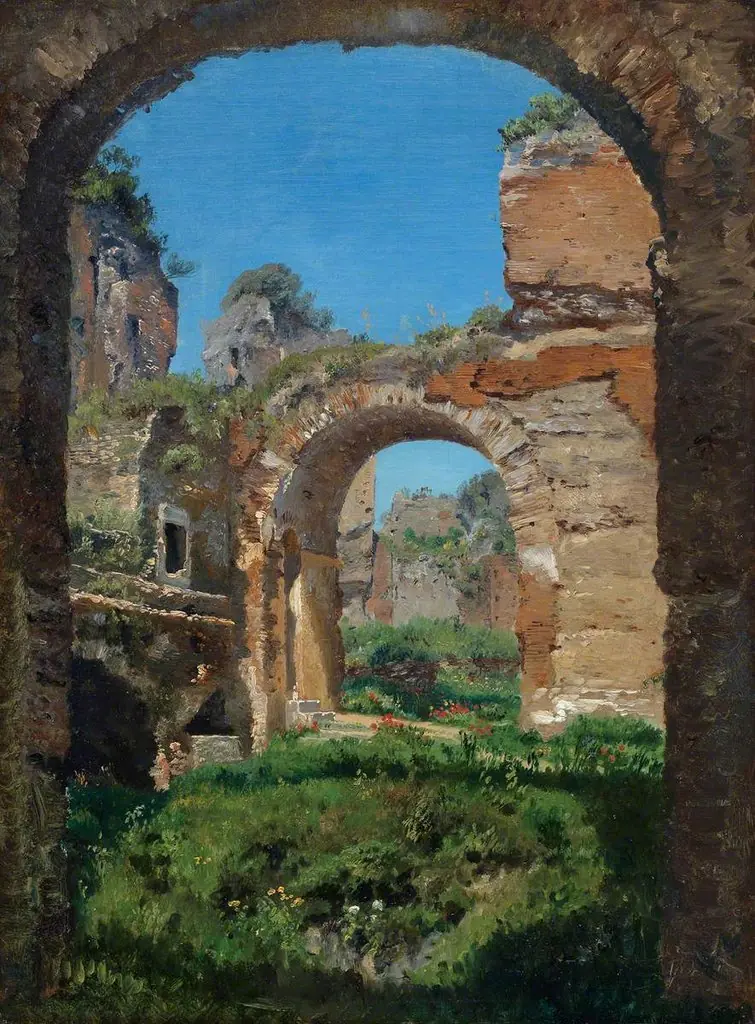 Inside the Baths of Caracalla
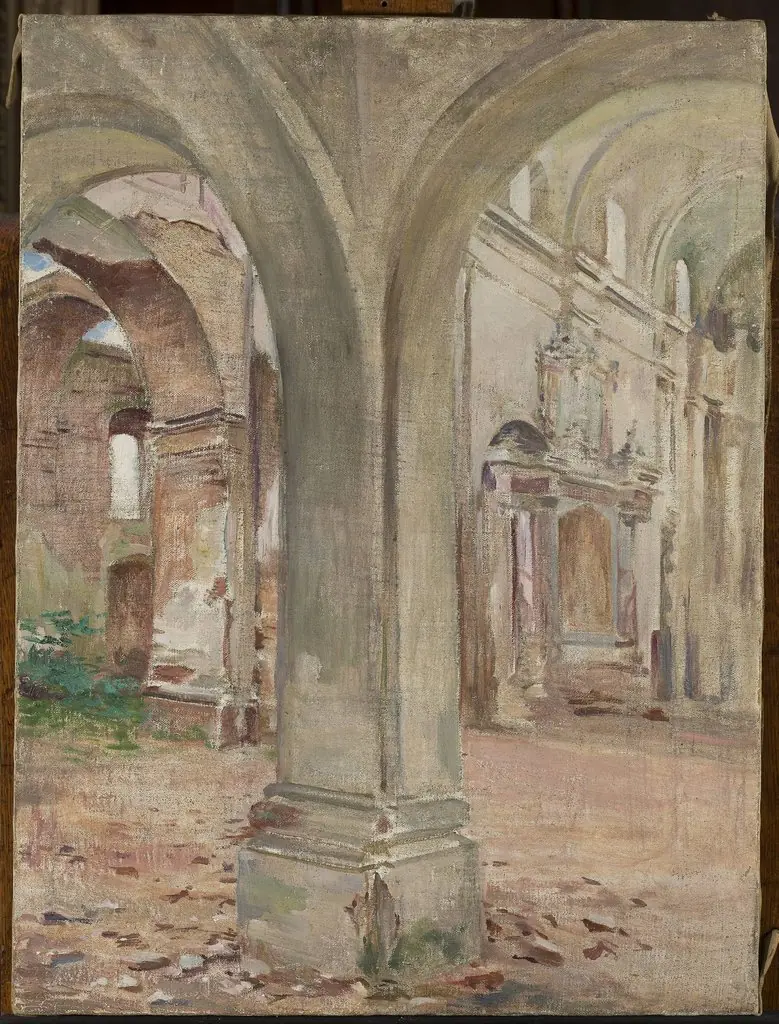 Church interior
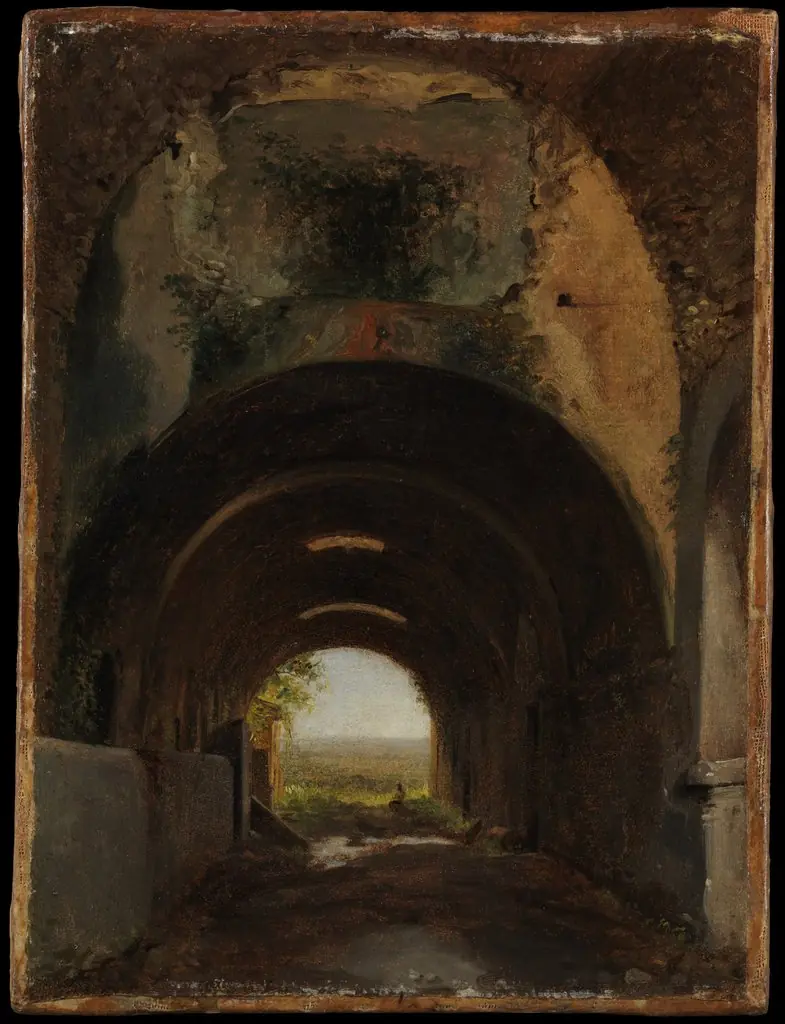 View in the Stables of the Villa of Maecenas, Tivoli
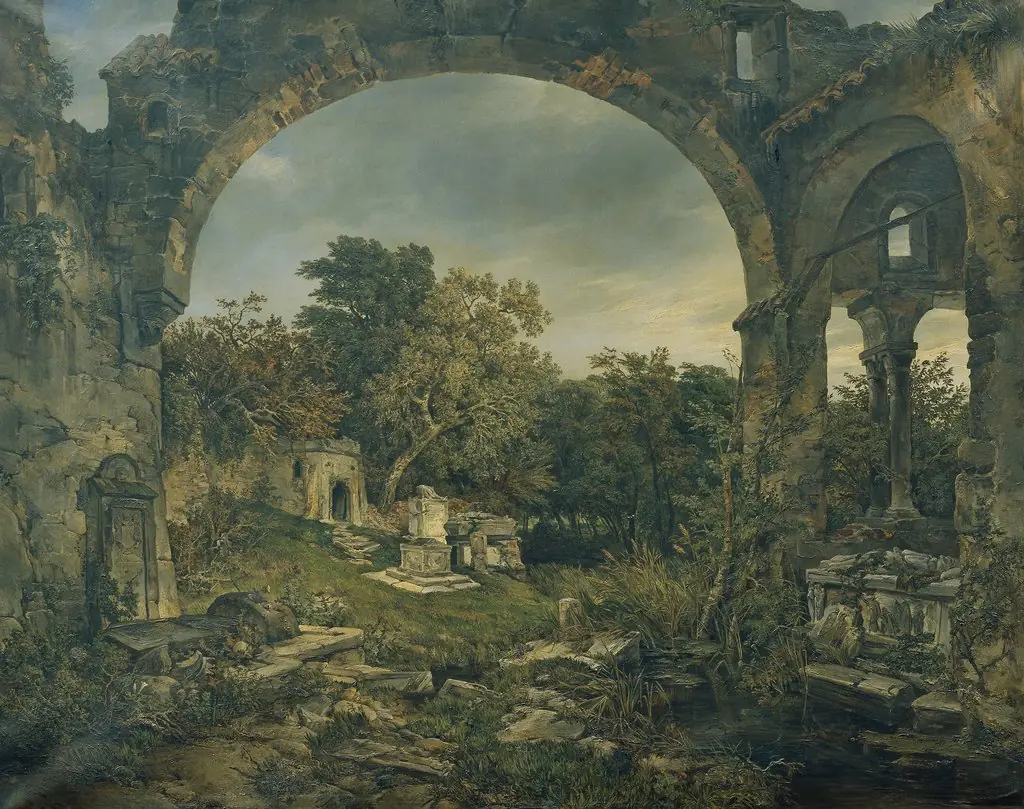 Verödeter Friedhof
 Vaulted Interior