Artwork
Italian. Pifferraro
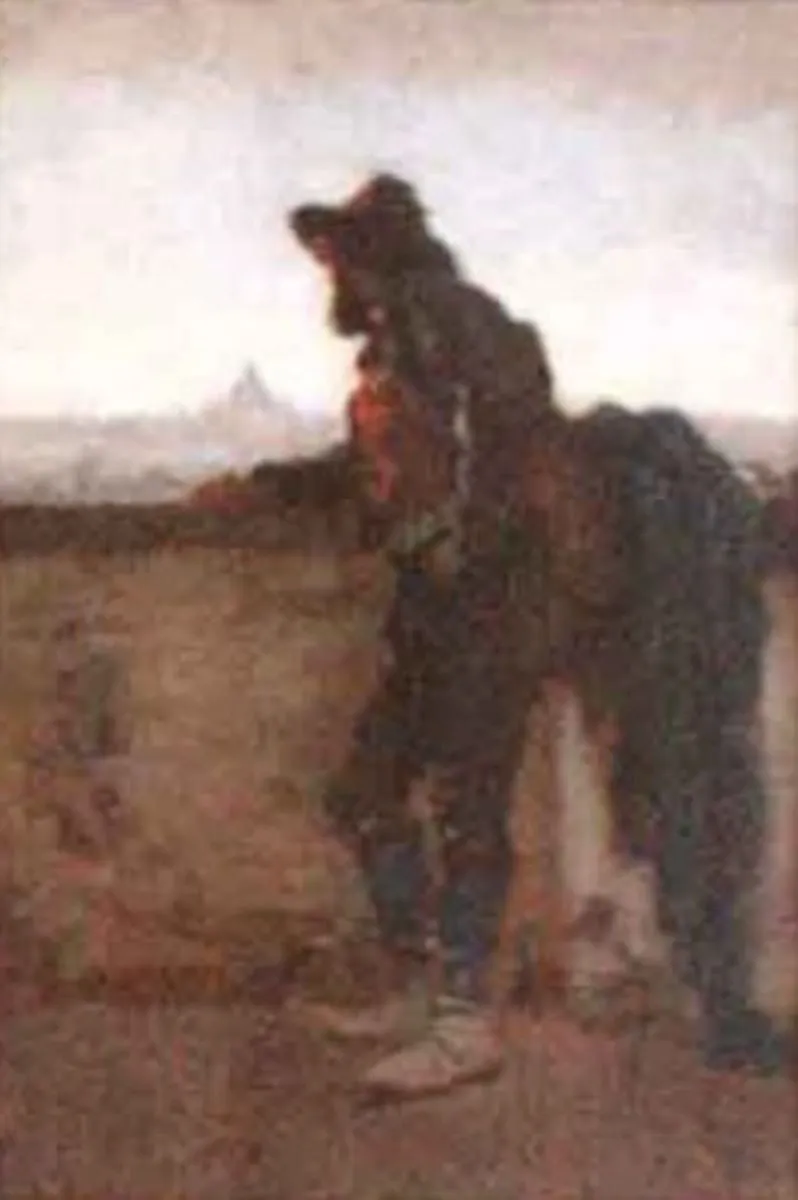
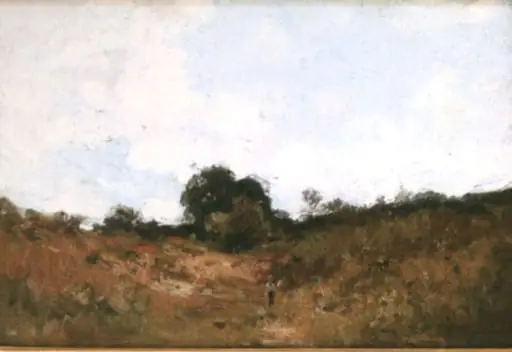
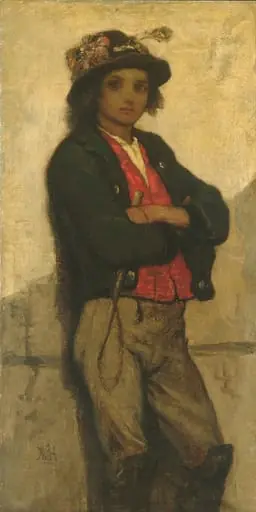
Italian. Pifferraro is an unspecified painting by the Impressionist artist Nicolae Grigorescu. It dates from 1874 and is held in the collection of the National Museum of Art of Romania.
About this work
Overview
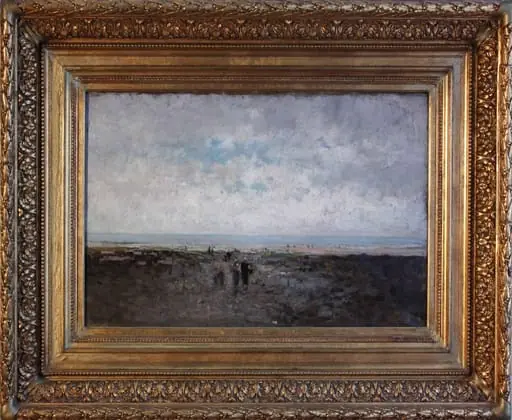
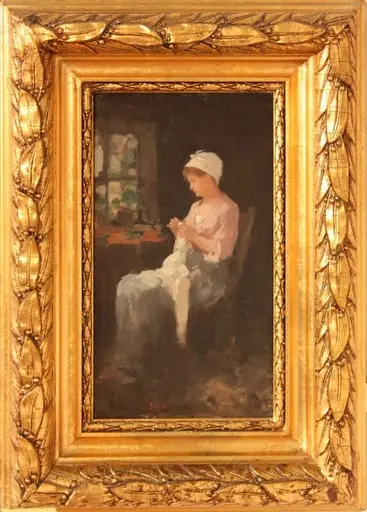
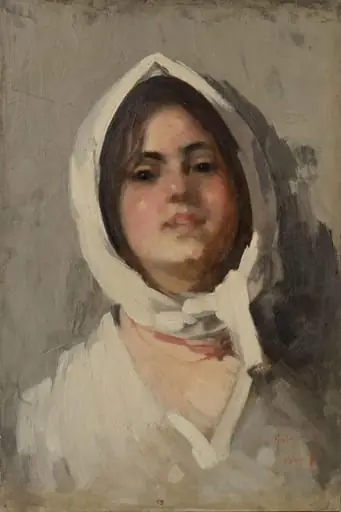
Painted in 1874 by Romanian artist Nicolae Grigorescu, this work depicts a solitary rural figure in a quiet, open landscape. The subject, dressed in worn, earth-toned clothing, leans against a low stone barrier, holding a pipe. The composition emphasizes stillness and introspection, with minimal detail in the background to focus attention on the figure’s posture and presence.
Subject & Meaning
The figure, likely a peasant laborer, is captured in a moment of pause—neither working nor speaking, but simply being. The obscured face and humble attire suggest anonymity, reinforcing themes of quiet endurance in rural life. The act of smoking a pipe implies a brief respite, a private ritual amid labor, evoking dignity in simplicity without overt narrative.
Technique & Style
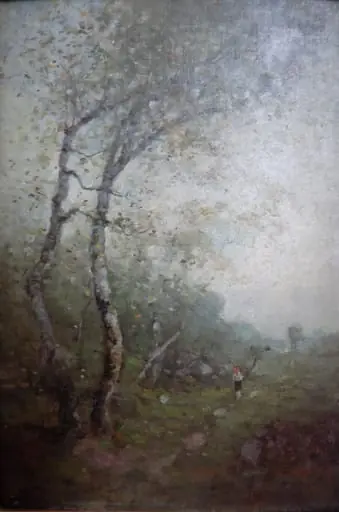
Grigorescu employs loose, impressionistic brushwork to render form and atmosphere. Colors are subdued—earthy browns, grays, and muted greens—creating a somber, atmospheric tone. The background is deliberately blurred, dissolving distant hills and structures into soft washes, while the figure remains slightly more defined, anchoring the scene in quiet realism.
History & Provenance
Created during Grigorescu’s formative years as a painter, this work reflects his engagement with rural Romanian life following his studies in France. Though titled 'Italian. Pifferraro' in some records, the subject and setting are distinctly Romanian. The painting’s early provenance is tied to Romanian collections, later entering institutional holdings in the 20th century.
Context
In the 1870s, Romanian artists increasingly turned to peasant subjects as symbols of national identity. Grigorescu, influenced by French Realism and plein air practices, avoided idealization. This painting aligns with a broader movement to portray rural labor with authenticity, rejecting romanticized depictions in favor of observed, unembellished moments.
Legacy
The work exemplifies Grigorescu’s role in shaping modern Romanian painting through his focus on everyday life. Its restrained palette and emotional restraint influenced later generations of artists seeking to depict national character without sentimentality. Though not widely exhibited abroad, it remains a touchstone in Romanian art history for its quiet sincerity.
Artist & collection
Artist
Romanian painter Nicolae Grigorescu made quiet, honest scenes of everyday life and country roads around 1900.