Artwork
Le preneur de serpents
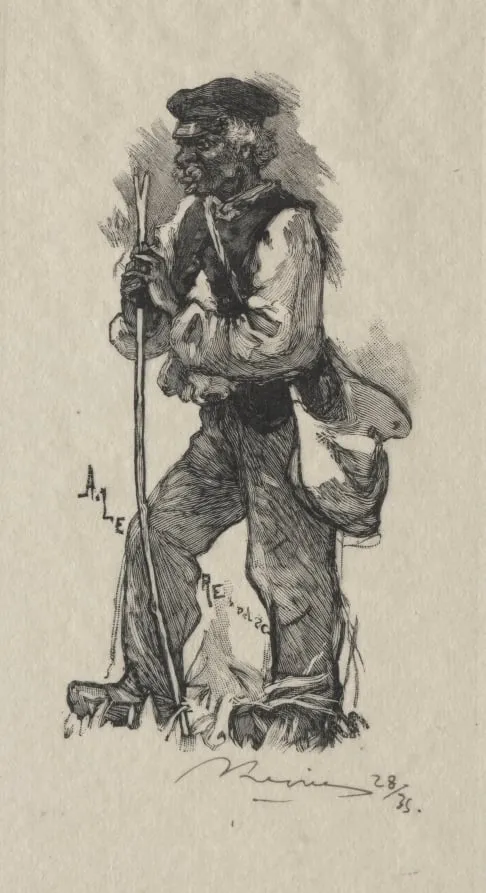
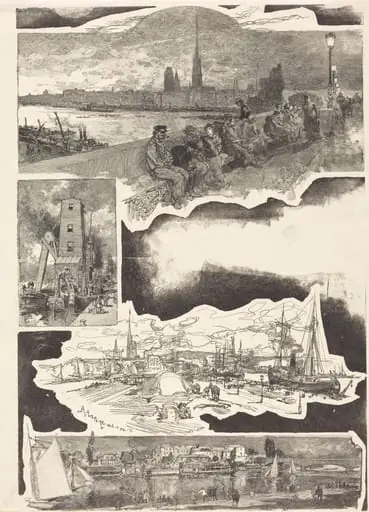
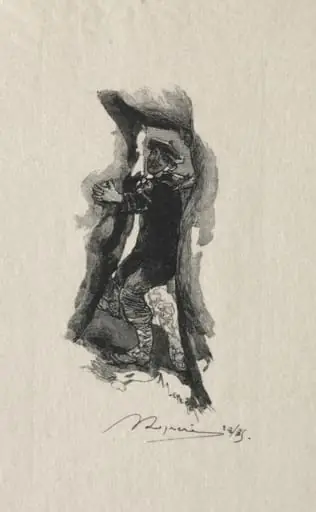
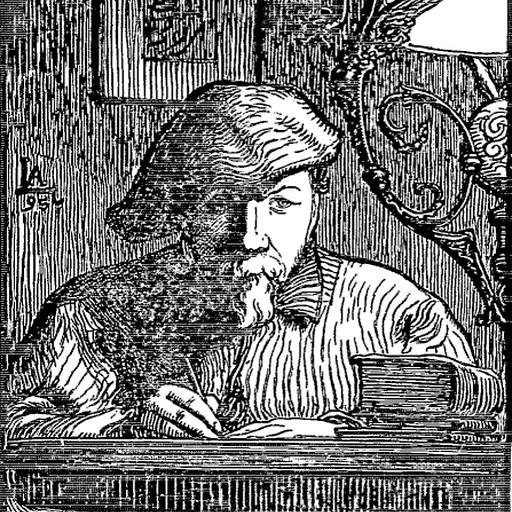
Le preneur de serpents is a print by the Impressionist artist Auguste Lepère. It dates from 1889 and is held in the collection of the Cleveland Museum of Art.
About this work
Overview
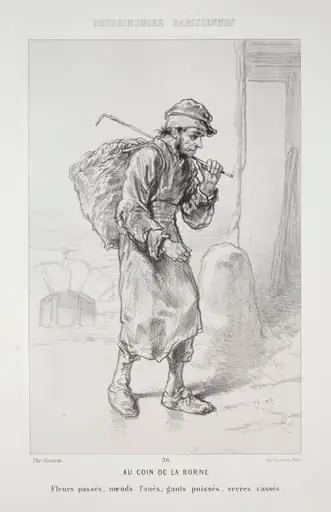
Auguste‑Louis Lepère’s 1889 etching *Le preneur de serpents* presents a solitary figure engaged in the act of handling snakes. Executed in black ink on paper, the work measures roughly the size of a typical late‑19th‑century print and reflects Lepère’s reputation as a leading French printmaker of his generation.
Subject & Meaning
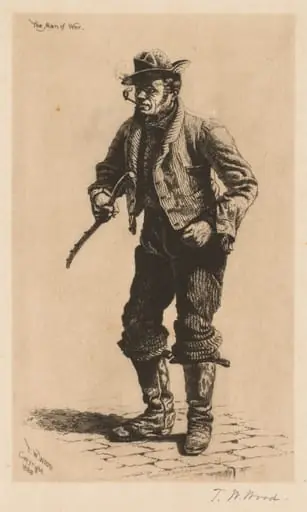
The composition centers on a man in loose, dark garments, turned sideways, his face obscured by deep shadows. He grips a long staff in one hand while the other rests on his hip, suggesting a practical tool for coaxing or restraining serpents. The title, “the snake‑catcher,” reinforces this interpretation, hinting at a trade or ritual activity.
Technique & Style
Lepère employs fine, closely spaced lines to render texture and volume, characteristic of his revival of wood‑engraving techniques within etching. The drawing’s swift, gestural strokes and pronounced chiaroscuro create a dramatic contrast between light and dark, emphasizing the figure’s seriousness and the tension of the scene.
History & Provenance
Created during a period when printmaking was gaining artistic legitimacy, the etching reflects Lepère’s contribution to the medium’s resurgence in Europe. While specific ownership records are scarce, the work has been catalogued in several major collections of French prints, underscoring its relevance to the late‑19th‑century graphic arts.
Artist & collection
Artist
Louis-Auguste Lepère (30 November 1849 – 20 November 1918) was a French painter and etcher. Lepère is also considered a leader in the creative revival of wood engraving in Europe.