Artwork
Portret de fată
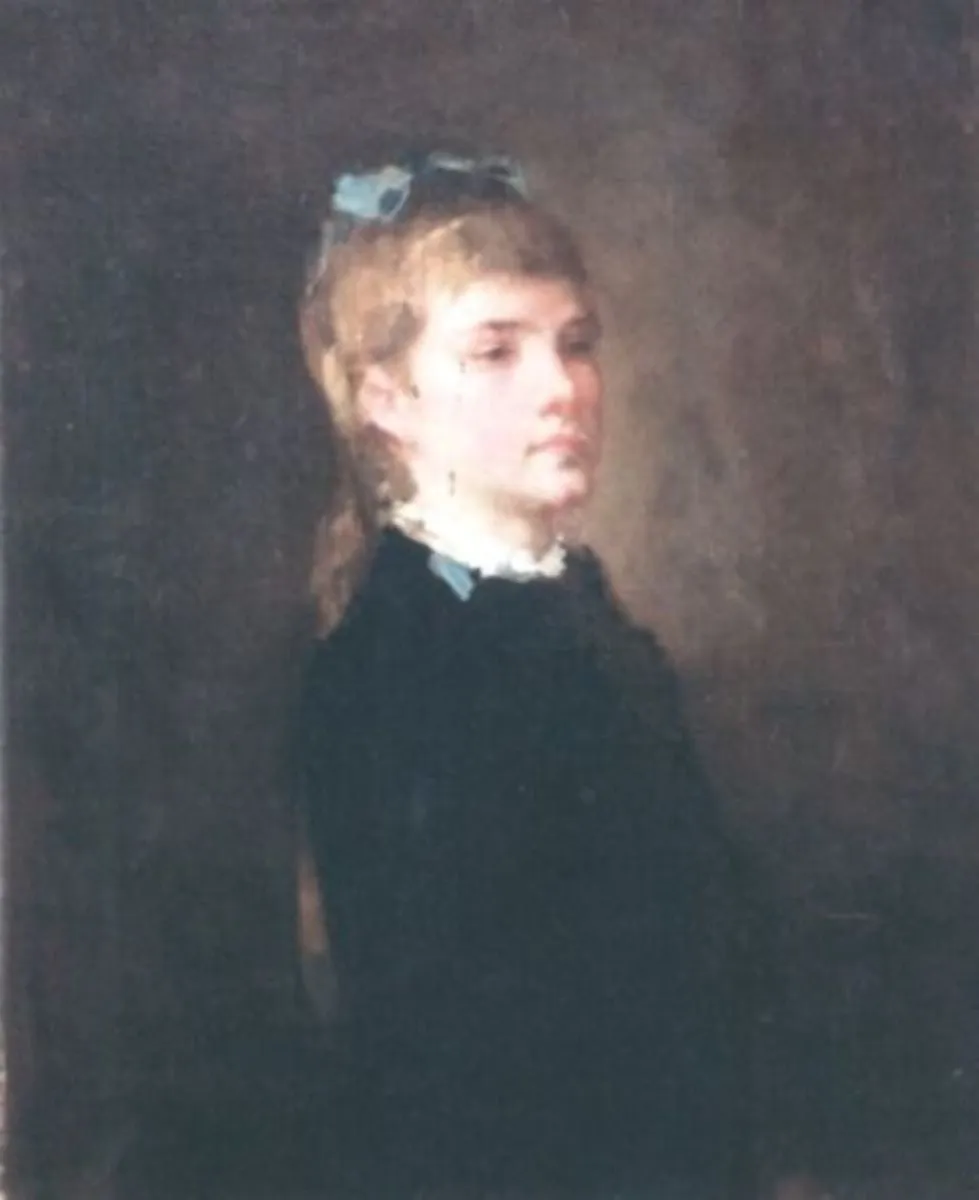
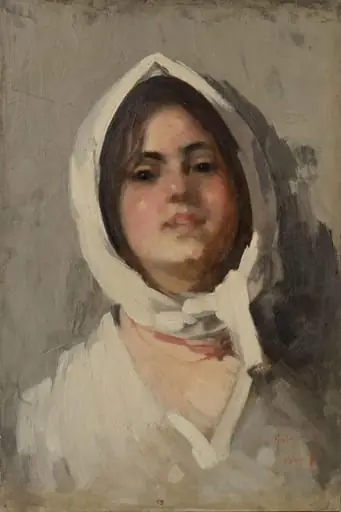
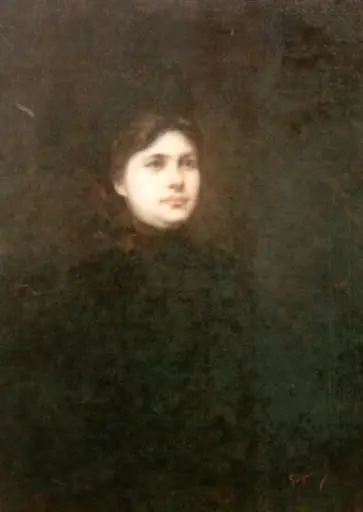
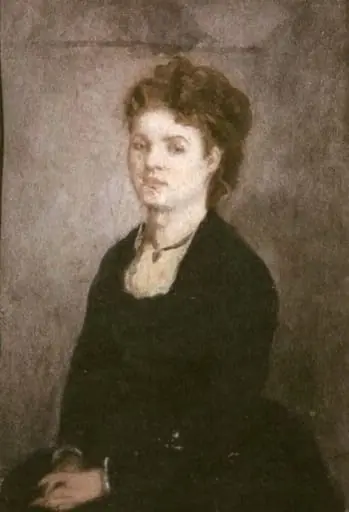
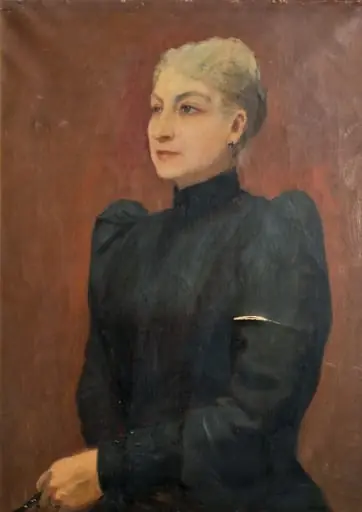
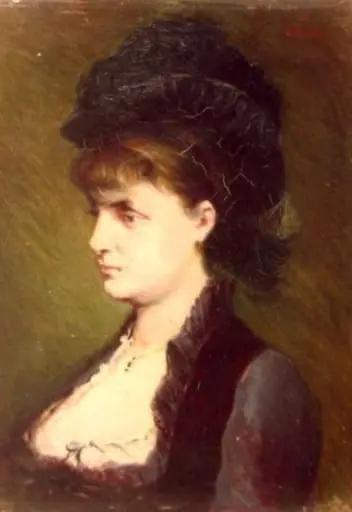
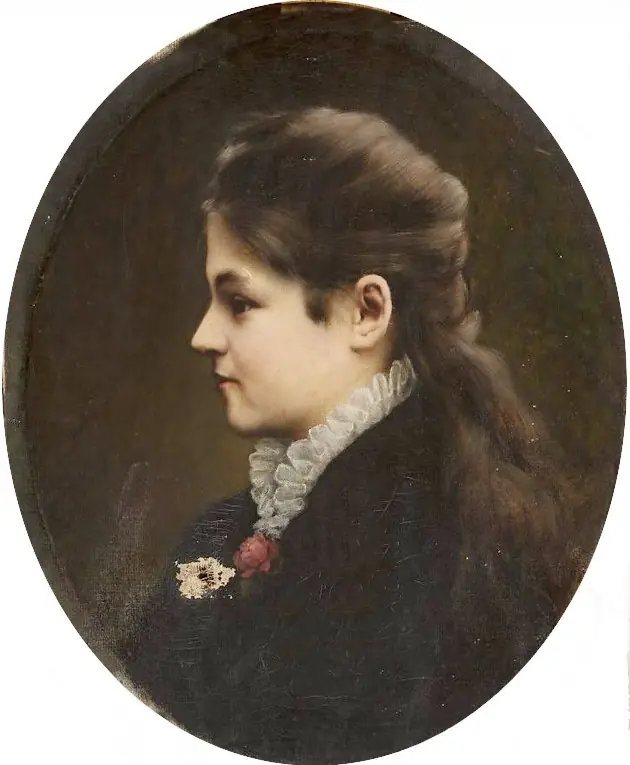
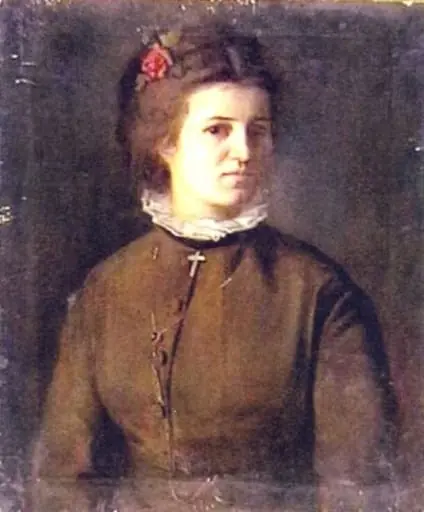
Portret de fată is an unspecified painting by Nicolae Grigorescu. It is held in the collection of the National Museum of Art of Romania. This portrait depicts a young woman rendered in a restrained, intimate style.
About this work
Overview
Her figure occupies the center of the composition, set against a dark, unadorned background that eliminates distractions.
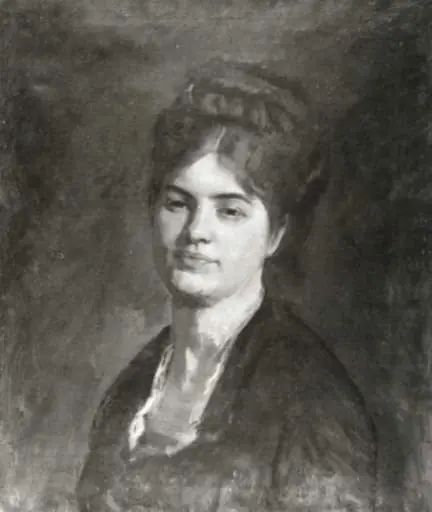
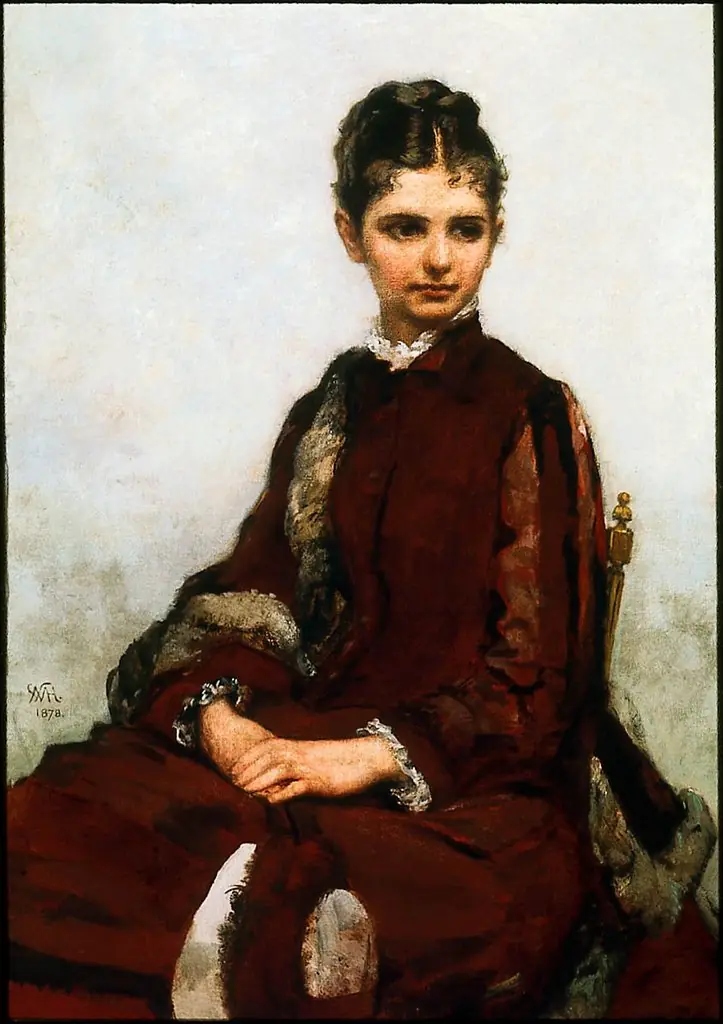
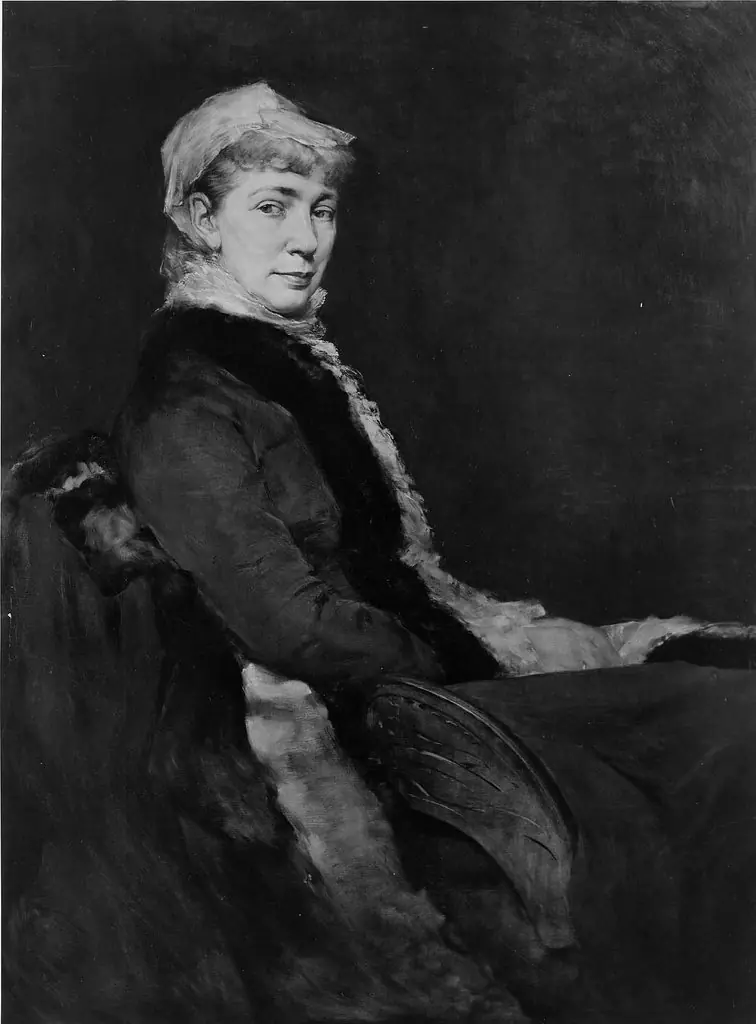
This portrait depicts a young woman rendered in a restrained, intimate style. Her figure occupies the center of the composition, set against a dark, unadorned background that eliminates distractions. The focus remains entirely on her presence, with no architectural or environmental cues. The subdued palette and minimal detail emphasize her quiet dignity and the artist’s attention to subtle expression.
Subject & Meaning
The sitter is a young woman, her gaze direct but composed, suggesting a moment of stillness rather than performance. Her simple attire and modest adornment—a small bow at the hair—indicate neither wealth nor status, but rather a sense of personal refinement. The portrait conveys an unembellished humanity, inviting contemplation rather than admiration, as if capturing a private, unposed instant.
Technique & Style
The artist employs chiaroscuro to model the face with soft transitions between light and shadow, lending volume and a sense of breath to the features. The lighting appears natural, as if from a single source, gently illuminating the skin while leaving the rest in muted tones. Brushwork is restrained, avoiding overt texture, which enhances the quiet realism and emotional restraint of the image.
History & Provenance
The painting’s origin and early ownership are undocumented. It lacks inscriptions, signatures, or known exhibition records that might trace its creation or early history. Its survival suggests it was preserved within a private collection, possibly by someone who valued its quiet intimacy over grandeur. No definitive attribution or date has been established.
Context
This work aligns with 17th-century Northern European portraiture, where modest, introspective depictions of individuals—often without heraldic or symbolic elements—were valued for their psychological depth. The absence of elaborate dress or setting reflects a shift toward personal, rather than social, representation, common among middle-class patrons seeking authentic likenesses.
Legacy
Though not widely known or reproduced, the portrait exemplifies a quiet tradition of intimate portraiture that prioritized emotional resonance over spectacle. Its influence lies in its restraint—a reminder that presence can be conveyed without ornament. It continues to be studied for its sensitive handling of light and the dignity it bestows on an unnamed subject.
Artist & collection
Artist
Romanian painter Nicolae Grigorescu made quiet, honest scenes of everyday life and country roads around 1900.