Artwork
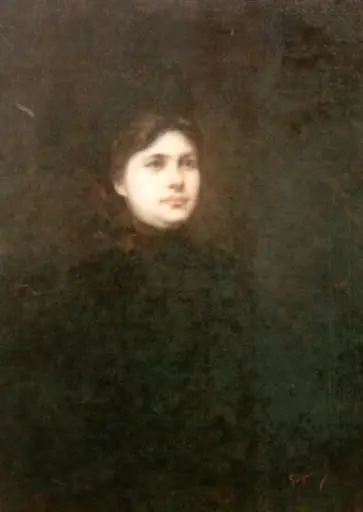
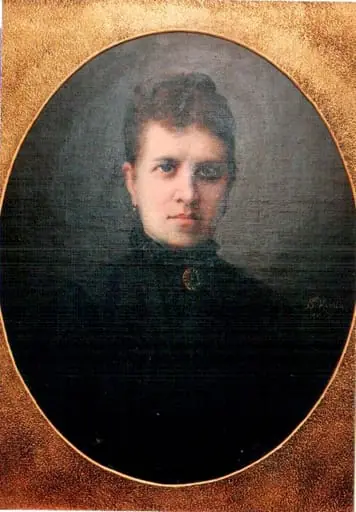
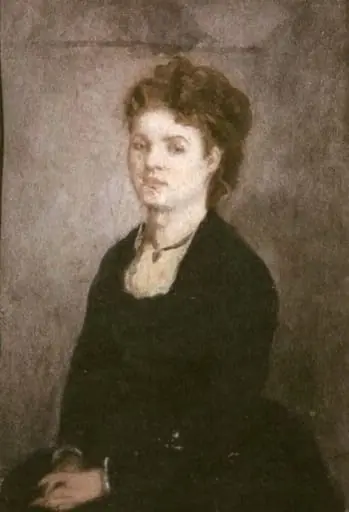
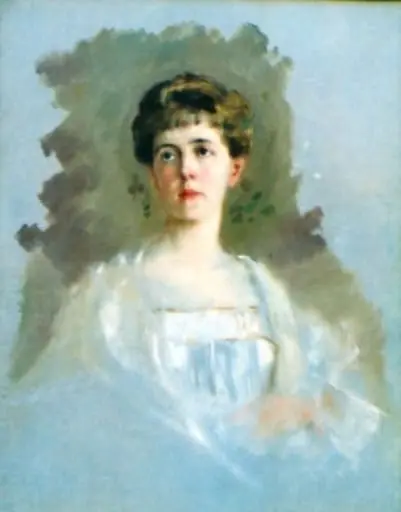
Cap de fată
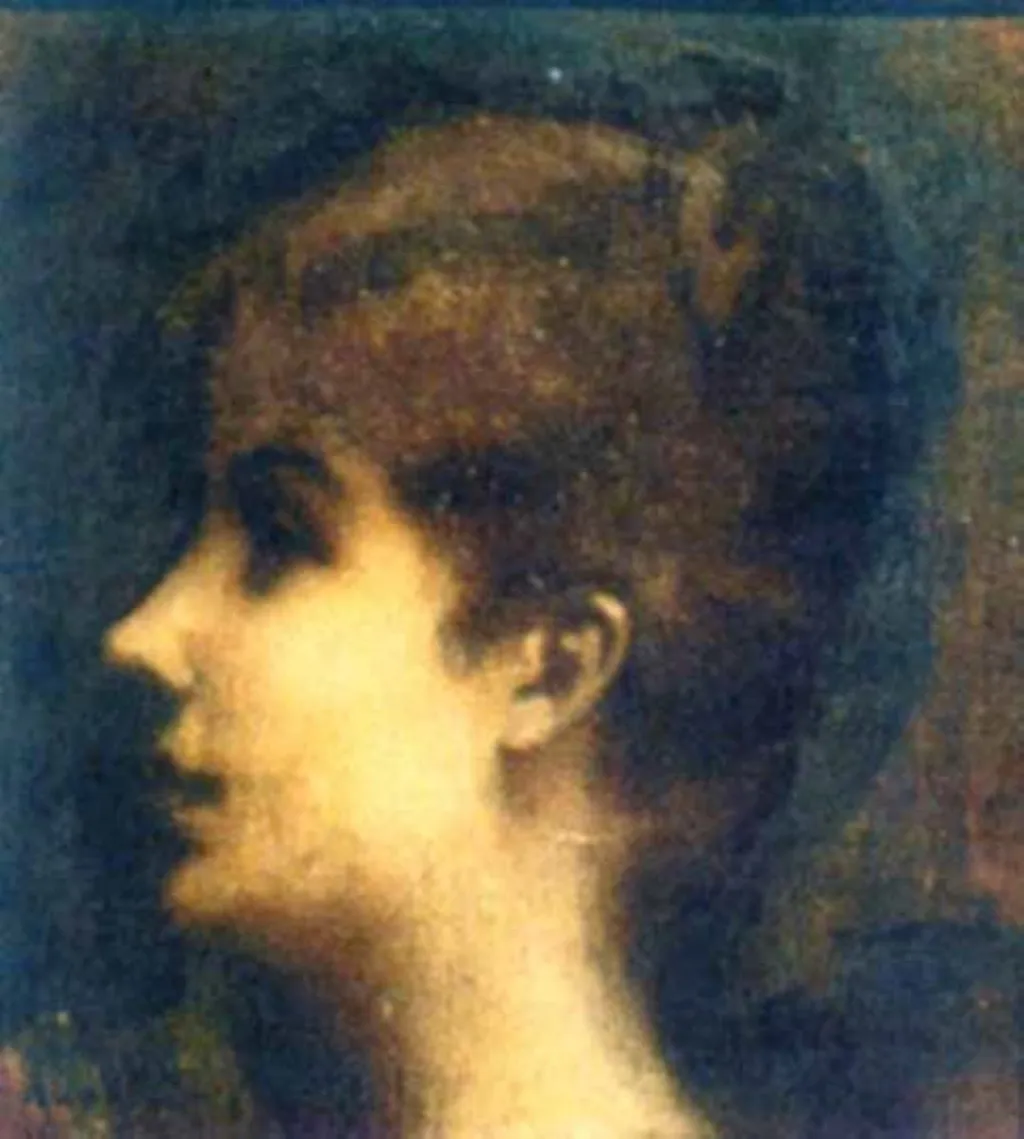
Cap de fată is an unspecified painting by the Impressionist artist Ștefan Luchian. It dates from 1889 and is held in the collection of the Art Museum of Constanta.
About this work
Overview
Cap de fată is a painting by Ștefan Luchian, created in 1889. It is housed at the Museum of Ethnography.
Subject & Meaning
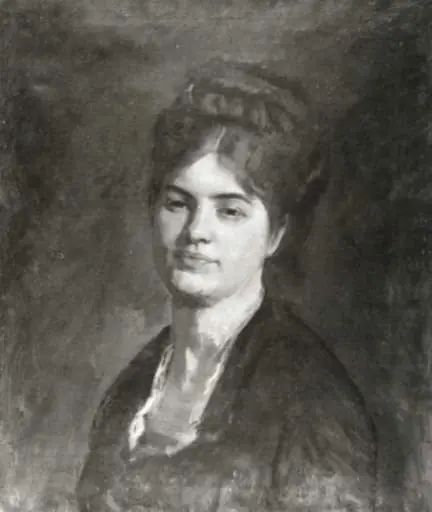
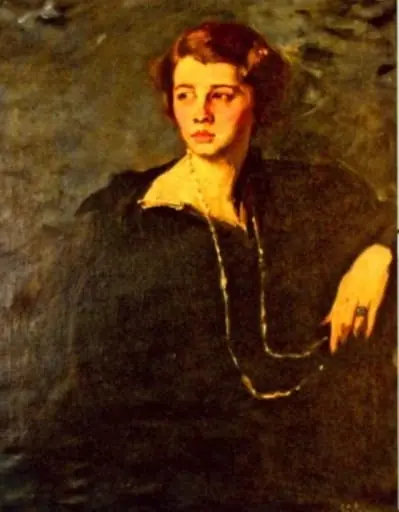
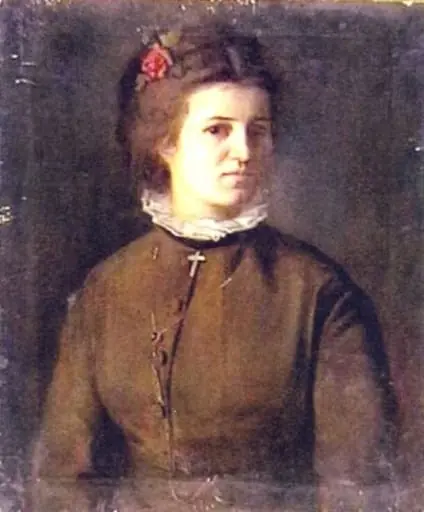
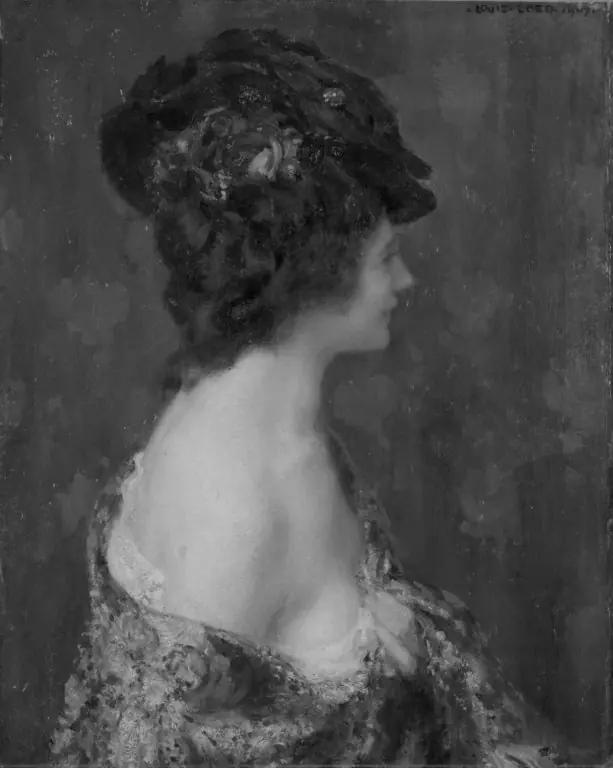
The painting depicts a person's profile, characterized by curly hair and a softly rendered face. The subject's features are subtly defined, with an emphasis on capturing the play of light on their skin.
Technique & Style
Luchian employed loose brushstrokes to achieve a dreamy, softly focused effect. This approach, characteristic of Impressionist painting, prioritizes the capture of light and atmosphere over precise detail.
Context
Cap de fată reflects the influence of Impressionism, an art movement that emerged in France in the late 19th century. Impressionist artists sought to break with traditional approaches to representation, emphasizing the fleeting effects of light and color.
Artist & collection
Artist
Ștefan Luchian painted quiet scenes of daily life in late-1800s Romania: sunlit houses, country roads, and a single studio work called Atelierul from 1894.