Artwork
Emilia Dona
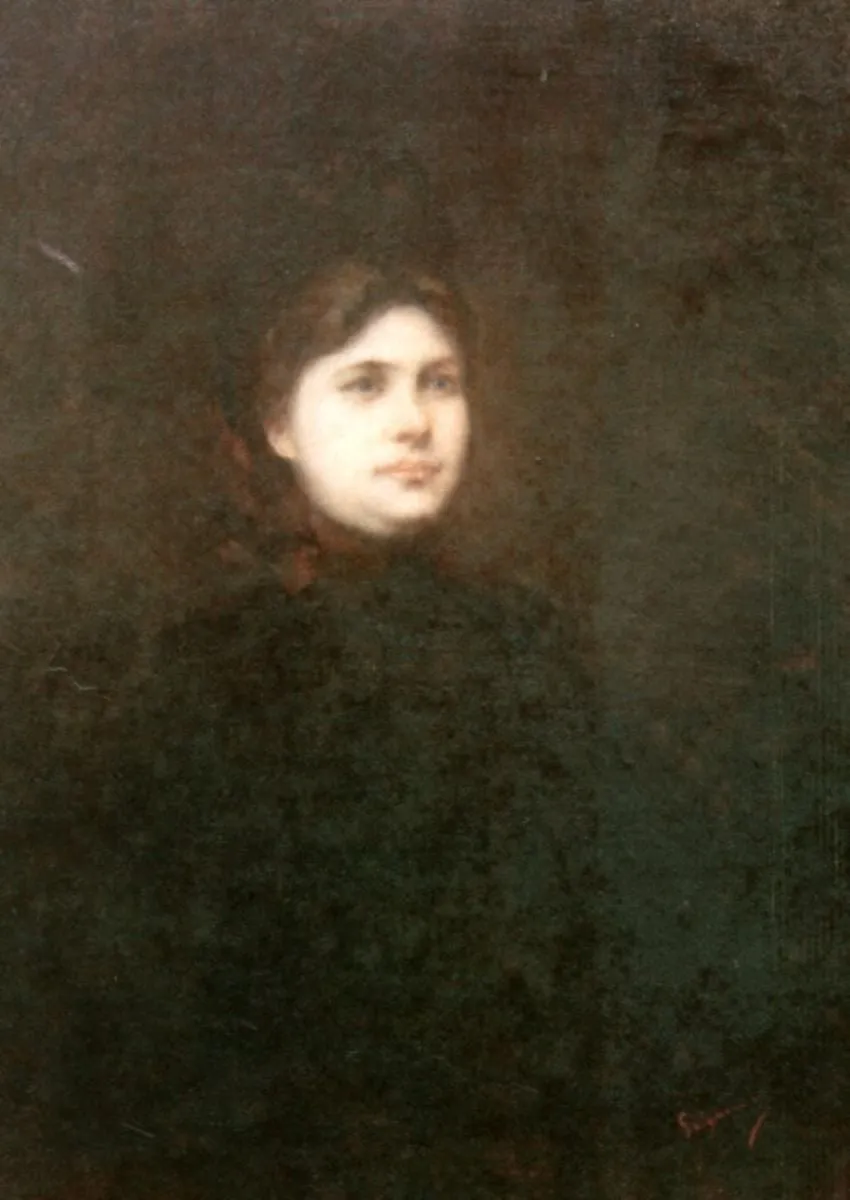
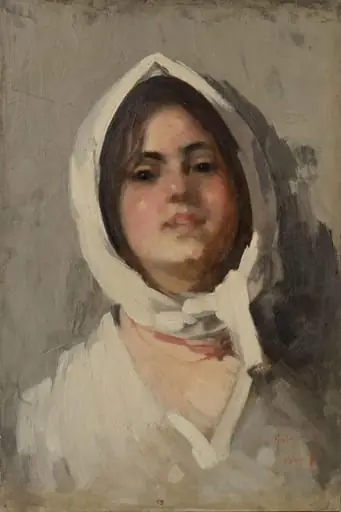
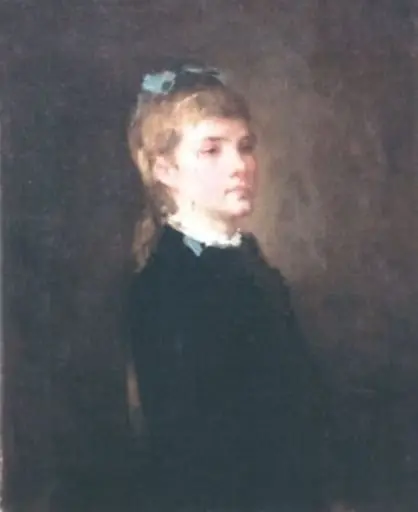
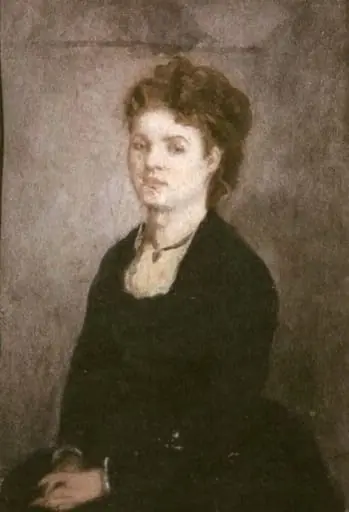
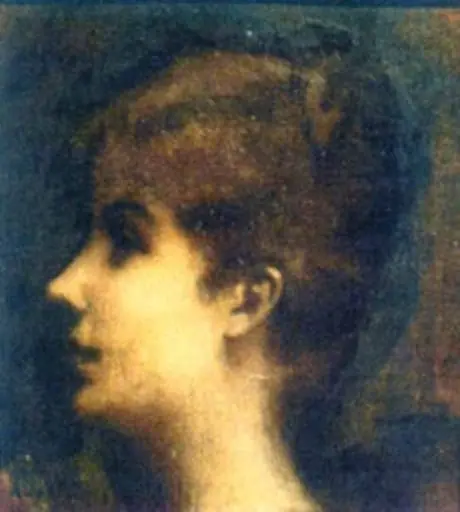
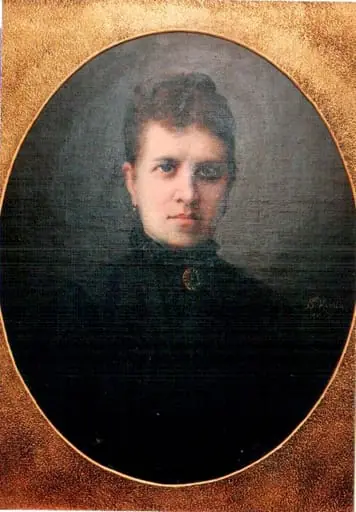
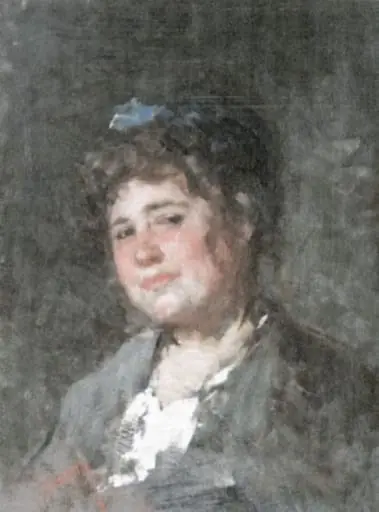
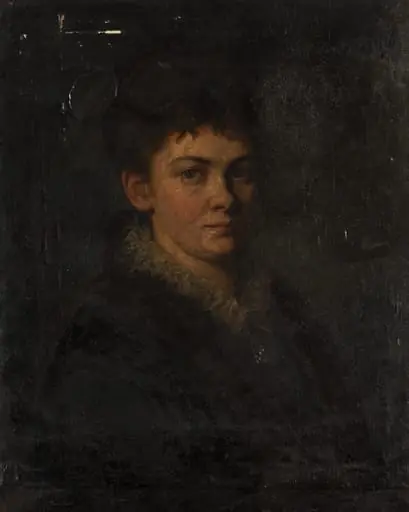
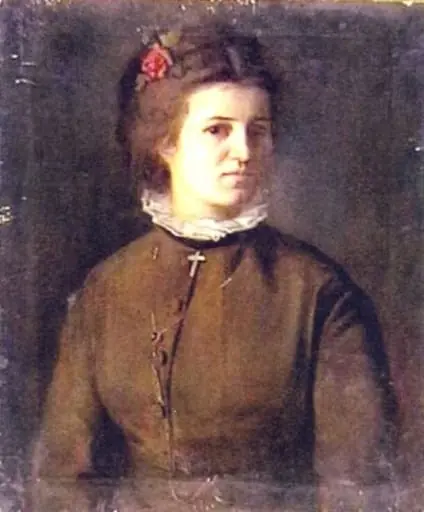
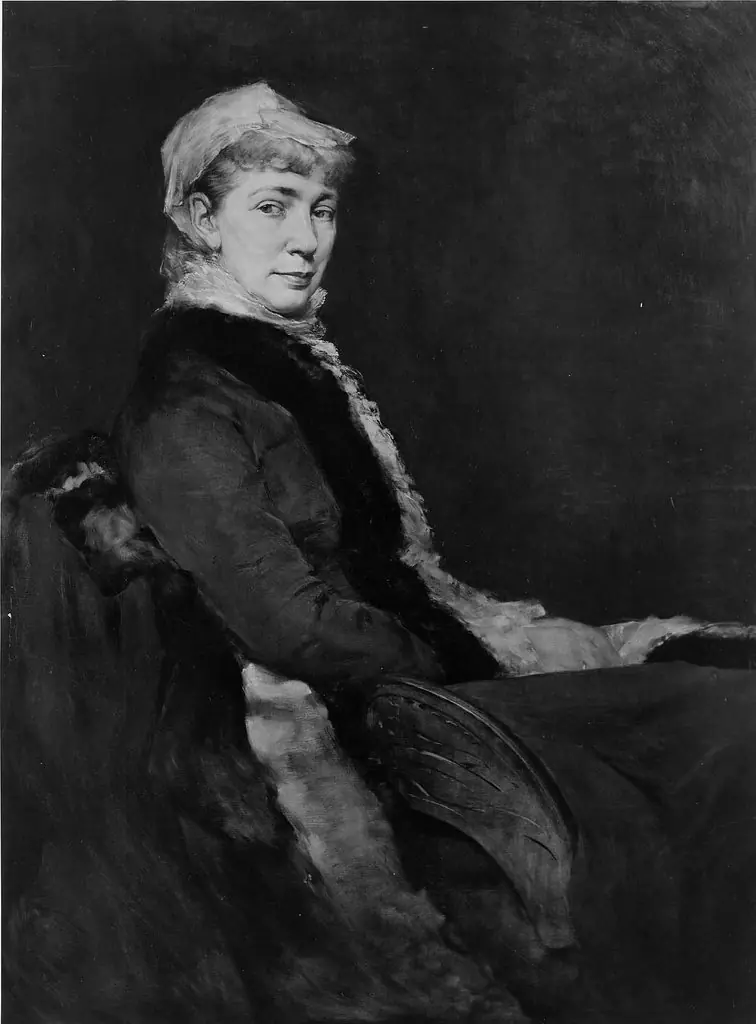
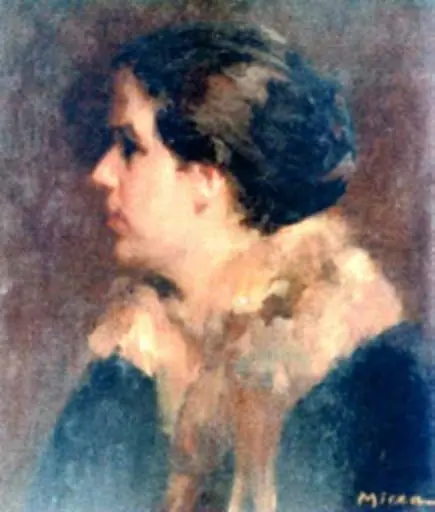
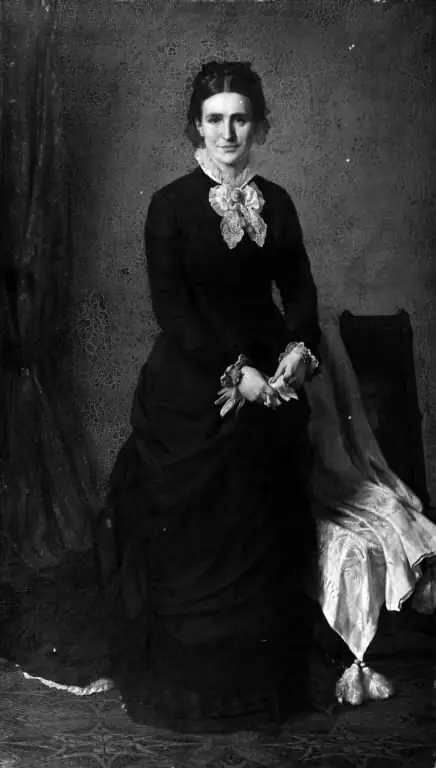
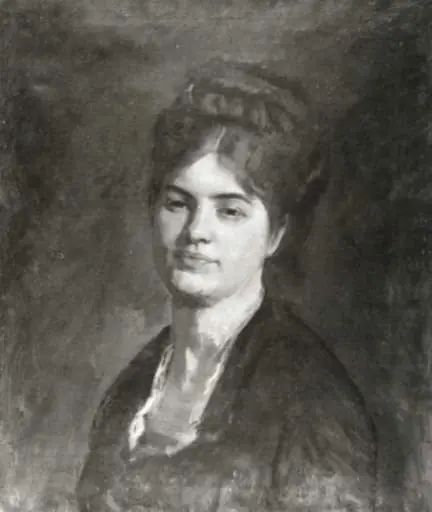
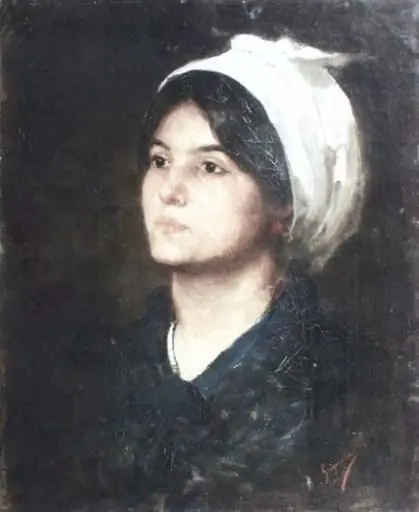
Emilia Dona is an unspecified painting by Nicolae Grigorescu. It is held in the collection of the National Museum of Art of Romania. The artwork presents a solitary human face rendered in soft tones, emerging from a deeply shadowed, textured background.
About this work
Overview
The artwork presents a solitary human face rendered in soft tones, emerging from a deeply shadowed, textured background. The contrast between the illuminated features and the surrounding darkness creates a sense of isolation and quiet presence. The composition is minimal, focusing entirely on the subject’s visage without contextual elements, emphasizing emotional resonance over narrative detail.
Subject & Meaning
The figure’s pale, serene face, framed by dark hair, suggests introspection or vulnerability. The absence of bodily context or environmental cues invites contemplation of inner states rather than external identity. The muted palette and lack of defining features prevent easy categorization, allowing the viewer to project personal interpretations onto the still, watchful countenance.
Technique & Style
The artist employs a restrained use of light and shadow to model the face, drawing from chiaroscuro traditions without overt dramaticism. The background is built with layered, uneven textures that mimic fabric or deep shadow, enhancing the figure’s luminosity. Brushwork is deliberate but unobtrusive, prioritizing tonal harmony over detail, resulting in an intimate, almost sculptural effect.
History & Provenance
The work’s origins are undocumented in public records, and no known exhibition history or artist attribution exists. It is cataloged as an image without contextual metadata, suggesting it may be a private study, an unpublished piece, or a digital reproduction without established provenance. Its anonymity contributes to its enigmatic quality.
Context
The piece aligns with a long tradition of portrait studies that isolate the human face to explore psychological depth. Its aesthetic echoes 17th-century tenebrist practices and 20th-century photographic portraiture, both of which use contrast to heighten emotional presence. Yet it avoids historical or cultural markers, positioning itself as a timeless meditation on visibility and concealment.
Legacy
Though not widely recognized in art historical discourse, the work functions as a quiet example of how minimalism and tonal contrast can evoke psychological presence. It serves as a reference point for artists exploring the expressive potential of the face stripped of context, influencing contemporary approaches to portraiture that prioritize mood over narrative.
Artist & collection
Artist
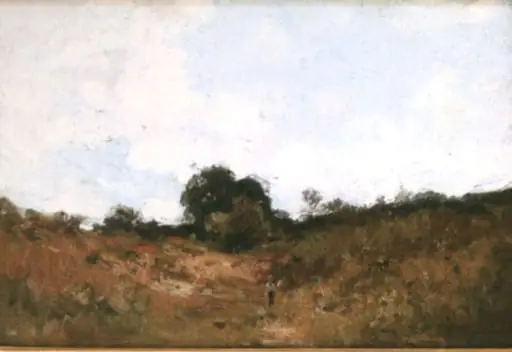
Romanian painter Nicolae Grigorescu made quiet, honest scenes of everyday life and country roads around 1900.